Learn

Tiny Art with Big Stories

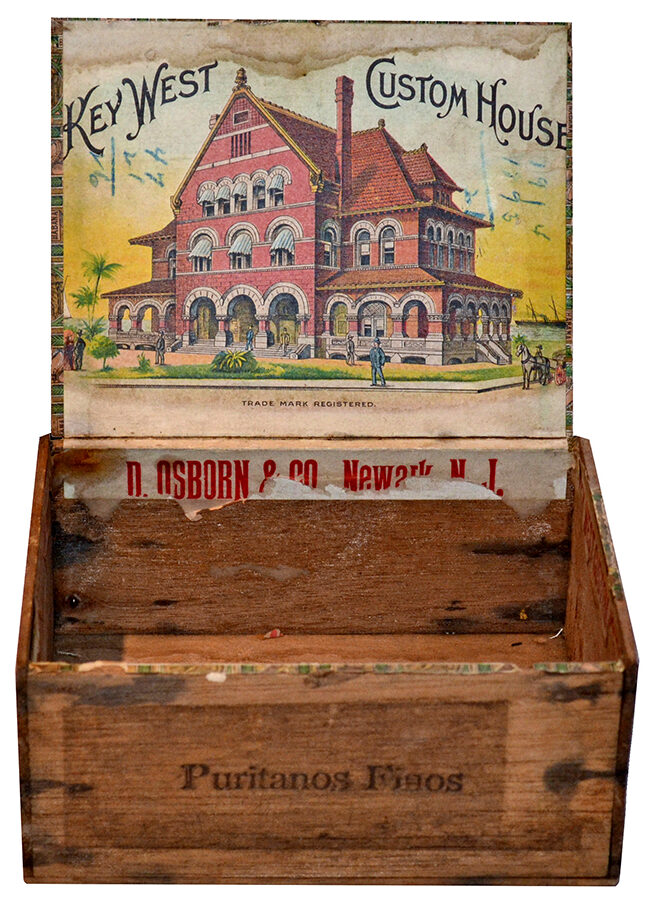
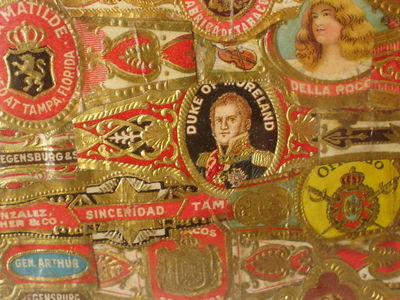
A cigar band may be barely more than a strip of paper. A cigar box label may fit inside a wooden lid. But look closely, and these little pieces start to expand. There is lettering, color, gold, embossing, place names, portraits, ships, factories, tropical scenery, political references, and brand storytelling all packed into a surprisingly small space.

That is the charm of cigar bands and labels as collectibles. They are tiny, but they are not minor. They connect printing history, advertising art, tobacco culture, local business, design trends, and the collecting habits of people who saved attractive paper long after the product itself was gone.

This final post in our Cigar Bands & Labels series brings the whole story together: why these pieces work as miniature art, what stories they can carry, and how collectors can build, display, and preserve them with care.

Continue reading “Tiny Art with Big Stories”
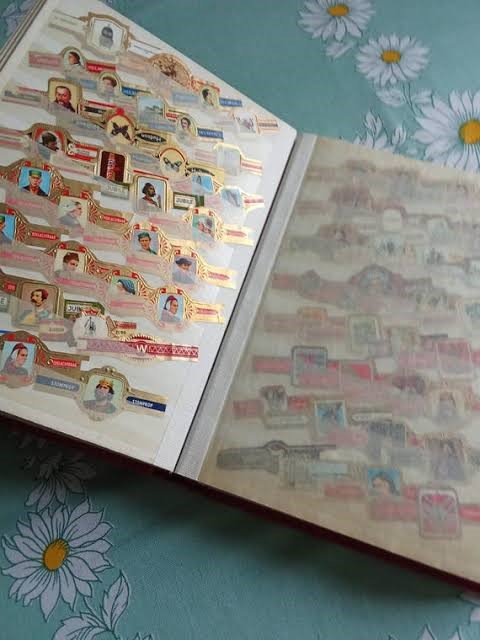
Decline and Nostalgia Collecting

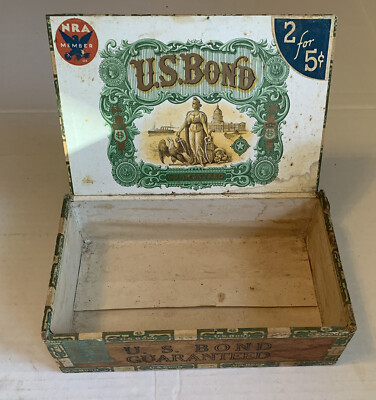
Cigar labels did not vanish overnight. The bright lithographed box labels, gold-trimmed bands, and ornate brand imagery that collectors love remained part of cigar culture for a long time. But the world that created their golden age began to change. Smoking habits shifted. Packaging changed. Advertising became more modern. Some cigar-making centers declined. And the lavish printed label slowly moved from everyday retail object to nostalgic collectible.

That transition is part of what makes cigar bands and labels so interesting today. They are not just pretty scraps of paper. They are survivors from a particular commercial world: tobacconists, cigar factories, wooden boxes, shop counters, masculine leisure culture, and color lithography at full confidence.

This fourth post in our Cigar Bands & Labels series looks at the decline of the classic cigar label era—and how nostalgia turned yesterday’s packaging into today’s collectible art.

Continue reading “Decline and Nostalgia Collecting”

Cigar Label Collecting Craze (1890–1920)

By the time cigar labels reached their golden age of color, they had already become more than packaging. They were miniature showpieces—bright lithographed scraps of advertising art with portraits, medals, factories, flags, tropical scenes, elegant women, famous names, and ornate lettering. It is no surprise that people began saving them.

Between roughly 1890 and 1920, cigar labels and bands fit perfectly into a larger culture of collecting paper: scrapbooks, trade cards, albums, postcards, die-cuts, advertising labels, and colorful printed “scraps.” Cigar labels had all the right ingredients for a craze. They were attractive, plentiful, varied, and often available to ordinary people through cigar boxes, shops, printers, and leftovers from the trade.

For today’s collectors, this period is especially fascinating because it helps explain why so many labels survived—and why they still feel so collectible now. The original cigar may be long gone, but the paper art still works.

Continue reading “Cigar Label Collecting Craze (1890–1920)”

Color Lithography and Artistry

Cigar labels are small pieces of paper, but they rarely feel small. A good antique cigar label has the drama of a poster, the polish of a certificate, and the color impact of a theater program—all compressed into a format meant to sell a box of cigars from a shop shelf.

That visual power came from color lithography, the printing method that helped turn cigar packaging into one of the most collectible forms of advertising ephemera. Before modern digital printing, these labels required careful drawing, multiple color passes, precise registration, metallic effects, embossing, and an artist’s eye for what would catch a customer’s attention quickly.

This second post in our Cigar Bands & Labels series looks at the artistry behind the labels: how color lithography worked, why cigar labels became so visually rich, and what collectors should look for when judging quality.

Continue reading “Color Lithography and Artistry”

The Rise of the Cigar Label

A cigar label is easy to admire before you know anything about cigars. The colors are rich, the lettering is dramatic, the borders are ornate, and the images can feel like miniature posters: heroic portraits, elegant women, tropical landscapes, patriotic symbols, ships, factories, medals, coats of arms, and gold so bold it still catches the eye more than a century later.

For collectors, antique cigar labels and bands are more than tobacco packaging. They are advertising art, printing history, branding history, and social history all in one small paper form. They tell us how companies competed for attention, how products were dressed up for the marketplace, and how lithographers turned a wooden box into a colorful sales pitch.

This first post in our Cigar Bands & Labels series looks at how the cigar label rose from practical packaging to collectible art—and why these pieces still have such strong visual power today.

Continue reading “The Rise of the Cigar Label”

Movement Captured in Memorabilia

Dance is one of the hardest arts to hold onto. A painting remains on the wall. A book stays on the shelf. A record can be played again. But dance happens in the body, in the room, in the timing between music and motion—and then it is gone. Even filmed dance only captures one angle, one version, one moment in a living performance.

That is why dance memorabilia feels so meaningful. Programs, ticket stubs, photographs, posters, pointe shoes, dance cards, Playbills, costumes, sheet music, and autographs all preserve the edges of something that was never meant to stay still. They do not replace the movement. They remind us that the movement happened.

This wrap-up post brings together the themes of our Dance Memorabilia series: ballet and classical dance souvenirs, Broadway and musical theater collectibles, social dance and dance hall keepsakes, famous dancers and their artifacts, and the collector’s task of preserving motion through objects.

Continue reading “Movement Captured in Memorabilia”

Famous Dancers and Their Artifacts

Some collectibles feel important because of what they are. Others feel important because of who touched them.

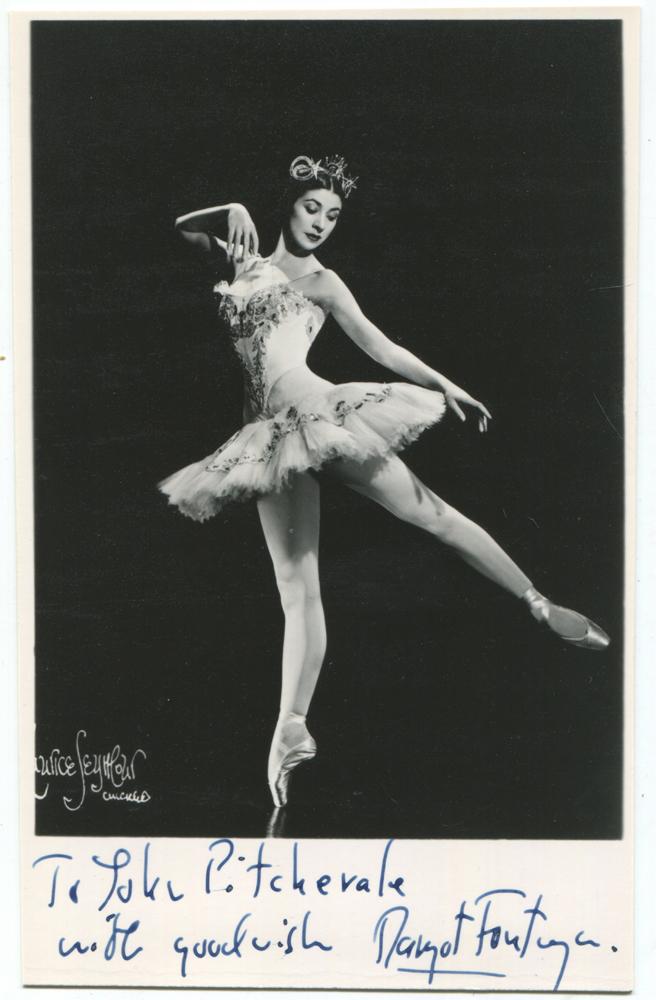
Dance memorabilia becomes especially powerful when it connects to a known dancer: a signed photograph, a worn pair of shoes, a costume piece, a program from a historic performance, a letter, a rehearsal note, or a piece of choreography notation. These objects help anchor an art form that is famously difficult to preserve. Dance happens in motion. It lives in bodies, rhythm, timing, breath, and space. Then the performance ends.

Artifacts give us something to hold onto.

For collectors, famous dancer memorabilia sits at the intersection of performance history, celebrity culture, costume, photography, theater ephemera, and personal devotion. But it also requires care. The more famous the name, the more important provenance becomes. A real artifact connected to a major dancer can be fascinating. A vague “said to be” claim can be risky.

This post explores why famous dancer artifacts matter, what kinds of items collectors look for, and how to evaluate them with both excitement and caution.

Continue reading “Famous Dancers and Their Artifacts”

Social Dance and Dance Halls

Some dance history lives on grand stages, under theatrical lights, with printed programs and named choreographers. But some of the richest dance history happened in crowded rooms where ordinary people came to move together.

Dance halls, ballrooms, fraternal lodges, hotel salons, school gyms, supper clubs, community centers, and rented halls all helped shape the social life of their time. They were places to court, celebrate, show off, learn new steps, hear the latest music, and become part of a crowd—if only for one evening.

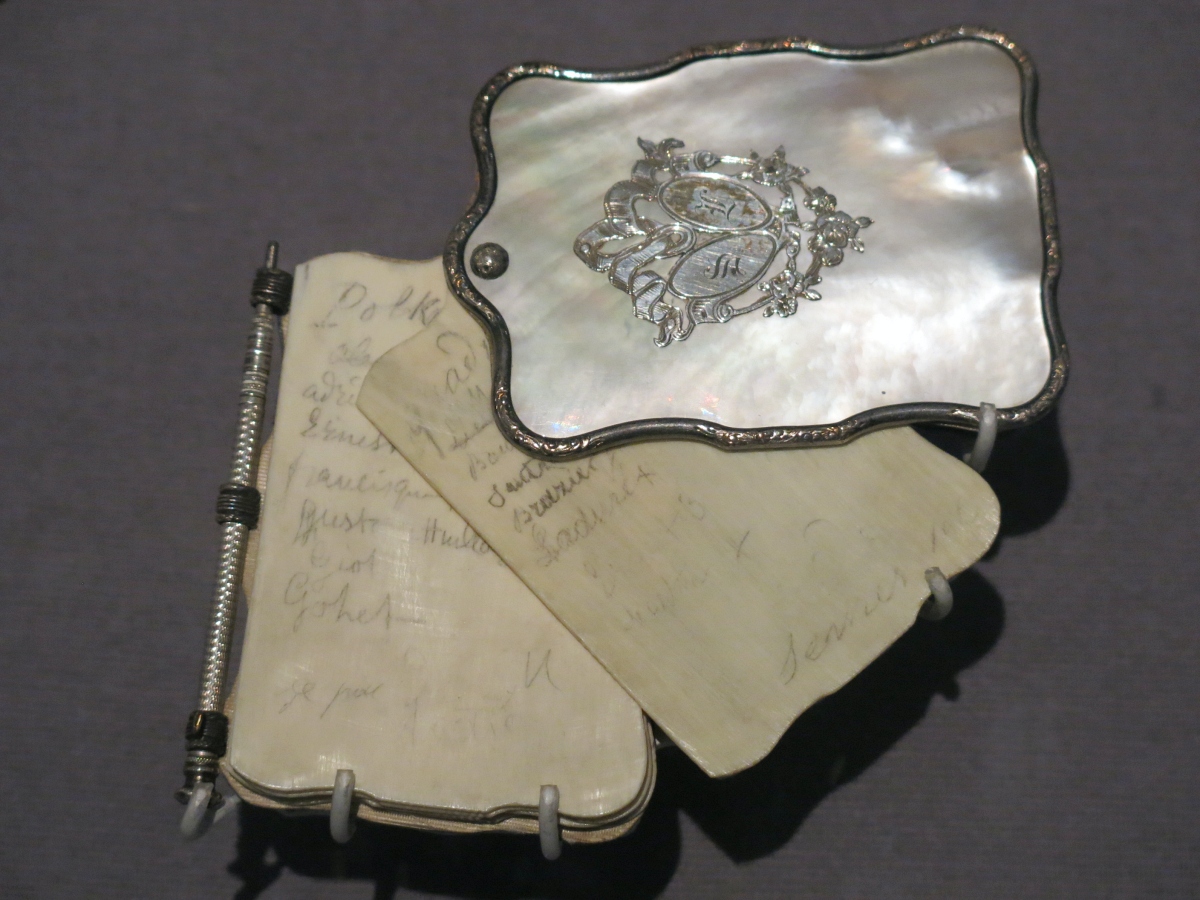
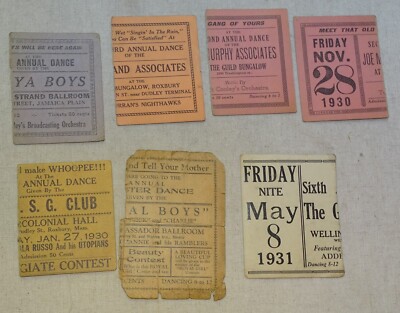
For collectors, social dance memorabilia has a special kind of charm. It is often humble: a dance card, a ticket stub, a photograph, a program, a piece of sheet music, a club badge, or an advertising handbill. But these pieces capture something wonderfully human. They preserve not only dance as performance, but dance as social life.

Continue reading “Social Dance and Dance Halls”

Broadway and Musical Theater Memorablilia

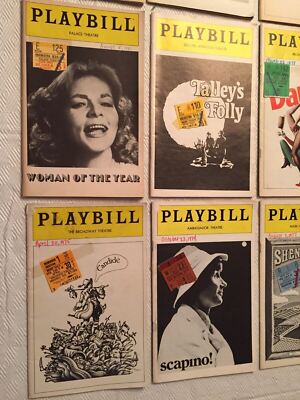
Broadway and musical theater memorabilia has a special kind of electricity. A program is not just a program. A ticket stub is not just a scrap of paper. A window card is not just a poster. These objects are reminders of a specific night, a specific seat, a specific cast, and that brief moment when the lights dimmed and a roomful of people leaned forward together.

Unlike many collectibles, theater memorabilia is tied to something that disappears as soon as it happens. A performance lives in memory, but the objects around it—the Playbill, the souvenir brochure, the cast recording, the signed photo, the lobby card—help keep it present.

For collectors, Broadway and musical theater memorabilia offers a rich mix of design, performance history, celebrity culture, music, nostalgia, and personal memory. Whether you collect major Broadway productions, national tours, regional theater, or one beloved musical from your childhood, these pieces help preserve the magic of the stage long after the curtain falls.

Continue reading “Broadway and Musical Theater Memorablilia”

Ballet and Classical Dance Souvenirs

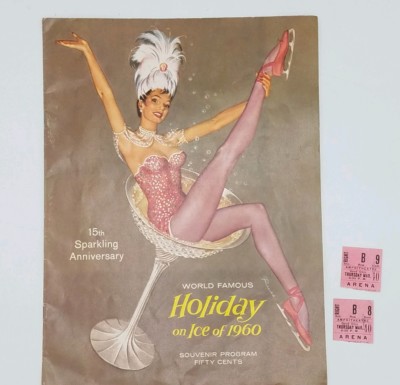
Ballet has a way of making objects feel more delicate than they are. A program tucked into a drawer. A ticket stub from a holiday performance. A postcard of a principal dancer frozen mid-pose. A pair of pointe shoes, softened and worn, signed after a performance. These are not the dance itself—the dance is gone the moment it happens—but they are the traces it leaves behind.

That is what makes ballet and classical dance souvenirs so appealing to collectors. They preserve a little piece of an art form built on motion, discipline, music, costume, and memory. Whether the object comes from a grand opera house, a local recital, a touring company, or a famous production, it helps tell the story of how people experienced dance—not only on stage, but as fans, students, families, and devoted audience members.

Continue reading “Ballet and Classical Dance Souvenirs”

©2025 Dear June Collectibles. All Rights Reserved.

Oh hi there 👋
It’s nice to meet you.

Sign up to receive awesome content in your inbox, every Friday morning.

(If you register as a user, you can comment on posts AND subscribe to the newsletter...two birds one stone)

We don’t spam! Read our Privacy Policy for more info.