Threads of Tradition

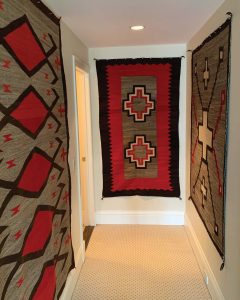
A Navajo (Diné) textile can feel like two things at once: deeply rooted and completely alive. Rooted, because the weaving carries generations of knowledge—how to build a dense cloth, how to shape a design with geometry, how to balance color so it reads across a room. Alive, because Diné weavers are still creating today, still innovating, still making textiles that speak to their time as well as their tradition.

That’s why collecting Navajo textiles is different from collecting many other antique categories. You’re not just buying an old object. You’re engaging with a living artistic practice—one that has moved through changing materials, changing markets, and changing audiences without losing its identity.

This wrap-up post is about the “threads” that tie the whole story together: craft, trade, adaptation, and respectful stewardship. Whether you’re a dedicated textile collector or someone who has just inherited a weaving and wants to do right by it, consider this your collector’s compass.

Continue reading “Threads of Tradition”
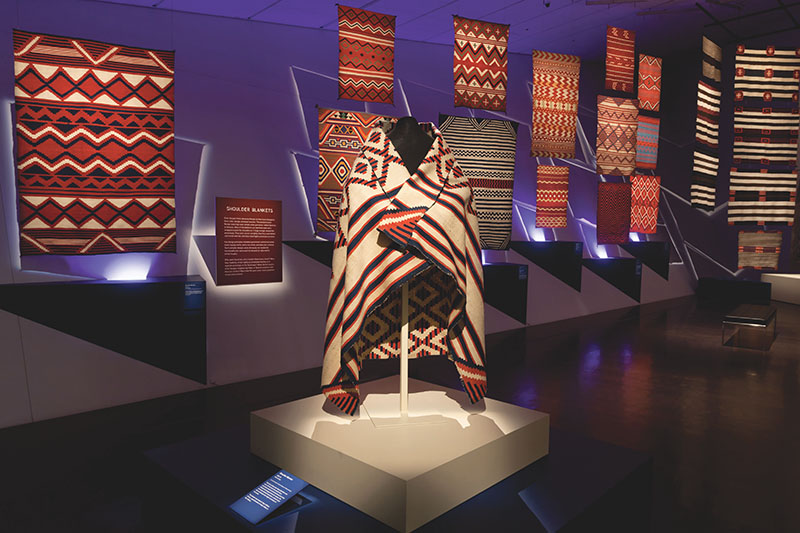
Preservation and Cultural Respect

Navajo (Diné) textiles can stop you in your tracks—bold geometry, confident color, and a woven structure that feels both artistic and deeply intentional. But once you own one (or even if you’re simply thinking about collecting), a bigger question comes up quickly:

How do you care for a Diné textile in a way that protects the material and respects the living culture it comes from?

This category is different from many antiques. These weavings are not only historical objects; they’re part of an ongoing artistic tradition. Some pieces were made for trade and sale, some were made for use within community life, and some may carry meanings that aren’t meant to be treated as décor. Collecting responsibly means learning both sides: the practical preservation that keeps fibers stable, and the cultural respect that keeps your collecting grounded and ethical.

This post is a collector-friendly guide to both—so you can steward these textiles thoughtfully, whether you’re keeping a family piece, buying at estate sales, or building a serious collection.

Continue reading “Preservation and Cultural Respect”

Rugs Vs Blankets- A Changing Market

If you’re new to Navajo (Diné) textiles, one of the first confusing things you’ll hear is people using the words “blanket” and “rug” almost interchangeably. Sometimes that’s harmless shorthand. Other times it changes the whole story of a piece—because a textile made to be worn and a textile made to be used on the floor aren’t just different in function. They reflect different markets, different buyer expectations, and in many cases different design decisions.

This post is about that shift. Not to reduce Diné weaving to “what sold,” but to explain how economic change, trading posts, tourism, and outside demand helped reshape what was made—and how we talk about it today. Understanding the difference between rugs and blankets helps collectors describe pieces more accurately, spot clues in structure and proportions, and build collections that honor the textiles as both art and cultural work.

Continue reading “Rugs Vs Blankets- A Changing Market”

Chief’s Blankets and Trading Posts

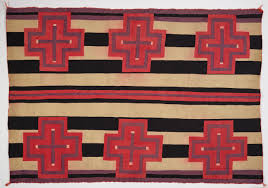
If you spend any time around Navajo (Diné) textiles, you’ll hear the phrase “Chief’s blanket” spoken with a kind of reverence. These are the pieces collectors point to when they want to explain why Diné weaving became one of the most admired textile traditions in North America: dense, even weaving; confident, graphic design; and a history shaped by trade, value, and changing markets.

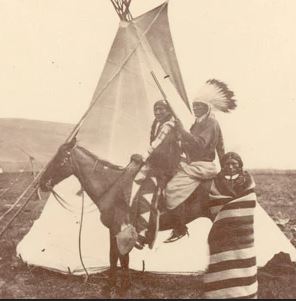
But the phrase “Chief’s blanket” can also be misleading if it isn’t explained. These textiles weren’t made only for chiefs, and Diné society didn’t function with the same centralized “chief” leadership structure found in some Plains communities. The label is largely a trader/collector term—one that grew out of the blankets’ high status and their popularity in intertribal trade.

In this post, we’ll do two things: first, break down what “Chief’s blankets” are and how collectors typically understand their major style phases; and second, explain how trading posts helped reshape the Navajo textile market—affecting materials, designs, and the shift from wearing blankets toward rugs in the late 19th and early 20th centuries.

Continue reading “Chief’s Blankets and Trading Posts”

The Art of Navajo Weaving

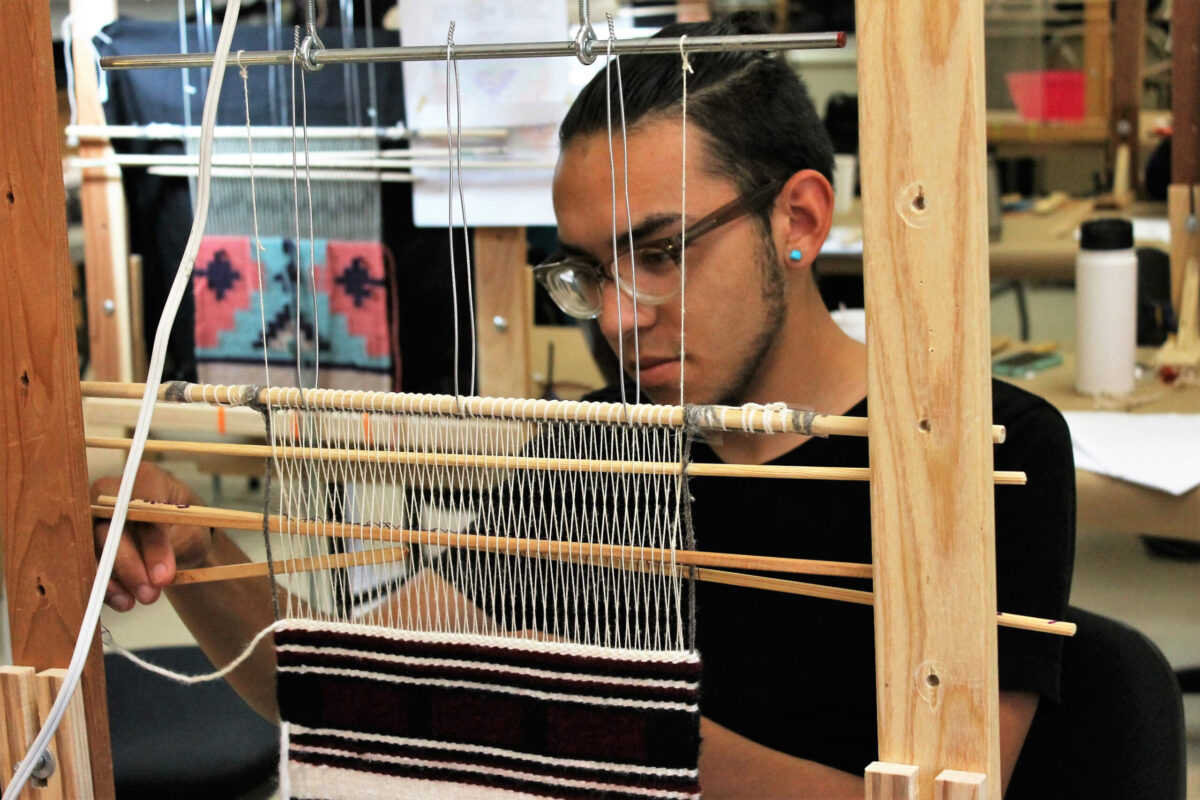
If you’ve ever seen a Navajo (Diné) textile in person, you know the feeling: the design reads bold from across a room, but the closer you get, the more you notice—tight, even weaving; deliberate color choices; clean edges; and a sense of balance that feels both artistic and intentional. These aren’t just “blankets” in the casual sense. They’re textiles shaped by skill, tradition, adaptation, and a deep visual language that has continued—generation after generation—into the present.

For collectors, Navajo weaving sits in a special place. It can be an heirloom, a work of art, a historical document, and a living tradition all at once. That means the most rewarding way to learn it is not just by chasing patterns or dates, but by understanding the craft itself: what makes these textiles structurally distinct, how they’re made, what materials matter, and why design choices look the way they do.

This post is an introduction to the art of Navajo weaving—how it works, what it’s made from, and how to approach it with the curiosity and respect it deserves.

Continue reading “The Art of Navajo Weaving”

©2025 Dear June Collectibles. All Rights Reserved.

Oh hi there 👋
It’s nice to meet you.

Sign up to receive awesome content in your inbox, every Friday morning.

(If you register as a user, you can comment on posts AND subscribe to the newsletter...two birds one stone)

We don’t spam! Read our Privacy Policy for more info.