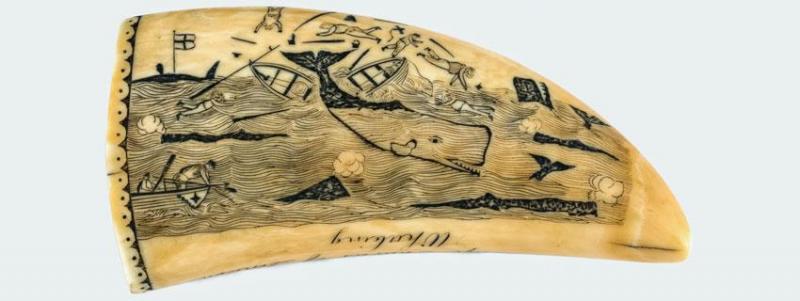
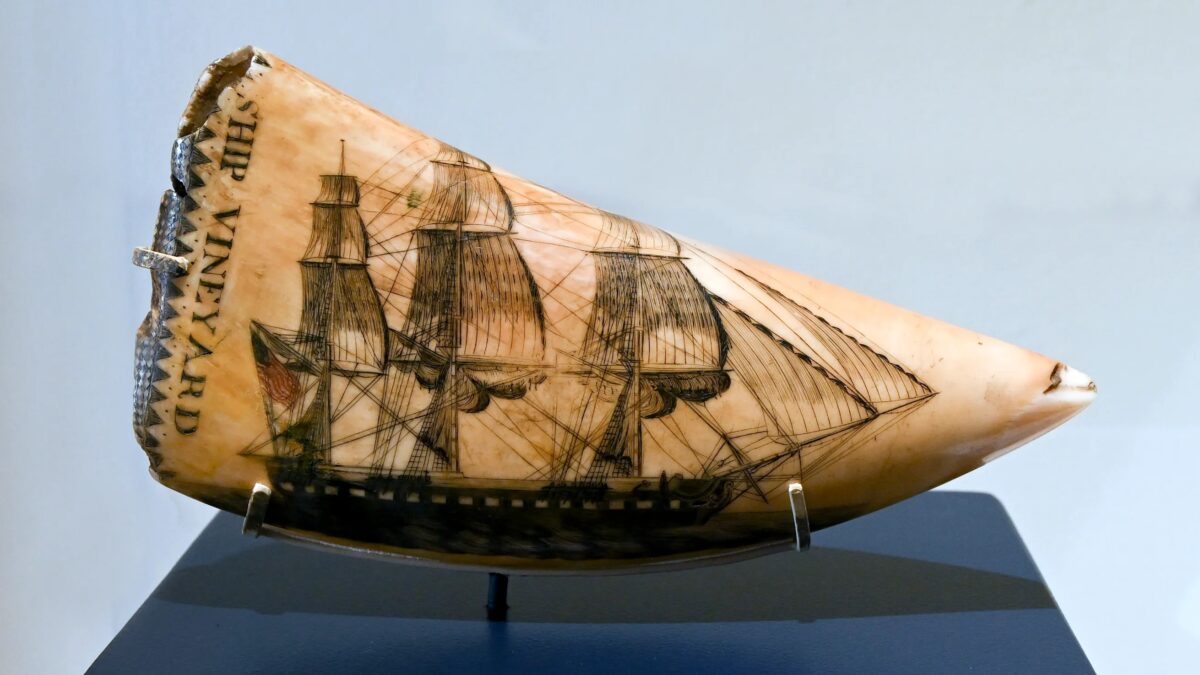
Scrimshaws: A Window into Maritime Life

Scrimshaw is often introduced as “whalers’ folk art,” but that phrase can be almost too neat. These pieces weren’t made in calm studios with clean tools and steady light. They were made on working ships—on voyages that could last years—by people who lived in cramped quarters, ate what the ship could carry, and learned to measure time by watches, weather, and the next sighting.

That’s why scrimshaw has such pull for collectors. Yes, it’s beautiful. Yes, it’s skilled. But more than that, it’s intimate. The best scrimshaw pieces feel like small, portable diaries: ships and whales, distant ports, sweethearts, jokes, prayers, flags, flowers, and symbols that meant something to the person who cut them into ivory or bone.

This post looks at scrimshaw as a kind of primary-source snapshot—what it can tell us about shipboard work, emotion, travel, identity, and the everyday texture of maritime life.

Continue reading “Scrimshaws: A Window into Maritime Life”
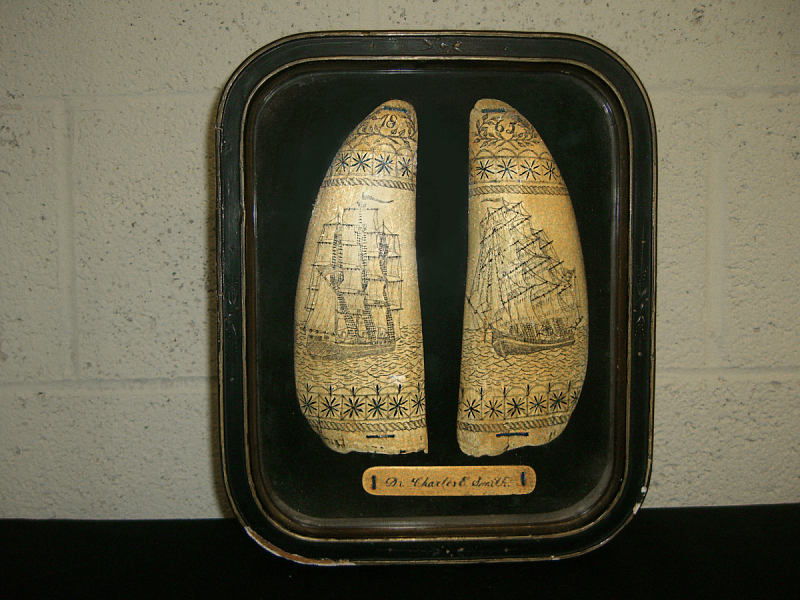
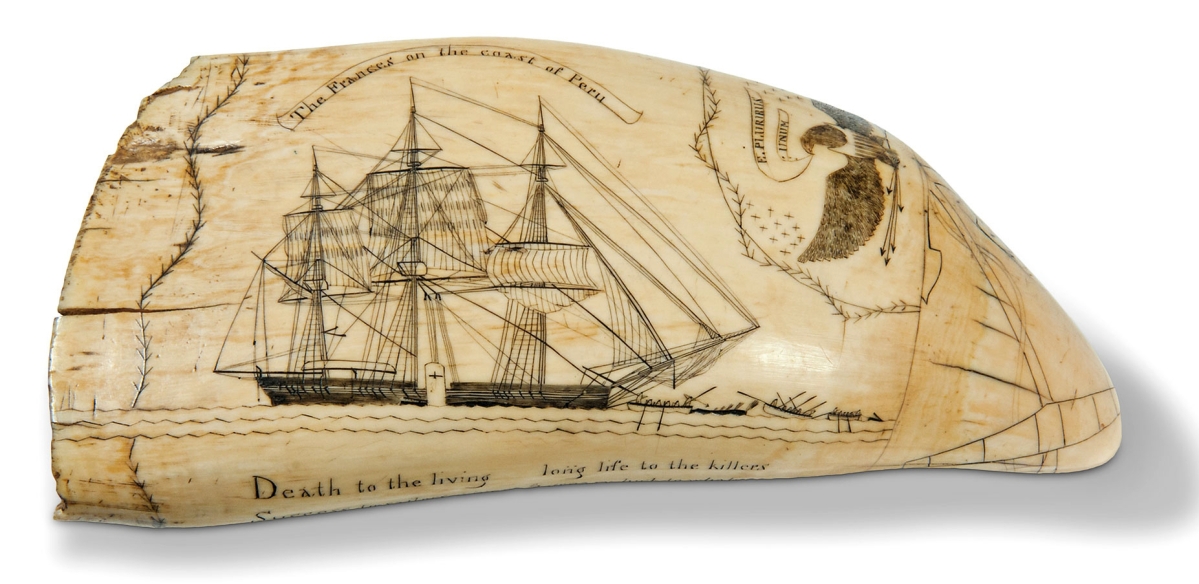
Scrimshaws: Fakes, Reproductions, and Care

Scrimshaw has a special kind of magnetism for collectors. It’s maritime folk art you can hold in your hand—engraved lines, patient shading, and images that feel like they came straight off the deck of a whaleship.

That appeal is exactly why scrimshaw is also a category where you need a sharper collector’s eye. For well over a century, scrimshaw has been copied, reinterpreted, “improved,” and outright faked. Some reproductions are honestly sold as decorative pieces. Others are made to look older, rarer, or more valuable than they really are. And even when a piece is authentic, scrimshaw materials can be sensitive to light, oils, and improper cleaning.

This post is your practical, collector-friendly guide to three things:

  1. the most common types of scrimshaw fakes and reproductions you’ll encounter,
  2. what to look for when evaluating authenticity, and
  3. how to care for scrimshaw so it stays stable and display-ready.
Continue reading “Scrimshaws: Fakes, Reproductions, and Care”

Scrimshaw Themes and Imagery

One of the most captivating things about scrimshaw is that it’s rarely “just decoration.” These pieces were made by people who lived at sea for months—or years—at a time, and the images they chose often reveal what they missed, what they feared, what they admired, and what they wanted to remember.

Collectors sometimes fall in love with scrimshaw for the craftsmanship first: the fine lines, the patient shading, the way pigment settles into a cut so clean it still reads centuries later. But the real hook is the imagery. Scrimshaw is storytelling—sometimes documentary, sometimes romantic, sometimes symbolic, and sometimes surprisingly whimsical.

This post explores the most common themes you’ll see in traditional scrimshaw, what those images may have meant to the sailors who carved them, and how collectors can “read” a piece with more confidence.

Continue reading “Scrimshaw Themes and Imagery”

Scrimshaw Materials and Techniques

Scrimshaw is one of those collectible worlds where the “how” matters just as much as the “what.” A carved tooth isn’t only about the scene on the surface—it’s also about the material beneath it, the tools that made the lines, and the shipboard ingenuity that turned whaling byproducts into folk art.

For collectors, learning materials and techniques pays off in three ways. First, it helps you appreciate what you’re holding (scrimshaw is often more labor-intensive than it looks). Second, it helps you describe pieces accurately. And third, it gives you a sharper eye when you’re comparing examples—because different materials age differently, and different techniques leave different “handwriting” in the lines.

This post is a tour of the traditional scrimshaw maker’s toolkit: what whalers used, how they prepared the surface, how they transferred designs, and how they got those dark lines to pop against ivory and bone.

Continue reading “Scrimshaw Materials and Techniques”

Whalers and the Birth of Scrimshaw

Picture this: It’s the 1840s, and you’re a crewman on a whaling ship in the middle of the Pacific. The thrill of the last whale chase has faded, and now endless weeks stretch on with no whales in sight. The days are long, the nights even longer, and boredom bites harder than the ocean wind. What do you do to keep sane? If you’re like many whalers of the time, you pull out a spare whale tooth or a piece of bone and start carving – whittling away until an image, a design, something – begins to take shape. In those idle hours, a unique art form was born.

That art form is scrimshaw – the engravings and carvings that whalers etched onto whale ivory and bone during long sea voyages. Scrimshaw started as a shipboard pastime in the late 18th and early 19th centuries, turning the tedium of months at sea into creative output. In this post, we’ll explore how scrimshaw came to be, what materials and tools made it possible, and the role these carved treasures played in maritime culture. By the end, you might just see that humble whale’s tooth in a whole new light.

Continue reading “Whalers and the Birth of Scrimshaw”

©2025 Dear June Collectibles. All Rights Reserved.

Oh hi there 👋
It’s nice to meet you.

Sign up to receive awesome content in your inbox, every Friday morning.

(If you register as a user, you can comment on posts AND subscribe to the newsletter...two birds one stone)

We don’t spam! Read our Privacy Policy for more info.