East Meets West in Ceramics

Chinese export porcelain is one of the most beautiful reminders that collecting is rarely about one culture standing still. These pieces were born from movement: merchants ordering goods, ships carrying cargo, Western households changing their table settings, and Chinese workshops adapting designs for buyers whose customs, dining habits, and symbols were often very different from their own.

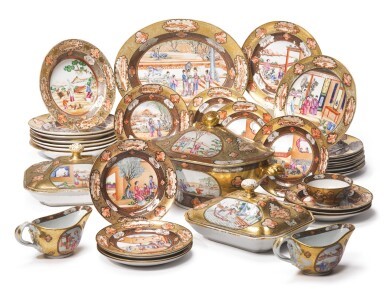
That is what makes Chinese export porcelain so fascinating. It is not simply “Chinese porcelain in the West.” It is a ceramic conversation. The clay body, glaze, and painting skill came from China. The forms, family crests, dining rituals, and some decorative requests often came from Europe and America. The finished piece sits between worlds.

For collectors, that blend is the heart of the category. A plate, punch bowl, tea cup, or sauceboat can reveal how trade changed taste—and how ceramics became one of the most enduring places where East met West.

Continue reading “East Meets West in Ceramics”
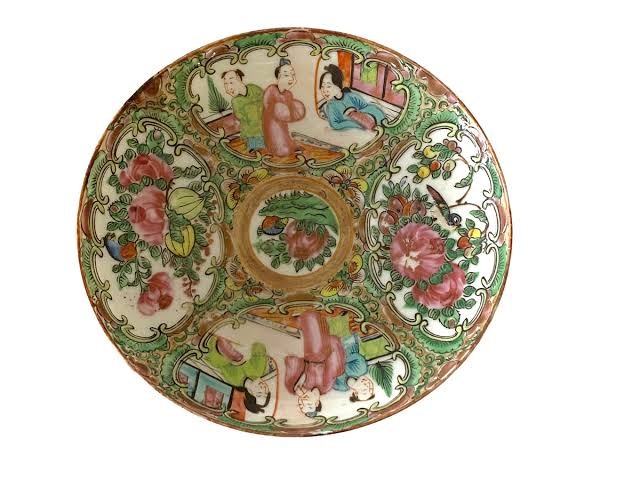
Preservation and Market Trends

Chinese export porcelain is one of those collecting categories where beauty and fragility live side by side. A plate may have survived a sea voyage, a family dining room, several estate moves, and a century in a cabinet—but one careless cleaning session or unstable display shelf can still do damage in a moment.

That is why preservation matters so much. Chinese export porcelain was made to be admired and often used, but collectors today are usually caring for pieces that are centuries old or at least historically meaningful. The goal is not to make every plate or bowl look brand new. The goal is to protect the surface, respect the history, and understand how condition affects both value and collectibility.

This post looks at two sides of the modern Chinese export porcelain world: how to preserve these pieces safely, and how today’s collectors think about condition, restoration, rarity, and market appeal.

Continue reading “Preservation and Market Trends”

Porcelain in American Market

Chinese export porcelain has a particular charm in American collecting because it tells two stories at once. One story belongs to China: skilled potters, painters, kilns, trade networks, and generations of ceramic knowledge. The other belongs to America: port cities, tea tables, merchant families, shipping fortunes, household display, and the desire to own something refined from half a world away.

For American buyers, Chinese porcelain was never just a dish. It could signal taste, prosperity, global awareness, and participation in a growing consumer world. A tea bowl, punch bowl, platter, or dinner plate might have crossed oceans before arriving in a parlor, dining room, tavern, or merchant home. Today, those same pieces help collectors trace how global trade entered everyday American life—one table setting at a time.

Continue reading “Porcelain in American Market”

Patterns and Styles

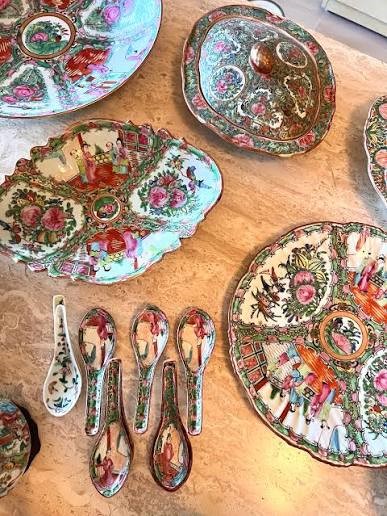
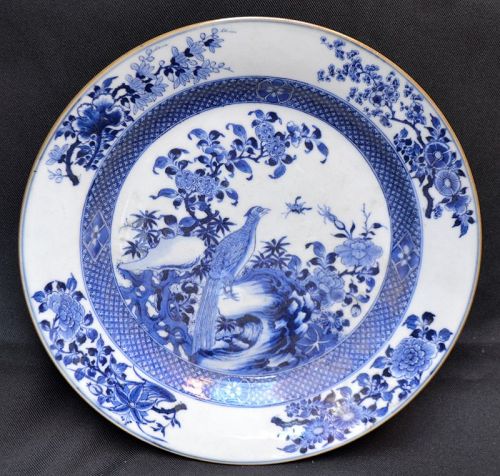
Chinese export porcelain is one of those collecting categories where the more you look, the more you see. At first, a plate may simply look “blue and white” or “covered in flowers.” Then the details begin to separate: a border style, a landscape scene, a family crest, a rose-colored enamel, a figural panel, a pagoda, a fence, a riverbank, a bird, a medallion.

Patterns and styles are the language of Chinese export porcelain. They help collectors describe pieces, compare examples, and understand how Chinese workshops adapted their artistry for Western buyers. Some designs were rooted in Chinese decorative traditions. Others were shaped by European and American taste. Many sit somewhere in between—a visual conversation across oceans.

This post introduces the major pattern and style families collectors are likely to encounter, along with practical tips for looking at decoration, color palettes, and condition.

Continue reading “Patterns and Styles”

The Early Trade-Porcelain for the Western World

Chinese export porcelain has a special kind of magic for collectors. It is beautiful, yes—but it is also evidence of movement: ships crossing oceans, merchants negotiating in unfamiliar ports, dining habits changing in European and American homes, and Chinese artisans adapting their work for buyers they would likely never meet.

Before porcelain became common on Western tables, it was a luxury object. It was admired for qualities that seemed almost impossible: a hard, white body; a smooth glaze; fine painted decoration; and a delicacy that still managed to be durable. To European buyers, Chinese porcelain was unlike the earthenware and stoneware they already knew. It looked refined, exotic, and technically astonishing.

This first post in our Chinese Export Porcelain series looks at the early trade—how porcelain moved from China into Western markets, why it became so desirable, and what collectors can look for when studying early export pieces.

Continue reading “The Early Trade-Porcelain for the Western World”

©2025 Dear June Collectibles. All Rights Reserved.

Oh hi there 👋
It’s nice to meet you.

Sign up to receive awesome content in your inbox, every Friday morning.

(If you register as a user, you can comment on posts AND subscribe to the newsletter...two birds one stone)

We don’t spam! Read our Privacy Policy for more info.