Love in Paper Form

Valentines are easy to underestimate. They are small, light, and often made from the most fragile materials: thin paper, lace borders, glue, ribbon, tissue, glitter, and ink. But for collectors, that fragility is exactly what makes them powerful. A valentine survives because someone saved it. Someone tucked it into a drawer, pressed it in an album, kept it with letters, or left it in a box long enough for a future collector to unfold the story.

Over this series, we’ve followed valentines from handwritten notes to printed lace, from Victorian mechanical cards to vinegar valentines, and from early commercial designs to 20th-century classroom exchanges. This final post steps back and asks why these little paper objects still matter.

Because in the end, valentines are more than decorations. They are love, humor, rejection, memory, and social history—preserved in paper form.

Continue reading “Love in Paper Form”
20th Century and Commercial Popularity

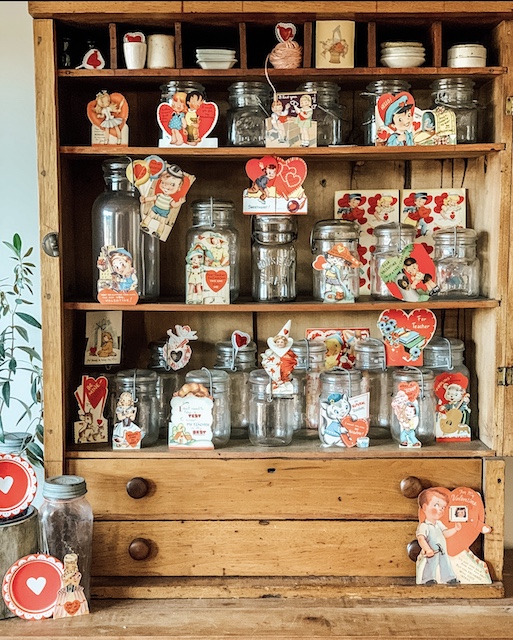
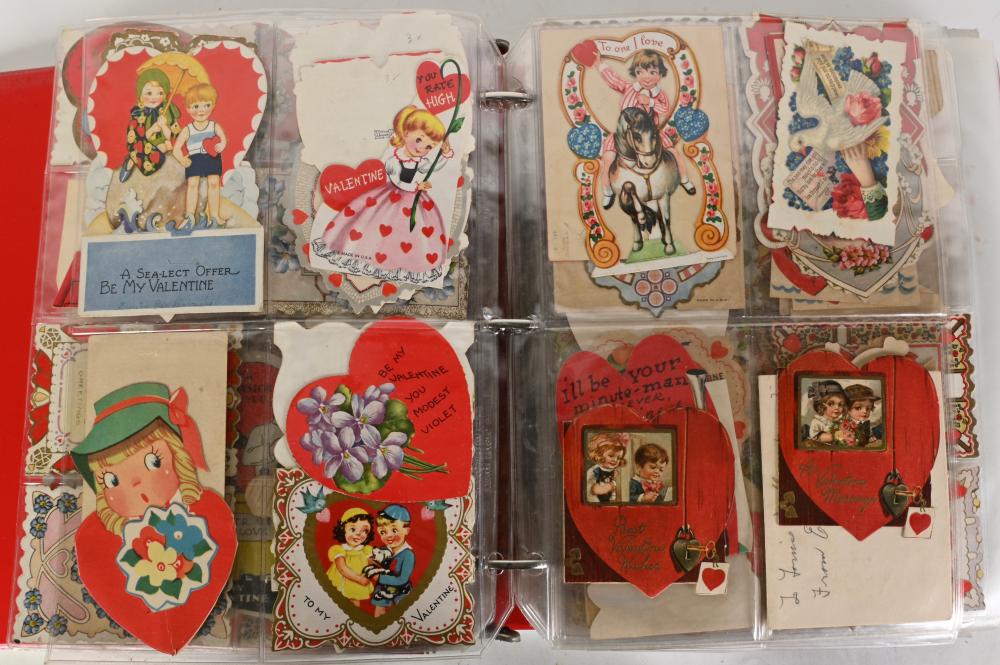
By the 20th century, the Valentine had already lived many lives. It had been a handwritten love note, a folded puzzle, a lace-paper keepsake, a mechanical surprise, and even a sharp-tongued insult. But in the 1900s, valentines became something even more familiar to modern collectors: a commercial holiday tradition.

This is the era of postcard valentines, drugstore displays, boxed classroom exchanges, die-cut children’s cards, glossy greeting cards, and designs that moved from romantic courtship into friendship, family, humor, and nostalgia. For collectors, 20th-century valentines are especially rewarding because they are often affordable, highly visual, and full of everyday memory. They are the cards many people remember from childhood—and the ones that still turn up in scrapbooks, estate boxes, school keepsakes, and old desk drawers.

This post looks at how valentines became commercially popular in the 20th century, what styles collectors recognize, and how to evaluate these cheerful little pieces of paper history.

Continue reading “20th Century and Commercial Popularity”

Vinegar Valentines—The Mean Side of Love

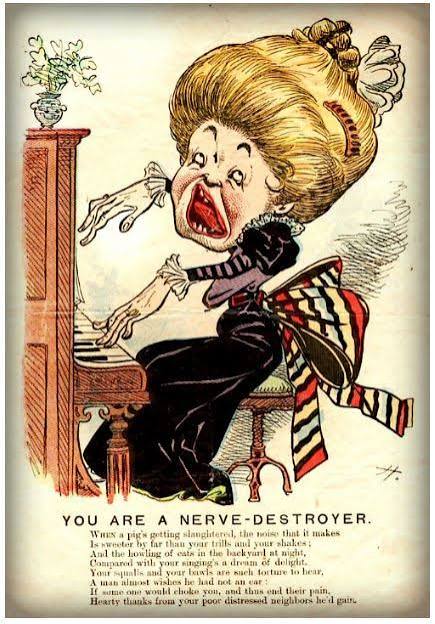
Not every valentine was sweet. For every lace-paper card covered in cupids, flowers, and trembling declarations of affection, there was another kind of Valentine’s Day message waiting in the 19th-century mail: sharp, sarcastic, and sometimes downright cruel.

These were the cards collectors now often call vinegar valentines—cheaply printed insult cards that mocked the recipient’s appearance, habits, job, romantic hopes, or social behavior. They were the opposite of sentimental valentines. Instead of “Be mine,” they said, in effect, “Please go away.”

Today, vinegar valentines are fascinating pieces of paper ephemera because they show us the less polished side of Valentine history. They are funny in a dark way, uncomfortable in places, and deeply revealing about the humor, prejudices, and social tensions of their time.

Continue reading “Vinegar Valentines—The Mean Side of Love”

Victorian “Mechanical” Valentines

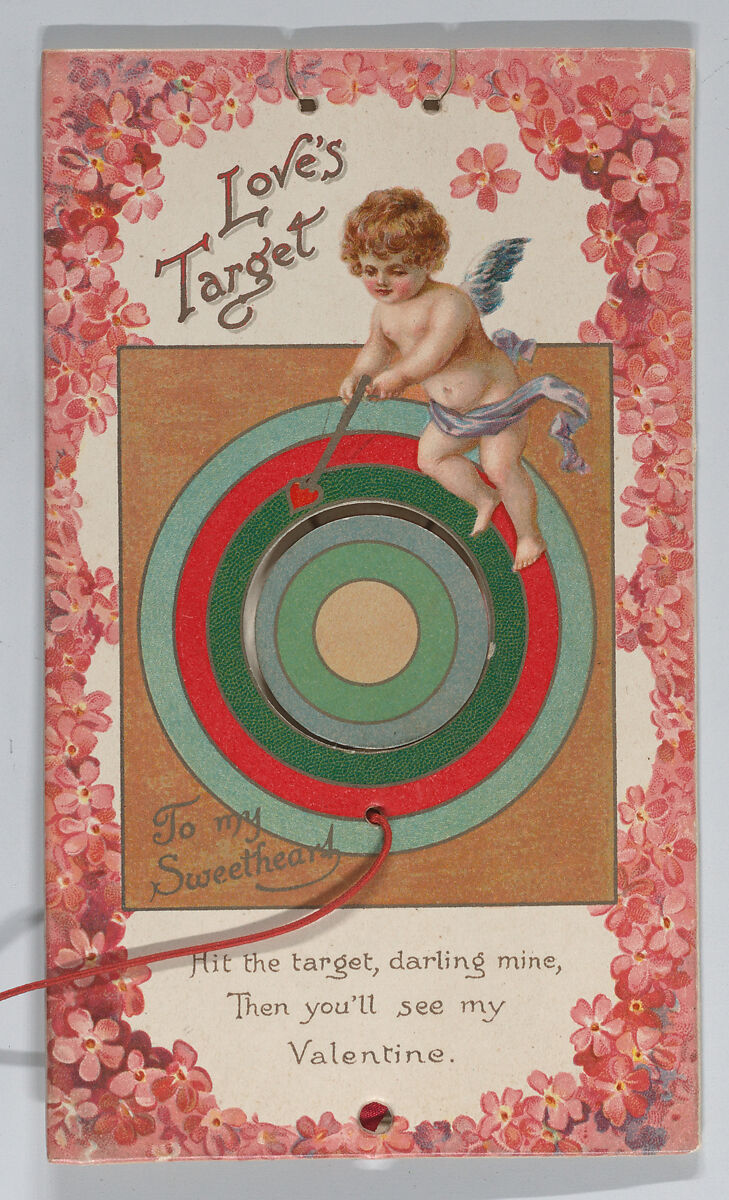
A flat Valentine card can be beautiful. But a Victorian “mechanical” valentine asks for something more: a touch, a pull, a lift, a little curiosity. It might open to reveal a hidden message, raise a paper figure into motion, unfold into layers of lace, or use a tiny tab to make a couple move closer together. These weren’t machines in the modern sense. They were paper engineering—romance with hinges, tabs, springs, layers, and surprises.

For collectors, Victorian mechanical valentines are some of the most charming and fragile pieces of paper ephemera. They combine sentiment, design, printing, hand assembly, and playful movement. They were made to delight the recipient for a few seconds, yet many have survived for well over a century because someone thought they were too special to throw away.

This second post in our Valentines series looks at the world of mechanical valentines: what they are, why Victorians loved them, how they were made, and what collectors should inspect before buying.

Continue reading “Victorian “Mechanical” Valentines”

From Handwritten Notes to Printed Lace

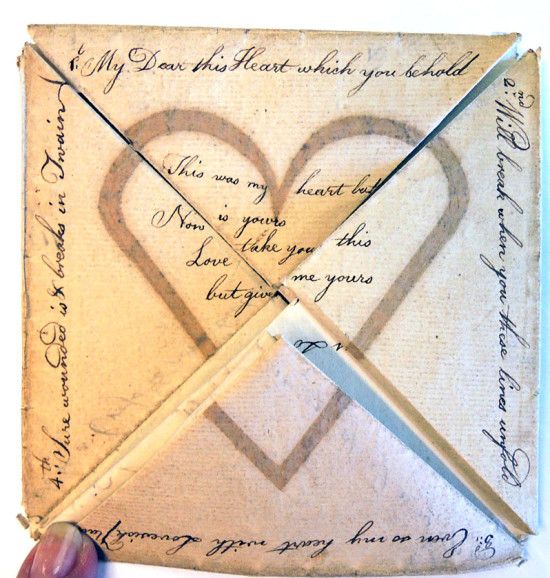
Before valentines became classroom exchanges, drugstore card racks, and heart-shaped boxes of chocolates, they were personal pieces of paper—sometimes handwritten, sometimes folded like puzzles, sometimes trimmed with lace, ribbons, and tiny scraps of printed color. That is what makes antique valentines so appealing to collectors: they are fragile, sentimental, and deeply human.

A Valentine card is not just paper. It is a message someone chose, bought, wrote, folded, sealed, saved, or tucked away. Some were romantic. Some were shy. Some were elaborate enough to feel like miniature stage sets. Others were simple, sincere notes written in ink and folded by hand.

This first post in our Valentines series looks at the journey from handwritten love tokens to printed lace-paper valentines—the foundation for the Victorian mechanical cards, vinegar valentines, and commercial favorites we’ll explore next.

Continue reading “From Handwritten Notes to Printed Lace”

©2025 Dear June Collectibles. All Rights Reserved.

Oh hi there 👋
It’s nice to meet you.

Sign up to receive awesome content in your inbox, every Friday morning.

(If you register as a user, you can comment on posts AND subscribe to the newsletter...two birds one stone)

We don’t spam! Read our Privacy Policy for more info.