From Field to Frame

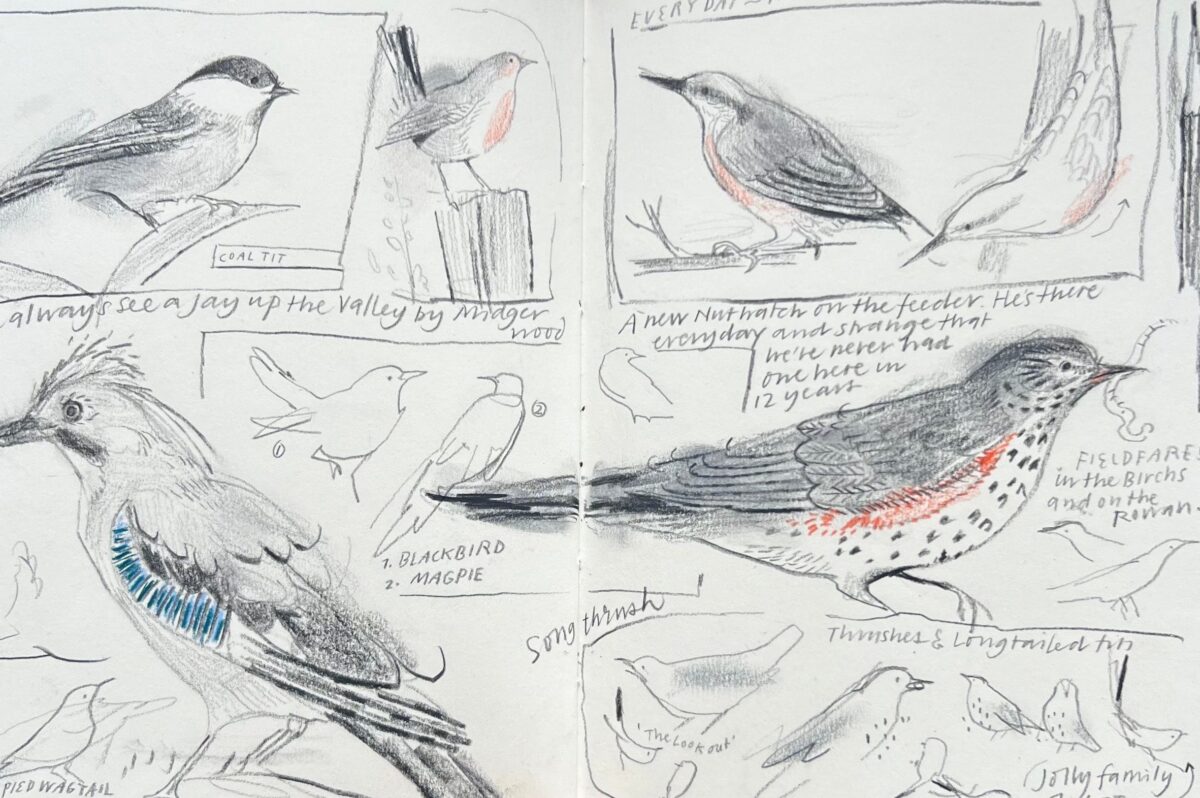
Wildlife prints begin long before they reach a wall. Before the mat board, the frame, the gallery label, or the antique mall booth, there is a much older moment: someone looking closely at a living creature. A bird in a marsh. A fox at the edge of a field. A trout pulled from a stream. A butterfly resting on a leaf.

That act of close observation is the heart of wildlife art. Whether the final piece is a hand-colored engraving, a field guide illustration, a duck stamp print, a modern limited edition, or a decorative reproduction, wildlife prints carry the same basic promise: they bring the natural world indoors while reminding us that someone first had to notice it.

For collectors, understanding that journey—from field to frame—makes wildlife prints more meaningful and easier to evaluate. You are not just buying a pretty bird or animal image. You are collecting observation, artistry, printing history, and the way people have chosen to live with nature on their walls.

Continue reading “From Field to Frame”
20th Century Wildlife Artists

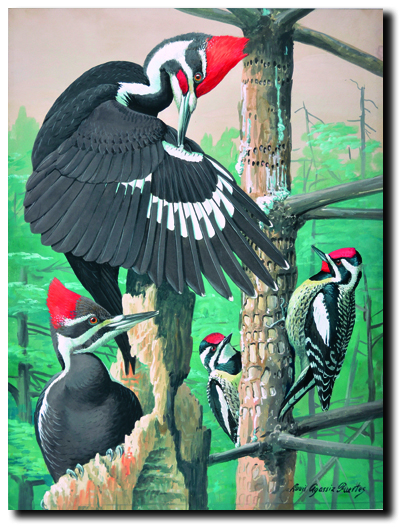
By the 20th century, wildlife art had changed dramatically. It was no longer only the world of grand natural history folios, engraved plates, and luxury books. Wildlife images appeared in field guides, museum dioramas, conservation posters, magazine illustrations, duck stamps, limited-edition prints, and home décor.

That shift matters for collectors. A 20th-century wildlife print may not have the age of an early Audubon-era engraving, but it can carry just as much cultural meaning. These works reflect a century when more people were birdwatching, visiting national parks, supporting conservation, decorating with nature themes, and learning to identify wildlife in the field.

In short, wildlife art moved from the rare book room into everyday life—and collectors are still following the trail.

Continue reading “20th Century Wildlife Artists”

John James Audobon and Early Wildlife Art

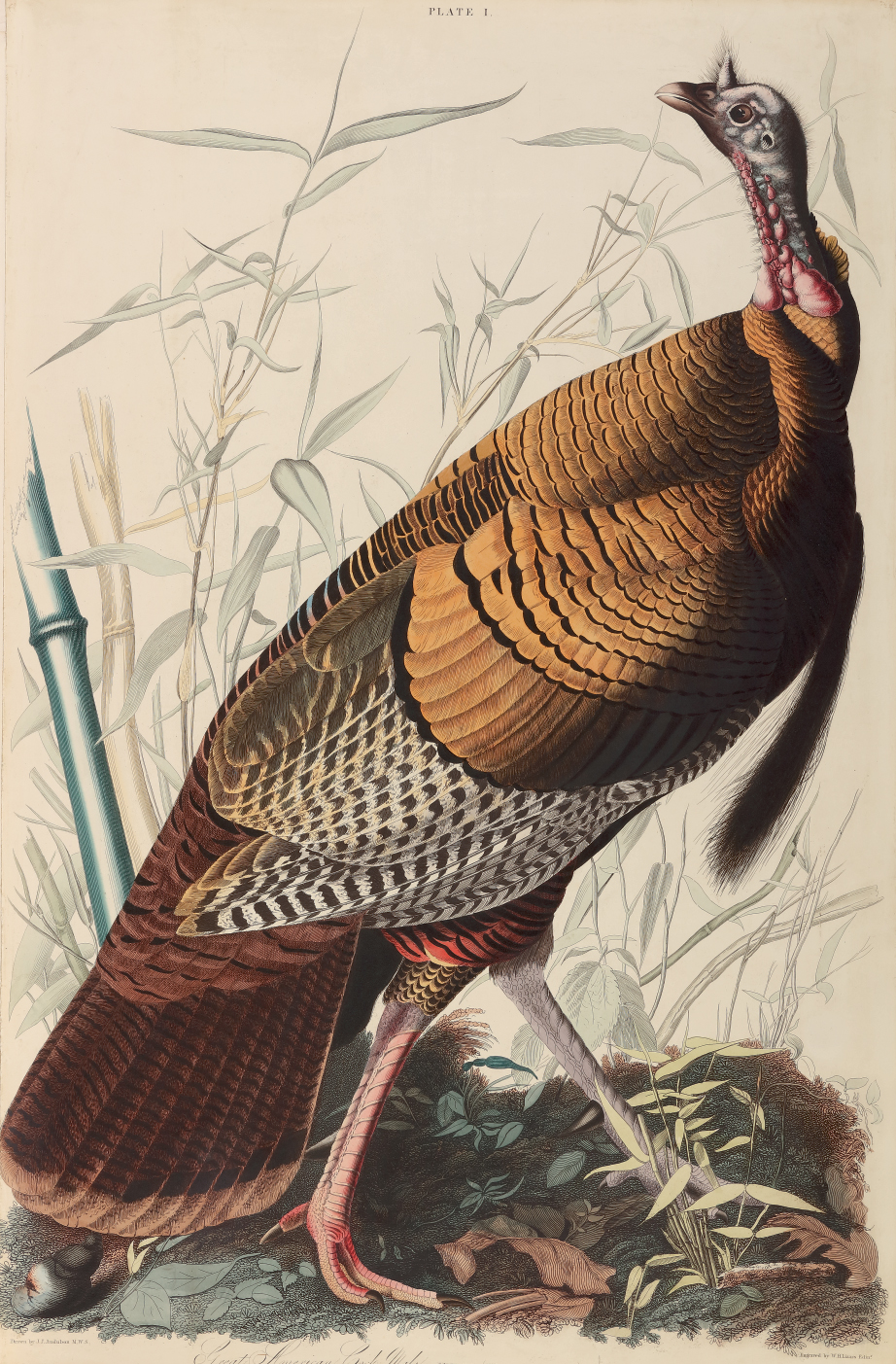
Wildlife prints have a special kind of pull for collectors. They are decorative, yes—but they are also records of curiosity. Long before photography made animal images easy to reproduce, artists and naturalists had to observe, sketch, describe, engrave, print, and hand-color the creatures they studied. A bird on a branch or a butterfly on a leaf was not just pretty wall art. It was a way of sharing knowledge.

In that world, few names loom larger than John James Audubon. His dramatic bird images helped shape how generations imagined American wildlife: full of motion, personality, and grandeur. But Audubon was not working in a vacuum. He belonged to a much longer tradition of natural history art—one that included explorers, engravers, botanists, ornithologists, publishers, and colorists who turned nature into prints collectors still admire today.

Continue reading “John James Audobon and Early Wildlife Art”

©2025 Dear June Collectibles. All Rights Reserved.

Oh hi there 👋
It’s nice to meet you.

Sign up to receive awesome content in your inbox, every Friday morning.

(If you register as a user, you can comment on posts AND subscribe to the newsletter...two birds one stone)

We don’t spam! Read our Privacy Policy for more info.