Porcelain Perfection

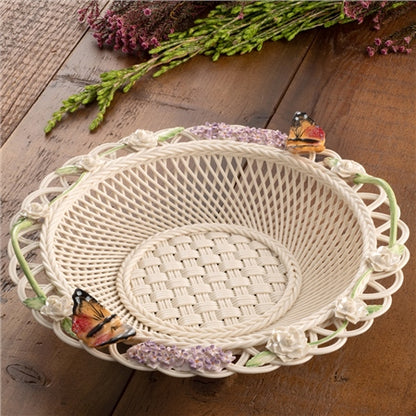
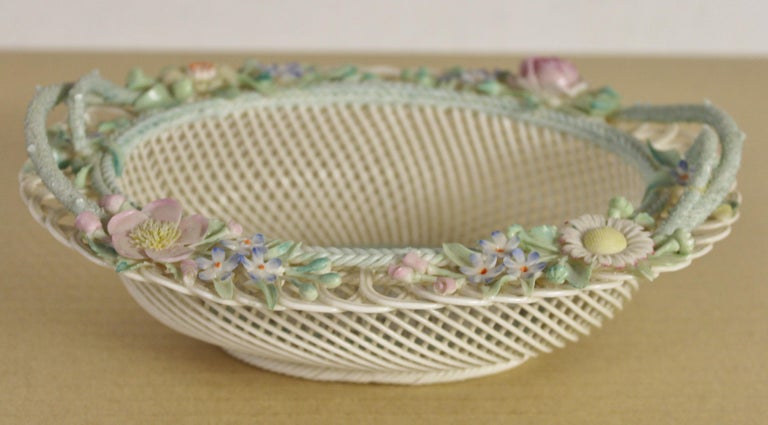
Belleek has a way of making ordinary moments feel a little more graceful. A cup that looks almost weightless in your hand. A basket rim so finely pierced you can see daylight through it. A soft, luminous white that doesn’t shout for attention—yet somehow becomes the first thing you notice.

Collectors talk about Belleek as “delicate,” but the deeper truth is that the best Belleek feels perfected: the porcelain body, the crispness of detail, the balance of form, and the finishing touches all working together. This post is about that idea of porcelain perfection—what it looks like in real pieces, how to evaluate it quickly, and how to care for it so it stays beautiful for the next generation of collectors.

Continue reading “Porcelain Perfection”
Belleek Beyond Ireland

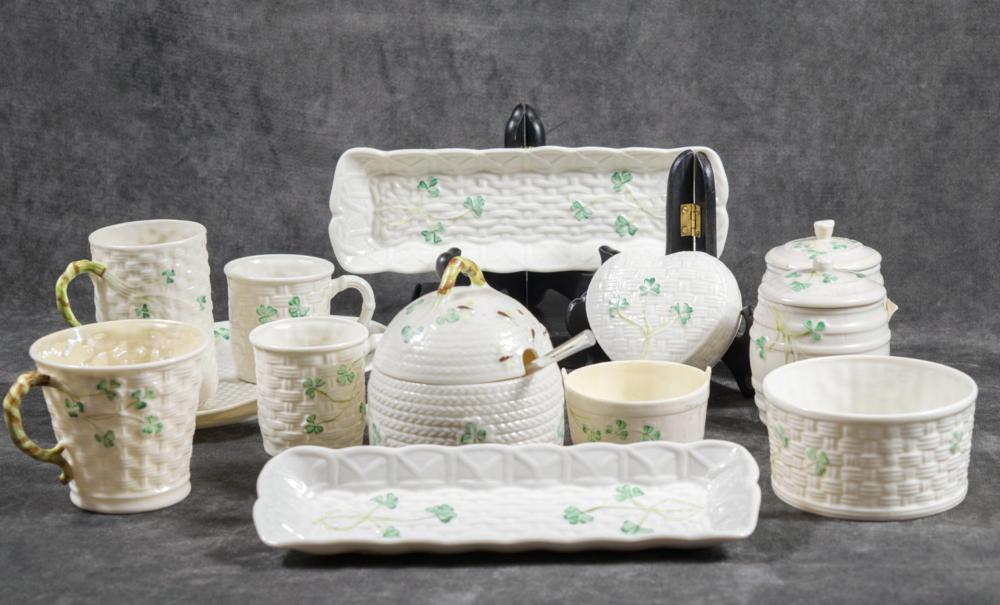
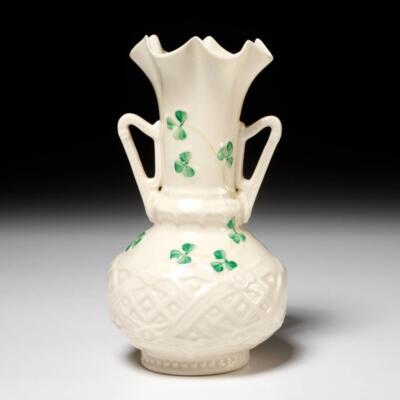
Belleek feels deeply Irish—shamrocks, harp handles, shell textures, and that unmistakable luminous white. And yet, one of the most fascinating things about collecting Belleek is how often you find it far from Ireland. A Belleek basket on a New Jersey sideboard. A shell-pattern cup tucked into a Canadian china cabinet. A shamrock vase sitting in an Australian estate lot like it’s always belonged there.

That global footprint isn’t an accident. From the start, Belleek was more than a local pottery. It was a brand of fine ware with international ambitions—made in a small village, but designed to travel. This post is about that journey: how Belleek spread beyond Ireland, how “Belleek” became a look that other makers imitated, and how collectors can shop smart when the name shows up in unexpected places.

Continue reading “Belleek Beyond Ireland”

Collecting Belleek-Rare Vs Common Pieces

Belleek has a funny way of doing this to collectors: you start with “just one little shamrock dish,” and suddenly you’re turning pieces over in antique booths like a professional—checking marks, scanning rims for tiny chips, and squinting at basket strands to see if they’ve been repaired. It’s not because Belleek is intimidating. It’s because Belleek is rewarding. The more you learn, the more you can tell—and the more confident you become separating truly scarce pieces from the ones that are simply popular.

So what actually makes Belleek “rare”? Is it age? A backstamp? A specific pattern? A basket with flowers? The answer is: sometimes all of the above—and sometimes none of them. In this post, we’ll break down a collector-friendly way to think about rarity versus commonality, so you can buy smarter, avoid “rare!” hype, and build a collection that feels intentional at any budget.

Continue reading “Collecting Belleek-Rare Vs Common Pieces”

Patterns and Themes

One of the joys of collecting Belleek is that it rewards both the “big picture” and the close-up glance. From across a room, you notice the glow—soft white porcelain that looks almost lit from within. Up close, you start to see why collectors get obsessed: tiny hand-painted shamrocks, shell ridges that catch the light, coral-like handles, basket strands so fine they look woven.

Belleek is often described as “delicate,” but the real collector magic is how many different looks Belleek can wear while still feeling unmistakably Belleek. This post is your field guide to the patterns and themes you’ll encounter most often—how to recognize them, how to describe them accurately, and how to use pattern knowledge to shop smarter.

Continue reading “Patterns and Themes”

The Birth of Belleek-Ireland’s Delicate Craft

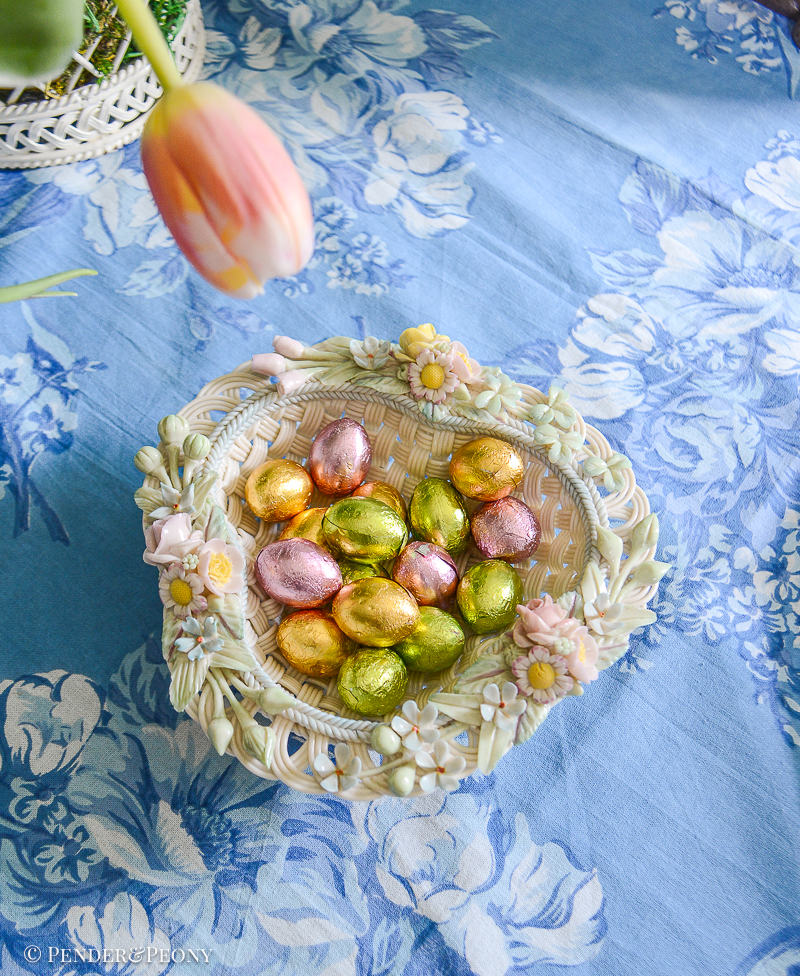
There are some porcelain makers you can recognize from across a room. Belleek is one of them. Even when it’s sitting quietly in a cabinet, it has a telltale look: a soft, luminous white; petals and leaves so thin they feel almost weightless; basket weave so fine you want to hold your breath while you handle it. Collectors often describe the best pieces as “delicate,” but that word doesn’t quite cover it—Belleek is delicate and confident, the kind of craft that makes you wonder how it was ever made to survive daily life.

Belleek’s story also has a very Irish beginning: a small village, a landscape rich in raw materials, and a post-famine need for local employment. Out of that mix came a pottery that would become internationally known for Parian porcelain—thin, refined, and often finished with a subtle, pearly sheen.

This post is the foundation for the entire Belleek series: how it started, what made it different from the beginning, and why the “birth story” still matters when you’re collecting today.

Continue reading “The Birth of Belleek-Ireland’s Delicate Craft”

©2025 Dear June Collectibles. All Rights Reserved.

Oh hi there 👋
It’s nice to meet you.

Sign up to receive awesome content in your inbox, every Friday morning.

(If you register as a user, you can comment on posts AND subscribe to the newsletter...two birds one stone)

We don’t spam! Read our Privacy Policy for more info.