Dialing into History

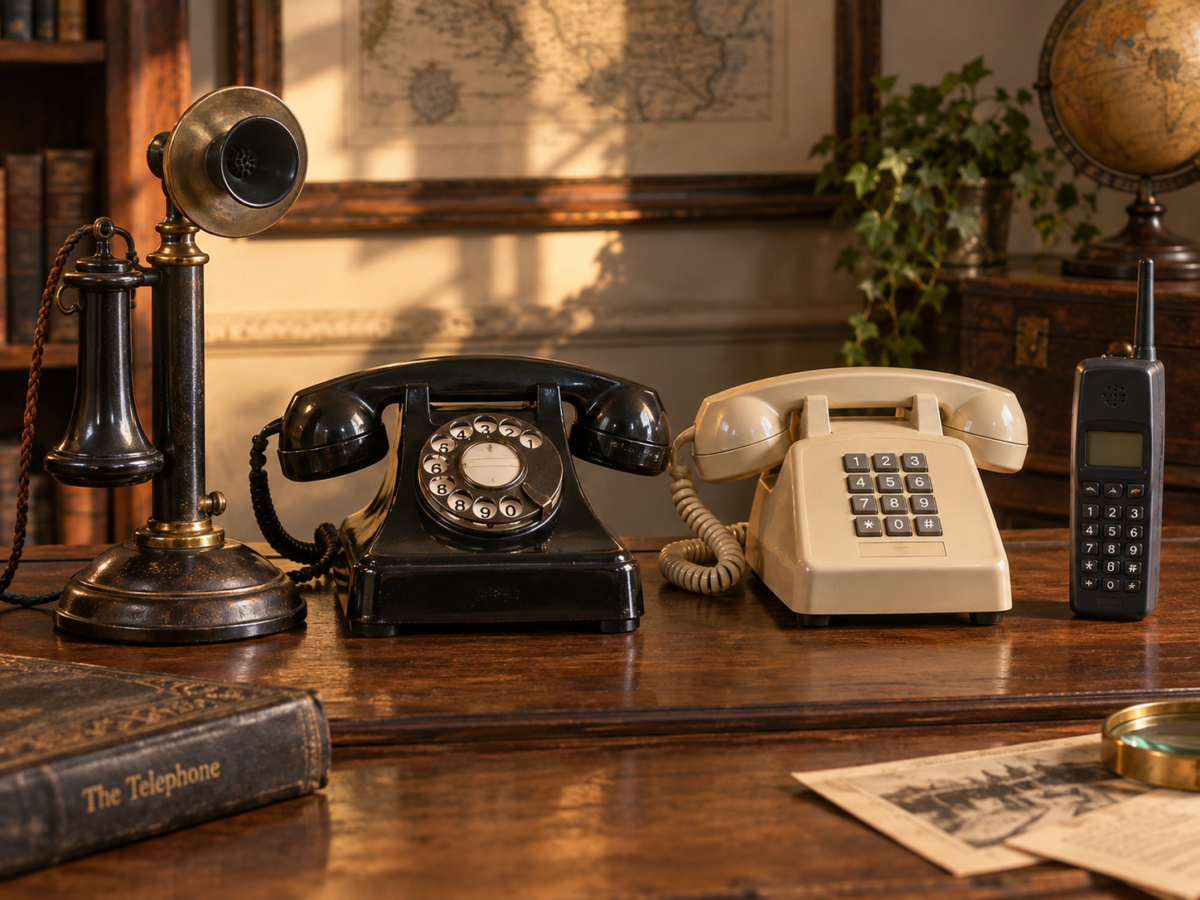
The word dial has outlived the object that gave it meaning.

For much of the twentieth century, dialing a telephone meant exactly that: placing a finger into a circular wheel, turning it to a stop, and letting a spring-driven mechanism click back into place. Today we still “dial” a number even when we tap a glass screen, choose a saved contact, or simply tell a digital assistant whom we want to call.

That lingering word is a small reminder of how deeply telephone technology became woven into everyday life.

Across roughly a century and a half, the act of reaching another person has moved from asking an operator for assistance to turning a rotary dial, pressing a keypad, selecting a name from a digital address book, and touching an icon on a smartphone. Each stage left behind its own objects, sounds, habits, and collectibles.

Continue reading “Dialing into History”
Mobile Phones and Digital Revolution

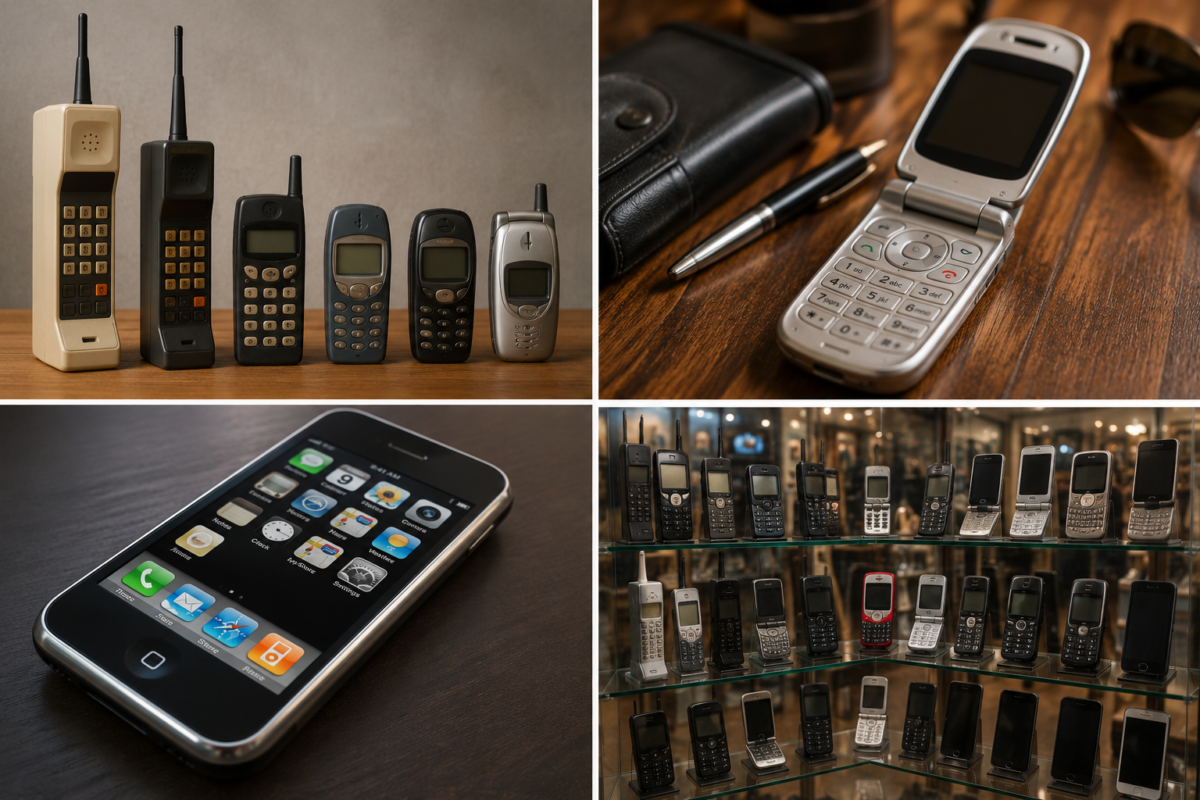
For most of telephone history, the telephone belonged to a place. It sat on a desk, hung on a kitchen wall, waited beside a bed, or stood inside a booth on a street corner. Even when long-distance service allowed voices to travel hundreds or thousands of miles, the instrument itself remained attached to a building by a wire.

The mobile phone changed that relationship completely.

In only a few decades, a telephone that began as expensive, specialized radio equipment became an ordinary personal possession. Along the way, mobile phones shrank from hefty handsets into pocket-sized devices, changed from analog to digital communication, learned to send text messages, absorbed the functions of organizers and cameras, and eventually became handheld computers that also happened to make telephone calls.

Continue reading “Mobile Phones and Digital Revolution”

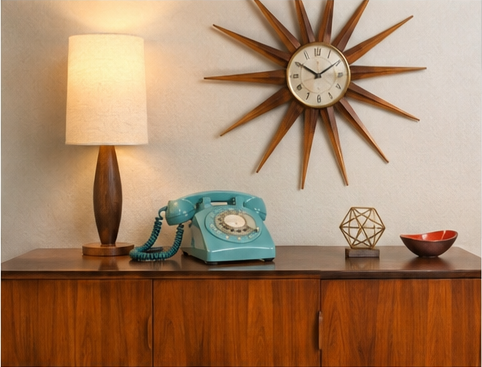
Rotary Phones and Mid-Century Designs

For generations, making a telephone call involved a small ritual. Lift the receiver. Wait for the dial tone. Place a finger into the correct hole. Turn the dial until it struck the metal stop. Release it and listen to the mechanism click its way back into place.

Then repeat.

The rotary telephone was slower than the push-button phones that followed, but that deliberate motion became one of the most recognizable sounds and gestures of twentieth-century life. By the middle of the century, the telephone was also changing physically. It was no longer simply a piece of communications equipment assigned a place in the hallway or office. Industrial designers were turning it into something intended to belong in the modern home.

Continue reading “Rotary Phones and Mid-Century Designs”

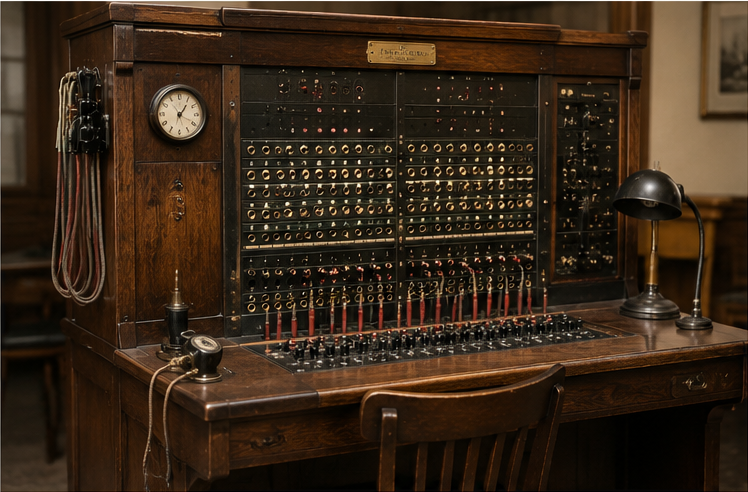
Switchboards and Operator Memorabilia

The invention of the telephone solved one extraordinary problem: it allowed the human voice to travel over a wire. Almost immediately, however, another problem appeared. If hundreds or thousands of people owned telephones, how could any one of them reach any of the others?

Before automatic dialing, the solution was decidedly human. A caller contacted a central telephone exchange, where an operator physically connected one line to another using a switchboard.

For decades, these operators formed the living center of the telephone network. Their work connected homes with businesses, doctors with patients, travelers with hotels, and eventually cities with one another. The switchboard also created an entirely new category of material culture, leaving collectors with everything from enormous wooden exchanges to plugs, headsets, employee badges, photographs, manuals, directories, and other pieces of operator history.

Continue reading “Switchboards and Operator Memorabilia”

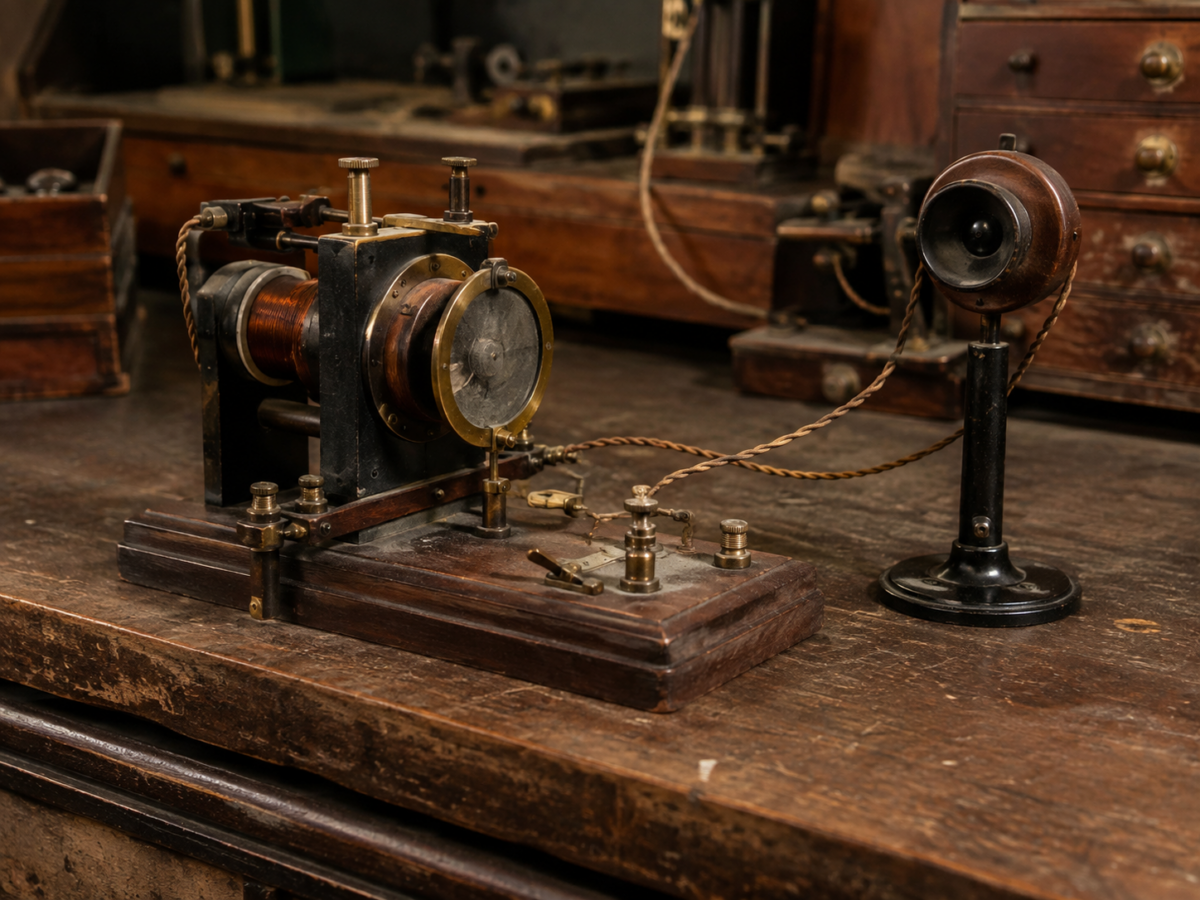
The Birth of the Telephone

For most of human history, a voice traveled only as far as a person could shout. By the middle of the nineteenth century, the electric telegraph had changed long-distance communication, but it still translated information into coded signals that had to be sent, received, and interpreted. The telephone promised something more startling: the ability to send the human voice itself through a wire.

That breakthrough is most closely associated with Alexander Graham Bell and the year 1876, but the telephone did not appear from a single flash of inspiration. It grew from decades of experiments in electricity, acoustics, telegraphy, and speech. Bell’s success was decisive, yet it emerged from a crowded field of inventors trying to solve variations of the same problem.

Continue reading “The Birth of the Telephone”

©2025 Dear June Collectibles. All Rights Reserved.

Oh hi there 👋
It’s nice to meet you.

Sign up to receive awesome content in your inbox, every Friday morning.

(If you register as a user, you can comment on posts AND subscribe to the newsletter...two birds one stone)

We don’t spam! Read our Privacy Policy for more info.