Wheels of Change

Bicycles have a way of slipping into the background of everyday life—until you stop and realize how much they’ve changed the world.

They’ve changed how people move through towns and cities. How young people claim independence. How communities think about roads and public space. How women claimed mobility in public life. How we imagine “fitness,” recreation, and even what it means to explore. And they’ve done all of it with a simple promise: two wheels, human power, and the freedom to go.

This post is a wrap-up of our Bicycles series, and it’s less about one specific model than the bigger story: why bicycles matter, why they keep reappearing in new forms, and why collectors can’t help but chase them—whether it’s a towering high-wheeler, a balloon-tire cruiser, a scuffed-up BMX, or a beloved mountain bike that still looks ready to climb.

Continue reading “Wheels of Change”
BMX, Mountain Bikes, and Modern Classics

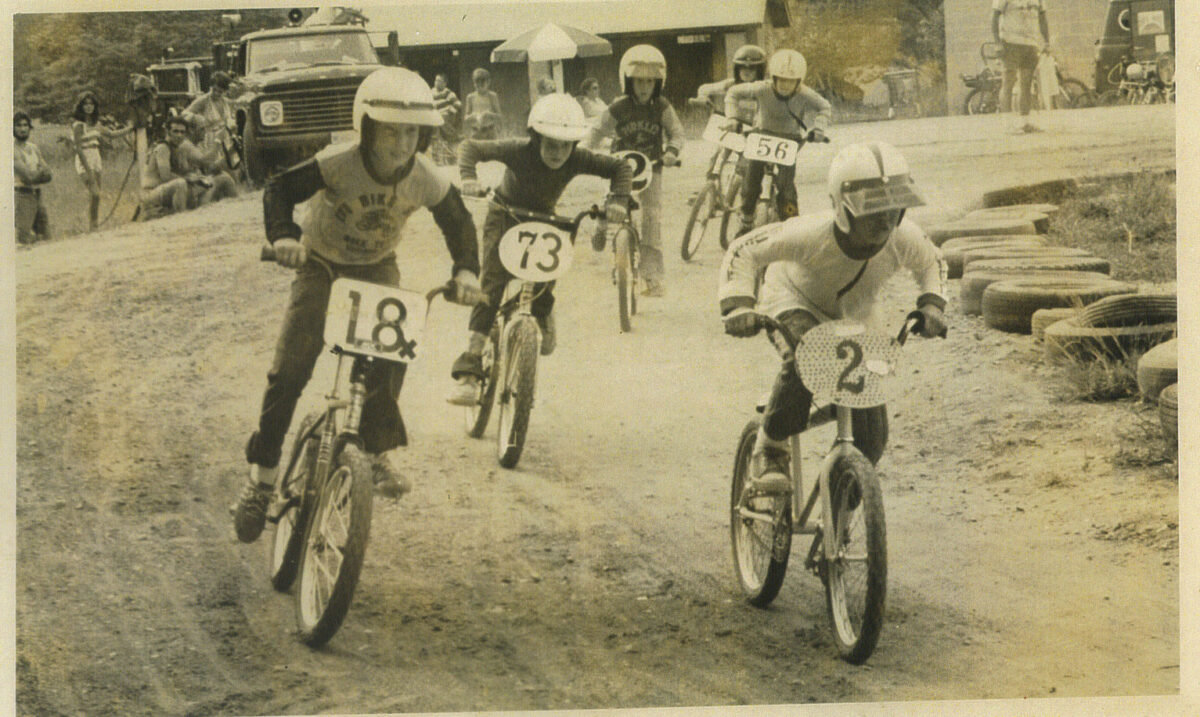
If the early bicycle eras were about invention and everyday transportation, the late 20th century brought something different: bikes built for identity, sport, and terrain. BMX made the bicycle a backyard race machine and a style statement. Mountain bikes turned dirt roads and rugged trails into a destination. And together, they created a new kind of collectible—modern classics that still feel close enough to our own lives to spark instant nostalgia.

This is the era where bicycles became cultural markers. You can spot the silhouettes immediately: a compact BMX with a straight top tube and pegs, or a knobby-tired mountain bike that looks ready to climb a hill at any moment. For collectors, these bikes are especially fun because they bridge two worlds: they’re historically significant, but many are still rideable, restorable, and display-worthy without requiring museum-level space.

Let’s dig into how BMX and mountain bikes rose, what makes certain models “modern classics,” and how collectors evaluate these machines today.

Continue reading “BMX, Mountain Bikes, and Modern Classics”

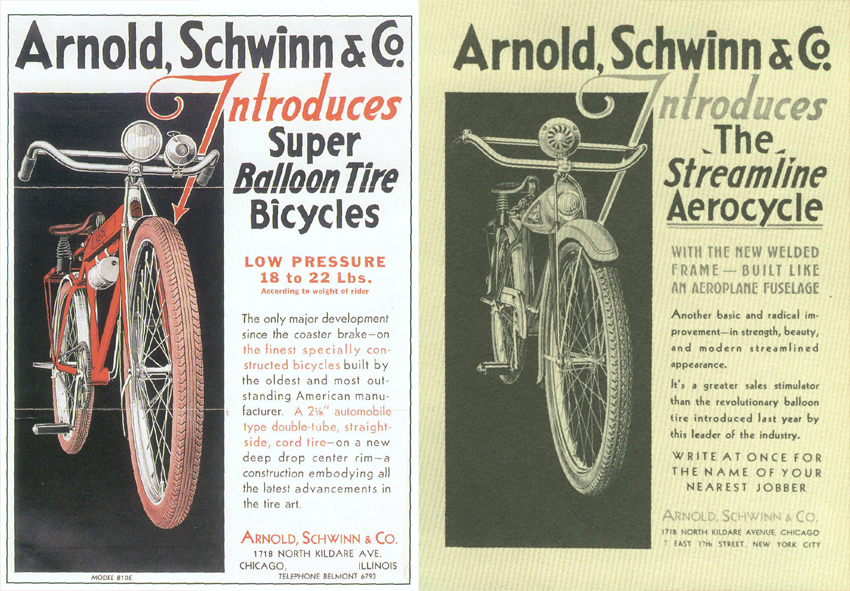
Balloon Tire Beauties – The 1930s–50s Cruiser Era

Some bicycles feel like transportation. Cruiser-era balloon-tire bikes feel like childhood—even if you didn’t grow up with one.

Picture it: a wide, comfortable saddle. Big fenders that make the bike look “finished.” A curved frame that seems to swoop instead of sit still. A horn tucked into a tank-like housing on the top tube, just begging to be squeezed on the ride to the corner store. These bicycles weren’t designed to be delicate. They were built for real streets, real errands, real paper routes, and real summers that lasted forever.

From the 1930s through the 1950s, balloon-tire cruisers became an American icon. They bridged the gap between the practical bicycles of earlier decades and the styled, accessory-rich bikes that defined mid-century youth culture. Today, they’re also some of the most display-worthy—and deeply nostalgic—bicycles a collector can bring home.

Continue reading “Balloon Tire Beauties – The 1930s–50s Cruiser Era”

Safety Bikes and the Cycling Boom of the 1890s

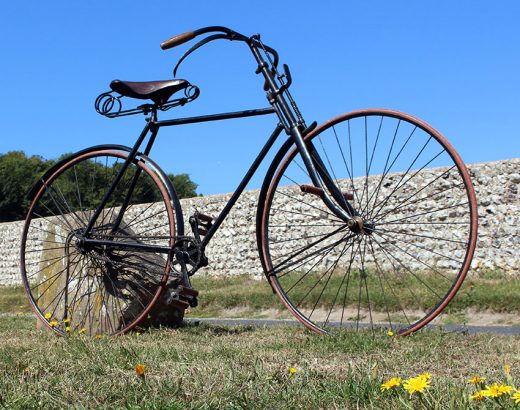
If the penny-farthing was the bicycle’s bold, high-wire act, the safety bicycle was the moment cycling became something almost anyone could imagine doing. Two wheels of similar size. A lower, steadier riding position. Power delivered by a chain instead of pedals fixed to a giant front wheel. It sounds normal now—because it’s the basic blueprint for most bicycles we ride today.

But in the late 1880s and into the 1890s, this “new” bicycle design didn’t just improve the ride. It changed who could ride, where people could go, and how cycling fit into daily life. The result was a true cultural wave: clubs, races, touring, new fashions, new manufacturing, and an explosion of bicycle-related accessories and advertising. The 1890s didn’t just have bicycles—they had a bicycle boom.

This post is the story of that shift: what a safety bicycle is, why it took off so fast, what cycling culture looked like in the 1890s, and what collectors look for today when a real 1890s bicycle rolls into view.

Continue reading “Safety Bikes and the Cycling Boom of the 1890s”

The High-Wheel Era – Penny-Farthings and Pride

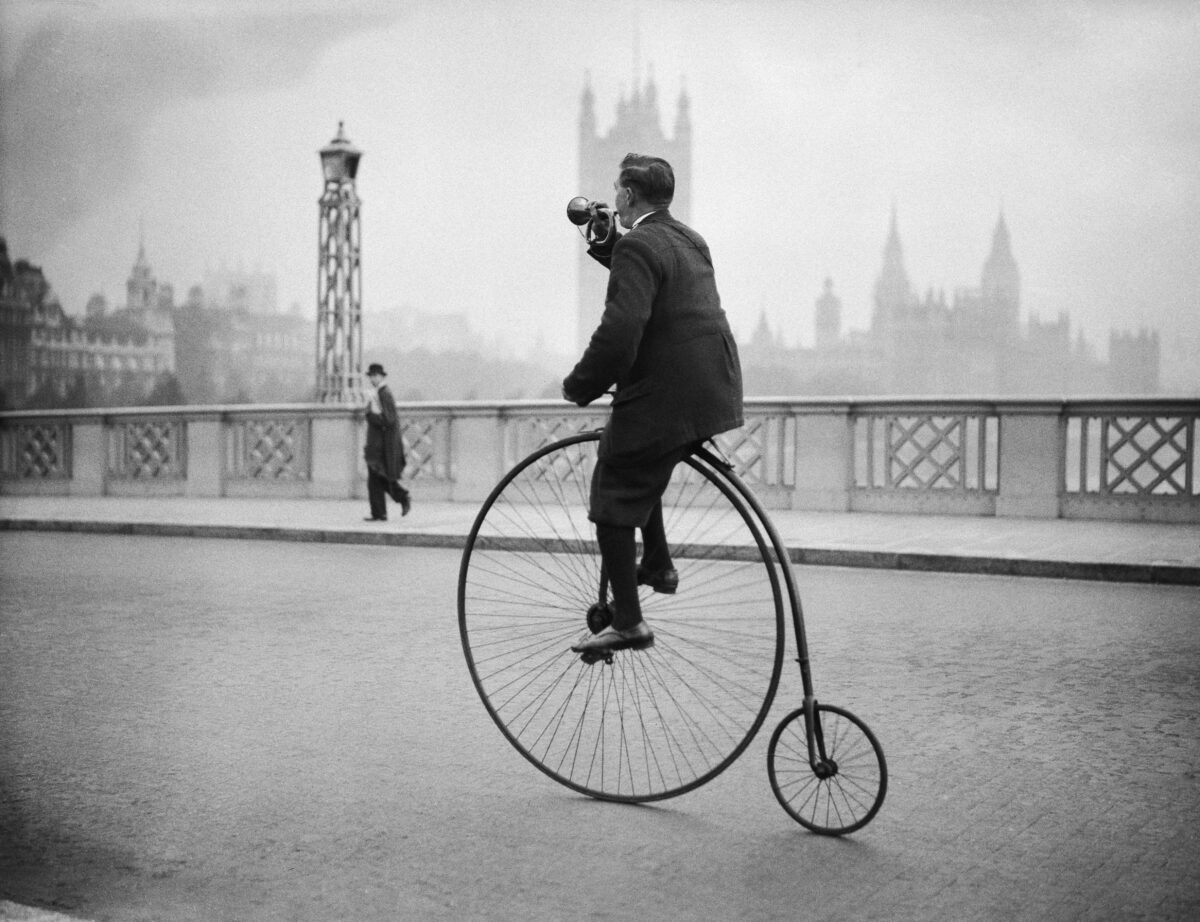
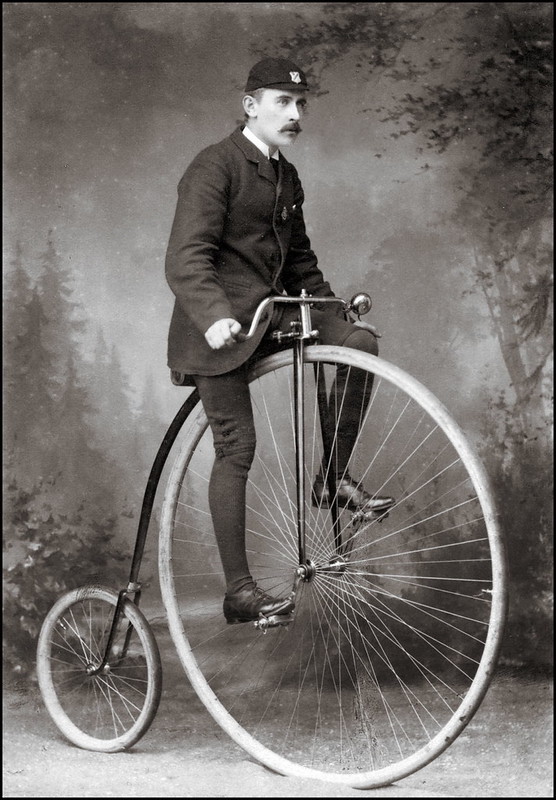
Imagine gliding down a Victorian lane perched atop a wheel taller than most people. The high-wheel bicycle – better known as the penny-farthing – was more than just an eye-catching way to get around. In the late 19th century, this quirky cycle with one giant wheel and one tiny wheel embodied innovation, status, and a dash of daredevil pride. Fast-forward to today, and antique penny-farthings are beloved collector’s items, restored and displayed with the same awe they inspired over a century ago. In this post, we’ll explore how the penny-farthing was invented and how it worked, the cultural pride it sparked in its heyday, and what it’s like to collect these high-wheel wonders now.

Continue reading “The High-Wheel Era – Penny-Farthings and Pride”

©2025 Dear June Collectibles. All Rights Reserved.

Oh hi there 👋
It’s nice to meet you.

Sign up to receive awesome content in your inbox, every Friday morning.

(If you register as a user, you can comment on posts AND subscribe to the newsletter...two birds one stone)

We don’t spam! Read our Privacy Policy for more info.