
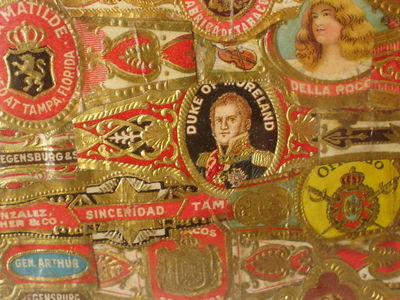
A cigar band may be barely more than a strip of paper. A cigar box label may fit inside a wooden lid. But look closely, and these little pieces start to expand. There is lettering, color, gold, embossing, place names, portraits, ships, factories, tropical scenery, political references, and brand storytelling all packed into a surprisingly small space.
That is the charm of cigar bands and labels as collectibles. They are tiny, but they are not minor. They connect printing history, advertising art, tobacco culture, local business, design trends, and the collecting habits of people who saved attractive paper long after the product itself was gone.
This final post in our Cigar Bands & Labels series brings the whole story together: why these pieces work as miniature art, what stories they can carry, and how collectors can build, display, and preserve them with care.
Why Small Paper Can Feel So Big
Cigar labels and bands had a practical job. They identified a brand and helped sell a product. But the best examples do far more than identify. They create a mood.
A label might suggest luxury with gold embossing. A band might use a crest to imply prestige. A box label might show a tropical landscape to hint at origin and romance. A patriotic design might borrow authority from flags, eagles, military imagery, or famous public figures.
That is what makes these pieces feel bigger than their size. They are miniature advertising campaigns.
Collectors respond to them because they reward close looking. From a distance, you see color and shape. Up close, you notice printing layers, lettering style, tiny portraits, border details, and the way a brand tried to make itself unforgettable.
The Cigar Band: A Tiny Badge of Identity
The cigar band is the smallest member of this collecting family, but it may be the most intimate. A box label belongs to the package; a band belongs to the individual cigar. Once the cigar left the box, the band kept the brand visible.
That meant a band had to communicate quickly. It needed to be small, readable, decorative, and memorable.
Common band design elements include:
- Brand names or monograms
- Crests, shields, crowns, and medals
- Gold trim or metallic accents
- Portraits or symbolic figures
- Decorative scrollwork and borders
- Color contrast strong enough to read at a glance
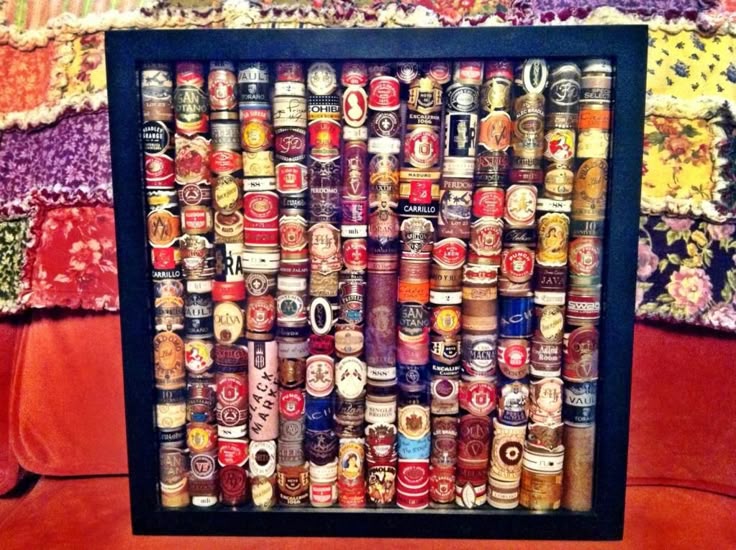
For collectors, cigar bands have a jewel-like appeal. A single band can be charming, but a page of them becomes something else entirely: rows of miniature design, each one trying to be distinct while following a similar format.
Box Labels: The Miniature Poster Inside the Lid
Cigar box labels had more room to tell a story. Inner lid labels could use a full scene: a woman in formal dress, a tobacco field, a ship under sail, a city skyline, a political portrait, a military hero, or an ornate medal display.
These labels are often collected like small posters because they use many of the same visual strategies:
- A central image to attract the eye
- Bold brand lettering
- Decorative borders to frame the design
- Color and gold to suggest quality
- Symbols that create mood or trust
- Fine details that reward inspection
The label’s original purpose was commercial. It had to help sell cigars. But once removed from the retail setting, it becomes easier to see the artistry: composition, typography, lithography, and all the little visual choices that made a box feel special.
Big Stories Hidden in Brand Names
One of the most enjoyable parts of collecting cigar labels is reading the names. Some are grand and serious, some are patriotic, some are funny, some are romantic, and some are clearly chasing a trend.
Brand names can point toward:
- Local pride
- Political moments
- Famous people
- Military or patriotic feeling
- Luxury and social aspiration
- Cuban or tropical associations
- Humor, novelty, or wordplay
- Regional factories and retailers
A label with a city name may interest a local-history collector. A label with a president or congressman may cross into political memorabilia. A baseball-themed band may appeal to a sports collector. A tropical label may attract someone who collects travel imagery or Cuban-themed advertising.
That crossover appeal is one reason cigar labels remain so collectible. They do not belong to just one collecting lane.
Portraits, Places, and Popular Culture
Cigar labels often borrowed imagery from the wider culture. If a person, place, symbol, or idea was recognizable, it could become part of a brand.
Portraits
Public figures, military leaders, performers, fashionable women, and historical personalities all appeared on labels. Sometimes the connection to the brand was meaningful. Sometimes the portrait was simply a way to borrow recognition and prestige.
Places
Factories, cities, tobacco-growing regions, islands, harbors, and landscapes gave labels a sense of origin. Even when the imagery was romanticized, it told the customer what world the brand wanted to belong to.
Popular symbols
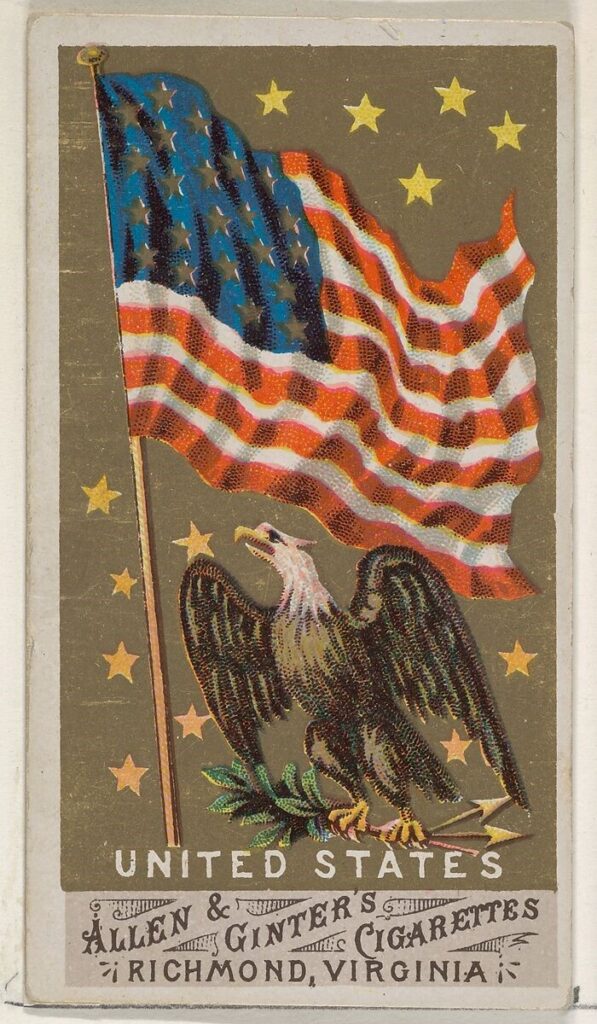
Flags, eagles, crowns, shields, medals, ribbons, ships, and flowers were visual shortcuts. They suggested quality, patriotism, achievement, refinement, or adventure.
This is why cigar labels can be read as popular culture. They show what images businesses believed customers would recognize, admire, or trust.
Color Lithography: The Art Behind the Impact
The drama of old cigar labels owes a great deal to color lithography. Multi-color printing, precise registration, metallic effects, and embossing helped transform ordinary packaging into rich visual display.
A collector looking closely at a strong label may notice:
- Carefully layered colors
- Shading in faces and landscapes
- Fine linework in borders and lettering
- Metallic gold that catches light
- Raised embossed details
- Crisp registration where colors align cleanly
This printing quality matters. A label with strong color and clean detail often feels alive, while one with fading, muddy registration, or rubbed metallic areas can lose much of its display power.
Good lithography is part of the story the object tells: not just what was being sold, but how much visual effort went into selling it.
Provenance: When the Back Tells a Story Too
Collectors naturally focus on the front of a cigar label, but the back can be just as revealing.
A label may show:
- Glue residue from a box
- Paper thinning from removal
- Scrapbook paper still attached
- Pencil notes or collector markings
- Printer’s proof notations
- Clean unused stock from a sample group
None of these details should be ignored. They help explain the object’s second life.
A label still attached to a box tells one story. A loose unused label tells another. A label pasted into an old album tells a third. A progressive proof or sample piece points toward the printer’s world rather than the smoker’s or shopkeeper’s world.
For collectors, context can be as interesting as condition.
What Makes a Small Piece Worth Collecting?
Cigar bands and labels can be collected at many levels, from inexpensive mixed lots to high-quality display pieces. The best examples usually have several strengths working together.
Strong visual appeal
Color, subject, composition, and lettering should catch the eye.
Complete design
Full borders, intact corners, and untrimmed edges matter, especially on labels meant for display.
Good condition
Look for clean paper, minimal staining, strong color, and limited tears or creases.
Interesting subject
Political figures, ships, women, animals, sports, local brands, Cuban imagery, factories, and unusual names can all add collector interest.
Printing quality
Gold, embossing, crisp registration, and fine detail can elevate a piece beyond ordinary packaging.
Story value
A label with a known place, original box, album context, or unusual format can be more meaningful than a loose piece with no background.
The most satisfying pieces are often the ones you can explain: “I chose this because of the ship,” “this one came from a local maker,” “this one has incredible gold embossing,” or “this band completes a themed page.”
Common Condition Issues to Watch For
Because cigar labels and bands are paper, condition can change value quickly.
Watch for:
- Trimmed margins
- Missing corners
- Tears through the central image or brand name
- Foxing or brown spotting
- Water stains
- Faded reds, blues, or metallic gold
- Glue residue or paper thinning on the back
- Creases from folding or album mounting
- Abrasion on embossed details
- Split or missing ends on cigar bands
A little age is acceptable. These were commercial paper objects, not museum prints. But damage should make sense for the price and should not destroy the part of the design that made the piece appealing in the first place.
Building a Collection with a Story
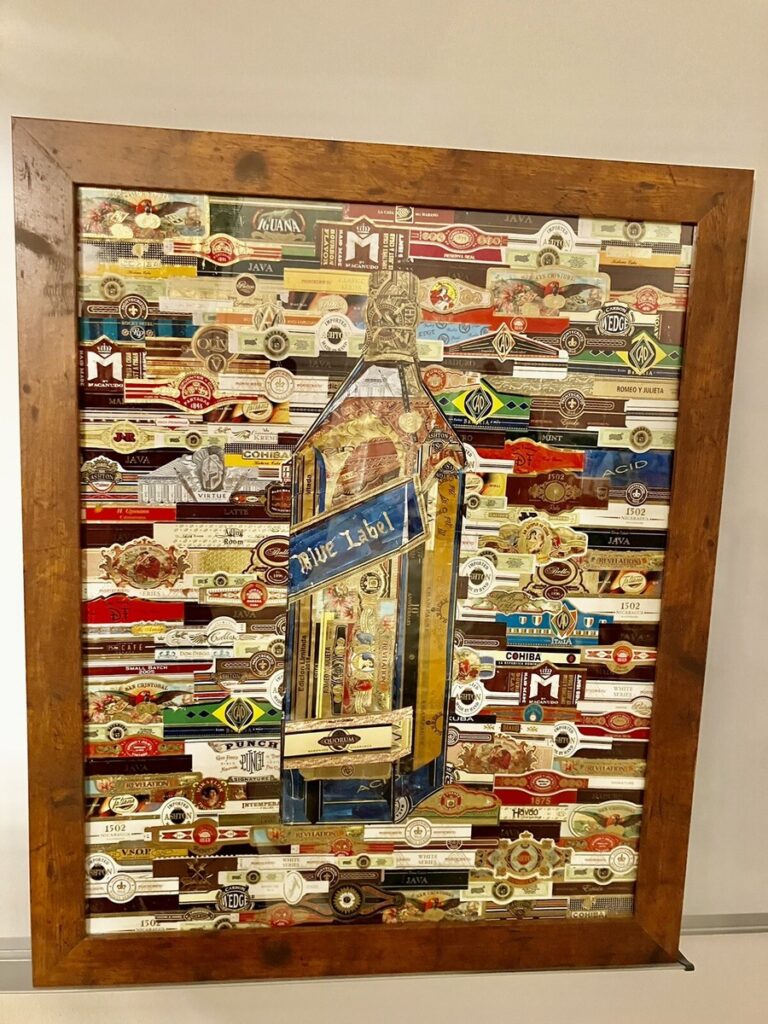
Because cigar labels and bands vary so widely, collecting can become scattered quickly. A clear theme helps turn a group of paper into a collection.
Collect by subject
Choose women, ships, animals, presidents, factories, tropical scenes, sports, or patriotic labels.
Collect by format
Focus on bands, inner box labels, outer labels, proof sheets, intact boxes, or cigar-related scrapbooks.
Collect by place
Look for labels tied to one city, state, region, or manufacturing center. This is especially satisfying for local-history collectors.
Collect by design style
Build around gold embossing, Art Deco lettering, Victorian ornament, tropical imagery, or bold chromolithography.
Collect by story
Choose pieces that show reuse, album collecting, printer’s proofs, matching band-and-label pairs, or original box context.
The goal is not to own everything. The goal is to build a group that makes sense when seen together.
Displaying Tiny Art Safely
Cigar labels and bands display beautifully, but paper needs protection.
Good display options include:
- Archival binder pages for bands
- Acid-free sleeves for loose labels
- UV-protective framing for standout pieces
- Shadow boxes for bands, boxes, and related objects
- Rotating displays so pieces are not exposed to light year-round
- Digital scans for frequent viewing while originals rest safely
Avoid tape, glue, direct sunlight, damp basements, and hot attics. If a label is still attached to its original box, think carefully before removing it. The complete object may tell a richer story than the label alone.
Collecting Responsibly
It is worth saying plainly: collecting cigar bands and labels is not the same as promoting tobacco. Many collectors are interested in the printing, advertising, local history, graphic design, and paper survival—not the product itself.
These pieces deserve context. They are beautiful examples of commercial art, but they were also made to sell tobacco. A thoughtful collector can appreciate the artistry while recognizing the complicated history of the product.
That balanced view makes the collection stronger. It lets the labels be what they are: persuasive, beautiful, historically revealing advertisements from another commercial world.
The Collector’s Takeaway
Cigar bands and labels prove that small objects can carry big stories. A narrow paper ring can tell us about branding. A box label can reveal printing skill, regional identity, political culture, tropical fantasy, or local business history. A scrapbook page can show how someone long ago collected, arranged, and saved the images that caught their eye.
That is why these pieces still matter. They began as packaging, became advertising, survived as ephemera, and now live as tiny works of art with stories larger than their size.
Let’s Make History—one tiny work of paper at a time.
Looking for something related?
Dear June Collectibles carries thousands of antiques, vintage pieces, collectibles, ephemera, books, housewares, jewelry, memorabilia, and unusual finds. Inventory changes constantly.
Found something like this while clearing a home or collection?
Before assuming it should be thrown away, tell us what you found. Dear June Collectibles helps families, collectors, executors, and homeowners sort household contents, collections, and estates and identify realistic resale possibilities.