Barbed Wire and Military History

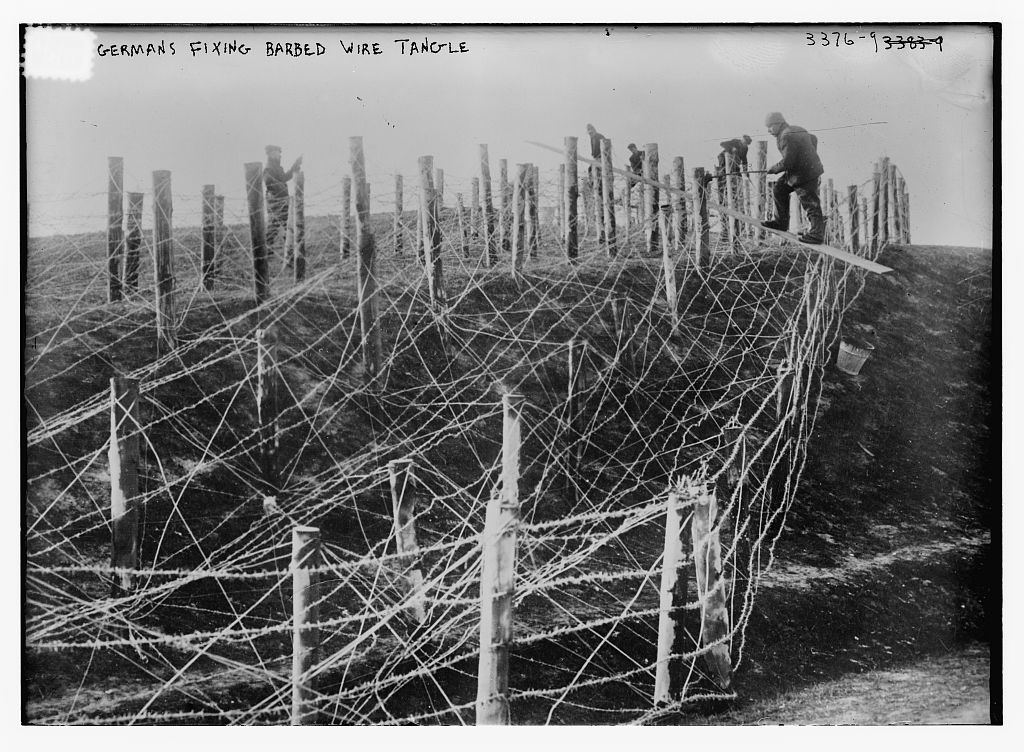
Barbed wire was invented to manage livestock and mark property lines, but it didn’t stay a farm tool for long. Once militaries saw what it could do—stop movement, channel people into narrow paths, and buy defenders time—barbed wire became one of the most important “quiet” technologies of modern warfare. Not because it was glamorous, but because it was brutally practical.

In military terms, wire is an obstacle. It doesn’t have to be impregnable. It only has to delay and disrupt long enough for defenders to respond. That’s why barbed wire shows up again and again: in colonial-era camps and fortified settlements, in the trenches of World War I, across World War II beach defenses, around Cold War bases, and in modern security perimeters. It’s a piece of infrastructure that turns open ground into controlled space—fast.

This post explores how barbed wire became a military tool, what it looked like in different eras, how soldiers dealt with it, and what collectors should know when they come across wire with wartime context.

Continue reading “Barbed Wire and Military History”

Patterns and Patents-More Than Just Twists and Spikes

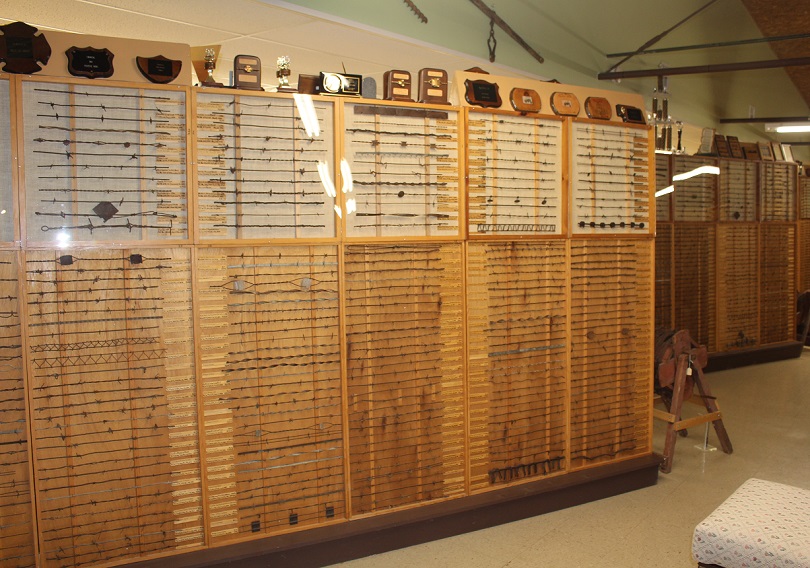
At first glance, barbed wire can look like one invention repeated endlessly: two strands of wire, a set of sharp points, and a long line meant to say “not past here.” But once you start looking closely—really closely—you realize why barbed wire became a collectible category all its own.

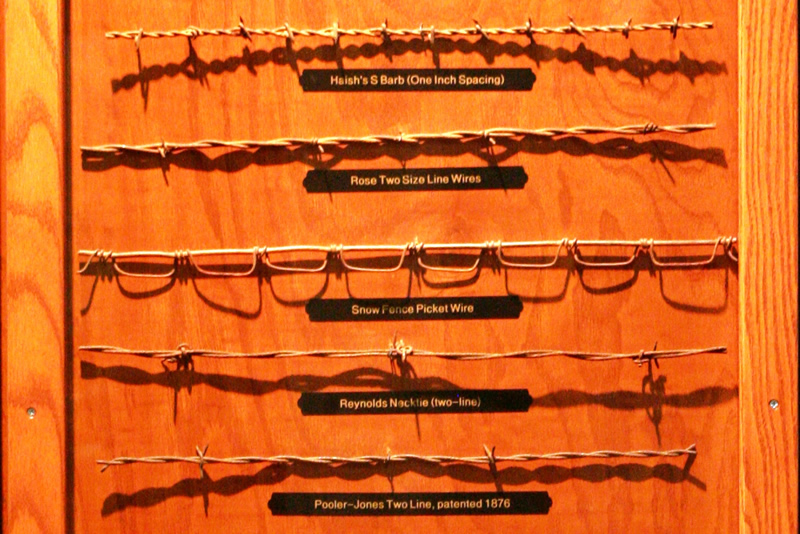
Barbed wire is a world of patterns: different barb shapes, different twists, different spacing, and different ways inventors tried to solve one stubborn problem—how to create a fence that was affordable, durable, and effective across huge stretches of land. In the late 1800s, that problem wasn’t theoretical. It was urgent. And it sparked a flood of creativity (and competition) that left behind thousands of identifiable variations.

This post is your collector-friendly guide to that hidden complexity: why there were so many patents, what makers were actually trying to improve, how patterns became “signatures,” and how modern collectors can start recognizing what they’re looking at without getting overwhelmed.

Continue reading “Patterns and Patents-More Than Just Twists and Spikes”

The Invention That Fenced the West

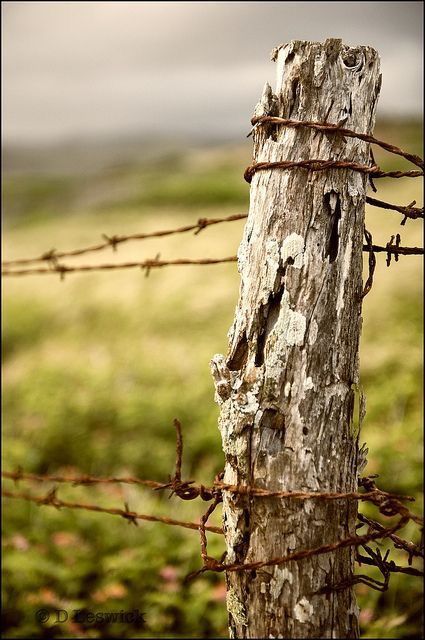
Barbed wire is one of those inventions that looks almost too simple to be world-changing—two strands of wire and a repeating line of sharp points. But that simplicity is exactly why it mattered. It was inexpensive, scalable, and brutally effective at turning open land into controlled space.

In the late 1800s, the American West was colliding with itself: ranching, farming, railroads, growing towns, and shifting ideas about ownership and boundaries. The problem was practical as much as political. Traditional fencing materials—especially wood—were scarce or expensive across huge stretches of prairie. If you wanted to keep livestock in (or out), you needed something that could be made in volume, shipped long distances, and installed quickly.

Barbed wire answered that need. And once it arrived, it didn’t just reshape property lines. It reshaped economies, ecosystems, and daily life—creating one of the most collectible “industrial artifacts” of the frontier era.

Continue reading “The Invention That Fenced the West”

©2025 Dear June Collectibles. All Rights Reserved.

Oh hi there 👋
It’s nice to meet you.

Sign up to receive awesome content in your inbox, every Friday morning.

(If you register as a user, you can comment on posts AND subscribe to the newsletter...two birds one stone)

We don’t spam! Read our Privacy Policy for more info.