Timeless Collecting

Watch collecting has a funny way of starting. Sometimes it begins with a family piece—something engraved, something kept “in the drawer,” something that makes you wonder who wore it and where it went. Other times it starts with a design you can’t stop thinking about: a clean mid-century dial, a crisp railroad-style minute track, the glow of a vintage digital display, or the satisfying heft of a pocket watch in your hand.

And then it happens: you realize watches aren’t just timekeepers. They’re portable history—a blend of technology, design, social change, and personal memory that you can actually hold.

This wrap-up post is a collector’s guide to the bigger picture: how to collect watches in a way that stays enjoyable, how to buy smarter, how to care for what you own, and how to build a collection that feels cohesive without feeling restricted. Because the best watch collections don’t look like checklists. They look like stories.

Continue reading “Timeless Collecting”
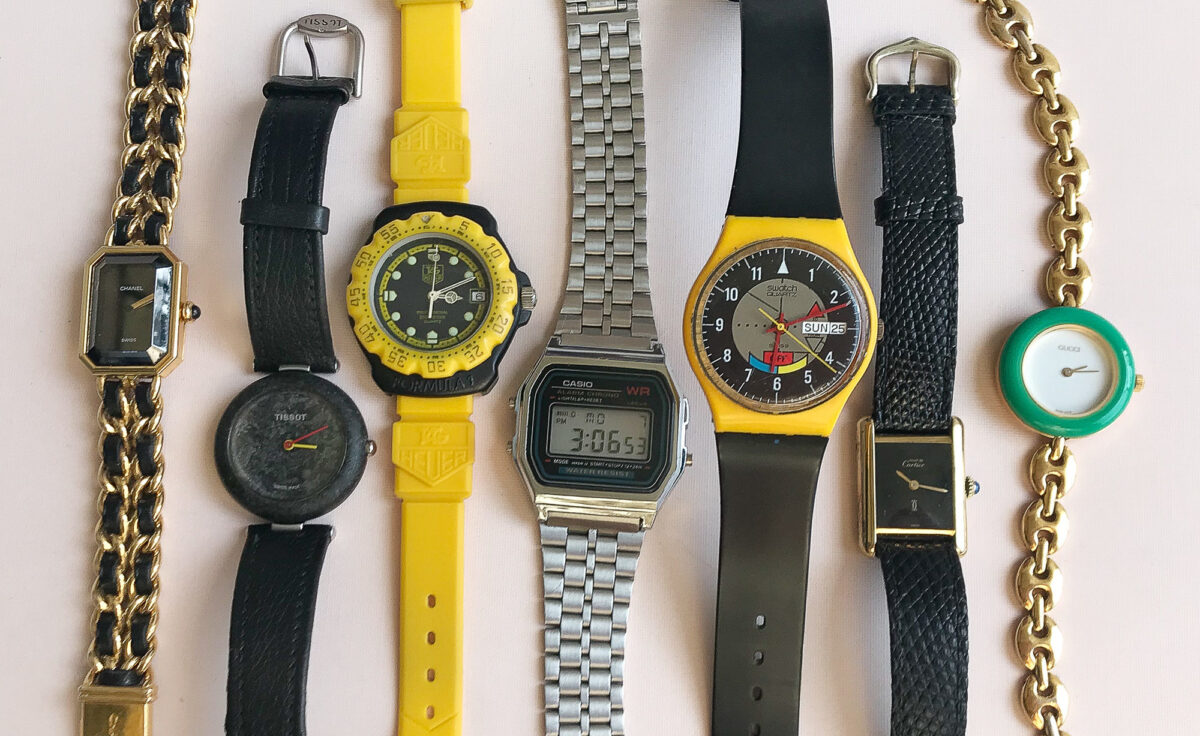
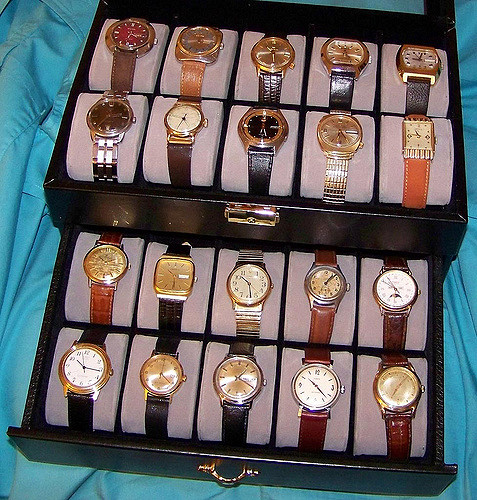
Luxury, Digital, and Modern Classics

There’s a point in watch history when the story splits into three lanes—and collectors today tend to love all three.

One lane leans into luxury: craftsmanship, heritage, precious materials, and the idea that a watch can be a lifelong object (and sometimes a status signal). Another lane goes boldly digital: LED and LCD displays, pushers, alarms, calculators, and a kind of futuristic optimism that screams late 20th century. The third lane is where it gets especially fun: modern classics—watches that aren’t ancient, but are old enough to feel like a distinct era with its own design language and collecting rules.

This post is a collector-friendly tour through how luxury and digital rose side by side, how quartz changed everything, and what makes certain late-20th-century and early-21st-century watches feel “classic” already.

Continue reading “Luxury, Digital, and Modern Classics”

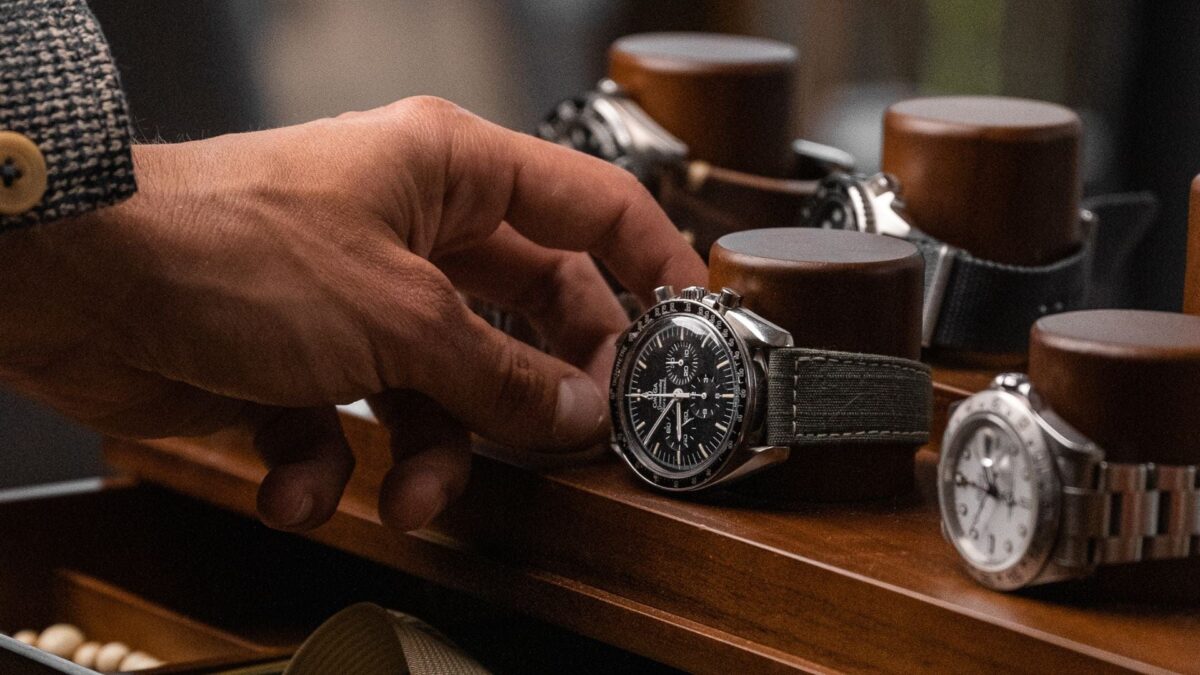
Wristwatches and Rise of Everyday Timepieces

There’s something almost magical about how normal the wristwatch became. Today it’s easy to think of watches as style, collecting, or convenience—but for a long time, wearing time on your wrist wasn’t the default. It was a niche idea, a practical workaround, or even a novelty.

Then the world changed. Modern life demanded faster coordination, tighter schedules, and time you could read instantly—without digging into a pocket. Over the first half of the 20th century, the wristwatch moved from “unusual” to “everyday,” and along the way it became one of the most personal objects people owned. A wristwatch wasn’t just a tool; it was a companion through work, travel, war, celebration, and daily routine.

This post is a collector-friendly tour of how wristwatches rose to dominate everyday timekeeping—what made them catch on, how styles and technology evolved, and what collectors look for today when an old wristwatch shows up in the wild.

Continue reading “Wristwatches and Rise of Everyday Timepieces”

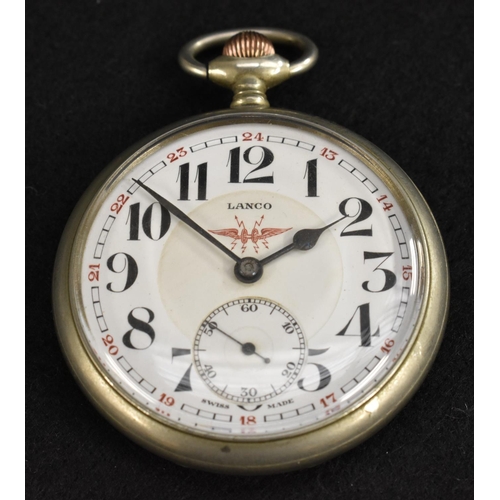
Railroad Watches-Keeping Trains on Time

A pocket watch can feel like a personal little heirloom—something carried close, engraved with initials, passed down with a story. But on the railroad, a watch was something else entirely: safety equipment.

When trains began moving fast over long distances—often on single-track lines, guided by timetables and train orders—being “a few minutes off” wasn’t a harmless mistake. It could put two trains on the same stretch of track at the same time. That’s why railroad timekeeping became one of the most disciplined and regulated uses of personal watches in history.

This post is a collector-friendly guide to what railroad watches are, why they mattered so much, what “railroad grade” really means, and what to look for when you’re evaluating one today.

Continue reading “Railroad Watches-Keeping Trains on Time”

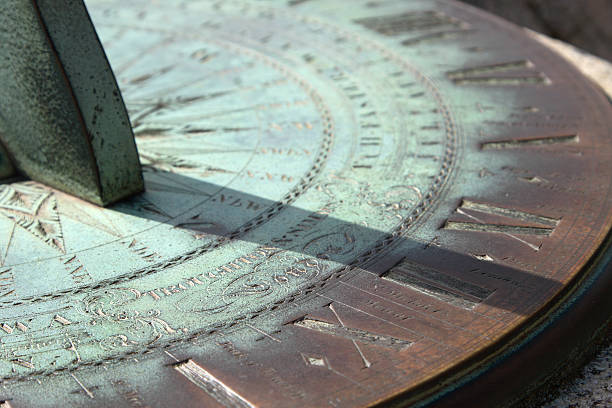
From Sundials to Pocket Watches-A Brief History of Timekeeping

Timekeeping is one of those everyday miracles we stop noticing. We glance at a phone, check a wall clock, tap a watch face—then keep moving. But for most of human history, “What time is it?” wasn’t a quick question with a precise answer. It was a conversation with the sky, the seasons, the length of a shadow, or the rhythm of a community.

For collectors, that’s part of the appeal. Watches (and the objects that led to them) are not just tools—they’re compressed history. They show what people valued, what technology could do, and how society slowly shifted from “about this time” to exact minutes.

This post is a big-picture tour from early timekeeping all the way to the pocket watch era—what changed, why it changed, and what modern collectors love about these portable pieces of time.

Continue reading “From Sundials to Pocket Watches-A Brief History of Timekeeping”

©2025 Dear June Collectibles. All Rights Reserved.

Oh hi there 👋
It’s nice to meet you.

Sign up to receive awesome content in your inbox, every Friday morning.

(If you register as a user, you can comment on posts AND subscribe to the newsletter...two birds one stone)

We don’t spam! Read our Privacy Policy for more info.