Music on Demand Before Streaming

Today, “music on demand” is so normal we barely think about it. Tap a screen, hear a song. Skip, repeat, build a playlist, share it instantly. But long before streaming—or even the idea of carrying music with you—people were already shaping their days around the same desire: I want this song, right now.

That’s the real genius of the jukebox. It didn’t just play music. It let everyday people choose music in public spaces—one selection at a time. It turned a bar, diner, bowling alley, or roadside café into something like a shared playlist before anyone used that phrase. And it helped teach the world a habit we still have: paying small amounts for the exact song we want, exactly when we want it.

This post is a look at music on demand before streaming—how it worked, what it felt like, and why collectors still chase the machines and the paper trail that made the experience possible.

Continue reading “Music on Demand Before Streaming”
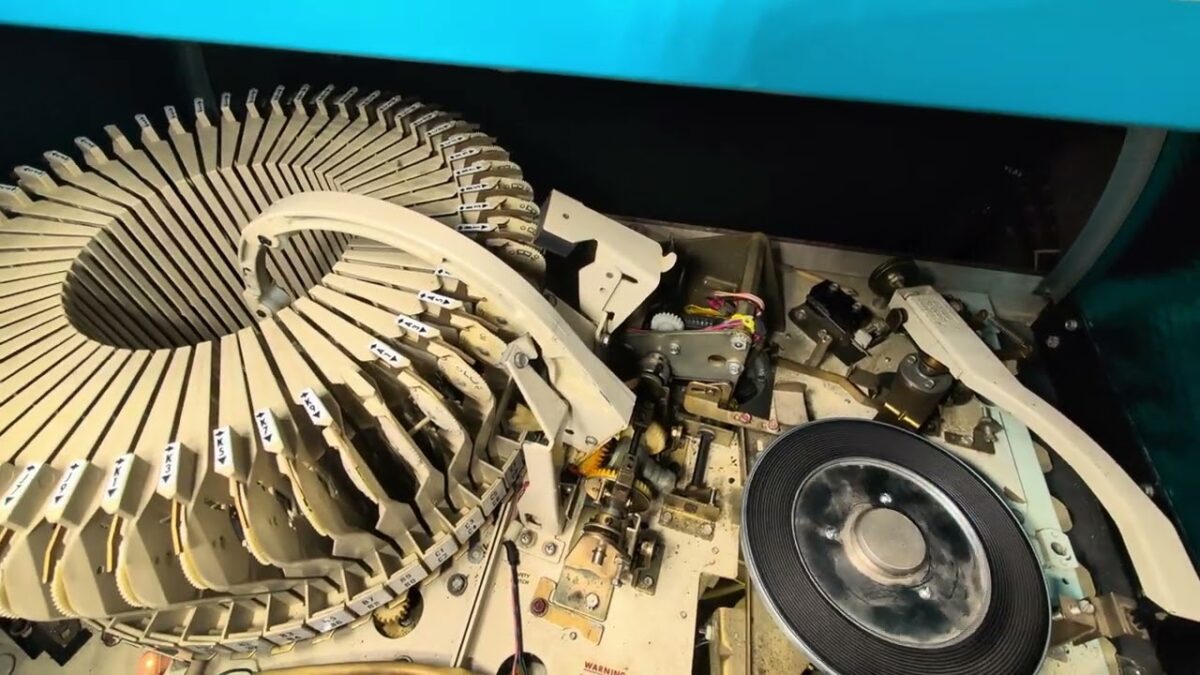
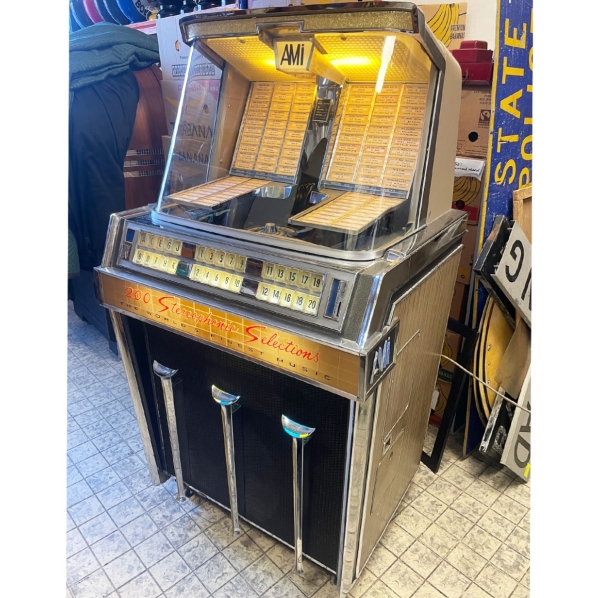
Restoration and Collecting Tips

A vintage jukebox is one of the most rewarding collectibles you can bring home—because it isn’t just something you look at. It’s something you live with. The glow, the mechanical motion, the moment a selection kicks in and the room suddenly has a soundtrack. But jukeboxes are also one of the easiest categories to underestimate. They’re part furniture, part mechanical system, part electronics, and part “public life survivor.” Many spent decades in diners, bars, bowling alleys, and clubrooms—places that are hard on anything with moving parts.

The good news: you don’t need to be an engineer to collect jukeboxes well. You just need a smart approach. This guide focuses on practical, collector-friendly habits—how to buy wisely, how to plan a restoration without getting overwhelmed, and how to maintain a machine once it’s home so the fun doesn’t turn into frustration.

Continue reading “Restoration and Collecting Tips”

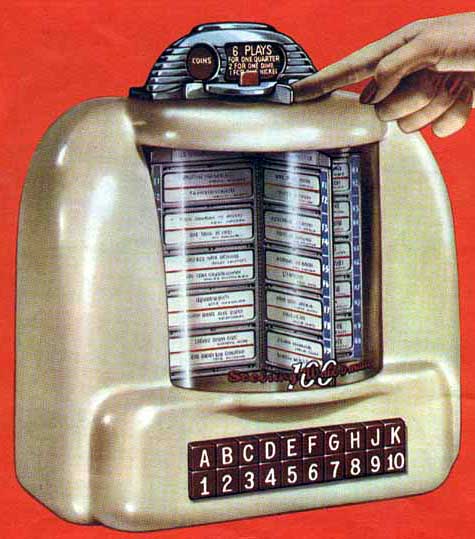
1960s-1980s-From Vinyl to Digital

If the 1940s–50s were the jukebox’s “movie-star” years—big chrome smiles and glow-from-across-the-room presence—the 1960s through the 1980s were its working years. This is when jukeboxes adapted to new music, new venues, and new technology: rock and soul taking over the charts, louder rooms, faster turnover, bigger selection expectations, and the slow shift from purely mechanical systems to electronics that started to feel almost computer-like.

Collectors love this era because it’s where the jukebox becomes a true bridge between worlds. You still have the satisfying, tactile ritual of vinyl—dropping in a coin and hearing a 45 crackle to life—but you also start seeing digital selection, solid-state sound, remote wallboxes, and finally, the first wave of compact disc machines at the end of the 1980s. In other words: this is the era where the jukebox evolves from a classic object into a modern machine.

Let’s walk through what changed, what stayed the same, and how collectors can approach 1960s–80s jukeboxes with confidence.

Continue reading “1960s-1980s-From Vinyl to Digital”

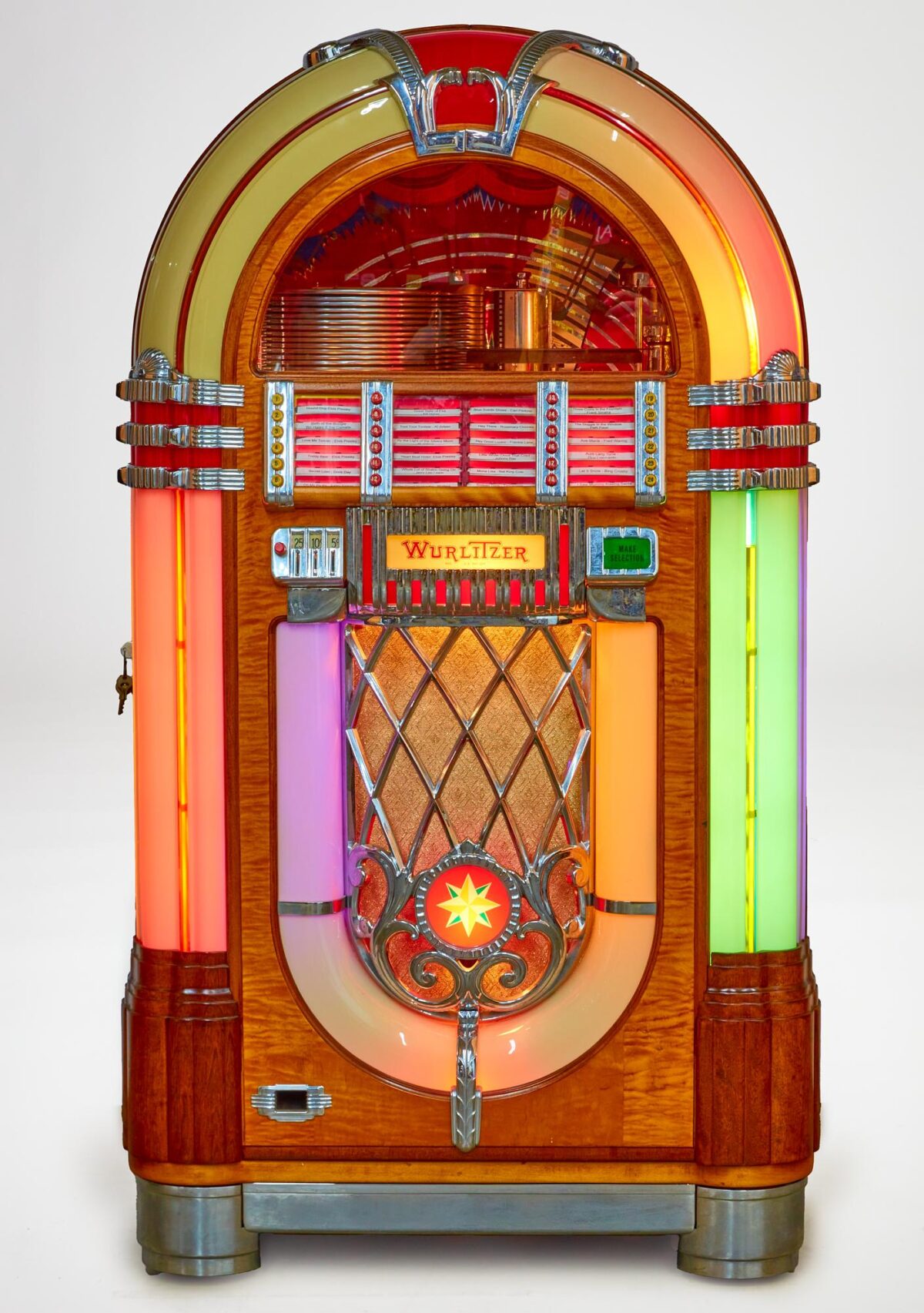
Golden Age (1940s-1950s)-Wurlitzer, Seeburg, Rock-Ola

If the early jukebox was a clever invention, the 1940s and 1950s are when it became an icon. This is the era most people picture when they hear the word jukebox: glowing plastics, chrome trim, colorful motion, and a cabinet designed to be seen from across a diner or dance floor. Drop in a coin, pick a song, and suddenly the whole room has a soundtrack.

For collectors, this “Golden Age” is irresistible because it sits at a perfect crossroads: the machines are old enough to feel historic, common enough to be findable, and visually bold enough to double as furniture-level décor. Even better, this period is where the big brand names—Wurlitzer, Seeburg, and Rock-Ola—built many of the designs that still define the category today.

Let’s walk through what made the Golden Age golden, what each maker is known for, and what collectors should look for when buying one of these mid-century music machines.

Continue reading “Golden Age (1940s-1950s)-Wurlitzer, Seeburg, Rock-Ola”

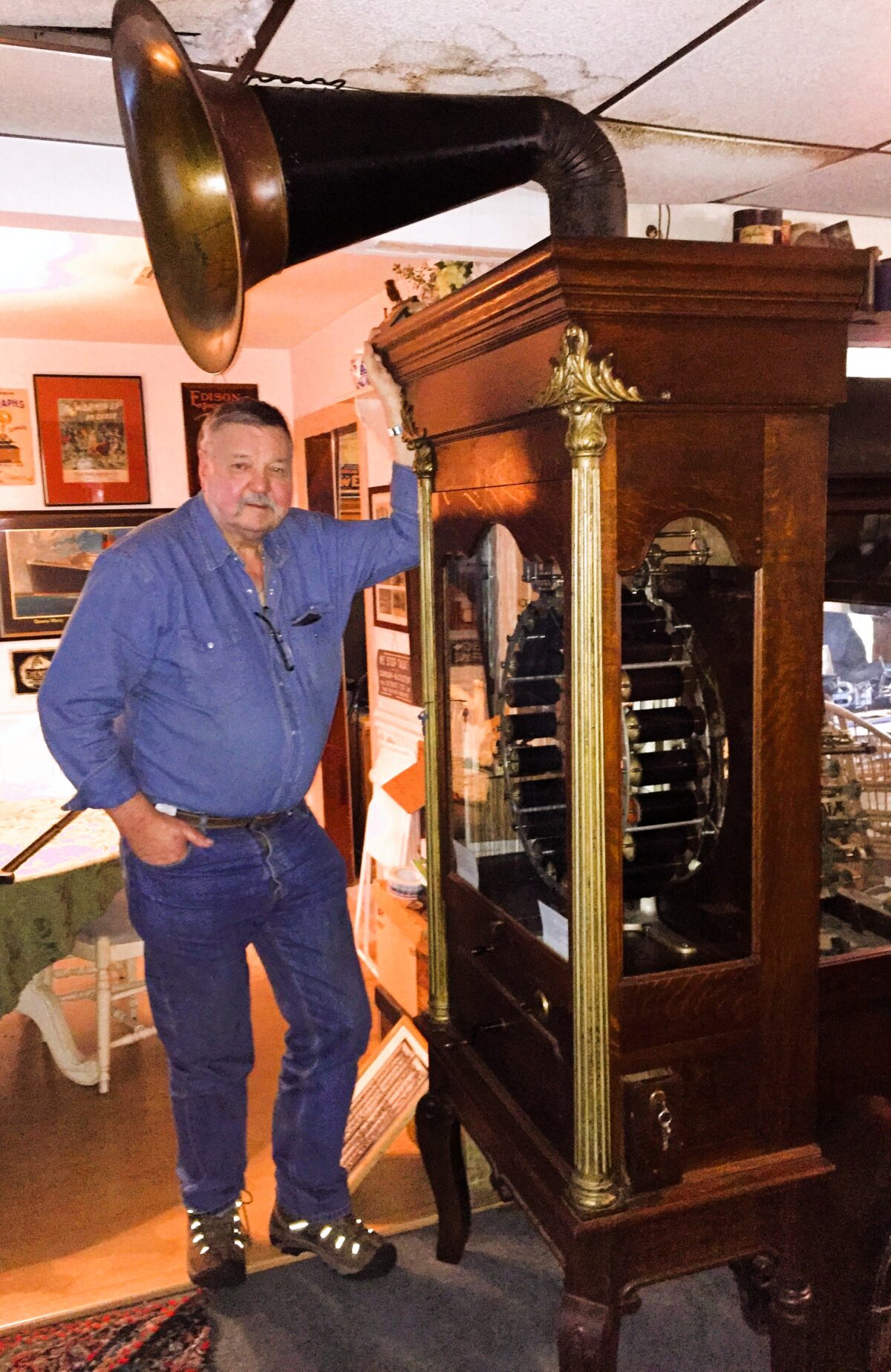
The Birth of the Jukebox-From Nickelodeons to Swing Eras

Before playlists, before radio countdowns, before anyone carried thousands of songs in a pocket, there was a different kind of music-on-demand magic: you dropped in a coin, made a choice (or took what was available), and a machine brought the music to life. That simple experience—pay a little, hear a song right now—changed how people socialized, how records were promoted, and how everyday spaces like cafés and corner bars sounded.

Collectors love early jukebox history because it’s not just about one machine. It’s about a chain of inventions and habits: coin-operated phonographs, “phonograph parlors,” the entertainment boom that surrounded nickelodeons, and the moment the jukebox became a cultural engine in the Swing Era. If you’re drawn to the romance of vintage technology and the idea of music as a public event, this is the origin story you want on your shelf.

Continue reading “The Birth of the Jukebox-From Nickelodeons to Swing Eras”

©2025 Dear June Collectibles. All Rights Reserved.

Oh hi there 👋
It’s nice to meet you.

Sign up to receive awesome content in your inbox, every Friday morning.

(If you register as a user, you can comment on posts AND subscribe to the newsletter...two birds one stone)

We don’t spam! Read our Privacy Policy for more info.