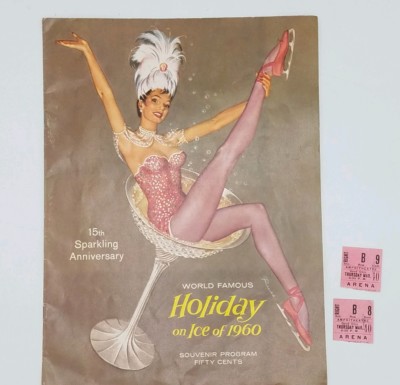
Ballet has a way of making objects feel more delicate than they are. A program tucked into a drawer. A ticket stub from a holiday performance. A postcard of a principal dancer frozen mid-pose. A pair of pointe shoes, softened and worn, signed after a performance. These are not the dance itself—the dance is gone the moment it happens—but they are the traces it leaves behind.
That is what makes ballet and classical dance souvenirs so appealing to collectors. They preserve a little piece of an art form built on motion, discipline, music, costume, and memory. Whether the object comes from a grand opera house, a local recital, a touring company, or a famous production, it helps tell the story of how people experienced dance—not only on stage, but as fans, students, families, and devoted audience members.
Why Ballet Souvenirs Matter
Ballet is both formal and fleeting. The performance happens live, the dancers leave the stage, and the audience carries the memory home. Souvenirs give that memory a physical shape.
Ballet itself has roots in European court performance and developed over centuries into the theatrical art form collectors recognize today. The Victoria and Albert Museum describes ballet history as stretching from royal court dances of 17th-century Europe through romantic, classical, and contemporary productions.
That long history gives collectors a wide range of material to enjoy. Some pieces connect to elite theater culture. Others connect to children’s dance schools, community productions, or family keepsakes. Both ends of the spectrum matter because dance memorabilia is not only about fame—it is about participation, admiration, and memory.
Programs: The Classic Ballet Keepsake
Programs are among the most common and collectible ballet souvenirs. They are easy to save, full of information, and often beautifully designed.
A good ballet program can tell you:
- the company and venue
- the date of performance
- the dancers and roles
- the music and choreographer
- production notes
- advertisements from the period
- costume or set information
For collectors, programs are especially useful because they anchor a performance to a specific time and place. A generic dancer photograph may be lovely, but a program says, “This happened here, on this night, with these performers.”
Older programs from major companies, touring productions, or famous dancers can be highly desirable, but even modest local programs can have charm—especially when they include handwritten notes, ticket stubs, or a family connection.
Souvenir Books and Performance Booklets
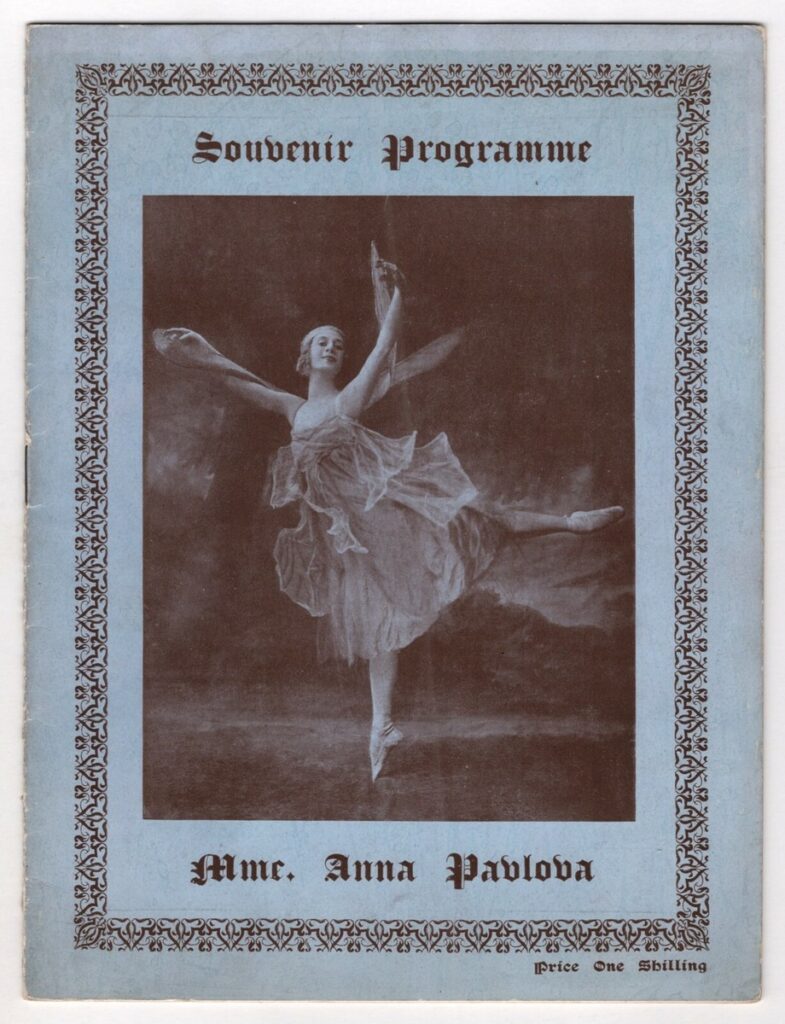
Souvenir books are close cousins to programs, but they often lean more heavily into photographs, essays, biographies, and visual presentation. They were meant to be kept, not simply used during the show.
The early 20th century is especially rich in this area. The Ballets Russes, active from 1909 to 1929, is one of the most famous examples of ballet crossing into visual art, fashion, music, and modernist design. The Library of Congress notes that Ballets Russes materials include photographs, scrapbooks, writings, costume and set designs, choreographic notes, music scores, diaries, and programs.
That matters because ballet memorabilia often overlaps with other collecting categories. A Ballets Russes program, for example, might interest dance collectors, theater collectors, art collectors, costume historians, and ephemera collectors all at once.
Photographs, Postcards, and Cabinet Cards
Dance photography is one of the most visually rewarding areas of classical dance memorabilia. It captures something the stage cannot preserve permanently: a pose, a costume, a face, a gesture, a moment of theatrical identity.
Collectors may encounter:
- studio portraits of dancers
- real photo postcards
- cabinet cards and cartes de visite
- press photographs
- lobby stills
- publicity images
- signed performer photos
The New York Public Library’s Jerome Robbins Dance Division preserves written, visual, and audiovisual dance materials, including photographs, prints, posters, programs, designs, and related files.
When evaluating dance photographs, look closely at the format, photographer’s mark, paper type, inscriptions, and whether the image is a period print or a later reproduction. A beautiful later print can still display well, but collectors should avoid paying original-period prices unless the age and source are supported.
Posters and Advertising Pieces
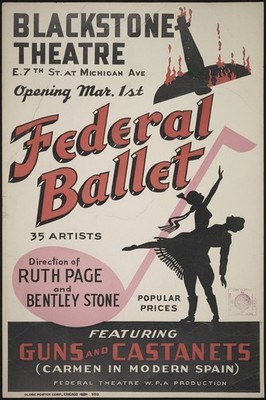
Ballet posters can be stunning. They often combine movement, typography, costume, and venue identity in a way that makes them ideal display pieces.
Posters may advertise:
- a specific ballet
- a touring company
- a star dancer
- a season lineup
- a festival or gala
- a local school production
Condition matters heavily with posters. Tears, folds, tape marks, fading, and trimming all affect value. However, a poster does not have to be perfect to be collectible. A piece with strong graphics, a meaningful production, or a famous company can still be desirable even with age-related wear.
For display, framing with UV-protective glazing is worth considering. Dance posters often rely on subtle color and dramatic contrast, and sunlight can quickly damage both.
Pointe Shoes, Slippers, and Costume Pieces
Few ballet objects feel as emotionally immediate as a pair of pointe shoes. They show work, strain, and the physical reality behind the illusion of effortlessness.
Collectors may look for:
- signed pointe shoes
- shoes tied to a specific dancer or production
- recital slippers from family collections
- costume fragments
- headpieces, tiaras, or floral crowns
- practice wear connected to a known performer
The key word here is provenance. A pair of pointe shoes “said to be worn by” a famous dancer is very different from a pair with documentation, photos, a signed presentation note, or reliable chain of ownership.
Costume pieces require similar caution. Ballet costumes can be altered, reused, repaired, or separated from their original context. Museums treat major dance costumes as serious textile artifacts; the V&A’s Ballets Russes collections and conservation work show how complex dance costume preservation can be.
For most private collectors, small wearable artifacts are best displayed gently, with support and protection rather than frequent handling.
Famous Names vs. Beautiful Unknowns
It is natural for collectors to be drawn toward major dancers, choreographers, and companies. A signed photograph or program connected to a famous performer can be exciting. But dance memorabilia does not need a household name to matter.
Sometimes the most charming pieces are:
- a 1940s recital program from a small town
- a carefully saved ticket from a first ballet
- a child’s dance school photograph
- a local production poster
- a program with handwritten notes in the margin
These objects remind us that ballet is not only an elite stage tradition. It is also a community practice, a childhood discipline, a family memory, and a lifelong love for many audience members.
What Collectors Should Look For
When evaluating ballet and classical dance souvenirs, consider both the object and the story.
For paper items
Look for:
- clear dates and venue names
- complete pages
- strong cover art
- dancer or company names
- autographs or inscriptions
- ticket stubs or related inserts
- minimal tape, water damage, or heavy fading
For photographs
Look for:
- photographer marks or studio stamps
- handwritten identifications
- original mounts or back stamps
- signs of age appropriate to the format
- whether it is a period image or later reproduction
For shoes and costume pieces
Look for:
- signatures with documentation when possible
- notes identifying dancer, date, or production
- stable materials
- minimal crushing, mold, or active deterioration
- evidence that the item was actually used or presented as memorabilia
Common Mistakes to Avoid
Dance memorabilia can be tricky because it is often sentimental. A seller may sincerely believe a story that cannot be proven.
Be cautious with:
- “famous dancer owned” claims without documentation
- signatures that cannot be compared or authenticated
- reproduction posters sold as originals
- framed items that hide damage, trimming, or mounting problems
- costume pieces with vague or overly dramatic stories
A cautious label is better than a false certainty. “Attributed to,” “sold as,” and “believed to be” are useful phrases when the evidence is incomplete.
Care and Display Tips
Dance souvenirs are often made of fragile materials: paper, satin, leather, cardboard, ink, and early photographic processes. Good care helps preserve both beauty and value.
Paper and programs
- Store flat when possible.
- Use acid-free folders or sleeves.
- Keep away from damp spaces.
- Avoid direct sunlight.
- Do not use pressure-sensitive tape for repairs.
Photographs
- Handle by the edges.
- Avoid writing directly on the photo.
- Use archival sleeves.
- Keep identifying notes nearby, not glued to the image.
Shoes and textiles
- Avoid crushing.
- Use acid-free tissue for support.
- Keep away from moisture and bright light.
- Display in a shadow box or covered case when possible.
A well-displayed ballet souvenir should feel elegant, but it should also be protected. These objects were often made to be handled briefly or worn intensely—not to survive forever without help.
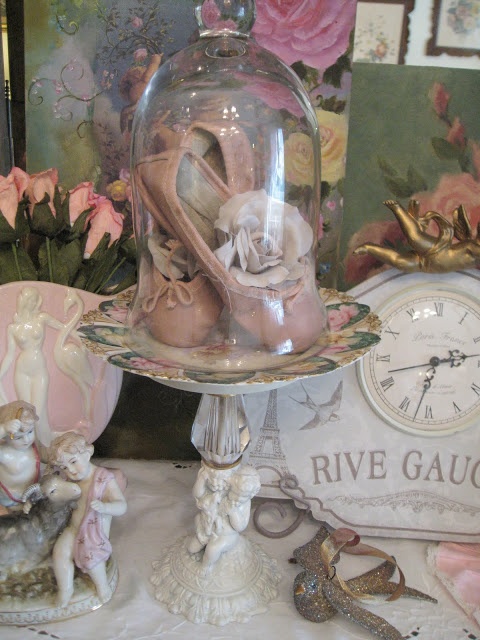
Display Ideas for Ballet Memorabilia
Ballet memorabilia lends itself beautifully to curated displays.
A few ideas:
- A framed program with a ticket stub and dancer photograph
- A shadow box with pointe shoes, a recital program, and a ribbon
- A gallery wall of ballet postcards and poster reproductions
- A small tabletop display with opera glasses, a program, and a compact souvenir book
- A “local dance history” binder arranged by studio, venue, or family member
The best displays let the viewer understand the object quickly: what performance, what dancer, what memory, what moment.
Why These Souvenirs Still Move Us
Ballet asks the human body to do something extraordinary and make it look graceful. Souvenirs remind us that behind the beauty are real people, real theaters, real audiences, and real nights when someone sat down, opened a program, and waited for the curtain to rise.
That is why ballet and classical dance souvenirs remain so collectible. They preserve the stillness around motion—the paper, fabric, photographs, and signatures left behind after the music ends.
Let’s Make History—one curtain call at a time.
Looking for something related?
Dear June Collectibles carries thousands of antiques, vintage pieces, collectibles, ephemera, books, housewares, jewelry, memorabilia, and unusual finds. Inventory changes constantly.
Found something like this while clearing a home or collection?
Before assuming it should be thrown away, tell us what you found. Dear June Collectibles helps families, collectors, executors, and homeowners sort household contents, collections, and estates and identify realistic resale possibilities.