Shuffling Through History

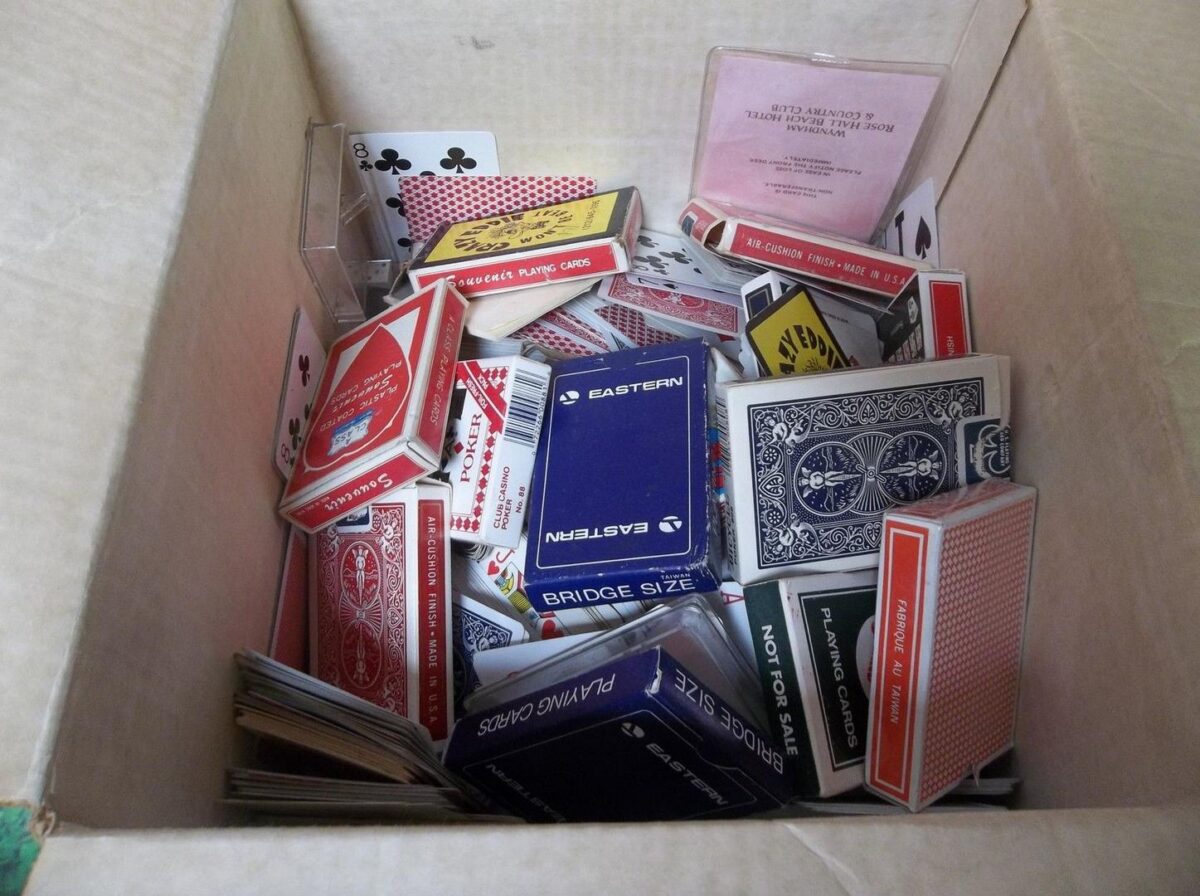
Playing cards are easy to underestimate. A deck is small, familiar, and usually inexpensive enough to toss into a drawer without much thought. Yet once you start looking closely, those 52 little pieces of paper can open the door to centuries of trade, design, gambling, advertising, travel, printing, art, and everyday life.

That is what makes playing cards such satisfying collectibles. They do not need to be large or rare to be meaningful. A souvenir deck from a family vacation, a casino deck with a clipped corner, a transformation deck with clever artwork, or a worn advertising deck from a local business can all tell a story. Each one captures a moment when people gathered, played, passed time, promoted a place, took a chance, or simply enjoyed the ritual of a shuffle.

As we wrap up this playing card series, let’s look at how all these collecting lanes fit together—and how you can build a collection that feels personal, organized, and rich with history.


Continue reading “Shuffling Through History”
Art and Novelty Decks

Some playing cards are collected because they were used. Others are collected because they were never meant to look ordinary in the first place.

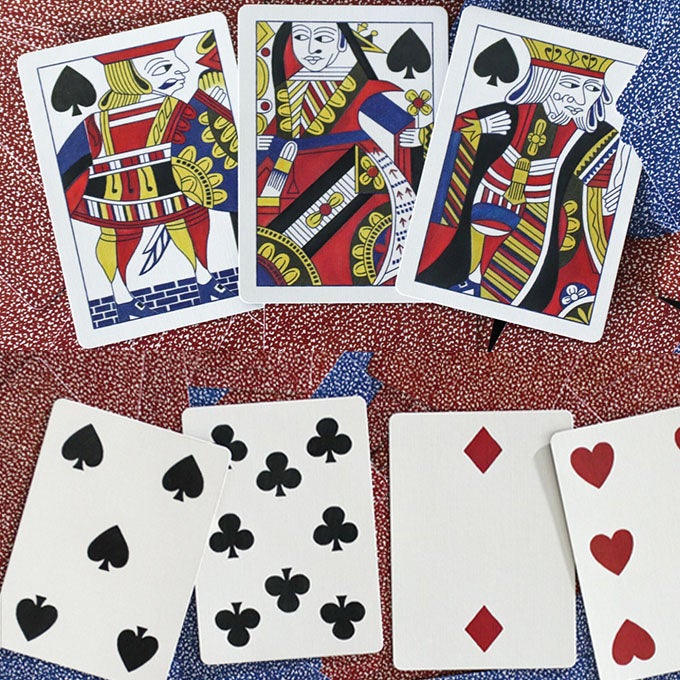
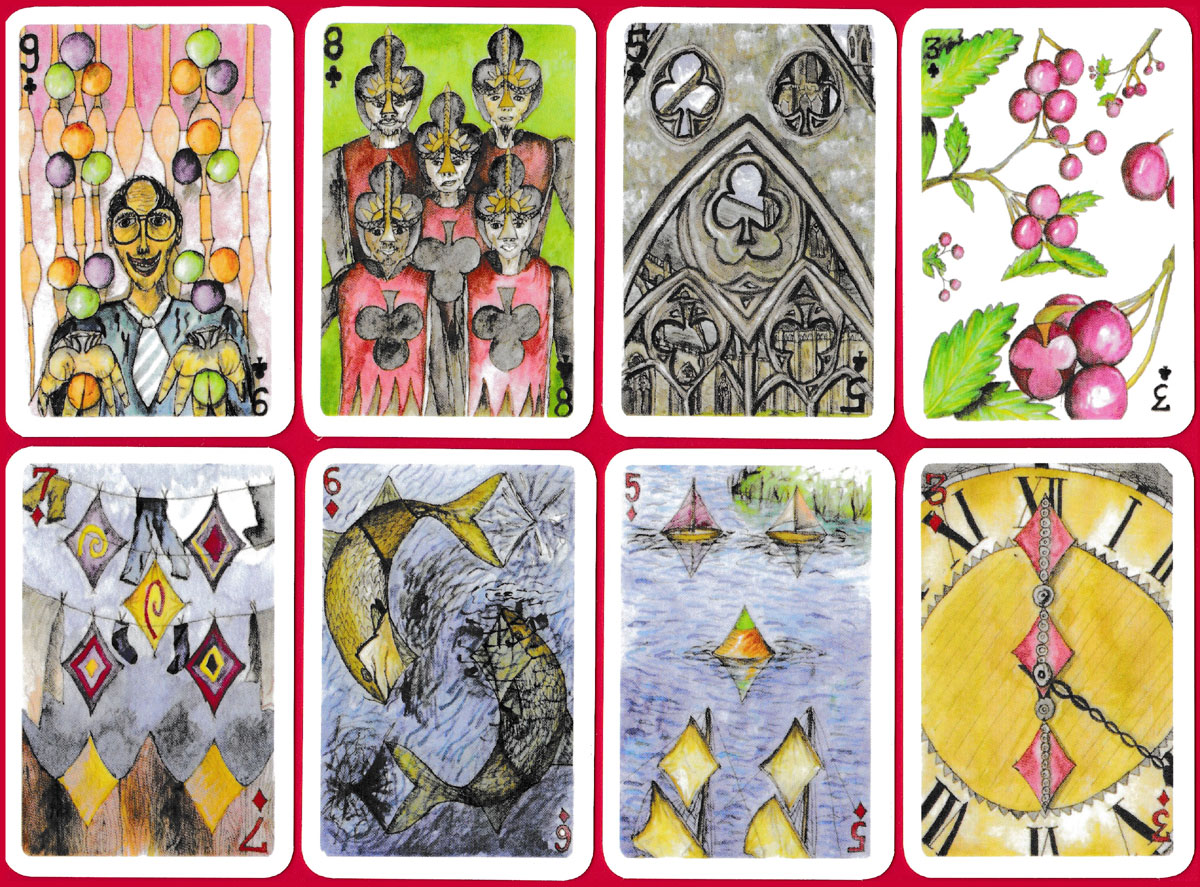
Art and novelty decks are where playing cards become miniature galleries, design experiments, conversation pieces, and sometimes outright jokes. They may still function as cards, but their real appeal often lies in the artwork: unusual court cards, transformed pips, themed jokers, scenic backs, strange shapes, clever packaging, or a concept that makes the whole deck feel like a small art object.

For collectors, this is one of the most flexible and enjoyable playing card categories. You can collect by artist, theme, era, printing style, humor, pop culture, fine art influence, fantasy imagery, animals, holidays, magic, transformation designs, or pure oddity. Some decks are beautiful, bizarre, or charmingly tacky. All of them show how much creative room exists inside a familiar 52-card format.


Continue reading “Art and Novelty Decks”

Souvenir and Advertising Decks

Some playing cards were made for the game table. Others were made to travel.

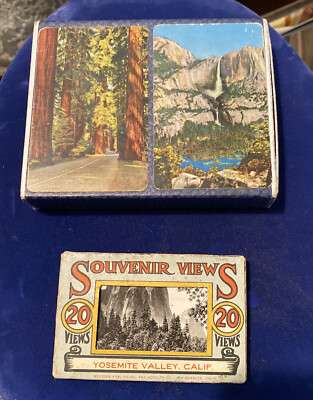
Souvenir and advertising decks are among the most charming corners of playing card collecting because they are small, practical, and full of place-based personality. They can remind you of a long-gone hotel, a favorite vacation spot, a railroad line, a local bank, a state fair, an airline route, or a business that wanted its name sitting in someone’s kitchen drawer for years.

That is the real genius of these decks: they were useful enough to keep. A postcard might be tucked into an album, and a brochure might be thrown away, but a deck of cards could stay in circulation for decades. Every time someone dealt a hand of rummy or bridge, the sponsor’s name, city view, tourist attraction, or company logo came back out onto the table.

For collectors, souvenir and advertising decks offer a perfect mix of paper ephemera, graphic design, local history, and everyday nostalgia.


Continue reading “Souvenir and Advertising Decks”

Gambling and Americana Decks

Playing cards have always lived two lives. On one hand, they are harmless household entertainment: euchre at the kitchen table, solitaire on a quiet afternoon, bridge night with friends, a deck tucked into a travel bag “just in case.” On the other hand, they have a long association with risk, saloons, gaming rooms, card sharps, riverboats, and the thrill of a wager.

That tension is exactly what makes gambling and Americana decks so collectible. They are small paper objects that carry big cultural stories: frontier mythology, casino design, American manufacturing, patriotic imagery, advertising, family game nights, and the visual language of luck itself.

For collectors, this category can be approached in many ways. Some people hunt for casino-used decks. Others love Old West and faro-related designs. Some collect patriotic or regional Americana decks, while others focus on classic American brands like Bicycle, Bee, Tally-Ho, and Congress. Wherever you begin, gambling and Americana decks are a reminder that playing cards are never just cards. They are objects of play, chance, identity, and memory.


Continue reading “Gambling and Americana Decks”

Origns of Playing Cards

A deck of playing cards is one of those everyday objects that feels almost too familiar to question. We shuffle them, deal them, stack them in junk drawers, tuck them into travel bags, and pull them out for holidays, game nights, solitaire, magic tricks, and rainy afternoons. But behind that ordinary deck is a long, winding history of trade routes, regional styles, handmade artistry, printing technology, gambling, education, and entertainment.

For collectors, playing cards are especially rewarding because they are small objects with huge stories. A deck can reflect where it was made, what games people played, what images were fashionable, what printing methods were available, and even what kinds of entertainment were considered respectable—or not.

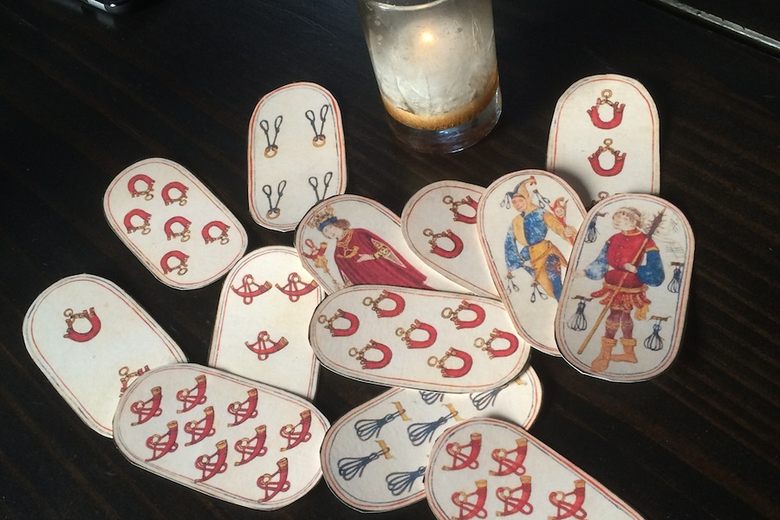
The modern deck did not appear all at once. It evolved across cultures and centuries, changing shape as it moved from early card traditions in Asia to the Islamic world and then into medieval Europe. By the time playing cards became common in Europe, they had already begun the journey from luxury objects to household staples.

Continue reading “Origns of Playing Cards”

©2025 Dear June Collectibles. All Rights Reserved.

Oh hi there 👋
It’s nice to meet you.

Sign up to receive awesome content in your inbox, every Friday morning.

(If you register as a user, you can comment on posts AND subscribe to the newsletter...two birds one stone)

We don’t spam! Read our Privacy Policy for more info.