Nature, Art, and Innovation

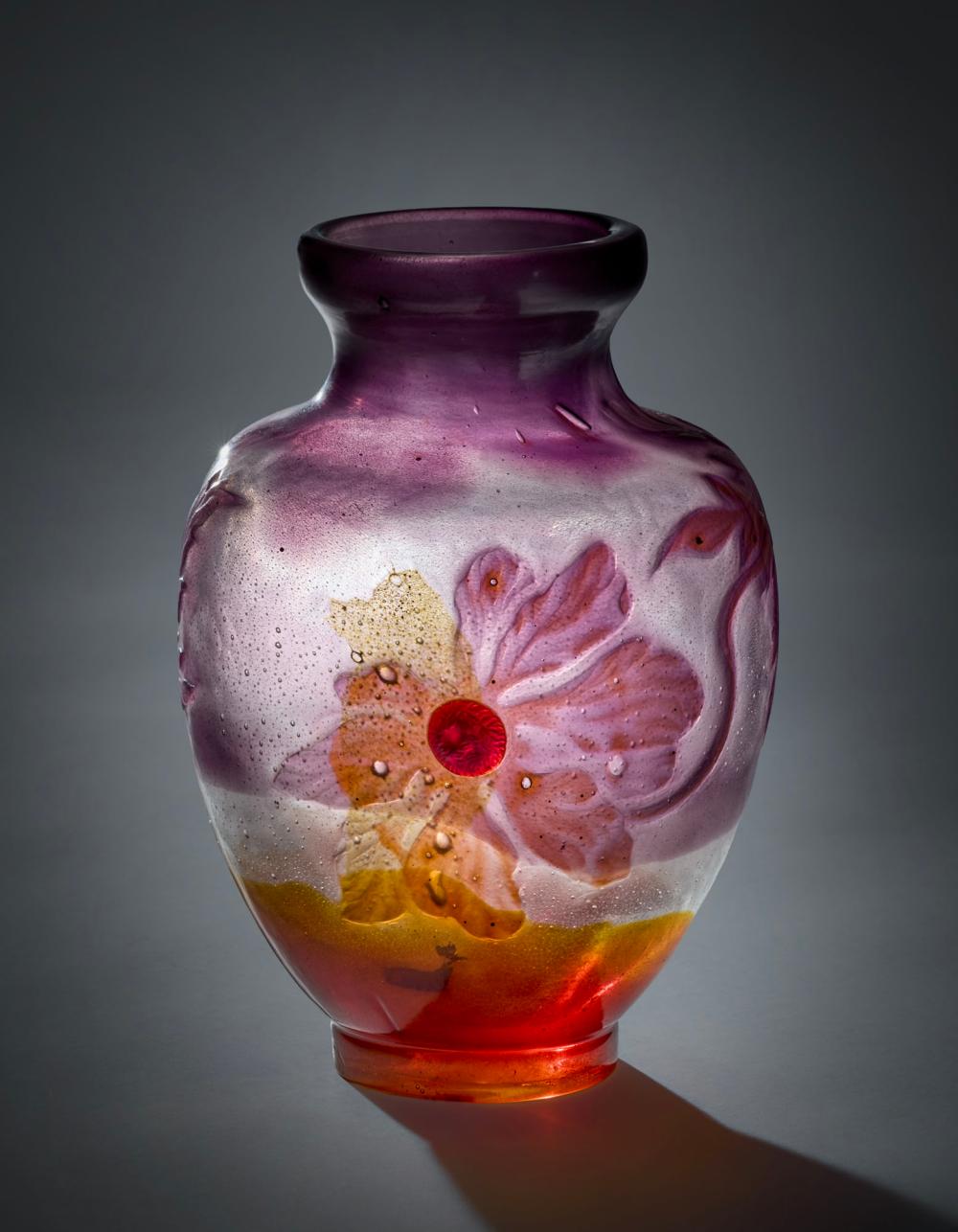
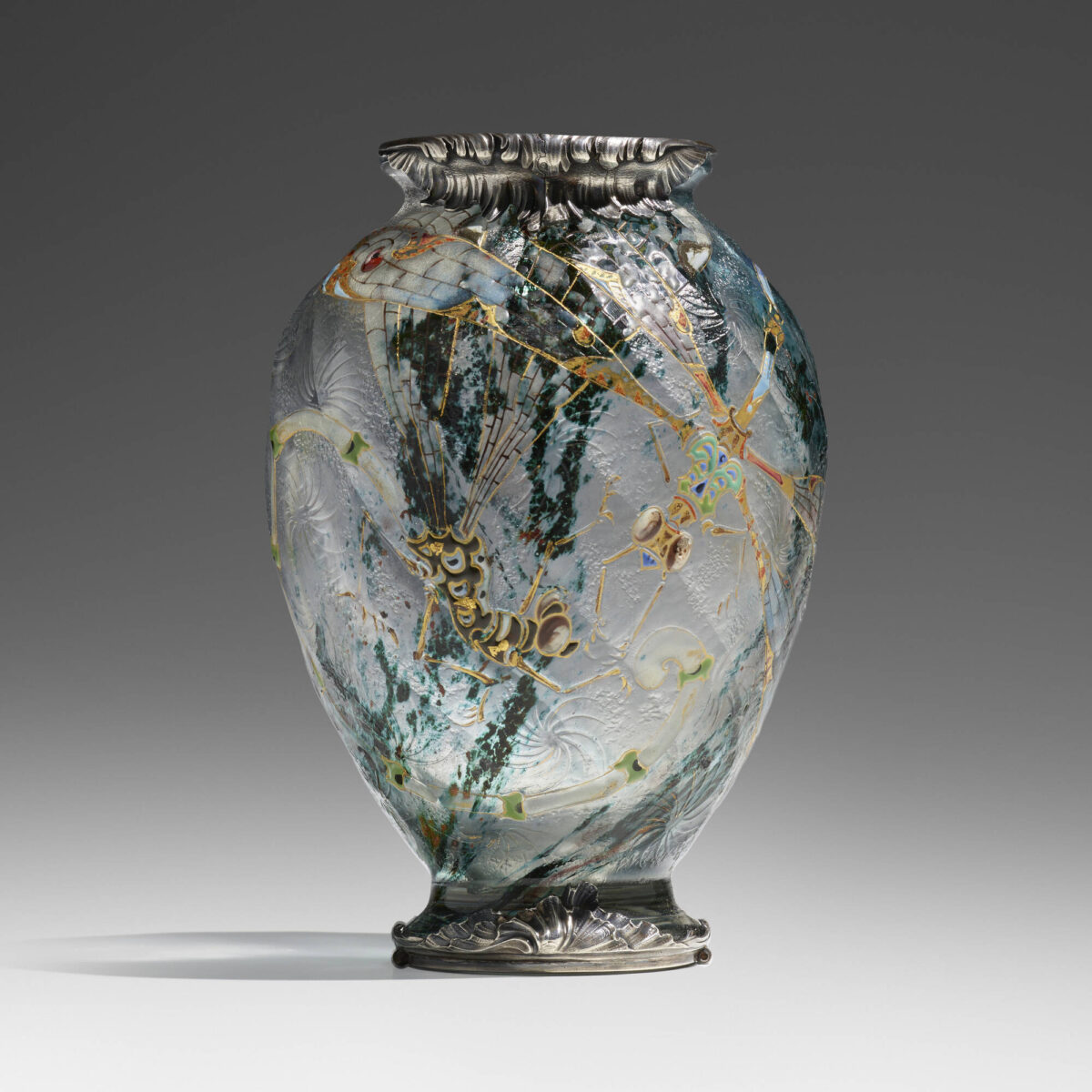
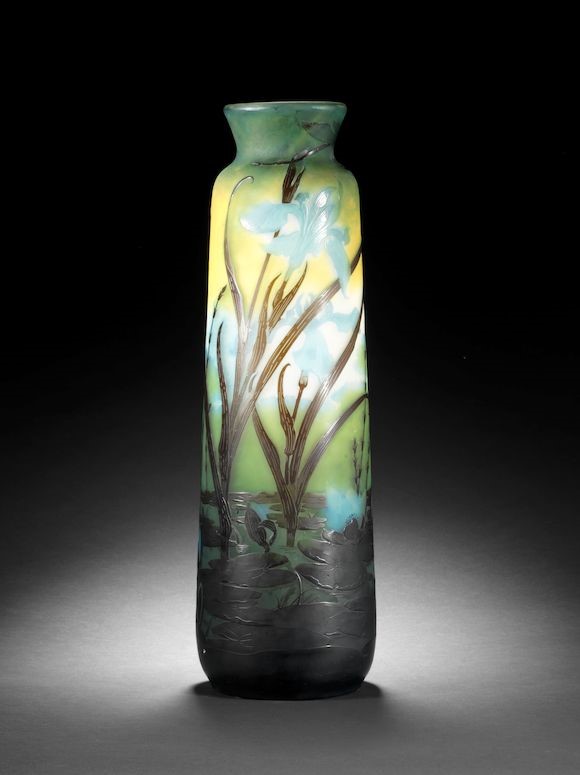
Some Art Nouveau glass is beautiful because it’s decorative. Work in the orbit of Émile Gallé is beautiful because it’s observant. Leaves aren’t generic flourishes; they look studied. Insects feel specific, not symbolic wallpaper. Even the mood—dusk, mist, late-summer warmth—can feel like a remembered walk, translated into glass or wood.

That’s the heart of Gallé collecting: nature isn’t a theme layered on at the end. It’s the blueprint. And once you see that, the “why” of his appeal becomes clearer. Collectors aren’t only chasing a name; they’re chasing a way of seeing—where botany, poetry, and technical experimentation all live in the same object.

This final post in the series ties the threads together: how nature shaped the design language, how innovation shaped the materials, and how collectors can use those ideas to buy smarter (and build a collection that feels intentional).

Continue reading “Nature, Art, and Innovation”
Gallé After Gallé – The Continuation of a Legacy

When collectors fall in love with Gallé, it often starts with a single piece of glass: a vase that looks like it’s holding twilight inside it, a dragonfly that seems to hover in the surface, a floral scene carved out of layered color. And then the next question comes quickly—sometimes right at the first antique mall case:

“Was this made during Émile Gallé’s lifetime… or after?”

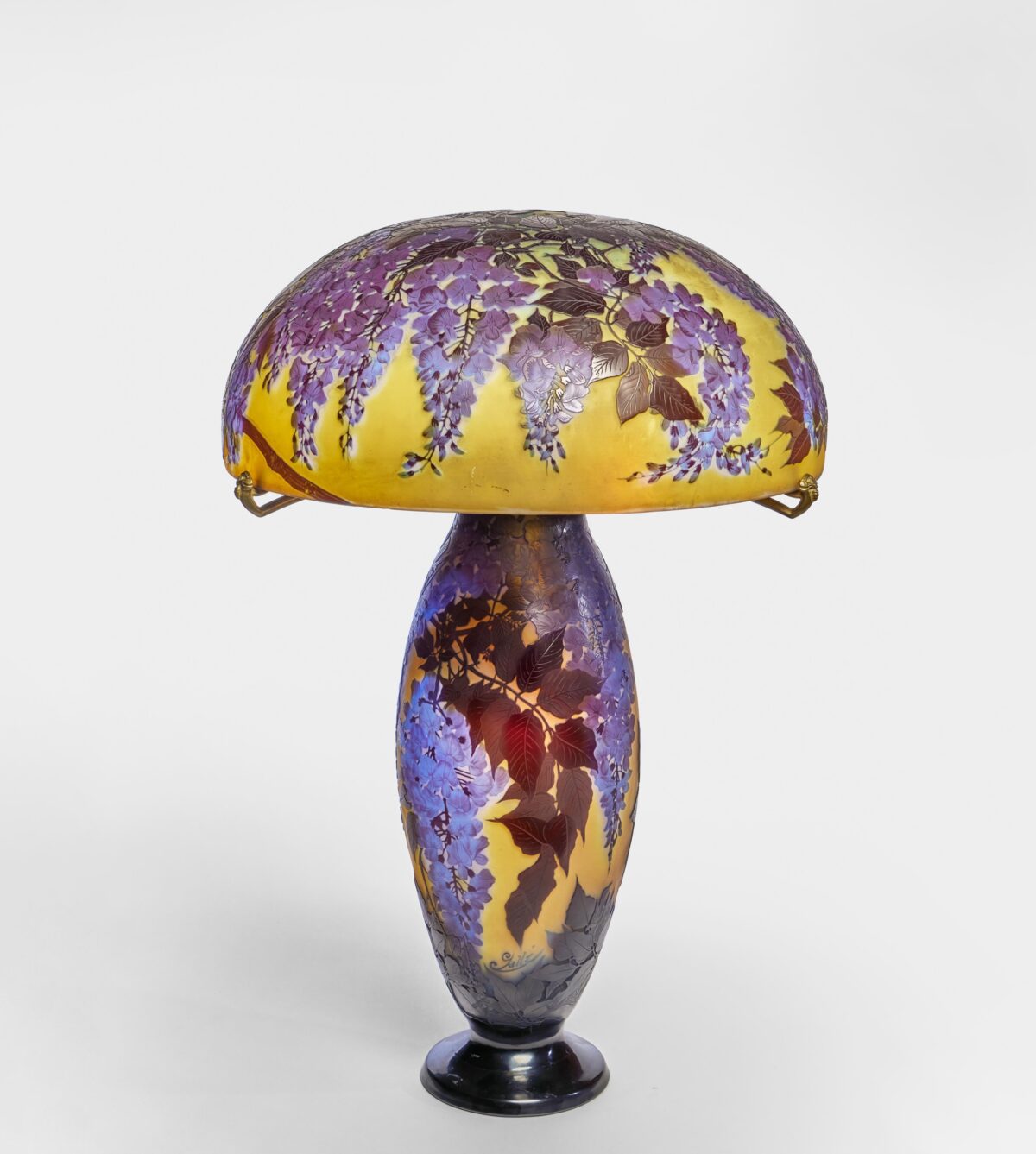
It’s a fair question, and it’s one of the most important (and most misunderstood) parts of Gallé collecting. Émile Gallé died in 1904, but the story didn’t stop that year. The workshop and brand continued, styles evolved, production shifted with the times, and some later pieces became collector favorites in their own right—especially the lamps.

This post is your practical guide to what “Gallé after Gallé” means: what changed, what stayed consistent, how collectors talk about post-1904 production, and how to shop intelligently without getting lost in signature myths.

Continue reading “Gallé After Gallé – The Continuation of a Legacy”

Furniture and Woodwork

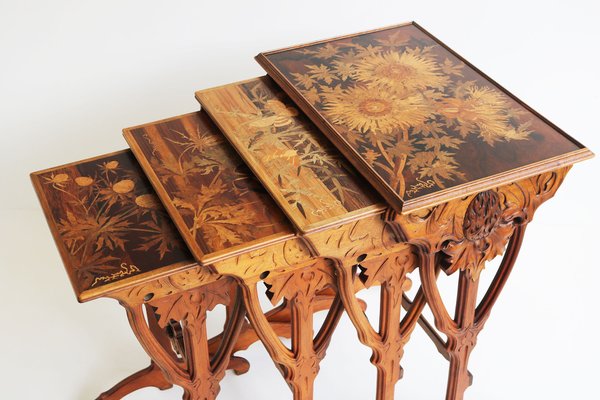
When most people think “Gallé,” they picture glass—moody vases, layered color, dragonflies and flowers rising out of the surface. But for collectors, Gallé’s furniture is where Art Nouveau becomes fully immersive. These pieces don’t just borrow motifs from nature; they’re built around them. Wood grain becomes landscape. Inlay becomes botany. A cabinet or table can carry the same atmosphere as a twilight cameo vase—only on a larger, livable scale.

Gallé made furniture that feels both poetic and purposeful: side tables that read like illustrated panels, cabinets that merge plant anatomy with architecture, and marquetry that turns humble materials into something painterly. If you’re new to collecting this side of Gallé, this post will help you understand what you’re looking at, why it matters, and how collectors evaluate authenticity, condition, and value.

Continue reading “Furniture and Woodwork”

Cameo Glass – Layers of Color and Design

If you’ve ever picked up an Art Nouveau vase and it felt like the design was inside the glass—not painted on top—you’ve brushed up against the magic of cameo. Cameo glass is one of those techniques that makes collectors lean in closer. From across a room it can read as bold silhouette and color. Up close, it turns into relief carving, soft shading, and tiny textural choices that prove a maker knew exactly what they were doing.

In the Gallé world (and the wider Art Nouveau world), cameo glass is where nature motifs truly come alive: petals that rise from the surface, stems that disappear into a darker underlayer, dragonfly wings that look etched from mist. This post is your practical guide to cameo glass—what it is, how it’s made, why it’s collectible, and what to look for when you’re buying.

Continue reading “Cameo Glass – Layers of Color and Design”

The Art Nouveau Visionary

If you’ve ever stopped in your tracks at a vase that looks like it’s still growing—orchids curling up the glass, dragonflies hovering at the rim, a forest scene fading into dusk—you already understand the pull of Émile Gallé. His work doesn’t just decorate a room; it sets a mood. It’s art you can live with, and for collectors, it’s one of the most rewarding intersections of beauty, craftsmanship, and history in the decorative arts.

Gallé (1846–1904) worked in glass and furniture, and he helped define what many people picture when they hear “French Art Nouveau.” But the real story isn’t just flowing lines and nature motifs. It’s experimentation, technical ingenuity, and a very modern idea: that everyday objects—vases, lamps, tables—could carry artistic meaning.

This post is your starting point for collecting (and appreciating) Gallé: what makes the style recognizable, why it mattered, and what to look for when you’re shopping.

Continue reading “The Art Nouveau Visionary”

©2025 Dear June Collectibles. All Rights Reserved.

Oh hi there 👋
It’s nice to meet you.

Sign up to receive awesome content in your inbox, every Friday morning.

(If you register as a user, you can comment on posts AND subscribe to the newsletter...two birds one stone)

We don’t spam! Read our Privacy Policy for more info.