Some dance history lives on grand stages, under theatrical lights, with printed programs and named choreographers. But some of the richest dance history happened in crowded rooms where ordinary people came to move together.
Dance halls, ballrooms, fraternal lodges, hotel salons, school gyms, supper clubs, community centers, and rented halls all helped shape the social life of their time. They were places to court, celebrate, show off, learn new steps, hear the latest music, and become part of a crowd—if only for one evening.
For collectors, social dance memorabilia has a special kind of charm. It is often humble: a dance card, a ticket stub, a photograph, a program, a piece of sheet music, a club badge, or an advertising handbill. But these pieces capture something wonderfully human. They preserve not only dance as performance, but dance as social life.
What We Mean by “Social Dance”
Social dance is dance done with others, usually for recreation, celebration, courtship, community, or shared entertainment rather than formal stage performance. It can be elegant, rowdy, structured, improvised, fashionable, local, or wildly popular.
Across the 19th and 20th centuries, social dance included forms such as quadrilles, waltzes, polkas, schottisches, one-steps, foxtrots, tangos, ragtime dances, swing, jitterbug, mambo, square dancing, disco, and many other regional or era-specific styles. The Library of Congress’s American Ballroom Companion collection documents dance instruction manuals from about 1490 to 1920, including material on ballroom and social dance, etiquette, fashion, and popular dance forms.
For collectors, that wide range is good news. Social dance memorabilia can fit many collecting interests: paper ephemera, music, fashion, local history, African American history, immigrant communities, nightlife, youth culture, and mid-century entertainment.
Dance Halls as Community Spaces
A dance hall was never just a room with music. It was a social stage.
People noticed who arrived, who danced with whom, what they wore, what music played, and what new steps were becoming fashionable. For young people especially, dance halls could offer a taste of independence. For adults, they could be part of courtship, neighborhood identity, civic fundraising, lodge life, military social events, school activities, or holiday celebrations.
That is why dance hall memorabilia can be so rewarding. A ticket or dance card may look small, but it can document:
- a local venue
- a specific band or orchestra
- a club, school, lodge, or church group
- a date and occasion
- local businesses through advertisements
- clothing and etiquette expectations
- musical trends of the moment
A single dance program may tell you more about a town’s social life than a formal history book.
Dance Cards: Tiny Windows Into an Evening
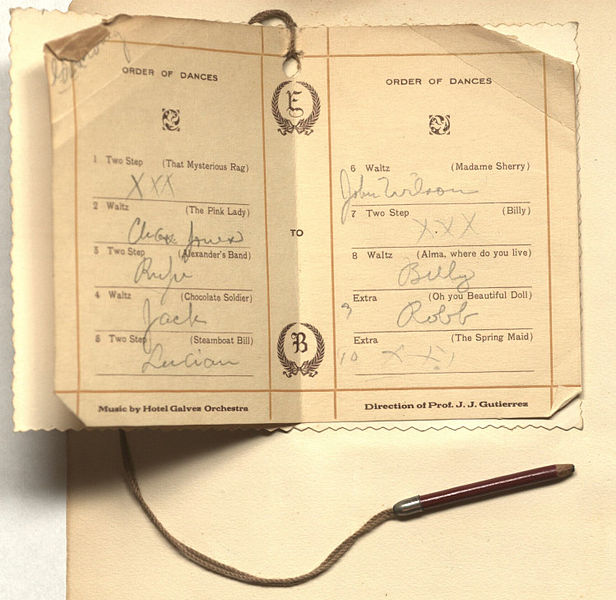
Dance cards are among the most delightful social dance collectibles. At formal dances and balls, a dance card allowed a dancer—often a woman in 19th- and early 20th-century settings—to record partners for specific dances. Some were simple paper cards. Others were decorative keepsakes attached to pencils, ribbons, or small holders.
Smithsonian Gardens notes that dance cards were among the accessories associated with Victorian-era balls, alongside items such as fans, gloves, and bouquet holders.
Collectors love dance cards because they are both practical and intimate. They may include:
- the order of dances
- names of partners
- event title and date
- venue or organization
- decorative covers
- ribbons, pencils, or metal holders
A filled-in dance card has a special appeal because it preserves social interaction. It shows the planned rhythm of the evening—not just what dances were performed, but who shared them.
Programs, Tickets, and Admission Pieces
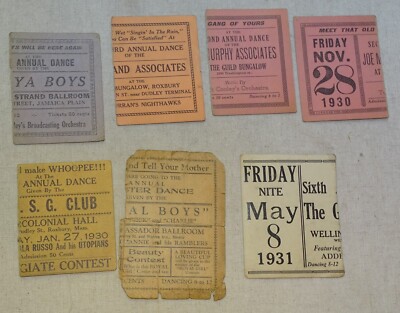
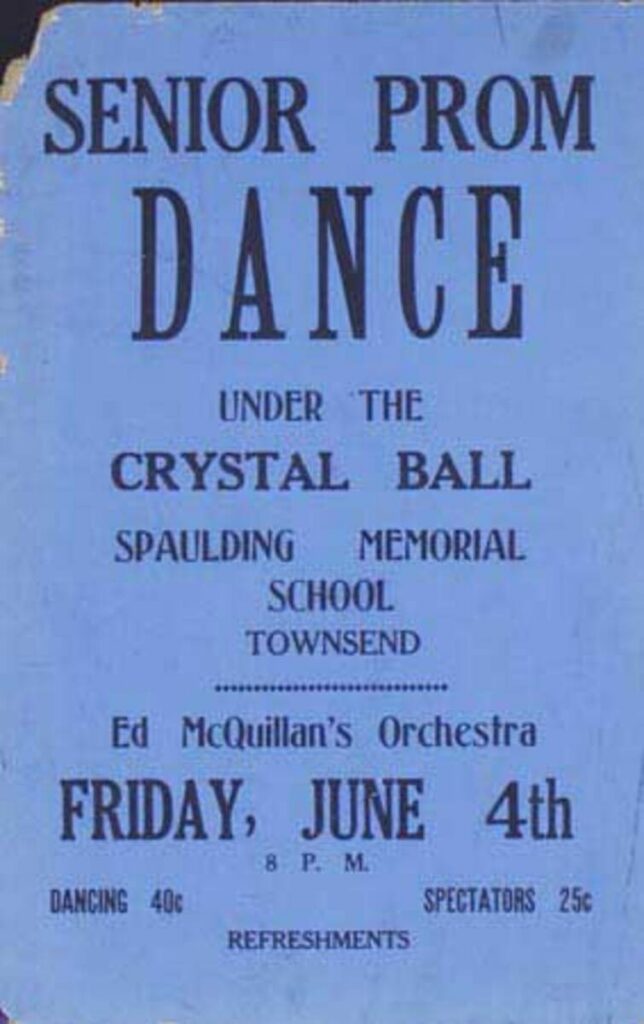
Not all dance events were formal balls. Many were public or semi-public events with printed tickets, handbills, or admission cards. These pieces can be extremely collectible, especially when they identify a venue, orchestra, or community group.
Look for:
- dance hall tickets
- holiday ball programs
- lodge or fraternal organization dances
- school prom or formal programs
- military dance invitations
- benefit dance handbills
- supper club or hotel dance advertisements
- dance marathon ephemera
The more specific the information, the stronger the historical value. A plain ticket marked “Dance” is fun; a ticket naming the venue, band, date, town, and occasion is much more useful to collectors.
Sheet Music and the Dance Craze Trail
Music is one of the best ways to follow social dance history. New dances often spread through sheet music, instruction booklets, phonograph records, radio, and dance bands.
In the ragtime era, syncopated music helped inspire lively new dance trends, including popular “animal” dances such as the grizzly bear, bunny hug, and turkey trot. The Library of Congress notes that ragtime’s syncopation led to smaller, more animated dance steps and helped define an era beyond the music itself.
For collectors, sheet music can be especially appealing because the covers are often visually bold. A single piece of sheet music might preserve:
- a song title tied to a dance craze
- cover art showing dancers or costumes
- publisher information
- performer or theater associations
- regional popularity
- advertising language
Sheet music also displays beautifully beside a dance card, photograph, or program from the same era.
The Jazz Age, Ballrooms, and the Thrill of Modern Movement
The early 20th century brought new rhythms, new dances, and new debates about propriety. Social dance has often made older generations nervous, and that tension shows up in the objects left behind: etiquette manuals, reform literature, dance hall regulations, and newspaper commentary.
The Library of Congress preserves material related to public dance halls and their regulation, including studies focused on dance halls and adolescent recreation from the 1920s.
That context matters because dance halls were often viewed as both exciting and morally suspicious. They were places of music and joy, but also places where reformers worried about youth culture, gender roles, class mixing, race, nightlife, alcohol, and changing social rules.
For collectors, this tension adds depth. A dance hall ticket is not just entertainment ephemera—it can be evidence of how people negotiated freedom, respectability, and modern life.
The Savoy, Swing, and Dance Hall Legends
Some dance halls became legendary. One of the most famous is the Savoy Ballroom in Harlem, which operated from 1926 to 1958. Smithsonian’s National Museum of African American History and Culture identifies the Savoy Ballroom as an American venue active during those years.
The Savoy is strongly associated with swing-era dance culture and the Lindy Hop, and it remains a powerful symbol of Harlem nightlife, African American cultural innovation, and the energy of social dancing. Dance halls like the Savoy remind collectors that social dance history is not secondary to “serious” dance history. It is central to how movement, music, style, and community evolved.
Memorabilia connected to famous ballrooms, jazz clubs, and dance venues can be especially desirable, but local venues matter too. Every town had its own version of the “place where people danced.”
Photographs: The Most Human Dance Memorabilia
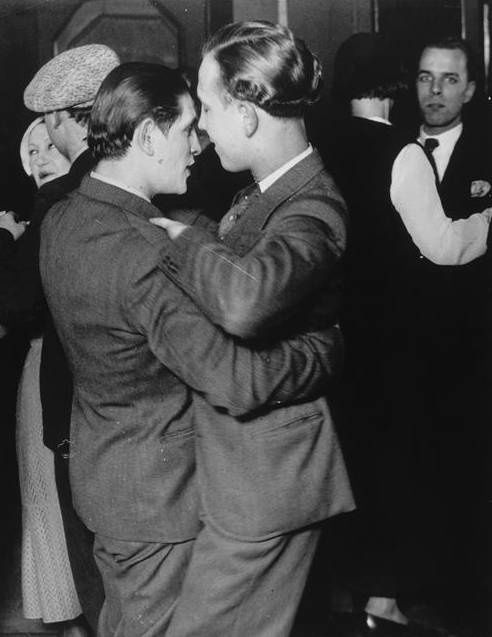
Photographs are often the easiest way to feel the life behind social dance collectibles.
Collectors may find:
- couples posed at formal dances
- dance hall interiors
- prom and school dance photos
- swing dancers in motion
- military dance snapshots
- club or lodge group photos
- bandstand images with dancers in front
- dance marathon photographs
When evaluating photographs, check the back for notes, studio marks, dates, or location clues. A handwritten “Spring Formal, 1948” can turn an attractive image into a meaningful piece of local history.
Dance photographs also help identify clothing, hairstyles, venue décor, and social customs. They are especially useful when paired with a ticket, program, or newspaper clipping.
Dance Instruction Manuals and Etiquette Guides
Before online tutorials, people learned dances from teachers, manuals, diagrams, and social practice. Dance instruction books can be valuable both as collectibles and as historical documents.
The Library of Congress holds many dance manuals, including works that describe dances such as the quadrille, waltz, schottisch, polka redowa, and country dances, along with ballroom etiquette and advice for dancers.
Collectors enjoy these manuals because they show not just steps, but rules:
- how to ask someone to dance
- how to behave in the ballroom
- how to dress
- what dances were fashionable
- how movement was taught and diagrammed
They are especially good display companions for dance cards and formal ball programs.
What Collectors Should Look For
Social dance memorabilia can be affordable, but condition and context matter.
Paper items
Look for:
- clear dates, venues, and organization names
- complete pages
- strong cover art
- minimal tape, water damage, mildew, or heavy folding
- handwritten names or partner lists
Photographs
Look for:
- location and date information
- photographer marks or studio stamps
- clear subject matter
- identifiable clothing or venue details
- related ephemera stored with the image
Venue-related pieces
Look for:
- named dance halls or ballrooms
- band or orchestra names
- admission prices
- posters, handbills, or advertisements
- items tied to opening nights, closing events, or notable performers
Music-related pieces
Look for:
- sheet music with dance-related titles or cover art
- records tied to dance bands
- instruction records or dance lesson materials
- strong graphics and intact covers
Common Mistakes to Avoid
Be cautious with:
- vague “from a famous ballroom” claims without documentation
- reproduction posters sold as originals
- altered photographs or modern reprints presented as period images
- scrapbook pages removed without preserving context
- dance cards separated from event programs or related items
Context is especially important in social dance collecting. If an item came with related pieces, keep them together whenever possible.
Care and Display Tips
Most social dance memorabilia is paper-based, so preservation is straightforward but important.
- Store programs, dance cards, and tickets in acid-free sleeves or folders.
- Keep paper flat when possible.
- Avoid damp basements and direct sunlight.
- Do not tape tears with household tape.
- Keep ticket stubs and dance cards with related programs, but avoid gluing them down.
- Frame posters and photographs with UV-protective glazing when possible.
For display, social dance collections work beautifully in groupings:
- a dance card with a formal portrait
- a sheet music cover with a dance hall ticket
- a prom program with a dated photograph
- a swing-era photo with a ballroom advertisement
- a local venue display with map, ticket, and postcard
Good display helps viewers understand the object quickly: where people danced, when they danced, and what the evening meant.
Why Social Dance Memorabilia Still Matters
Social dance memorabilia preserves the everyday side of movement history. It remembers the people who were not necessarily professionals, not always famous, and not performing for anyone beyond the room they were in.
It remembers first dances, favorite songs, nervous invitations, crowded floors, local bands, fancy dresses, borrowed shoes, and the feeling of stepping into a room where the music had already started.
That is why these pieces are worth saving. They remind us that dance history is not only made by stars. Sometimes it is made by everyone.
Let’s Make History—one dance card at a time.
Looking for something related?
Dear June Collectibles carries thousands of antiques, vintage pieces, collectibles, ephemera, books, housewares, jewelry, memorabilia, and unusual finds. Inventory changes constantly.
Found something like this while clearing a home or collection?
Before assuming it should be thrown away, tell us what you found. Dear June Collectibles helps families, collectors, executors, and homeowners sort household contents, collections, and estates and identify realistic resale possibilities.