Rolling History

Horse-drawn carriages have a way of slowing the imagination down. They ask us to think about travel before engines, before paved highways, before the quick turn of a key and the assumption that distance is easy. A carriage belonged to a world where transportation meant planning, care, skill, weather, road conditions, animal power, and human craftsmanship all working together.

Across this series, we have looked at carriages as transportation, craftsmanship, technology, transition, and preservation. Now we end by stepping back and asking why they still matter to collectors today. Because carriages are not only beautiful old vehicles. They are rolling history—objects that carried people, goods, status, labor, ceremony, and memory through everyday life.

For collectors, the carriage world offers many entry points. You might never own a full-size brougham, buggy, surrey, or wagon, but you can still collect the story through lamps, trade catalogs, photographs, harness brass, maker’s plates, lap robes, postcards, and local-history ephemera. The carriage era was large, layered, and full of material culture. That is what makes it so rewarding.

Continue reading “Rolling History”
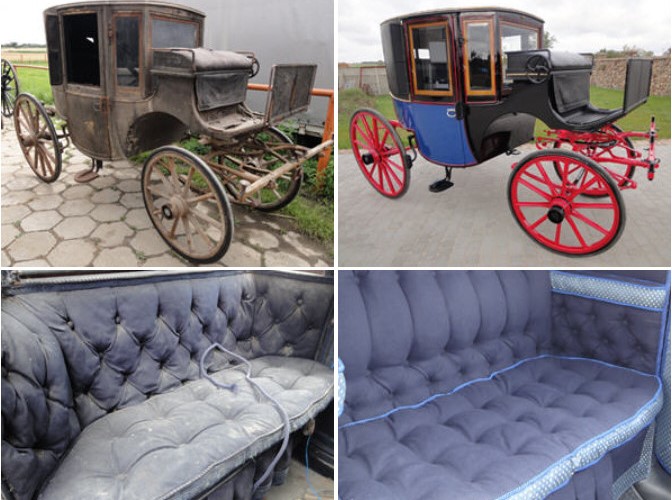
Restoring and Displaying Carriages

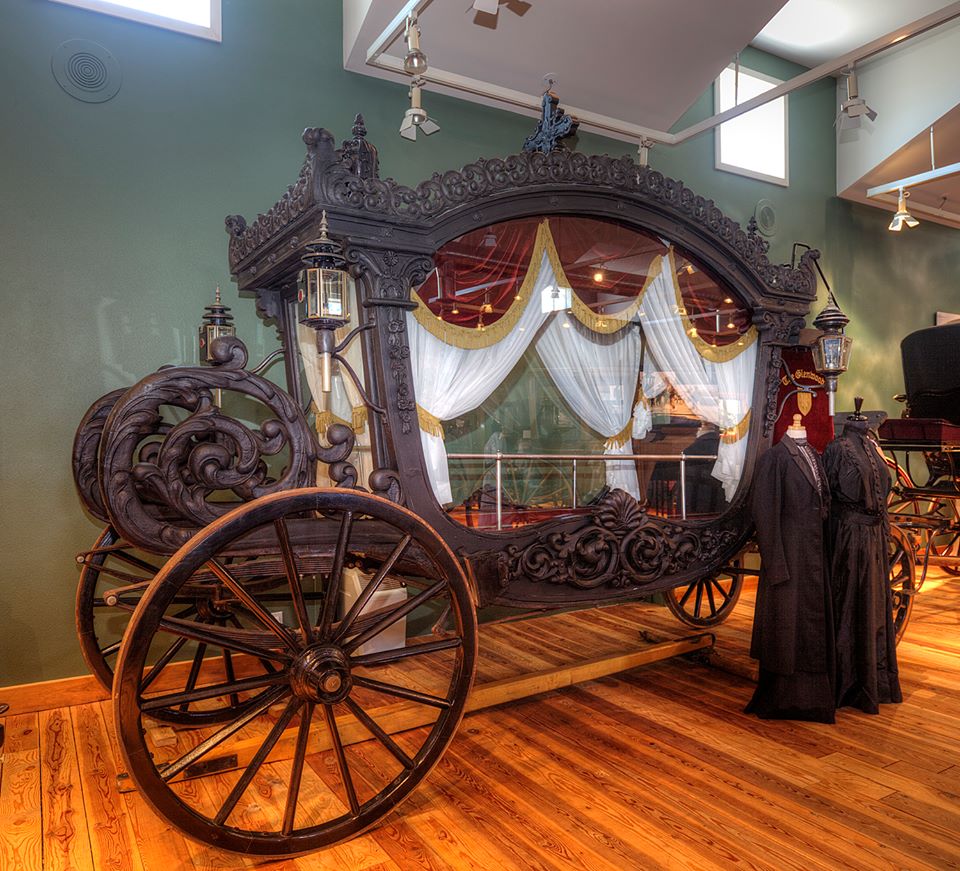
A horse-drawn carriage has presence. Even standing still, it feels ready for motion: wheels angled toward the road, shafts waiting for a horse, steps polished by use, lamps set like watchful eyes. But when a carriage survives into the present, it is more than a vehicle. It is also a large, fragile, multi-material antique—wood, iron, steel, leather, fabric, glass, paint, varnish, and sometimes decorative trim all aging at different speeds.

That makes restoration and display both exciting and complicated. A carriage can be made beautiful again, but it can also be over-restored until the original story disappears. For collectors, museums, dealers, and historic-property owners, the real goal is balance: preserve what is authentic, stabilize what is weak, restore only with purpose, and display the carriage in a way that lets people understand it without putting it at risk.

Continue reading “Restoring and Displaying Carriages”

The End of Carriage Era

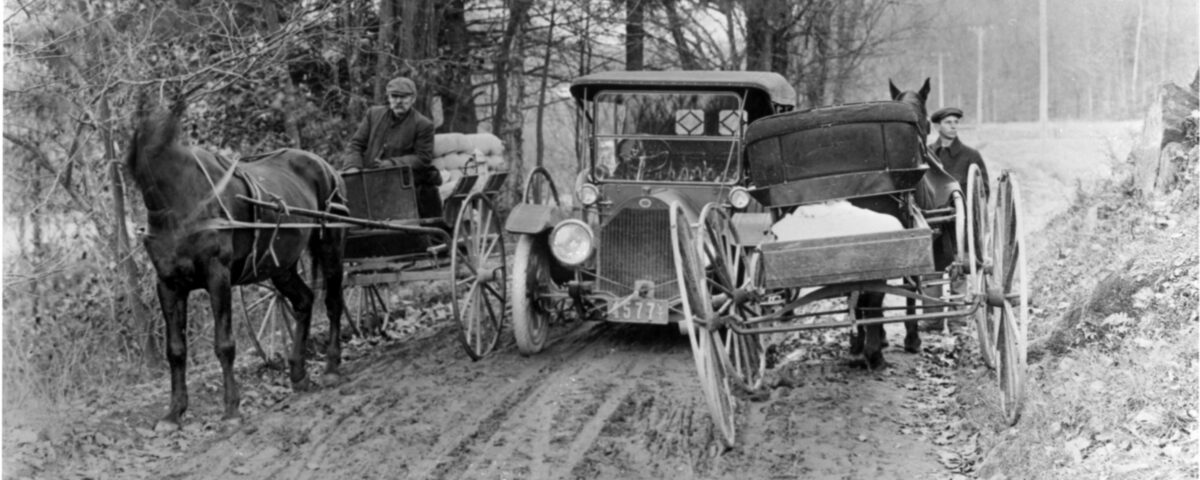
The carriage era did not end with one dramatic day when the horses disappeared and the automobiles took over. For a while, the streets were a noisy mix: carriages, carts, wagons, streetcars, bicycles, pedestrians, and the occasional motorcar all competing for space. In that in-between period, the old world and the new one literally shared the road.

For collectors, that transition is one of the most interesting parts of horse-drawn carriage history. It explains why some carriage companies became automobile companies, why early cars were often called “horseless carriages,” and why carriage-era antiques can feel both old-fashioned and surprisingly connected to the modern world.

The end of the carriage era was not just the replacement of one vehicle with another. It was the fading of an entire system—stables, blacksmiths, wheelwrights, harness makers, coachbuilders, liveries, carriage lamps, lap robes, and all the skills and objects that kept horse-drawn transportation moving.

Continue reading “The End of Carriage Era”

Carriage Makers and Craftsmanship

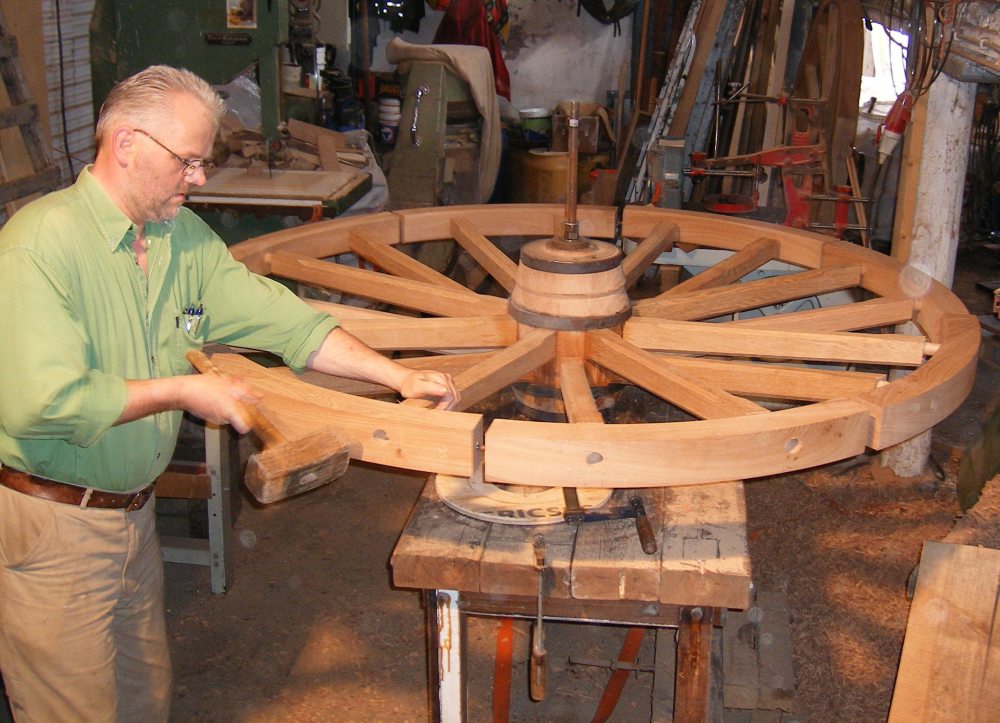
A horse-drawn carriage may look graceful from a distance, but up close it becomes something much more complicated: wood shaped for strength, iron and steel fitted for movement, leather and fabric arranged for comfort, paint and striping applied with remarkable control, and wheels built to survive road after road. A good carriage was not simply “built.” It was engineered, balanced, trimmed, finished, and fitted to the life it was meant to serve.

That is why carriage makers deserve their own place in transportation history. Before automobile factories became symbols of modern industry, coachbuilders, wagon makers, wheelwrights, blacksmiths, painters, trimmers, and harness specialists formed an entire world of skilled trades. Their work carried families, businesses, travelers, mail, goods, and public life through the carriage era.

For collectors, understanding the craftsmanship behind carriages makes the objects more meaningful. A carriage lamp, a maker’s plate, a hub, or a trade catalog is not just an accessory—it is a clue to a highly skilled system of making.

Continue reading “Carriage Makers and Craftsmanship”

Transportation Before the Automobile

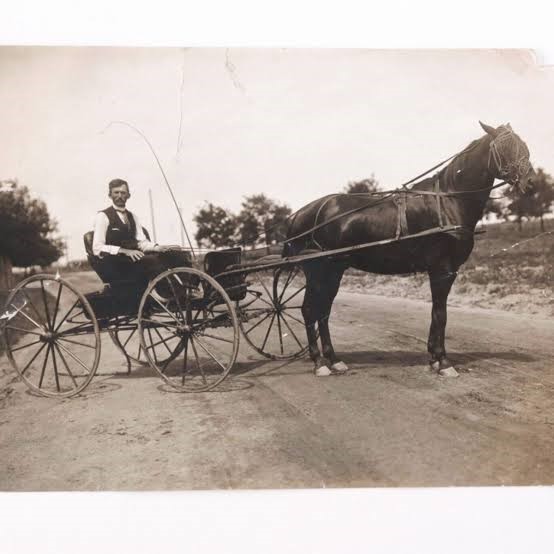
Before the automobile became an everyday sight, roads had their own rhythm: hoofbeats, iron-rimmed wheels, creaking springs, harness bells, and the slow choreography of horses, drivers, passengers, and cargo. Horse-drawn transportation was not one single thing. It was an entire world of vehicles built for work, travel, status, errands, public transit, family outings, and ceremony.

For collectors, horse-drawn carriages offer a fascinating look at how people moved through daily life before cars changed the landscape. A carriage was not just a way to get somewhere. It could show wealth, occupation, region, fashion, and technology. A city cab, a family surrey, a farm wagon, and a gentleman’s coach all tell very different stories.

This series begins with the big picture: what transportation looked like before the automobile, why carriages mattered, and what collectors should notice when they encounter carriage-related antiques today.

Continue reading “Transportation Before the Automobile”

©2025 Dear June Collectibles. All Rights Reserved.

Oh hi there 👋
It’s nice to meet you.

Sign up to receive awesome content in your inbox, every Friday morning.

(If you register as a user, you can comment on posts AND subscribe to the newsletter...two birds one stone)

We don’t spam! Read our Privacy Policy for more info.