
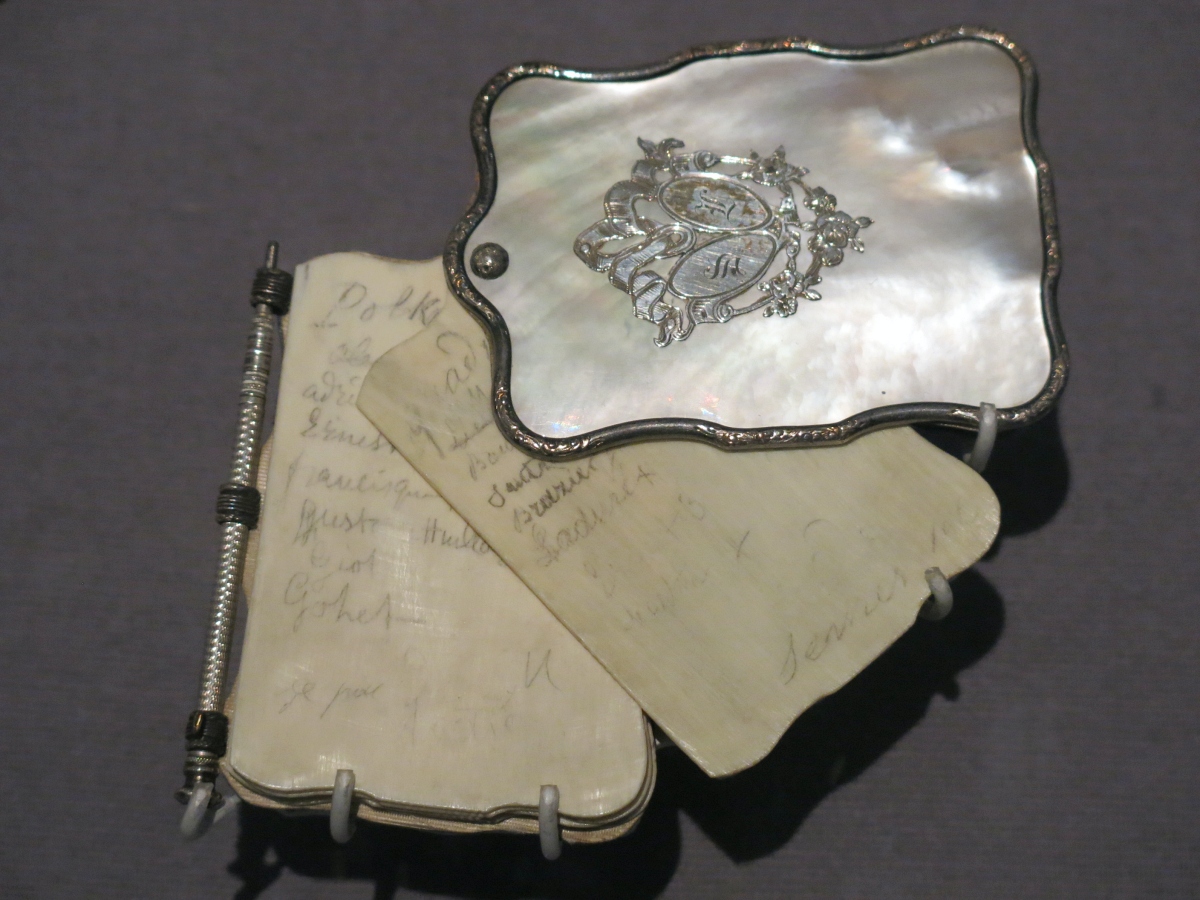
Dance is one of the hardest arts to hold onto. A painting remains on the wall. A book stays on the shelf. A record can be played again. But dance happens in the body, in the room, in the timing between music and motion—and then it is gone. Even filmed dance only captures one angle, one version, one moment in a living performance.
That is why dance memorabilia feels so meaningful. Programs, ticket stubs, photographs, posters, pointe shoes, dance cards, Playbills, costumes, sheet music, and autographs all preserve the edges of something that was never meant to stay still. They do not replace the movement. They remind us that the movement happened.
This wrap-up post brings together the themes of our Dance Memorabilia series: ballet and classical dance souvenirs, Broadway and musical theater collectibles, social dance and dance hall keepsakes, famous dancers and their artifacts, and the collector’s task of preserving motion through objects.
Why Dance Memorabilia Matters
Dance memorabilia matters because it gives physical form to a temporary art.
A program tells us who performed. A ticket tells us someone was there. A photograph freezes a pose. A costume carries the shape of the body that wore it. A dance card preserves the names of partners. A signed photo captures the meeting point between performer and admirer.
These objects also remind us that dance history is not only made by famous companies or star performers. It is made in many places:
- opera houses and ballet theaters
- Broadway stages and touring productions
- school recitals and local studios
- dance halls and ballrooms
- community centers and social clubs
- film sets, nightclubs, and television studios
That range makes dance memorabilia an especially rich collecting field. It includes high art, popular culture, family memory, local history, fashion, music, photography, and performance all at once.
Programs: The Paper Trail of Performance
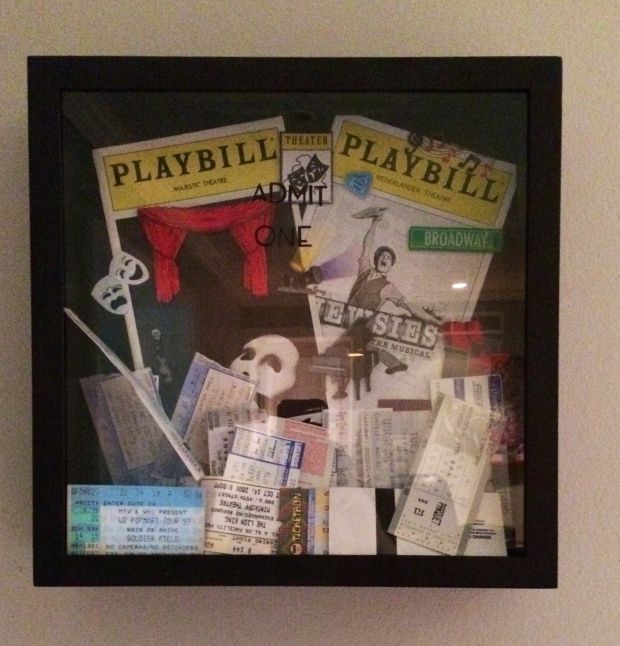
Programs are often the foundation of a dance memorabilia collection because they document the performance itself.
A strong program may include:
- title of the production
- date and venue
- performer names
- choreographer and composer
- cast changes or inserts
- advertisements
- notes about the company or season
Programs are especially helpful because they anchor an event. A dancer photograph may be beautiful, but a program says, “This performance happened here, on this date, with these people.”
For collectors, programs can be gathered by:
- company
- performer
- venue
- production
- city or region
- family connection
- era or design style
A program does not need to be famous to matter. A local recital program from the 1940s or 1950s can preserve community history just as powerfully as a souvenir from a major stage.
Tickets, Stubs, and the Memory of Being There
Ticket stubs are small, but they carry one of the most important ideas in memorabilia collecting: presence.
A ticket says someone attended. It may record the seat, date, price, theater, performance time, or special event. When tucked inside a program, it transforms the program from general ephemera into a personal record of one evening.
Collectors often value tickets tied to:
- opening nights
- closing performances
- premieres or revivals
- notable casts
- farewell performances
- benefit events
- historic venues
Even ordinary tickets can become meaningful when connected to a family story. The more digital ticketing replaces printed stubs, the more nostalgic older physical tickets may feel.
Photographs: Stillness That Suggests Motion
Dance photography is one of the most visually powerful forms of dance memorabilia. A good dance photograph does something almost impossible: it suggests movement while remaining still.
Collectors may find:
- studio portraits
- press photographs
- postcards
- lobby stills
- recital photographs
- rehearsal shots
- signed performer images
- snapshots from social dances
When evaluating photographs, look for marks and context. Photographer stamps, studio names, handwritten notes, dates, captions, and paper type can all help determine age and significance.
A photograph with no identification may still be beautiful. A photograph with names, date, venue, and role becomes much stronger as a historical object.
Posters, Window Cards, and Advertising Pieces
Posters and advertising pieces capture how dance was sold to the public. They show what the production wanted audiences to expect: elegance, drama, romance, glamour, modernity, comedy, spectacle, or star power.
This category includes:
- ballet posters
- Broadway window cards
- dance school recital posters
- ballroom advertisements
- touring company handbills
- nightclub flyers
- dance marathon announcements
Collectors should watch for condition issues such as fading, fold lines, tape residue, trimming, water damage, and brittle paper. Strong graphics can carry a piece even with wear, but originality matters. Reproduction posters can be decorative and enjoyable, but they should not be priced or described as period originals.
Shoes, Costumes, and Objects Worn in Motion
Shoes and costume pieces are among the most personal dance artifacts because they were closest to the body.
A worn pair of pointe shoes or tap shoes can show:
- use patterns
- repairs
- sweat and pressure
- personalization
- rehearsal or performance wear
Costume pieces can be equally evocative, but they require careful evaluation. Theater and dance costumes are often altered, reused, repaired, or rebuilt. A costume “like the one worn in” a production is not the same as a documented performance-worn piece.
When collecting shoes or costume items, provenance is essential. Look for labels, tags, inscriptions, photos, letters, auction records, or notes from the original owner. If the evidence is incomplete, describe the item honestly as “attributed to,” “said to be,” or “associated with,” rather than claiming certainty.
Autographs and Famous Dancer Memorabilia
Signed dance memorabilia can be very appealing, especially when tied to a known performer or production. A signed photograph, program, Playbill, souvenir book, or album cover can make a collection feel personal.
But autographs require caution.
Ask:
- Is the signature original ink or printed?
- Does the inscription match the era?
- Is the item itself period-correct?
- Is there documentation or a signing story?
- Are multiple signatures consistent with the cast or company?
For famous dancer artifacts, provenance often matters more than the object itself. A modest signed program with clear context may be more desirable than a dramatic item with a vague claim.
Social Dance Memorabilia: The History of Ordinary People Moving Together
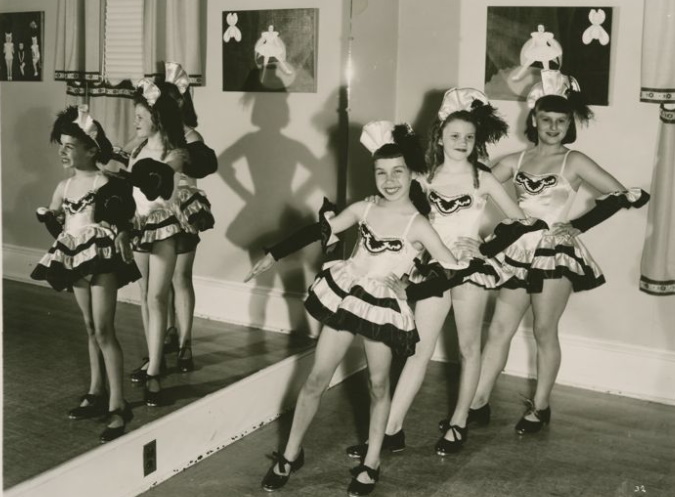
Not all dance memorabilia comes from formal performance. Some of the most human pieces come from social dance: ballrooms, dance halls, school dances, lodge events, military socials, church halls, and community gatherings.
Social dance memorabilia may include:
- dance cards
- admission tickets
- dance hall programs
- sheet music
- band photographs
- prom programs
- club badges
- instruction manuals
- newspaper clippings
These objects preserve courtship, friendship, fashion, music trends, and community life. A dance card with names filled in may capture one evening more intimately than a formal theater program ever could.
This is one of the reasons dance memorabilia is such a flexible field. It preserves the professional stage, but it also preserves everyday joy.
What Collectors Should Look For Across the Category
Whether you collect ballet, Broadway, ballroom, social dance, or famous dancer artifacts, the same basic collector questions apply.
Is it specific?
Specificity adds value and meaning. Look for dates, names, venues, roles, productions, and locations.
Is it complete?
Missing pages, detached covers, damaged photographs, incomplete programs, and separated ephemera can affect both value and usefulness.
Is the story documented?
A note, ticket stub, inscription, photograph, or original envelope can help preserve context.
Is the condition stable?
Some wear is expected. Mold, active deterioration, heavy fading, brittle paper, or crumbling textiles are more serious.
Is the claim believable?
Be cautious with famous-name claims, production-used items, and autographs unless the evidence supports the story.
Common Mistakes to Avoid
Dance memorabilia is often sentimental, and sentiment can blur accuracy. A careful collector avoids:
- assuming every old ballet shoe belonged to a famous dancer
- treating reproduction posters as originals
- separating tickets from the programs they came with
- removing scrapbook pages without preserving context
- over-framing fragile paper with damaging materials
- accepting “from a famous production” claims without proof
- storing photographs or programs in damp spaces
The best collecting habit is simple: preserve the object and preserve the information that came with it.
Care and Preservation Tips
Most dance memorabilia is vulnerable because it is made of paper, fabric, leather, satin, ink, or photographic material.
Paper items
- Store flat in acid-free folders or sleeves.
- Keep away from moisture and direct sunlight.
- Do not use household tape for repairs.
- Keep related items together without gluing them down.
Photographs
- Handle by the edges.
- Store in archival sleeves.
- Keep identifying notes with the photo, not written directly on the image surface.
- Avoid bright display light.
Shoes and textiles
- Support with acid-free tissue.
- Avoid crushing or hanging fragile garments for long periods.
- Keep away from pests, humidity, and sunlight.
- Use covered display cases or shadow boxes when possible.
Autographed items
- Keep signatures away from strong light.
- Avoid touching ink.
- Do not laminate or permanently mount valuable signed paper.
- Store authentication or provenance notes with the item.
Display Ideas That Tell the Story
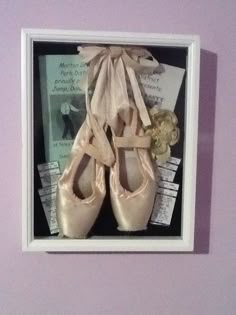
Dance memorabilia displays best when grouped by story rather than simply by object type.
Try:
- a ballet program framed with a ticket and dancer photo
- a Broadway Playbill displayed with a cast recording
- a dance card paired with a formal portrait
- a pair of shoes in a shadow box with a dated program
- a famous dancer display with autograph, photograph, and short biography label
- a local dance history binder arranged by venue or studio
- a wall of posters grouped by decade or style
Good display answers the viewer’s first questions quickly: What is it? Who is connected to it? When did it happen? Why does it matter?
The Real Beauty: Holding What Dance Leaves Behind
Dance memorabilia is moving because it lives in the space between presence and absence. It is not the performance, but it points back to the performance. It’s not the dancer, but it remembers the dancer. It is not the music, but it carries the night when the music played.
For collectors, that is the heart of the category.
To collect dance memorabilia is to preserve evidence of motion: the paper, fabric, ink, photographs, and small keepsakes left behind after the applause faded. These objects remind us that movement may vanish, but memory can still be held.
Let’s Make History—one remembered step at a time.
Looking for something related?
Dear June Collectibles carries thousands of antiques, vintage pieces, collectibles, ephemera, books, housewares, jewelry, memorabilia, and unusual finds. Inventory changes constantly.
Found something like this while clearing a home or collection?
Before assuming it should be thrown away, tell us what you found. Dear June Collectibles helps families, collectors, executors, and homeowners sort household contents, collections, and estates and identify realistic resale possibilities.