Carnival Glass Iridescent Memories

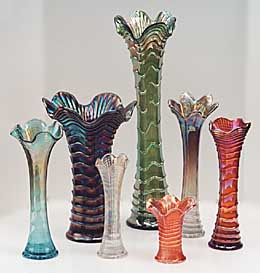
There’s a reason carnival glass can stop you mid-aisle at an antique mall. It isn’t only the color shift—gold to violet to teal in one slow turn. It’s the feeling that the piece has already lived a life. Even when you don’t know the pattern name, you can imagine it on a kitchen table, catching window light while someone poured coffee or set out cookies.

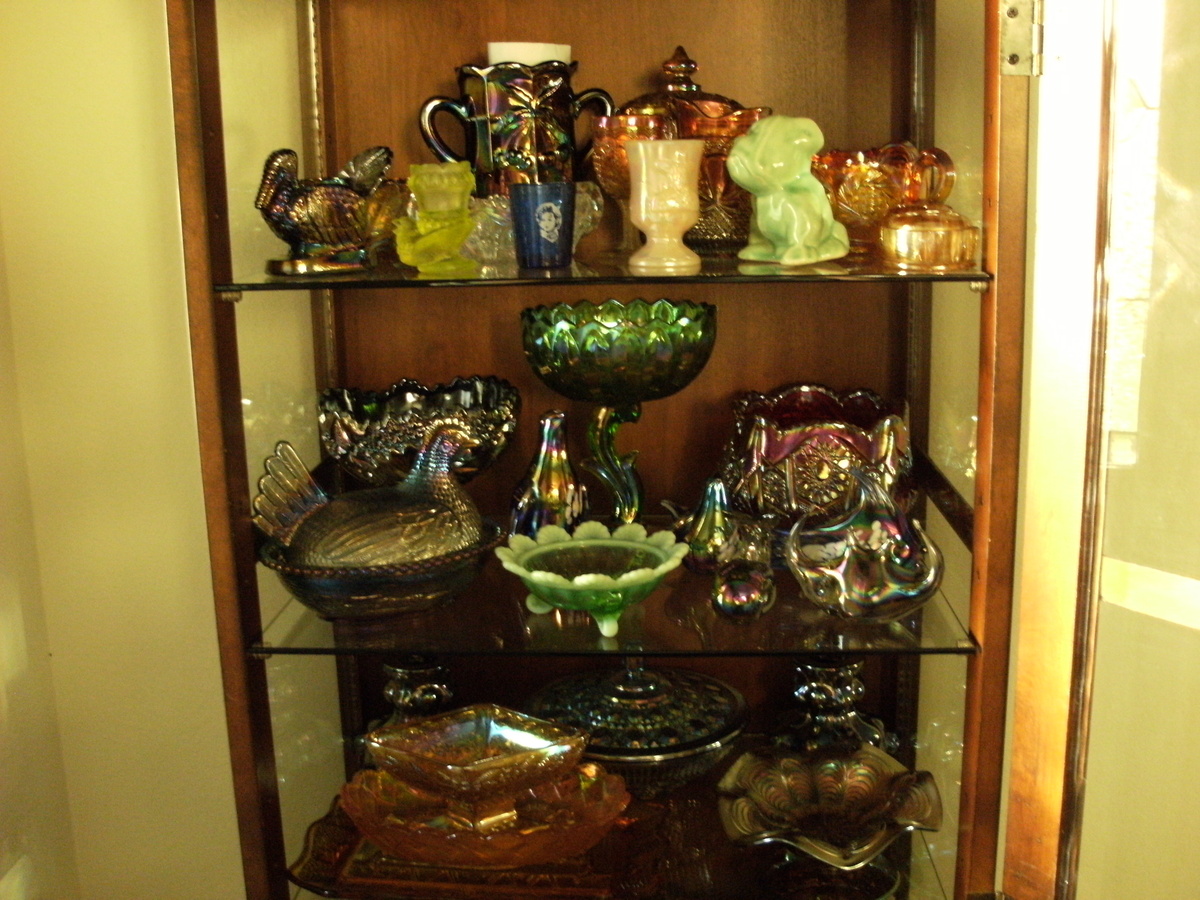
Carnival glass is collectible because it’s beautiful, yes—but it’s also collectible because it’s familiar. It shows up in family cabinets, estate sales, and “Grandma’s hutch” stories more often than many other glass categories. Pieces were made to be used and displayed. They were bought as affordable sparkle, given as gifts, and kept because they made ordinary rooms feel special.

This post is about that side of carnival glass: the nostalgia, the family stories, the small rituals of display, and how modern collectors can preserve—not just the glass—but the memories that come with it.

Continue reading “Carnival Glass Iridescent Memories”
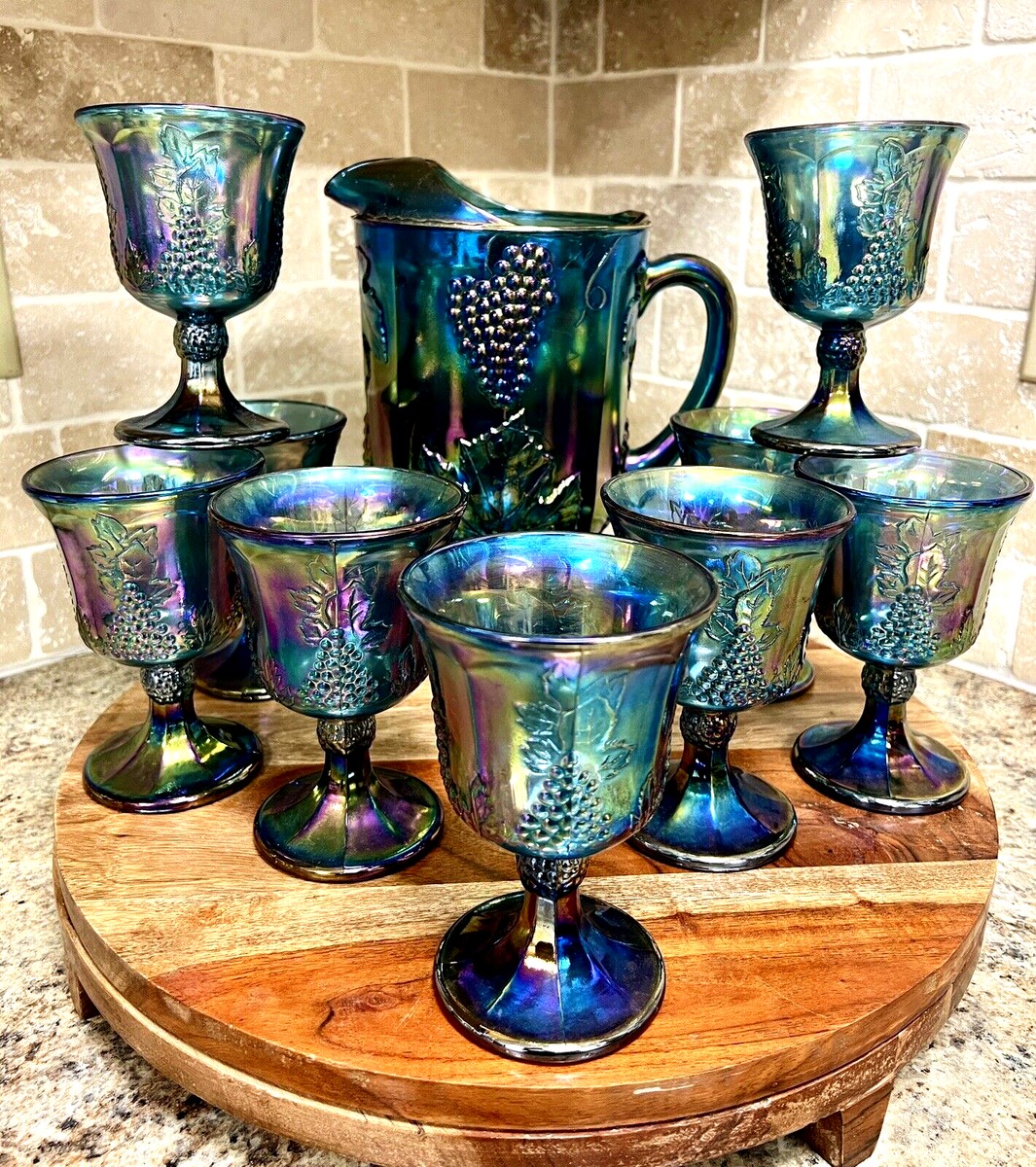
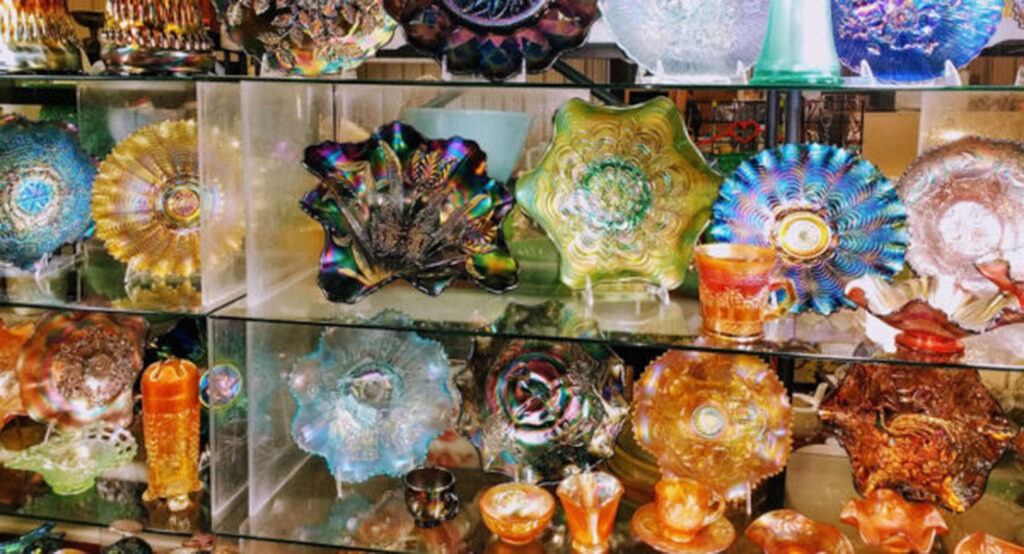
Carnival Glass Modern Collecting and Market Trends

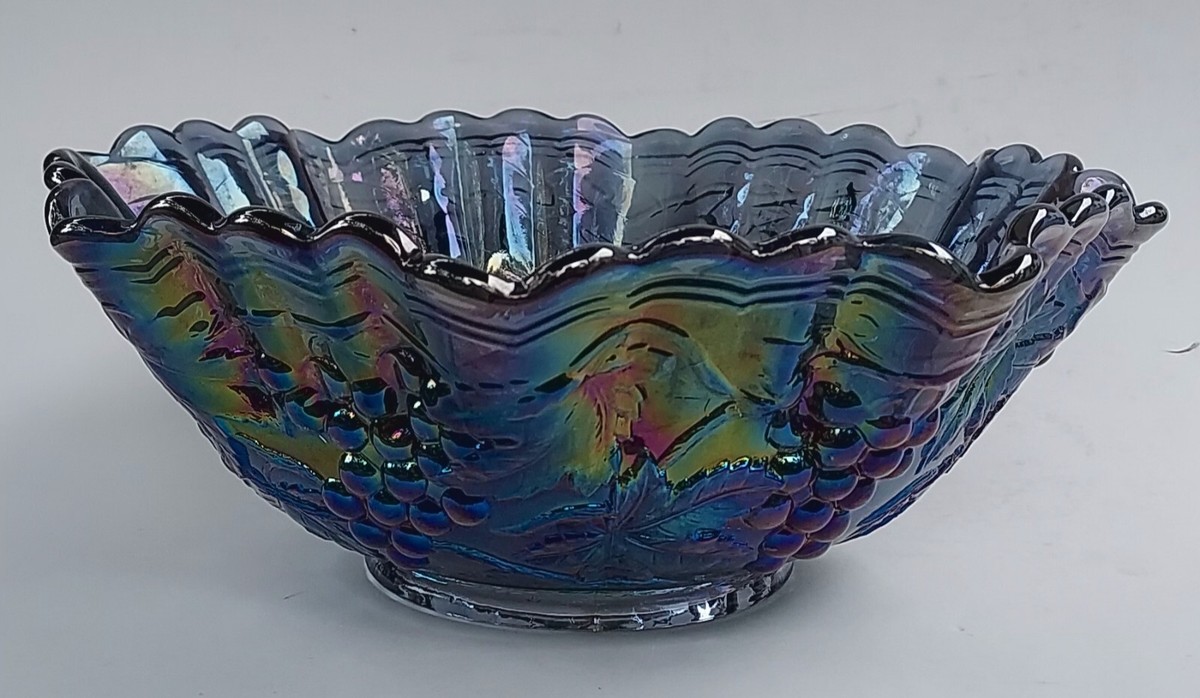
Carnival glass has never stopped being fun. The glow is immediate, the patterns are bold, and a single bowl can make a shelf look like a display case. What has changed—dramatically—is how we collect it. The modern carnival glass world is shaped by online marketplaces, fast pattern identification, and a steady flow of pieces coming out of estates that once held “whole room” collections.

That shift has created a market with two truths that can exist at the same time:

  • Many common pieces are easier to find (and often more affordable) than they were at past collecting peaks.
  • Truly hard-to-find combinations—specific patterns, forms, and base colors—still command strong attention.

This post is about collecting carnival glass right now: what buyers gravitate toward, why certain pieces outperform others, and how to shop (and sell) with confidence without chasing every hype wave.

Continue reading “Carnival Glass Modern Collecting and Market Trends”

Carnival Glass International Makers and Differences

One of the quickest ways to fall in love with carnival glass is to realize it isn’t just an American story. Yes, the look took off in the United States—but the idea traveled. Factories in other countries adopted the same shimmering “everyday luxury” concept and made it their own, shaped by local tastes, local molds, and local markets.

That’s why two pieces can both be “carnival glass” and still feel completely different in the hand. One might be bold and deeply patterned, another sleek and Art Deco, another covered in unmistakably local imagery. If you collect long enough, you start to recognize those regional fingerprints—even before you can put a maker name to them.

This post is a collector-friendly world tour: where carnival glass was made beyond the U.S., what tends to look different from place to place, and a practical checklist you can use when you’re trying to identify an “international” piece in the wild.

Continue reading “Carnival Glass International Makers and Differences”

Popular Patterns and Colors

If “The Birth of Carnival Glass” is the origin story, then patterns and colors are the language collectors actually speak. When you hear someone describe a piece as “marigold in a grape pattern” or “amethyst peacock,” they’re not just naming what it looks like—they’re placing it inside a whole ecosystem of makers, molds, finishes, and display styles.

Carnival glass can feel overwhelming at first because there’s so much of it: thousands of patterns, dozens of base colors, and endless variations created by different factories and different production runs. The good news is that you don’t have to know everything to collect well. You just need a few reliable ways to see carnival glass: how to spot the base color, how to recognize pattern families, and how to describe what you’re holding in a collector-friendly way.

This post is your practical guide to the most popular patterns and the most common color families—and how the two work together to create that signature “oil-slick rainbow” look we all chase.

Continue reading “Popular Patterns and Colors”

The Birth of Carnival Glass

If you’ve ever picked up a piece of carnival glass and turned it slowly under a lamp, you know the moment: the surface flashes from gold to violet to peacock blue, like an oil slick caught in sunlight. It feels a little bit magical—especially because, at its heart, carnival glass was meant to be everyday. That combination of glamour and practicality is exactly why collectors keep falling for it.

Carnival glass is essentially pressed (molded) glass with an iridescent surface treatment. It was made in huge variety—bowls, plates, tumblers, candy dishes, vases—often in bold patterns that were designed to catch and scatter light. Today it’s collectible for its color, pattern, and nostalgia. But its origin story starts with something even more interesting: a deliberate attempt to offer the shimmer and luxury of high-end art glass in a more affordable, mass-produced form.

This is the story of how carnival glass was born—why it appeared when it did, how makers achieved that famous iridescence, and how it moved from new “sparkle ware” to a defining collectible category.

Continue reading “The Birth of Carnival Glass”

©2025 Dear June Collectibles. All Rights Reserved.

Oh hi there 👋
It’s nice to meet you.

Sign up to receive awesome content in your inbox, every Friday morning.

(If you register as a user, you can comment on posts AND subscribe to the newsletter...two birds one stone)

We don’t spam! Read our Privacy Policy for more info.