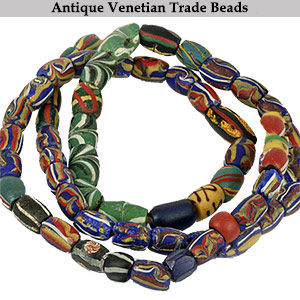
Tiny Objects, Big History

Over the last few posts we’ve traced beads from cave mouths to kings’ courts—from prehistoric shell beads to powerful trade tokens, from diplomatic wampum belts to Venetian glass artistry and the personal strands people still wear today. If there’s one thing this series has shown us, it’s that beads are far more than decoration: they are portable archives of human meaning.
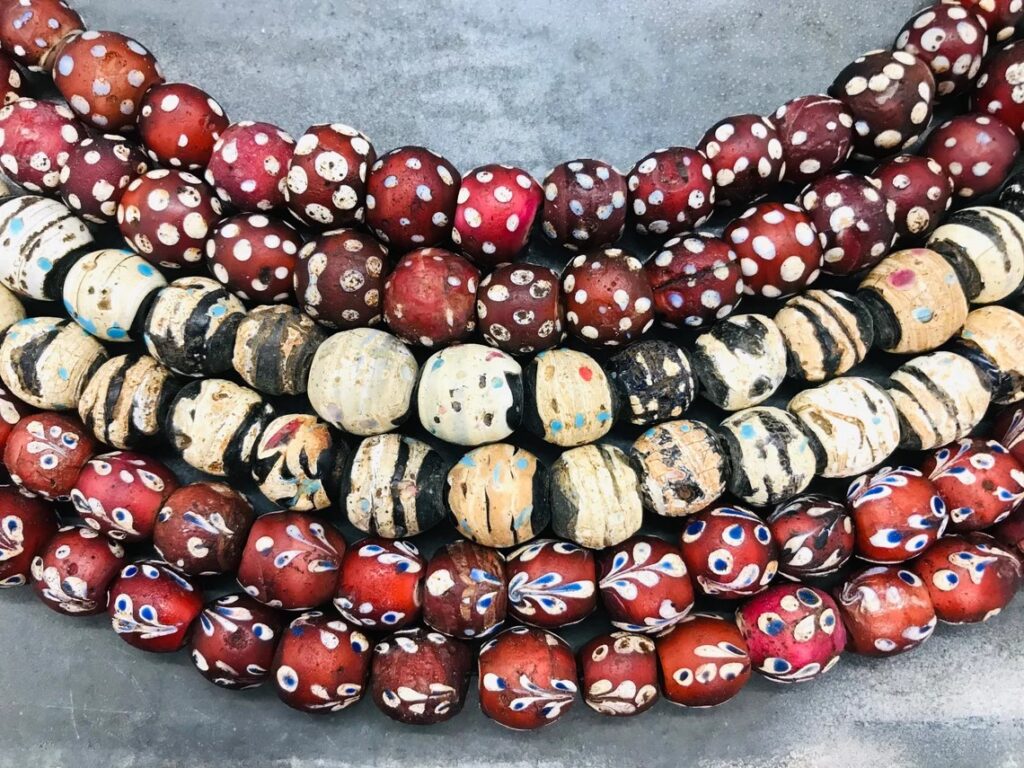
Continue reading “Tiny Objects, Big History”

Beads as Personal Storytellers

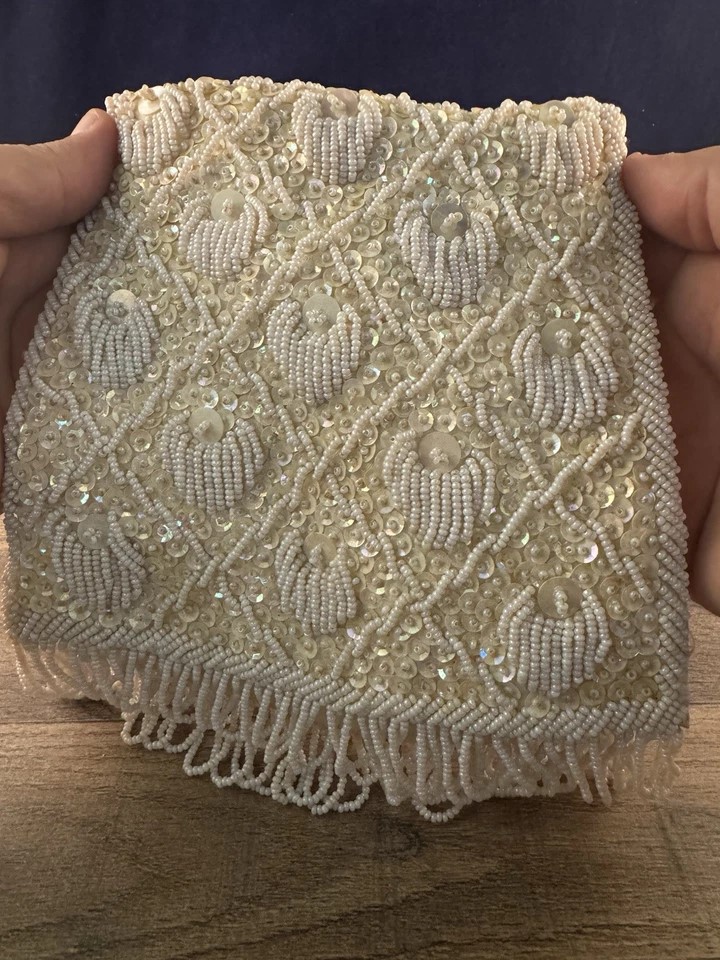
For thousands of years, beads have been markers of identity, memory, and belonging. They carry stories not in words, but in color, pattern, material, and touch—from friendship bracelets made at summer camp, to heirloom rosaries passed through generations, to the shimmering beadwork of a 1920s flapper dress. Wherever beads appear, they record cultural shifts, personal narratives, and the intangible history of feeling.

Continue reading “Beads as Personal Storytellers”

The Art Glass Beads of Murano and Beyond

By the late Middle Ages, the small Venetian island of Murano had become the epicenter of world-class glassmaking. In 1291, the Venetian Republic ordered all glass furnaces to be moved off the crowded main city—not only to reduce the risk of fire but also to guard closely held secrets of the craft. On Murano, entire families devoted themselves to the art of glass. Over generations, their experiments with sand, fire, and mineral colorants transformed molten material into shimmering works of art. Among their most dazzling achievements were beads: small, portable jewels that would travel the globe and carry the prestige of Venice into markets, courts, and villages far beyond the Adriatic.

Continue reading “The Art Glass Beads of Murano and Beyond”

Native American Wampum – More Than Currency

When Europeans first encountered wampum—small, cylindrical beads made from quahog and whelk shells—it was assumed that they were a form of currency. To colonists accustomed to coins and cash, beads seemed like money. But for the Indigenous peoples of the Eastern Woodlands, particularly the Haudenosaunee (Iroquois Confederacy) and Algonquian-speaking nations, wampum was far more than that. It was memory, ceremony, and diplomacy carved into shell.

Continue reading “Native American Wampum – More Than Currency”

Trade Beads and the Birth of Global Exchange

When European explorers and merchants expanded global trade routes in the 16th century, one of their most portable and valuable commodities were beads.

These little objects carried enormous weight: they were symbols of beauty and status, units of exchange, and silent witnesses to some of the most complicated and painful chapters in global history.

Continue reading “Trade Beads and the Birth of Global Exchange”

The World’s Oldest Adornment

Beads are among the earliest forms of human self-expression, stretching back tens of thousands of years. Long before written language, before coins, before organized trade networks, humans were stringing beads. They were more than decoration—they were signals of identity, spirituality, and social belonging. To understand beads is, in a way, to trace the origins of human culture itself.

Continue reading “The World’s Oldest Adornment”

©2025 Dear June Collectibles. All Rights Reserved.

Oh hi there 👋
It’s nice to meet you.

Sign up to receive awesome content in your inbox, every Friday morning.

(If you register as a user, you can comment on posts AND subscribe to the newsletter...two birds one stone)

We don’t spam! Read our Privacy Policy for more info.