From Field to Frame

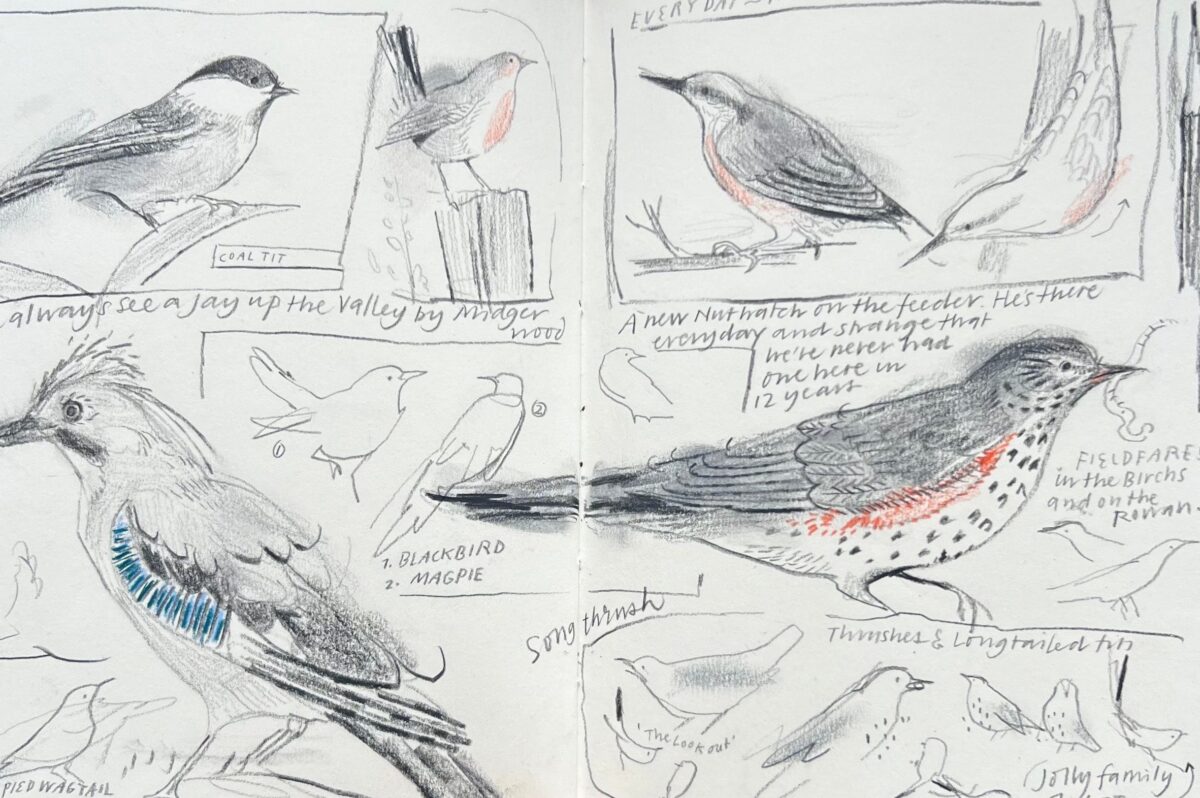
Wildlife prints begin long before they reach a wall. Before the mat board, the frame, the gallery label, or the antique mall booth, there is a much older moment: someone looking closely at a living creature. A bird in a marsh. A fox at the edge of a field. A trout pulled from a stream. A butterfly resting on a leaf.

That act of close observation is the heart of wildlife art. Whether the final piece is a hand-colored engraving, a field guide illustration, a duck stamp print, a modern limited edition, or a decorative reproduction, wildlife prints carry the same basic promise: they bring the natural world indoors while reminding us that someone first had to notice it.

For collectors, understanding that journey—from field to frame—makes wildlife prints more meaningful and easier to evaluate. You are not just buying a pretty bird or animal image. You are collecting observation, artistry, printing history, and the way people have chosen to live with nature on their walls.

Continue reading “From Field to Frame”
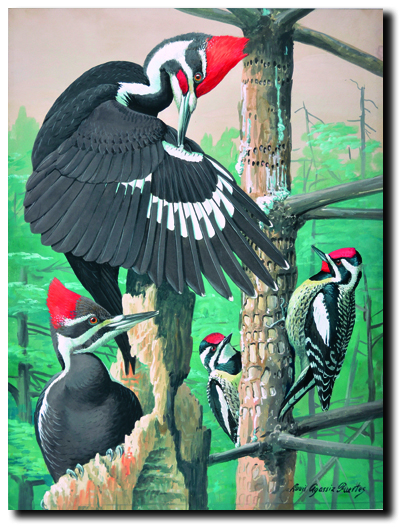
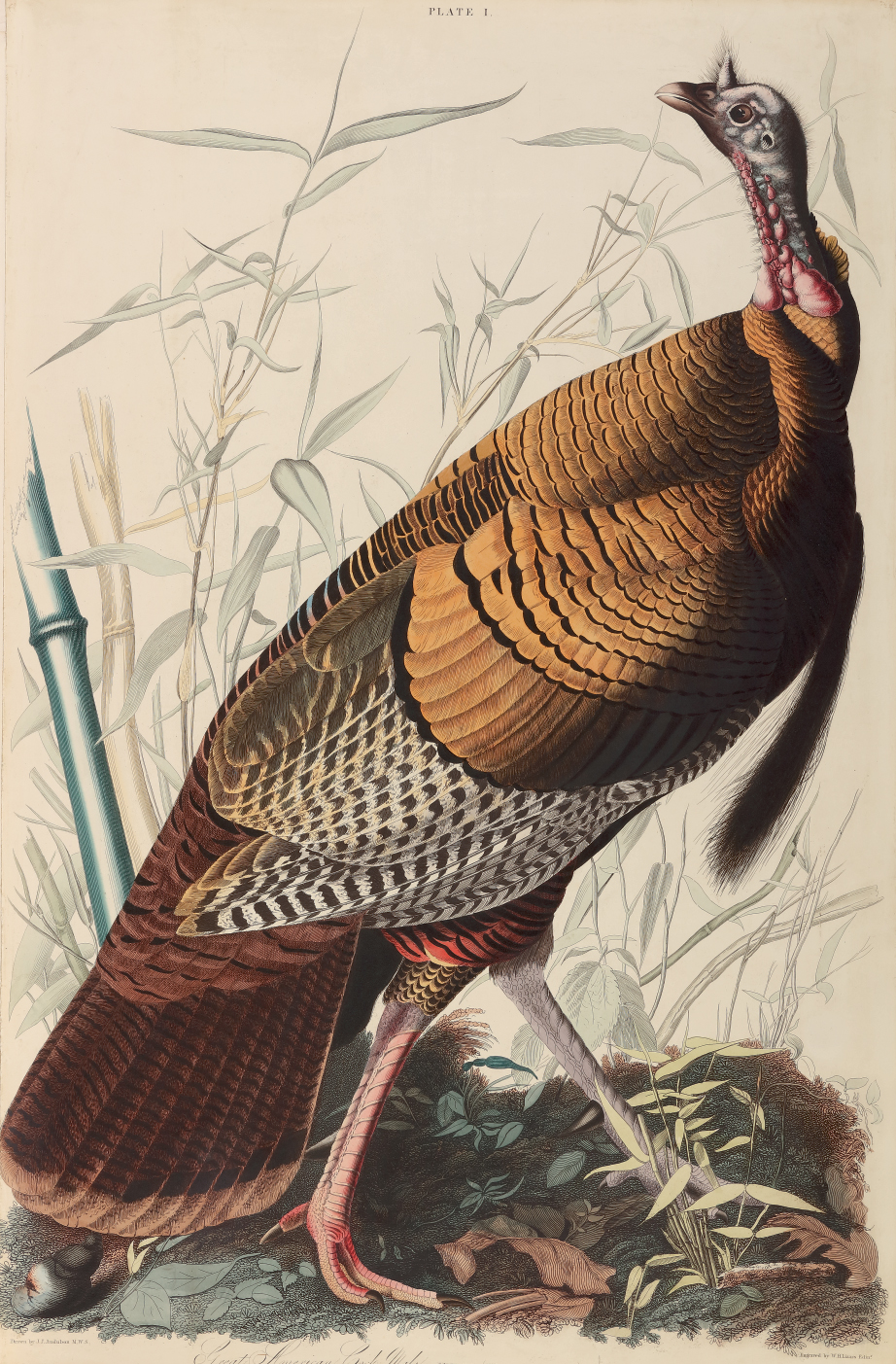
20th Century Wildlife Artists

By the 20th century, wildlife art had changed dramatically. It was no longer only the world of grand natural history folios, engraved plates, and luxury books. Wildlife images appeared in field guides, museum dioramas, conservation posters, magazine illustrations, duck stamps, limited-edition prints, and home décor.

That shift matters for collectors. A 20th-century wildlife print may not have the age of an early Audubon-era engraving, but it can carry just as much cultural meaning. These works reflect a century when more people were birdwatching, visiting national parks, supporting conservation, decorating with nature themes, and learning to identify wildlife in the field.

In short, wildlife art moved from the rare book room into everyday life—and collectors are still following the trail.

Continue reading “20th Century Wildlife Artists”

John James Audobon and Early Wildlife Art

Wildlife prints have a special kind of pull for collectors. They are decorative, yes—but they are also records of curiosity. Long before photography made animal images easy to reproduce, artists and naturalists had to observe, sketch, describe, engrave, print, and hand-color the creatures they studied. A bird on a branch or a butterfly on a leaf was not just pretty wall art. It was a way of sharing knowledge.

In that world, few names loom larger than John James Audubon. His dramatic bird images helped shape how generations imagined American wildlife: full of motion, personality, and grandeur. But Audubon was not working in a vacuum. He belonged to a much longer tradition of natural history art—one that included explorers, engravers, botanists, ornithologists, publishers, and colorists who turned nature into prints collectors still admire today.

Continue reading “John James Audobon and Early Wildlife Art”

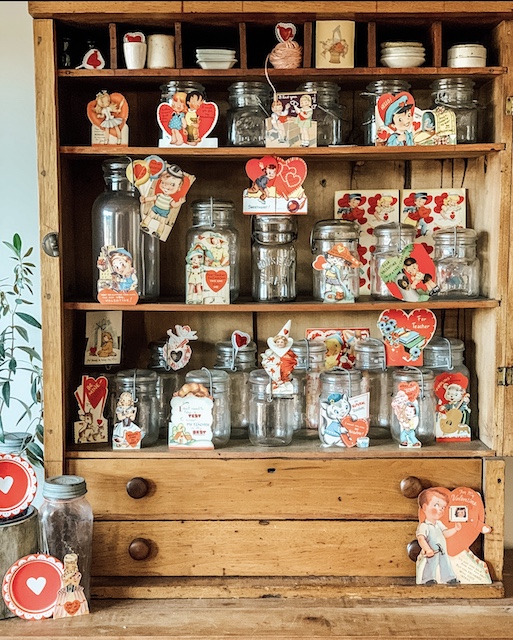
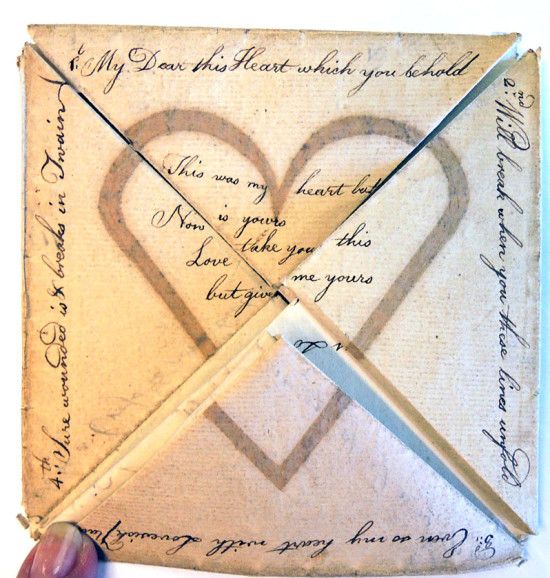
Love in Paper Form

Valentines are easy to underestimate. They are small, light, and often made from the most fragile materials: thin paper, lace borders, glue, ribbon, tissue, glitter, and ink. But for collectors, that fragility is exactly what makes them powerful. A valentine survives because someone saved it. Someone tucked it into a drawer, pressed it in an album, kept it with letters, or left it in a box long enough for a future collector to unfold the story.

Over this series, we’ve followed valentines from handwritten notes to printed lace, from Victorian mechanical cards to vinegar valentines, and from early commercial designs to 20th-century classroom exchanges. This final post steps back and asks why these little paper objects still matter.

Because in the end, valentines are more than decorations. They are love, humor, rejection, memory, and social history—preserved in paper form.

Continue reading “Love in Paper Form”

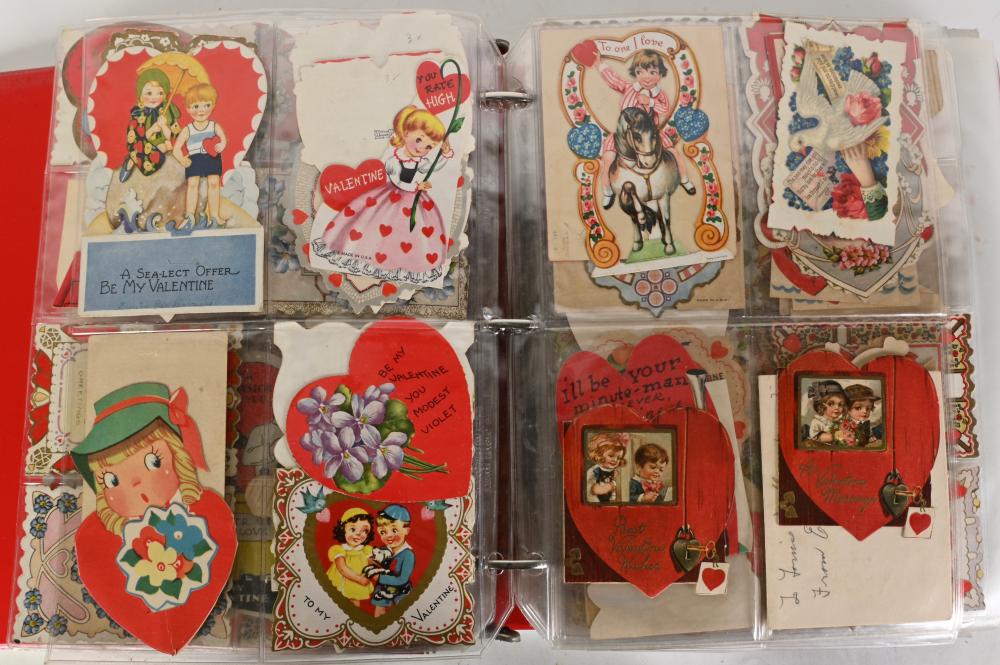
20th Century and Commercial Popularity

By the 20th century, the Valentine had already lived many lives. It had been a handwritten love note, a folded puzzle, a lace-paper keepsake, a mechanical surprise, and even a sharp-tongued insult. But in the 1900s, valentines became something even more familiar to modern collectors: a commercial holiday tradition.

This is the era of postcard valentines, drugstore displays, boxed classroom exchanges, die-cut children’s cards, glossy greeting cards, and designs that moved from romantic courtship into friendship, family, humor, and nostalgia. For collectors, 20th-century valentines are especially rewarding because they are often affordable, highly visual, and full of everyday memory. They are the cards many people remember from childhood—and the ones that still turn up in scrapbooks, estate boxes, school keepsakes, and old desk drawers.

This post looks at how valentines became commercially popular in the 20th century, what styles collectors recognize, and how to evaluate these cheerful little pieces of paper history.

Continue reading “20th Century and Commercial Popularity”

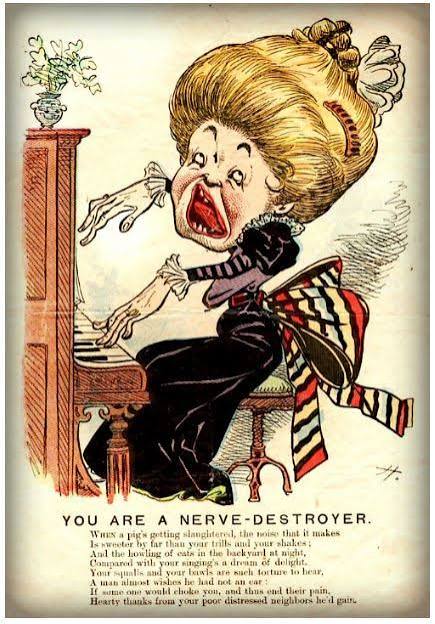
Vinegar Valentines—The Mean Side of Love

Not every valentine was sweet. For every lace-paper card covered in cupids, flowers, and trembling declarations of affection, there was another kind of Valentine’s Day message waiting in the 19th-century mail: sharp, sarcastic, and sometimes downright cruel.

These were the cards collectors now often call vinegar valentines—cheaply printed insult cards that mocked the recipient’s appearance, habits, job, romantic hopes, or social behavior. They were the opposite of sentimental valentines. Instead of “Be mine,” they said, in effect, “Please go away.”

Today, vinegar valentines are fascinating pieces of paper ephemera because they show us the less polished side of Valentine history. They are funny in a dark way, uncomfortable in places, and deeply revealing about the humor, prejudices, and social tensions of their time.

Continue reading “Vinegar Valentines—The Mean Side of Love”

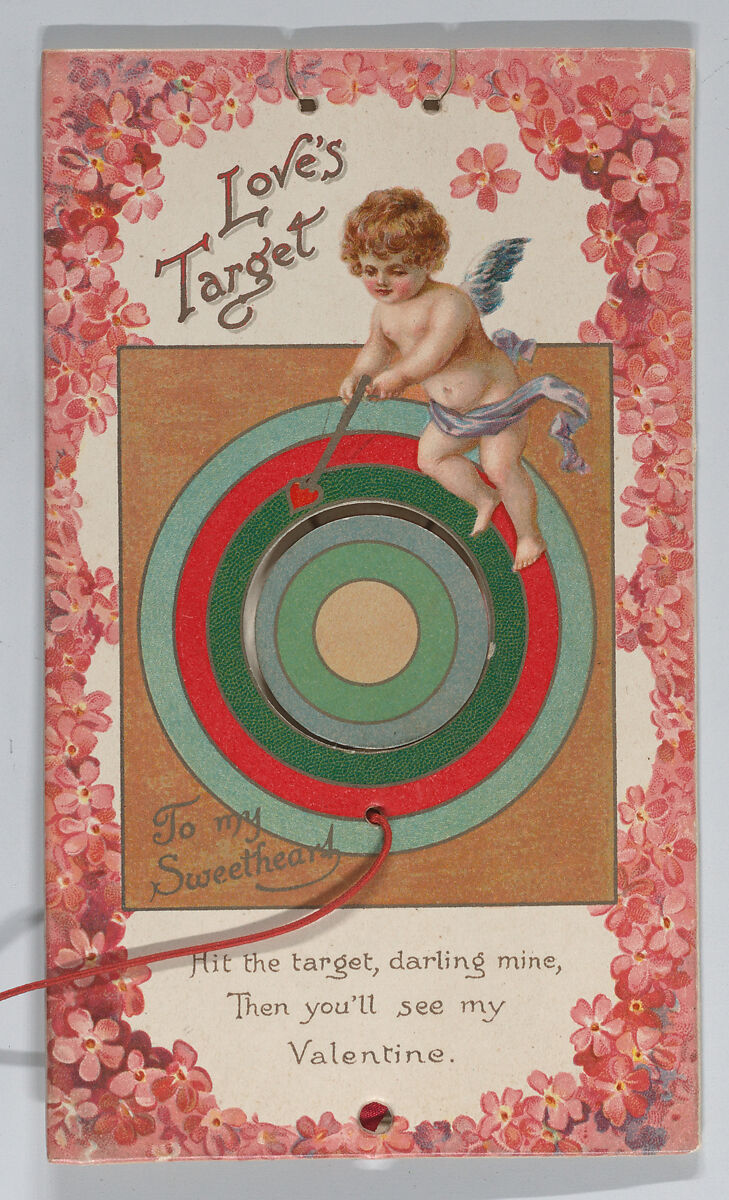
Victorian “Mechanical” Valentines

A flat Valentine card can be beautiful. But a Victorian “mechanical” valentine asks for something more: a touch, a pull, a lift, a little curiosity. It might open to reveal a hidden message, raise a paper figure into motion, unfold into layers of lace, or use a tiny tab to make a couple move closer together. These weren’t machines in the modern sense. They were paper engineering—romance with hinges, tabs, springs, layers, and surprises.

For collectors, Victorian mechanical valentines are some of the most charming and fragile pieces of paper ephemera. They combine sentiment, design, printing, hand assembly, and playful movement. They were made to delight the recipient for a few seconds, yet many have survived for well over a century because someone thought they were too special to throw away.

This second post in our Valentines series looks at the world of mechanical valentines: what they are, why Victorians loved them, how they were made, and what collectors should inspect before buying.

Continue reading “Victorian “Mechanical” Valentines”

From Handwritten Notes to Printed Lace

Before valentines became classroom exchanges, drugstore card racks, and heart-shaped boxes of chocolates, they were personal pieces of paper—sometimes handwritten, sometimes folded like puzzles, sometimes trimmed with lace, ribbons, and tiny scraps of printed color. That is what makes antique valentines so appealing to collectors: they are fragile, sentimental, and deeply human.

A Valentine card is not just paper. It is a message someone chose, bought, wrote, folded, sealed, saved, or tucked away. Some were romantic. Some were shy. Some were elaborate enough to feel like miniature stage sets. Others were simple, sincere notes written in ink and folded by hand.

This first post in our Valentines series looks at the journey from handwritten love tokens to printed lace-paper valentines—the foundation for the Victorian mechanical cards, vinegar valentines, and commercial favorites we’ll explore next.

Continue reading “From Handwritten Notes to Printed Lace”

Tangled in History

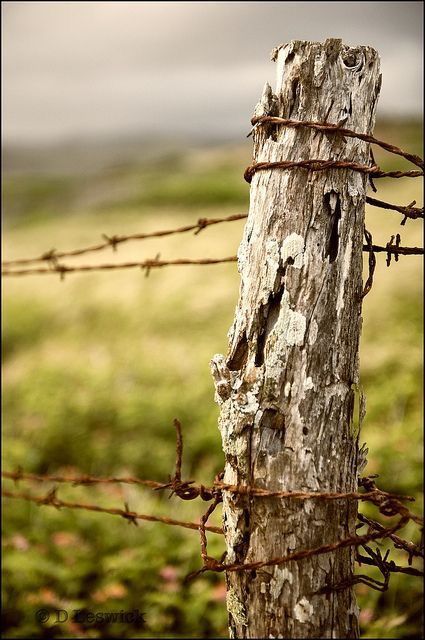
Barbed wire is an odd thing to collect if you say it out loud. It’s sharp. It’s rusty. It’s humble. It’s not the kind of object that was made to be admired.

And yet—once you learn what you’re looking at—it becomes hard to see it as “just wire” again.

A short strand can carry the story of invention and competition, of ranching and farming, of property lines drawn across open land, of conflicts over access and boundaries, and of the way simple technology can change daily life at scale. Barbed wire is one of those artifacts that proves history isn’t always ornate. Sometimes history is practical. Sometimes it’s cheap. Sometimes it spreads because it works.

This wrap-up post ties the series together: what barbed wire changed, why its patterns matter, how to collect it responsibly, and how to preserve both the object and the story that comes with it.

Continue reading “Tangled in History”

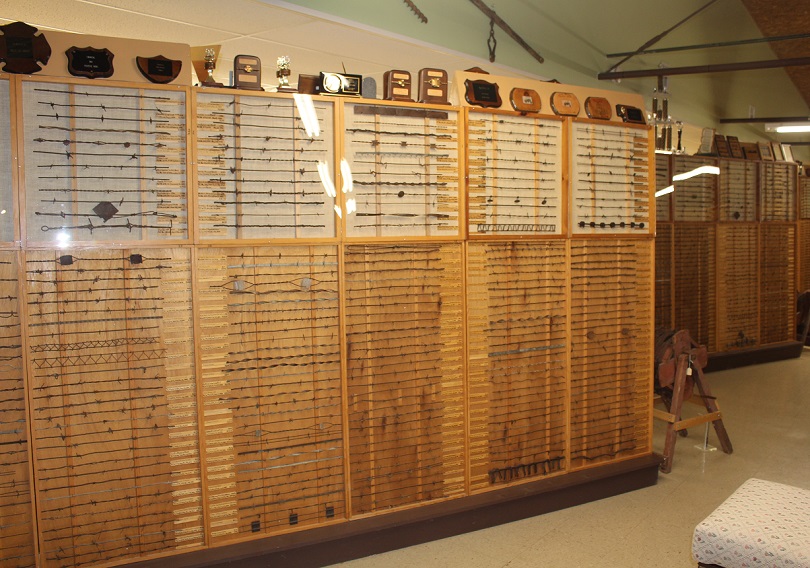
Displaying and Preserving Barbed Wire

Barbed wire isn’t the kind of collectible you casually set on a shelf. It’s sharp, often rusty, sometimes brittle, and usually tied to big stories—land, labor, conflict, agriculture, expansion, and the hard edges of “this side” versus “that side.” And yet, that’s exactly why collectors love it. A short length of historic wire can carry more context than a lot of larger objects.

This post is a practical guide to preserving barbed wire safely and responsibly: how to handle it, how to slow deterioration, how to display it without turning your home into a hazard zone, and how to document what you have so the story stays attached to the object.

Continue reading “Displaying and Preserving Barbed Wire”

©2025 Dear June Collectibles. All Rights Reserved.