Wildlife prints begin long before they reach a wall. Before the mat board, the frame, the gallery label, or the antique mall booth, there is a much older moment: someone looking closely at a living creature. A bird in a marsh. A fox at the edge of a field. A trout pulled from a stream. A butterfly resting on a leaf.
That act of close observation is the heart of wildlife art. Whether the final piece is a hand-colored engraving, a field guide illustration, a duck stamp print, a modern limited edition, or a decorative reproduction, wildlife prints carry the same basic promise: they bring the natural world indoors while reminding us that someone first had to notice it.
For collectors, understanding that journey—from field to frame—makes wildlife prints more meaningful and easier to evaluate. You are not just buying a pretty bird or animal image. You are collecting observation, artistry, printing history, and the way people have chosen to live with nature on their walls.
The field: where wildlife art begins
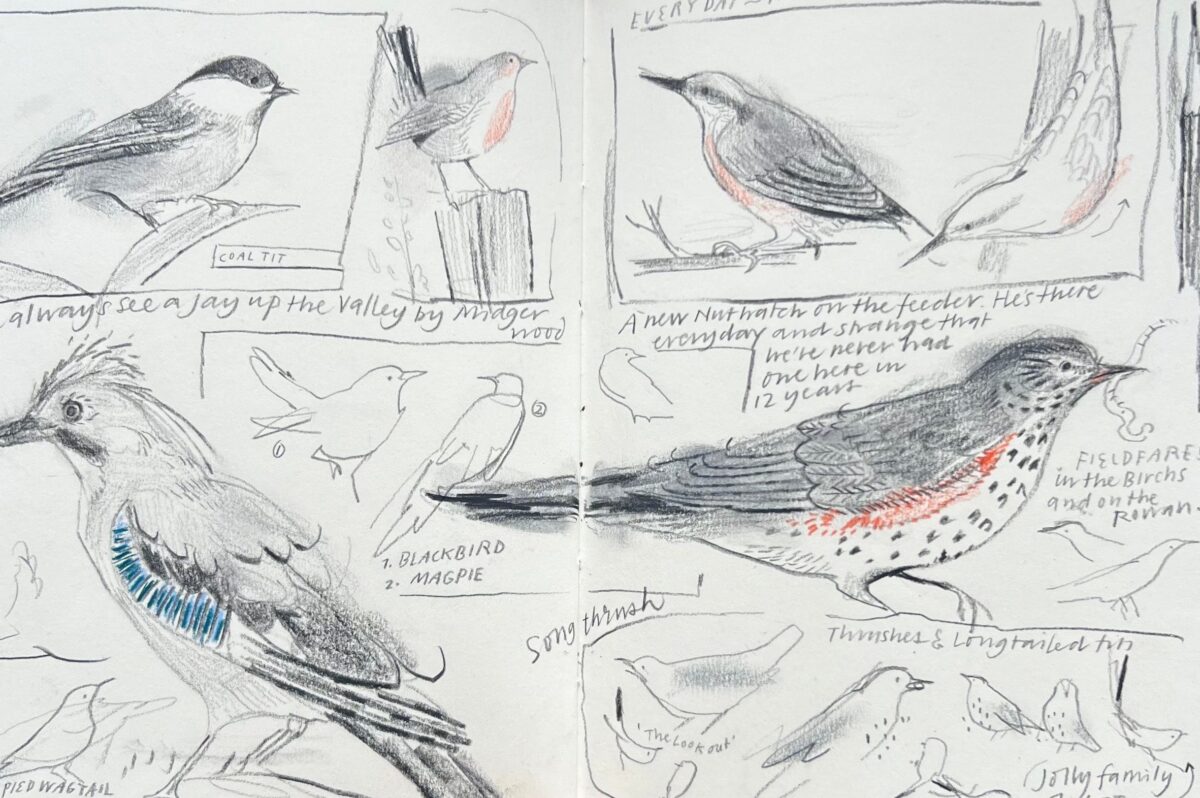
Wildlife art starts with study. Artists may work from direct observation, sketches, field notes, specimens, photographs, or a combination of sources. The goal varies depending on the artist and era. Some wildlife images are made for scientific identification. Others are meant to capture mood, habitat, movement, or personality.
A field guide bird needs to be clear and comparable. A decorative fox print may be more about atmosphere. A conservation poster might use bold composition to create an emotional connection. A duck stamp design must work at a small scale while still representing the bird clearly.
Collectors should ask: What was this image trying to do? Was it meant to teach, decorate, document, promote conservation, or simply celebrate an animal? That purpose often shapes everything about the finished print.
From sketch to finished artwork
The path from observation to final image can be surprisingly layered. A wildlife artist may begin with quick sketches that capture posture and movement. Later, those studies can become a finished drawing, watercolor, painting, or design prepared for print reproduction.
This is one reason wildlife art often feels more “alive” when the artist understands the animal. Good wildlife art is not just accurate anatomy. It suggests behavior:
- a heron standing still but alert
- a deer pausing before retreating
- a hawk balanced into the wind
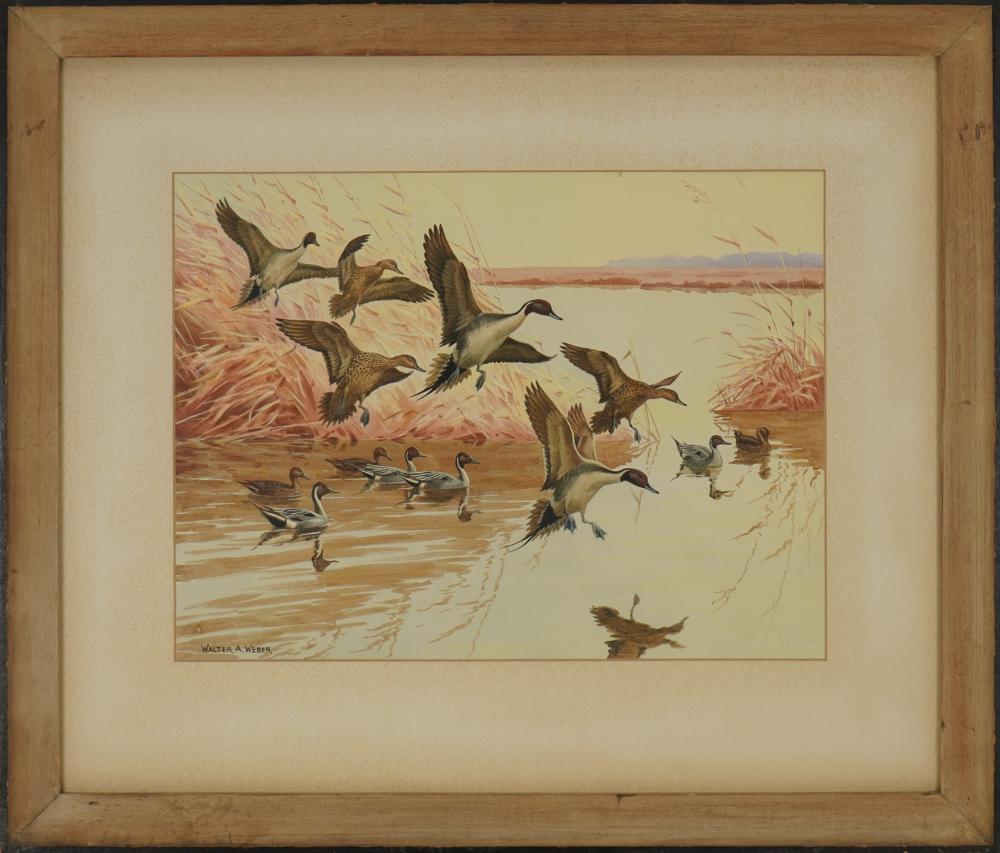
- ducks lifting from water in a tight burst of motion
- a songbird holding a branch with just the right tension
That sense of behavior is what separates a memorable wildlife print from a generic animal picture.
The printmaking step: how art becomes collectible
Once an artwork is reproduced, it enters the world of prints—and that is where collectors start asking more detailed questions.
Wildlife prints may be produced through many methods, including:
- engraving and etching
- lithography
- chromolithography
- offset printing
- screen printing
- giclée or digital fine-art printing
- book and magazine printing methods
Older natural history prints often began as plates in books or portfolios. Later wildlife prints might come from publishers, conservation organizations, galleries, field guide editions, or artist-run print releases.
The printing method matters because it affects texture, color, detail, and value. A hand-colored engraving is a different kind of object from an offset reproduction. A signed limited-edition wildlife print is different from a poster. A book plate is different from a modern decorative print, even if the image is similar.
None of these categories are automatically “better.” They simply need to be understood correctly.
Original, edition, reproduction, or decorative print?
This is one of the most important collector questions.
Original artwork
An original painting, drawing, or watercolor is one-of-a-kind. These are usually more expensive and belong in a different market than reproduced prints.
Original print
An original print is created through a printmaking process as the intended artwork—not merely copied from another work. Artist-made etchings, lithographs, and screen prints can fall into this category.
Limited-edition print
A limited-edition print is produced in a stated number, often signed and numbered by the artist. These are common in 20th-century wildlife collecting. Edition size, condition, artist reputation, and documentation all matter.
Open-edition print or poster
These can be beautiful and very displayable, but they are generally produced without a strict edition limit.
Reproduction
A reproduction copies an existing artwork. Many are decorative and affordable. The problem is not reproduction itself—it is when a reproduction is misrepresented as older, rarer, or more valuable than it is.
Reading the margins and labels
The edges of a print often tell you almost as much as the image.
When examining a wildlife print, look for:
- artist signature
- printed title
- edition number
- publisher information
- plate number or page number
- copyright line
- printer’s mark
- visible plate mark on certain older intaglio prints
- text on the reverse if it came from a book
Margins should be checked carefully. Trimmed margins can reduce value, especially when important publication details have been cut away. For book plates, text on the back is not unusual, but it helps you understand what type of print you have.
Condition: what collectors should inspect first
Wildlife prints are paper objects, and paper has enemies: light, moisture, acids, pressure, and rough handling.
Common condition issues
- foxing or brown spotting
- mat burn from acidic mats
- fading from sunlight
- water stains or rippling
- tears, chips, or creases
- tape residue or old adhesive
- discoloration from poor backing materials
- insect damage or surface abrasions
Light age toning may be acceptable, especially on older prints. Severe fading, heavy staining, and poor repairs can reduce both value and display appeal.
If a print is already framed, inspect it as closely as possible. Old framing can hide problems. A print pressed directly against glass, backed with acidic cardboard, or hung in bright sun may be at risk even if it looks fine at first glance.
Framing wildlife prints properly
A good frame should protect the print, not just decorate it.
For valuable or sentimental wildlife prints, consider:
- acid-free matting
- archival backing
- UV-protective glazing
- proper spacing so the print does not touch the glass
- reversible mounting methods
- display away from direct sunlight and damp walls
The frame style should support the image. Natural wood frames suit many wildlife prints, but simple black, white, or metal frames can work beautifully for modern or graphic pieces. Avoid letting an overly heavy frame overpower delicate linework.
Display ideas: making wildlife prints feel intentional
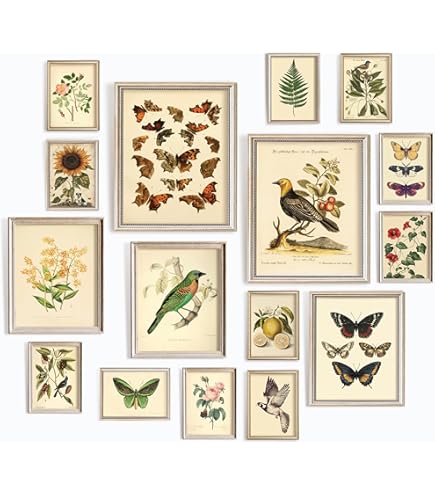
Wildlife prints are easy to live with because they work in so many rooms. The trick is grouping them with purpose.
Naturalist study wall
Mix birds, botanicals, insects, and small mammals for the feeling of an old field journal brought to life.
Conservation corner
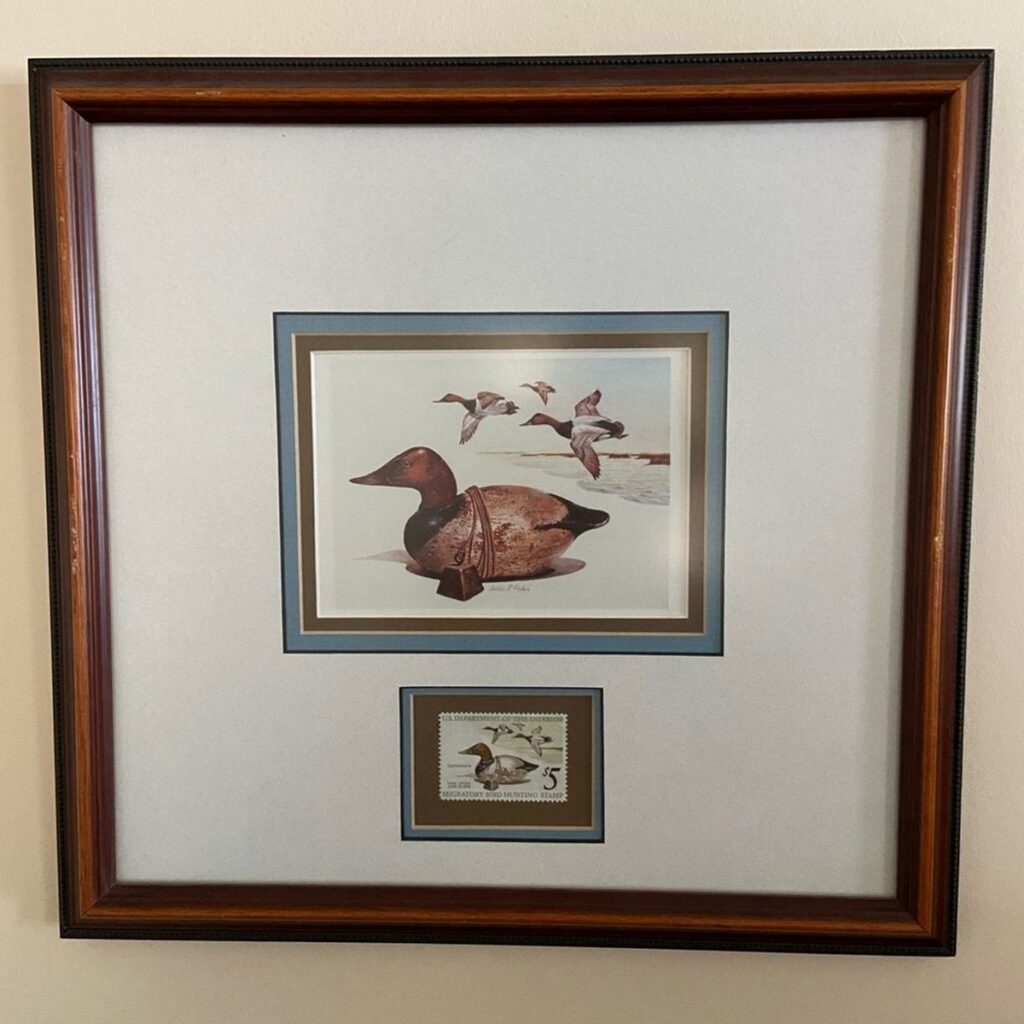
Pair wildlife prints with duck stamps, park ephemera, field guides, or nature books.
Single-species focus
Create a wall around one subject: owls, waterfowl, songbirds, foxes, fish, butterflies, or local wildlife.
Seasonal rotation
Switch prints throughout the year: songbirds in spring, fish and water scenes in summer, waterfowl in autumn, snowy landscapes or owls in winter.
Modern wildlife display
Use bold graphic wildlife prints with clean frames and plenty of spacing. Not every wildlife display needs to feel antique.
Collecting by theme: a practical way to start
If you are new to wildlife prints, start with a theme instead of buying randomly.
Good collecting themes include:
- local wildlife from your region
- birds only
- mammals only
- fish and sporting prints
- field guide plates
- conservation prints
- duck stamp-related art
- vintage children’s wildlife illustrations
- black-and-white engravings
- colorful mid-century wildlife posters
A theme helps you decide what belongs and what does not. That is how a collection becomes a story instead of a stack.
How to buy smarter
Before buying a wildlife print, ask a few simple questions:
- Who is the artist, if known?
- Is it original, limited edition, open edition, book plate, or reproduction?
- Is it signed or numbered?
- Are the margins intact?
- Is the color faded?
- Are there stains, mat burn, tears, or water damage?
- Is the framing helping or harming the piece?
- Do you love the image enough to live with it?
That last question matters. Wildlife prints are visual companions. Whether rare or inexpensive, they should reward repeated looking.
Why wildlife prints remain so collectible
Wildlife prints endure because they bring together beauty and attention. They remind us that animals are not just symbols or decorations—they are part of a world people have studied, admired, hunted, protected, painted, printed, and lived beside.
From field sketch to finished frame, a wildlife print carries a journey. It begins in observation, passes through the artist’s hand, becomes an object through printing, and finally enters someone’s home as a piece of collected history.
That is the lasting appeal: a wildlife print lets us keep a small window open to the natural world.
Let’s Make History—one field note, one frame at a time.