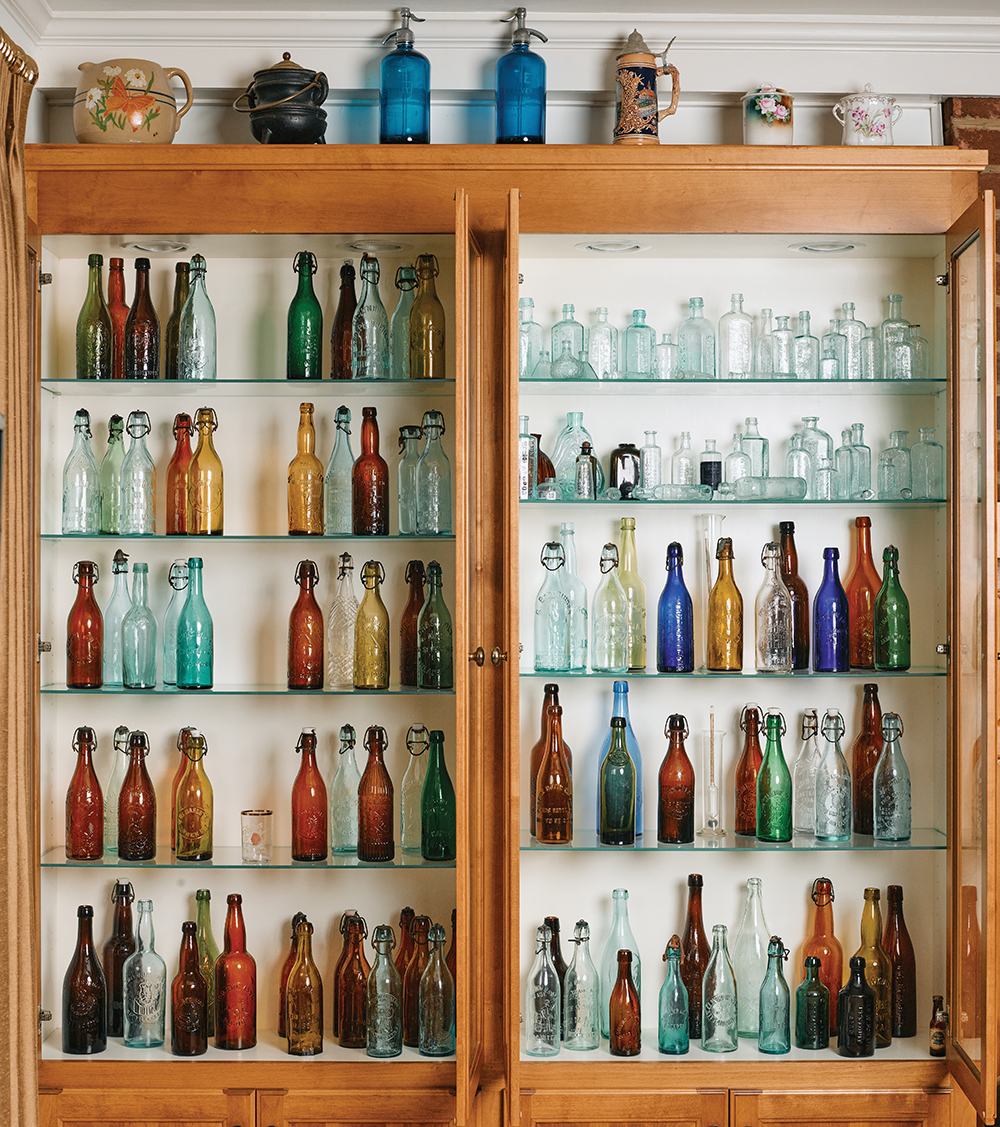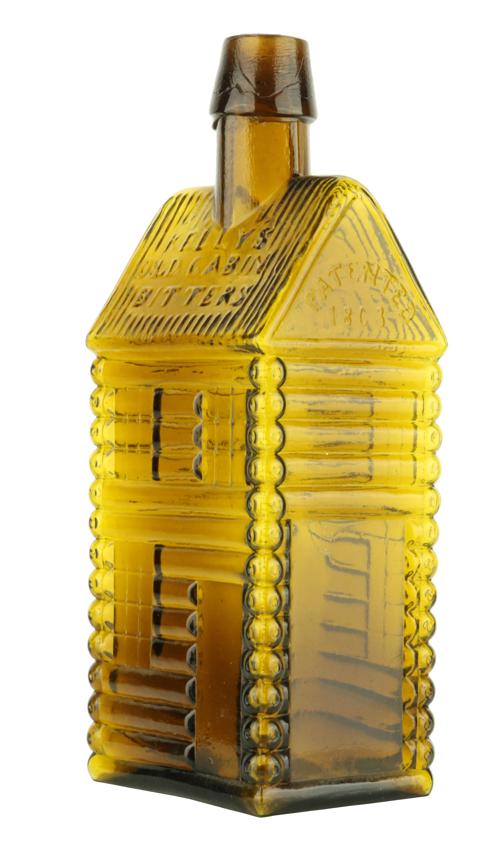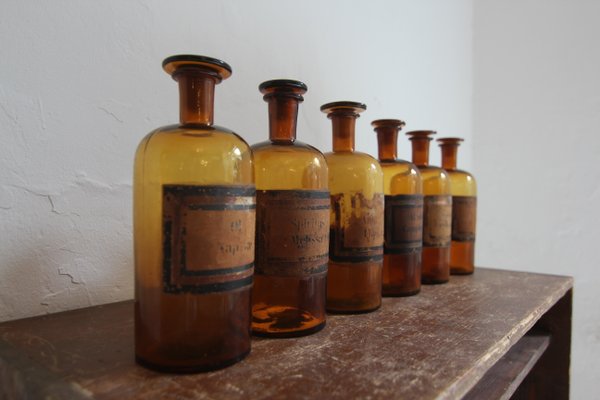
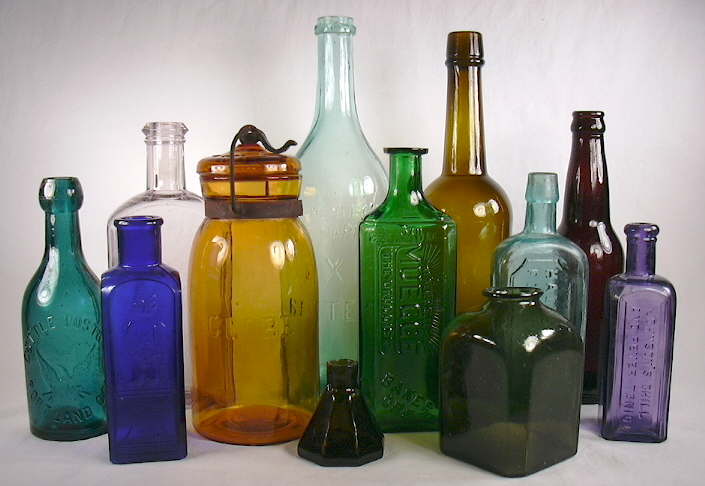
A bottle starts life with a simple job: hold something and keep it contained. But somewhere along the way—through color, shape, embossing, wear, and the stories attached to it—some bottles stop reading like “containers” and start reading like objects. They become décor, collectibles, and they become the kind of thing you display on purpose, even if you never plan to put a drop of anything inside.
That shift—from utility to art—is one of the most satisfying themes in bottle collecting. It’s also one of the reasons the hobby has such a wide tent. You can collect bottles as local history, manufacturing history, advertising history, or purely as design. And you can build a collection that’s as strict (one town, one decade, one closure type) or as visual (all cobalt, all embossed, all sculptural silhouettes) as you want.
This post is a collector-friendly look at how bottles became art in the eyes of makers and collectors—and how you can curate, display, and care for your own “glass gallery” with confidence.
Continue reading “From Utility to Art”