
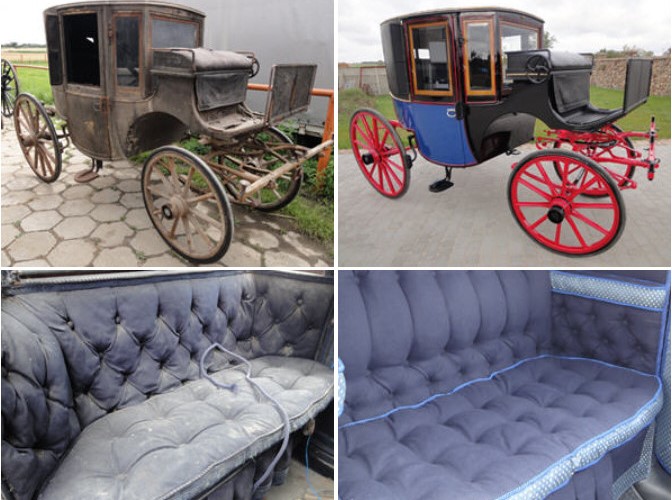
A horse-drawn carriage has presence. Even standing still, it feels ready for motion: wheels angled toward the road, shafts waiting for a horse, steps polished by use, lamps set like watchful eyes. But when a carriage survives into the present, it is more than a vehicle. It is also a large, fragile, multi-material antique—wood, iron, steel, leather, fabric, glass, paint, varnish, and sometimes decorative trim all aging at different speeds.
That makes restoration and display both exciting and complicated. A carriage can be made beautiful again, but it can also be over-restored until the original story disappears. For collectors, museums, dealers, and historic-property owners, the real goal is balance: preserve what is authentic, stabilize what is weak, restore only with purpose, and display the carriage in a way that lets people understand it without putting it at risk.
Preservation, Conservation, and Restoration: Know the Difference
Before any work begins, it helps to separate three related ideas.
Preservation means slowing damage and keeping the carriage stable. This includes proper storage, careful handling, protection from light and moisture, and avoiding unnecessary changes.
Conservation means treating the object to stabilize it while retaining as much original material as possible. Conservation is usually careful, documented, and reversible where possible.
Restoration means bringing the carriage closer to an earlier appearance or working condition. That may involve repairing, repainting, replacing missing parts, rebuilding wheels, or re-creating upholstery.
None of these approaches is automatically right or wrong. The best choice depends on the carriage. A rare vehicle with original paint and trim may deserve minimal intervention. A badly deteriorated carriage missing major parts may need restoration to become understandable or displayable.
The mistake collectors often make is assuming “new-looking” is always better. With historic vehicles, original surfaces can be more valuable than shine.
Start With Documentation
Before cleaning, sanding, repainting, repairing, or replacing anything, document the carriage carefully.
Take photographs of:
- full front, back, sides, and three-quarter views
- wheels, hubs, springs, axles, shafts, and undercarriage
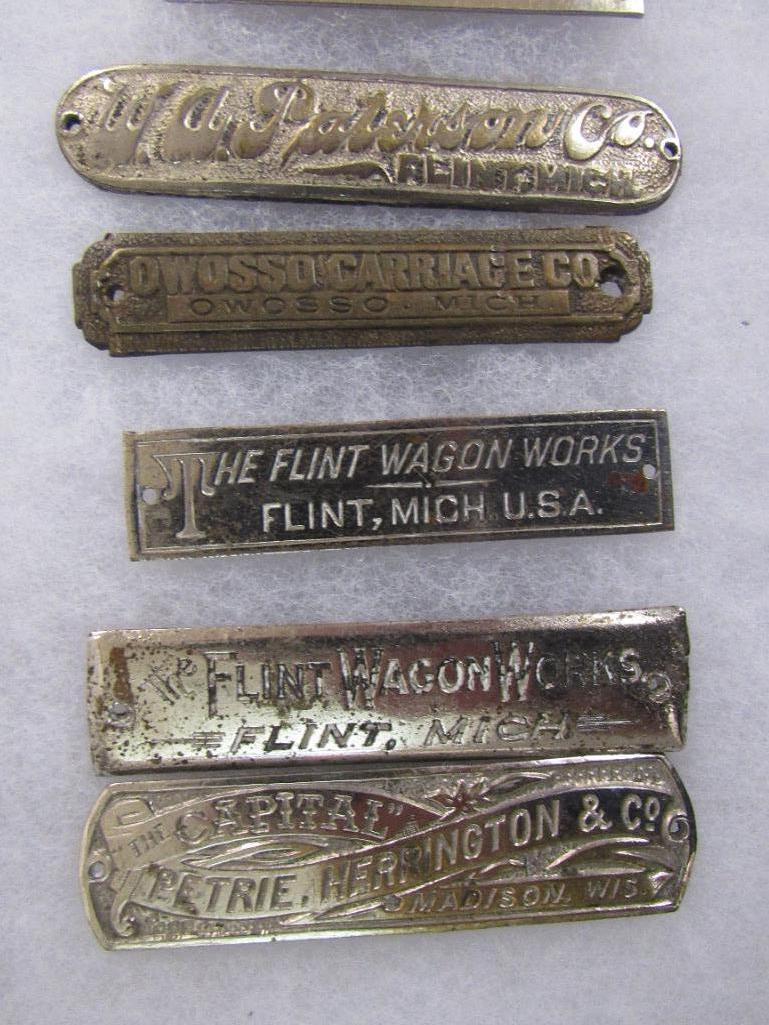
- maker’s plates, numbers, labels, or stamped marks
- paint, striping, upholstery, lamps, steps, and hardware
- damaged areas before any work begins
Write down measurements, visible materials, missing parts, and any known history. If the carriage came from a farm, estate, museum, carriage house, livery stable, or local family, record that information while it is still available.
Documentation turns restoration from guesswork into a record. It also protects value by showing future owners what was original, what was repaired, and what was replaced.
Evaluate the Structure First
A carriage may look impressive from a distance while hiding serious structural issues underneath. Start with the parts that hold weight and allow movement.
Wheels
Wheels are critical. Check the hubs, spokes, felloes, and iron tires. Look for loose spokes, cracked wood, missing sections, shrinking, wobble, or badly fitted tires. A carriage with weak wheels should not be moved casually, much less used.
Undercarriage
Inspect axles, springs, reaches, shafts, poles, and metal fittings. Surface rust is common, but deep corrosion, broken springs, or compromised joints need expert attention.
Body
Look for loose panels, separation at joints, soft wood, insect damage, water damage, sagging, or past repairs. Body wood can deteriorate behind paint, so don’t rely only on appearance.
Upholstery and Trim
Original upholstery can be fragile but historically valuable. Even if it is torn or faded, it may preserve information about the vehicle’s period, use, and quality.
A safe rule: if the carriage is important, unusual, or possibly valuable, consult a specialist before doing irreversible work.
Cleaning: Less Is Usually More
The first cleaning should be gentle. Remove loose dirt with a soft brush, vacuum with a screen or low-suction method if appropriate, and wipe stable surfaces carefully. Avoid soaking, scrubbing, pressure washing, or using household cleaners on old paint, leather, or upholstery.
Different materials need different care:
- Painted wood: avoid abrasive cleaning and harsh solvents.
- Metal: remove loose dust and dirt before considering any rust treatment.
- Leather: do not oil brittle leather automatically; old leather can darken, soften unevenly, or weaken.
- Textiles: avoid wet cleaning unless you know the fibers and dyes are stable.
- Glass: clean separately and carefully, especially in carriage lamps.
The goal is not to make the carriage look new in one afternoon. The goal is to stop active damage and reveal enough detail to make good decisions.
Original Paint and Striping: Think Before Repainting
Old carriage paint can be one of the most important surviving features. Paint colors, striping, varnish layers, decorative lines, and maker finishes all help identify the vehicle’s period and quality.
Repainting may be appropriate for some restorations, especially if the carriage has already lost its original finish or is being restored for interpretive display. But if original paint and striping survive, even in worn condition, think carefully before removing them.
Collectors often value:
- original striping
- early varnish layers
- evidence of hand-applied decoration
- old maker colors or regional finishing styles
- honest wear from use
A bright, modern repaint can look attractive, but it may erase the details that made the carriage historically interesting.
Replacing Missing Parts
Most old carriages have had some repairs. A replaced bolt, rebuilt step, new leather strap, or re-created cushion does not automatically ruin the piece. The issue is whether the replacement is appropriate, documented, and visually sympathetic.
When replacing parts:
- match the carriage’s type and period as closely as possible
- avoid modern-looking hardware where it will distract
- label or document replacements for future reference
- do not remove original material unless necessary for stability
- keep removed original parts if they can be safely stored
Good restoration should make the carriage understandable without pretending every inch is untouched.
Should a Restored Carriage Be Used?
Some restored carriages are used for driving, parades, demonstrations, weddings, or historic events. But use adds risk.
Before any carriage is used with a horse, it should be inspected by someone experienced with horse-drawn vehicles. Wheels, axles, springs, shafts, brakes if present, harness points, and weight balance all matter. A carriage that is safe for display may not be safe for motion.
For many collectors, display-only is the better choice. A stationary carriage can still tell its story beautifully without risking damage to the vehicle, the horse, or people.
Displaying a Carriage Indoors
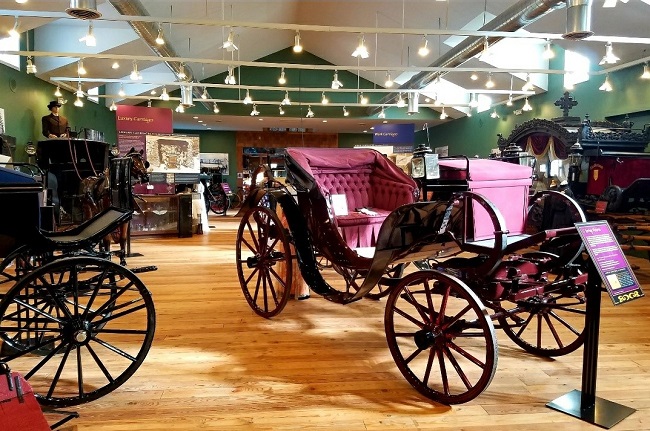
Indoor display is usually best for preservation. A carriage should be protected from rain, direct sun, large humidity swings, pests, and constant dust.
Good indoor display conditions include:
- stable temperature and humidity
- no direct sunlight on paint, leather, or textiles
- clean flooring
- enough space around the carriage so visitors do not brush against it
- support for shafts, poles, or fragile parts
- barriers if the public will be near it
If possible, avoid resting weight in a way that stresses weak wheels or shafts. Some displays use discreet supports to reduce strain while keeping the carriage looking natural.
Displaying a Carriage Outdoors
Outdoor display is tempting, especially for farms, historic homes, barns, and roadside businesses. But outdoor exposure is hard on carriages. Sun, rain, insects, freeze-thaw cycles, and ground moisture can damage wood, leather, paint, and wheels quickly.
If outdoor display is unavoidable:
- keep the carriage under a roof or shelter
- raise it off damp ground
- protect it from direct weather
- inspect it regularly for insects, rot, rust, and loose parts
- avoid leaving original upholstery or fragile trim exposed
A decorative reproduction or already-compromised vehicle may be more suitable outdoors than an important original carriage.
Creating a Meaningful Display
A carriage display is strongest when it explains how the vehicle was used. The carriage itself is dramatic, but supporting objects can make the story clearer.
Good additions include:
- carriage lamps
- lap robes or carriage blankets
- harness pieces
- trade catalog pages
- old photographs of similar vehicles
- stable or livery items
- maps or route information
- maker advertisements
- tools used by wheelwrights or coachbuilders
For a private home, a carriage may serve as a centerpiece in a barn, carriage house, large entry, event space, or historical display room. For a shop or museum setting, interpretive labels help viewers understand what they are seeing.
Small-Space Collecting: Display Without a Full Carriage
Not everyone has room for a complete carriage, and that is fine. Carriage history displays beautifully in smaller forms.
Consider collecting:
- carriage lamps
- hubcaps or maker’s plates
- harness brass
- carriage steps or handles
- trade catalogs
- postcards and cabinet photos
- upholstery samples or trim fragments
- wheelwright tools
- livery stable receipts or advertisements
A framed photograph beside a pair of carriage lamps can tell a clear story without taking up the footprint of a full vehicle.
Maintenance After Restoration
Restoration is not the finish line. A carriage needs ongoing care.
A simple maintenance routine should include:
- regular dusting with safe tools
- inspection for new cracks, loose joints, rust, pests, or textile damage
- checking supports and display mounts
- keeping records of any repairs
- controlling light exposure
- avoiding unnecessary handling
If the carriage is moved, plan the move carefully. Large historic vehicles should be treated more like furniture or sculpture than ordinary equipment.
The Collector’s Best Rule: Respect the Evidence
Every carriage carries evidence—wear patterns, repairs, finishes, materials, maker details, and use history. Restoration should help that evidence survive, not hide it.
A perfect-looking carriage is not always the most interesting carriage. Sometimes the worn step, faded upholstery, old striping, or repaired wheel tells the better story. Collectors who learn to see those details will make better restoration choices and build more meaningful displays.
Restoring and displaying carriages is really about stewardship. These vehicles belong to a world of road travel, craftsmanship, horse power, and human movement that is easy to romanticize but worth understanding carefully. When preserved thoughtfully, a carriage can still do what it has always done best: carry a story forward.
Let’s Make History—one carefully preserved carriage at a time.
Looking for something related?
Dear June Collectibles carries thousands of antiques, vintage pieces, collectibles, ephemera, books, housewares, jewelry, memorabilia, and unusual finds. Inventory changes constantly.
Found something like this while clearing a home or collection?
Before assuming it should be thrown away, tell us what you found. Dear June Collectibles helps families, collectors, executors, and homeowners sort household contents, collections, and estates and identify realistic resale possibilities.