
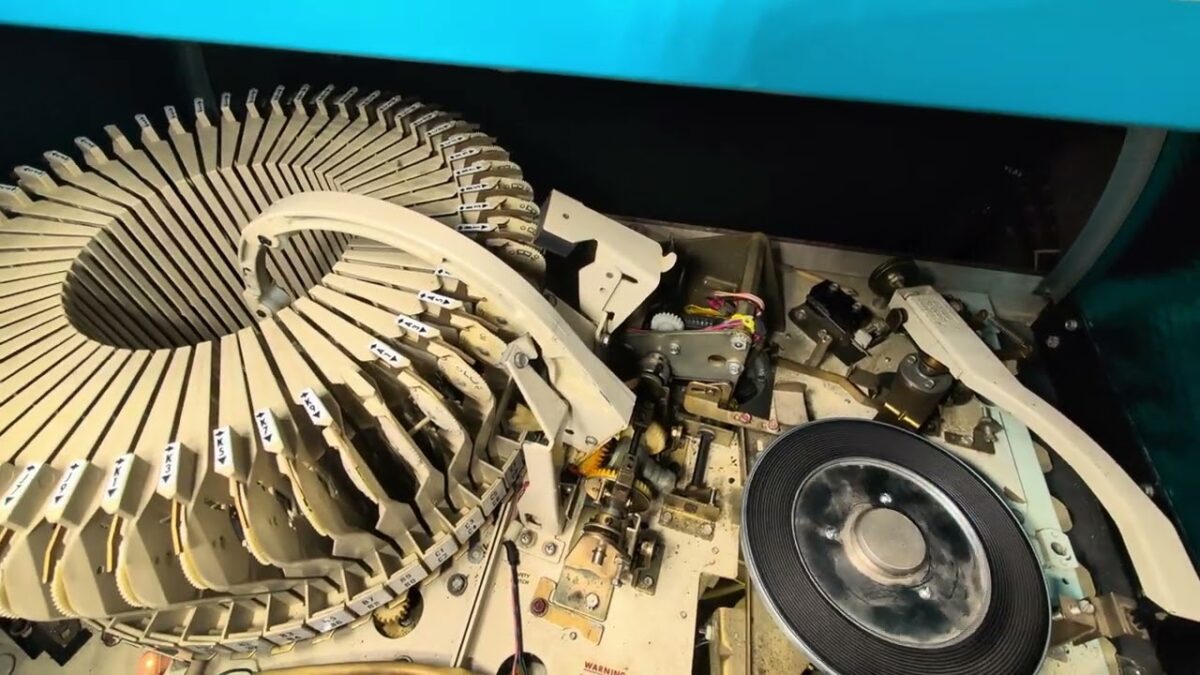
A vintage jukebox is one of the most rewarding collectibles you can bring home—because it isn’t just something you look at. It’s something you live with. The glow, the mechanical motion, the moment a selection kicks in and the room suddenly has a soundtrack. But jukeboxes are also one of the easiest categories to underestimate. They’re part furniture, part mechanical system, part electronics, and part “public life survivor.” Many spent decades in diners, bars, bowling alleys, and clubrooms—places that are hard on anything with moving parts.
The good news: you don’t need to be an engineer to collect jukeboxes well. You just need a smart approach. This guide focuses on practical, collector-friendly habits—how to buy wisely, how to plan a restoration without getting overwhelmed, and how to maintain a machine once it’s home so the fun doesn’t turn into frustration.
Start With a Goal: Display Piece, Daily Player, or Long-Term Project?
Before you fall in love with a cabinet style or a brand name, decide what you actually want the jukebox to do.
Three common collecting goals:
- Display-first: You want the look and glow, and you’re okay if playability is a future upgrade.
- Daily player: You want a machine that reliably selects and plays, with safe wiring and stable sound.
- Restoration project: You enjoy the process and expect to invest time (and usually money) into a full mechanical/electronic refresh.
Collector tip: The fastest way to overspend is buying a “project” at a “fully working” price. Be honest with yourself about what you want—and buy accordingly.
The “Reality Check” Before You Buy: Space, Weight, and Power
Jukeboxes are big, heavy machines. A smart purchase starts with practical questions.
- Can you move it safely? Many machines require multiple strong people and careful handling.
- Do you have a stable location? Floors, stairs, and tight turns matter more than you think.
- Do you have appropriate power? A dedicated, safe outlet and sensible cord management are basic requirements.
- Will it live in a stable environment? Extreme humidity, heat, or damp basements are rough on cabinets and electronics.
If a seller says “bring a dolly,” take them seriously.
Buying Checklist: What to Inspect (Even If You’re New)
You can learn a lot in five minutes if you know where to look.
Cabinet, trim, and plastics
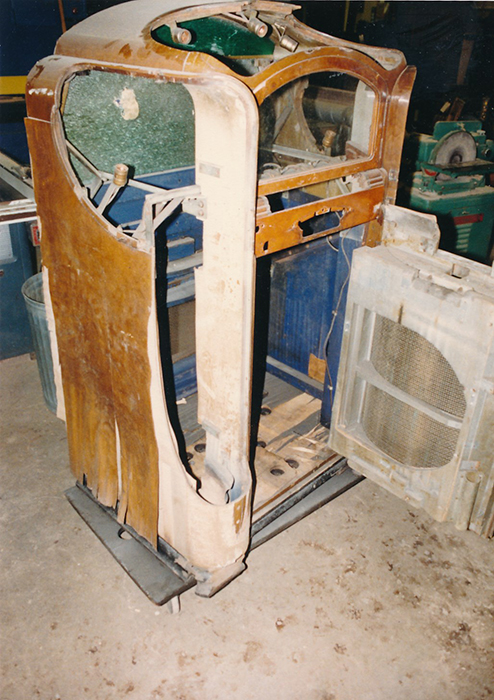
These are the first things you’ll see—and some of the most expensive to fix.
Check for:
- Water damage at the bottom edges and corners
- Veneer lifting, swelling, or bubbling
- Missing or cracked plastics and trim pieces
- Broken glass panels
- Heavy repainting that looks like it’s hiding problems
Collector tip: Cosmetic work is often easier than structural cabinet repair. Prioritize cabinet integrity over shine.
Mechanism and completeness
Even if you’re not testing it fully, you can look for red flags.
Ask:
- Does it power on?
- Does it make selections (or attempt to)?
- Does it cycle or “hunt” incorrectly?
- Are key parts missing?
A jukebox missing major internal components is best treated as a parts machine unless you already have a plan for sourcing what’s gone.
Amplifier and sound
If it plays, listen. If it doesn’t play, ask what happens when it tries.
Listen for:
- Loud hum
- Distortion or weak output
- Sound cutting in and out
- One channel missing (if stereo)
Collector tip: “It lights up” is not the same as “it’s working.” Lights can function while the audio and selection system are struggling.
Wiring and safety
Treat wiring as non-negotiable. If you see obvious “homebrew” wiring or unsafe modifications, assume it needs attention.
Look for:
- Damaged cords or brittle insulation
- Loose switches or unstable connections
- Evidence of overheating (scorch marks, burnt smell)
If you’re unsure, plan for a professional evaluation. A jukebox should be fun—not risky.
Documentation and small parts
These are often the difference between a smooth restoration and a stalled project.
Big value adds:
- Service manual or wiring diagrams
- Keys, locks, and original hardware
- Title strip holders and selection materials
- Any service history, operator tags, or repair notes
Restoration Strategy: Stabilize First, Then Improve
A common mistake is starting with the “pretty” work first. The smarter path is to stabilize what matters most.
Step 1: Get it safe
- Confirm cord, plug, and wiring are safe
- Replace unsafe components as needed
- Make sure the machine is properly fused (and not “improvised”)
Step 2: Get it mechanically stable
Many jukebox problems are mechanical and adjustment-related.
A collector-friendly approach:
- Clean carefully (dust and grime can cause misbehavior)
- Check for stiff movement, binding, or obvious wear
- Use the manual as your roadmap for adjustments and service points
Avoid random lubricants and guesswork. Jukebox mechanisms are precise; “quick fixes” can create new problems.
Step 3: Get it electronically stable
Whether the machine uses earlier-style components or later solid-state systems, the goal is the same: reliable power and reliable audio.
If you’re not experienced with electronics, this is where a qualified tech can be worth every penny—especially because a good repair is often safer and longer-lasting than trial-and-error.
Step 4: Only then—cosmetics
Once it’s safe and stable, then:
- Clean plastics and trim gently
- Address cabinet finish thoughtfully
- Replace missing cosmetic pieces only when it makes sense for your collecting goals
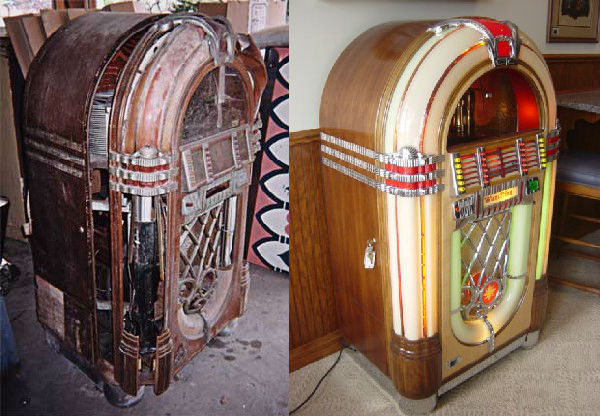
Collector tip: You don’t have to “make it new.” Many collectors prefer honest age as long as the machine is stable and presentable.
Cleaning Without Regret: Gentle Is the Rule
Jukeboxes often have mixed materials: wood veneer, chrome, painted surfaces, plastics, glass, and printed title strips. One harsh cleaner can do permanent damage.
General best practices:
- Start with dry dusting and soft brushes
- Test cleaning methods in hidden areas
- Avoid aggressive solvents on plastics and painted surfaces
- Don’t scrub printed graphics or fragile labels
If a surface has a finish or patina you like, treat it as part of the collectible value—not something to strip away.
Parts and Accessories: Collect the Ecosystem
A great jukebox collection isn’t always one machine. Often, it’s the “supporting cast” that makes the story complete.
Consider collecting:
- Wallboxes and remote selectors (even as display pieces)
- Title strips and selection cards
- Service manuals and brochures
- Period-appropriate records (45s or 78s depending on your lane)
- Small operator items (keys, tags, route labels—when available)
These pieces add context and make a display feel curated, even if your main machine is still mid-restoration.
Records and Playability: Don’t Let Media Be the Weak Link
A jukebox can only be as enjoyable as the records you feed it.
Collector habits that help:
- Keep records clean and handled by edges
- Store records upright, not stacked
- Avoid badly warped or damaged discs in a machine intended for play
- Build a “jukebox stack” that fits your era focus (rock, soul, country, pop, etc.)
If you’re collecting for the joy of play, it’s worth creating a dedicated set of “machine-safe” records that you know are stable and clean.
Maintenance Once It’s Home: Keep It Reliable
A jukebox is happiest when it’s used gently and kept in a stable environment.
Simple long-term habits:
- Keep it dry and temperature-stable
- Dust regularly (especially vents and internal areas where safe)
- Don’t ignore small symptoms (intermittent issues often grow)
- Keep keys and documentation together in a safe place
- Use a routine: occasional play, occasional inspection, and gentle upkeep
Collector tip: A jukebox that sits unused for long stretches can develop issues just like a car that never leaves the driveway. Gentle, consistent use is often part of keeping things healthy.
A Gentle Collector’s Checklist
Before you buy—or before you commit to a restoration step—ask:
- What is my goal: display, daily player, or project?
- Is the machine complete enough to restore without hunting unicorn parts?
- Does cabinet condition match the price?
- Is wiring safe, or do I have a plan to make it safe?
- Do I have documentation (or a realistic way to get it)?
- Am I preserving original character, or accidentally erasing what makes it collectible?
A jukebox doesn’t have to be perfect to be wonderful. It just has to be safe, stable, and loved enough to keep singing.
Let’s Make History—one restored song at a time.