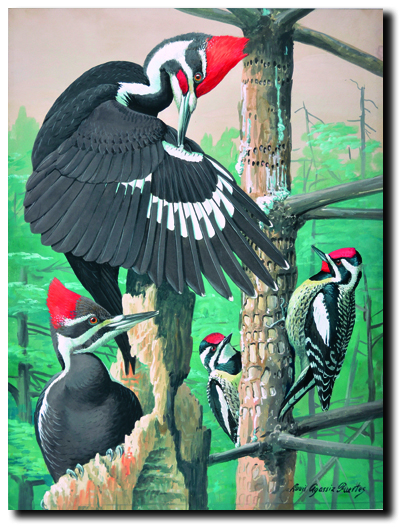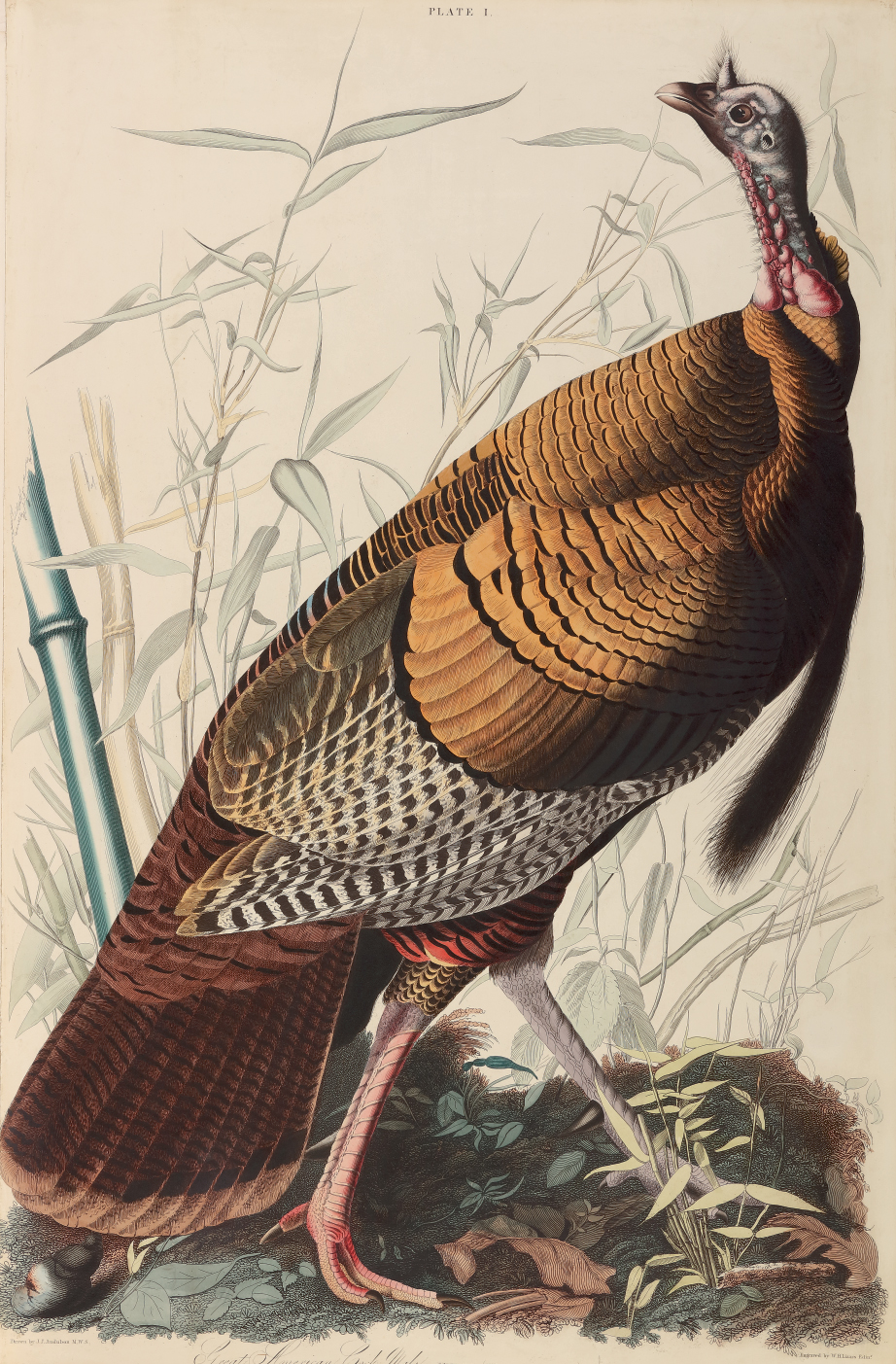
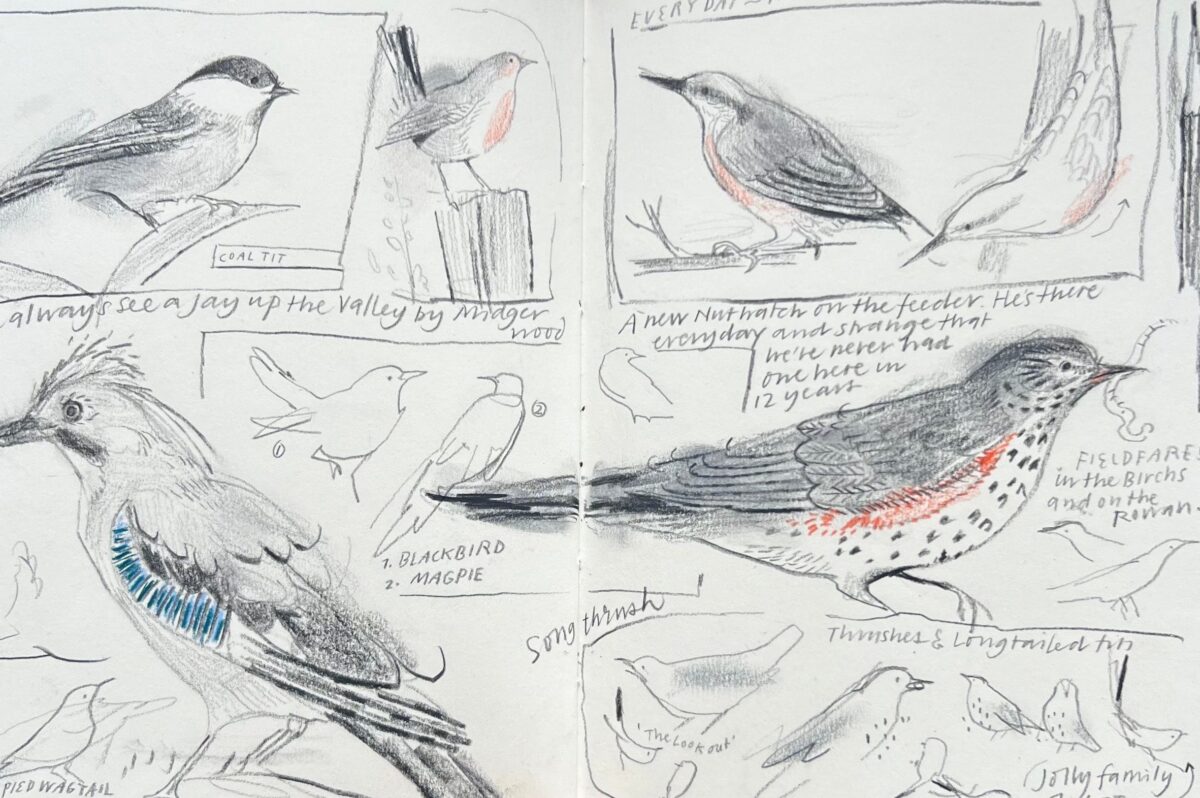
Wildlife prints begin long before they reach a wall. Before the mat board, the frame, the gallery label, or the antique mall booth, there is a much older moment: someone looking closely at a living creature. A bird in a marsh. A fox at the edge of a field. A trout pulled from a stream. A butterfly resting on a leaf.
That act of close observation is the heart of wildlife art. Whether the final piece is a hand-colored engraving, a field guide illustration, a duck stamp print, a modern limited edition, or a decorative reproduction, wildlife prints carry the same basic promise: they bring the natural world indoors while reminding us that someone first had to notice it.
For collectors, understanding that journey—from field to frame—makes wildlife prints more meaningful and easier to evaluate. You are not just buying a pretty bird or animal image. You are collecting observation, artistry, printing history, and the way people have chosen to live with nature on their walls.
Continue reading “From Field to Frame”