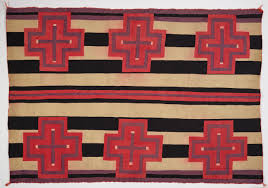
Navajo (Diné) textiles can stop you in your tracks—bold geometry, confident color, and a woven structure that feels both artistic and deeply intentional. But once you own one (or even if you’re simply thinking about collecting), a bigger question comes up quickly:
How do you care for a Diné textile in a way that protects the material and respects the living culture it comes from?
This category is different from many antiques. These weavings are not only historical objects; they’re part of an ongoing artistic tradition. Some pieces were made for trade and sale, some were made for use within community life, and some may carry meanings that aren’t meant to be treated as décor. Collecting responsibly means learning both sides: the practical preservation that keeps fibers stable, and the cultural respect that keeps your collecting grounded and ethical.
This post is a collector-friendly guide to both—so you can steward these textiles thoughtfully, whether you’re keeping a family piece, buying at estate sales, or building a serious collection.
Start With the Right Mindset: Stewardship, Not Ownership
It’s normal to say “I own this textile.” But with culturally significant works—especially those made by Indigenous artists—many collectors find it more helpful to think in terms of stewardship.
Stewardship means:
- you care for the object so it survives
- you describe it responsibly
- you avoid guesswork that turns culture into a sales pitch
- you respect that this is a living tradition, not a “theme”
That mindset improves everything—from how you handle a textile to how you talk about it when friends ask questions.
Cultural Respect: Practical Ways to Collect Thoughtfully
You don’t need to be an academic to collect respectfully. You just need a few reliable habits.
Use accurate, respectful language
- “Navajo” is widely used in collecting, and many Diné people also use “Diné” (pronounced roughly dee-NAY). Using both (“Navajo (Diné)”) is a respectful, clear approach for a general audience.
- Avoid describing all Southwestern weavings as “Navajo.” Many communities weave, and accurate attribution matters.
Don’t assume meanings or “stories”
It’s tempting to read symbolism into every motif, but many interpretations online are oversimplified or invented. A safer approach is:
- describe what you can see (colors, geometry, borders, weaving structure)
- avoid claiming a spiritual meaning unless you have a credible source tied to that specific work
Be mindful of sacred or ceremonial items
Some objects and designs are not meant for commercial collecting or casual display. If a textile or item is described as ceremonial, sacred, or culturally restricted, treat that as a cue to slow down. If you can’t verify what it is, it’s better to pass than to guess.
Support living artists when you can
If you’re collecting modern work, buying from reputable sources that support Native artists (or directly from artists) is one of the most respectful ways to participate in the tradition.
Keep provenance as part of respect
Provenance isn’t only about market value. It’s also about honoring the maker and context.
Helpful provenance details include:
- who owned it and how it was acquired
- when and where it was purchased
- any documentation, tags, receipts, or gallery/trader information
- artist name (if known) and community connections (when verified)
If you inherit a piece, write down the family story now. A single paragraph can preserve context that’s otherwise lost in one generation.
Preservation Basics: What These Textiles Are Vulnerable To
Wool, cotton, and natural dyes are durable—but not indestructible. Most damage to Navajo textiles comes from a few predictable enemies:
- light (fading and weakening fibers over time)
- pests (moths and carpet beetles love protein fibers like wool)
- humidity swings (can encourage mold, warping, and fiber stress)
- improper storage (hard folds, pressure points, acidic materials)
- over-cleaning (aggressive washing, harsh detergents, scrubbing)
Good care isn’t complicated. It’s mostly about stable conditions and gentle handling.
Handling: The Small Habits That Prevent Big Damage
Before storage and display, start with handling—because oils and stress happen fast.
- Wash and dry hands before handling (or use clean cotton/nitrile gloves if you prefer).
- Support the textile fully when moving it—don’t lift from one corner.
- Avoid shaking or snapping it open; that stresses fibers and can worsen weak areas.
- Keep food, drinks, and pets away during viewing or photographing.
If a textile is fragile, treat it like old paper: support, slow movement, no sharp bends.
Cleaning: When Less Is More
Many textiles survive decades because they were left alone. That’s not a bad lesson.
Light surface dust
For routine care:
- gentle, low-contact dusting is safest
- avoid rubbing the surface aggressively (you can abrade fibers and lift loose dye)
Stains and deep cleaning
Here’s the collector rule that prevents heartbreak:
- If the textile is valuable, historic, or fragile, avoid DIY washing.
- Water, detergent, and agitation can shrink wool, distort shape, and set stains.
If a piece truly needs cleaning, a textile conservator is the best route. Even if you don’t hire one, it’s wise to treat “wash it” as the last option, not the first.
Avoid “old house solutions”
Skip:
- mothballs (odor and chemical residue)
- scented sprays
- harsh cleaners
- heavy fabric softeners
These can leave residues that attract dirt or cause long-term fiber issues.
Storage: Safe, Simple, and Archival-leaning
If you want a textile to last, storage matters more than almost anything else.
Flat storage is ideal
Storing flat helps prevent permanent fold lines and fiber breakage. If you have space:
- place the textile flat in a clean, dry, stable environment
- use acid-free tissue or unbuffered archival paper as a gentle interleaving layer
If you must fold, pad the folds
Sometimes flat storage isn’t practical. In that case:
- fold loosely
- pad fold lines with acid-free tissue so the fold is rounded, not sharp
- refold occasionally (changing fold positions) to avoid permanent stress lines
Avoid plastic bags and damp areas
Sealed plastic can trap moisture and encourage mildew. Basements and attics are common danger zones because they swing in temperature and humidity.
Pest prevention that doesn’t damage the textile
Pest protection is mostly environmental:
- keep storage clean
- inspect periodically
- avoid storing near food, pet bedding, or dusty corners
The key is early detection. A small pest issue becomes a big one if ignored.
Display: How to Show These Textiles Without Sacrificing Them
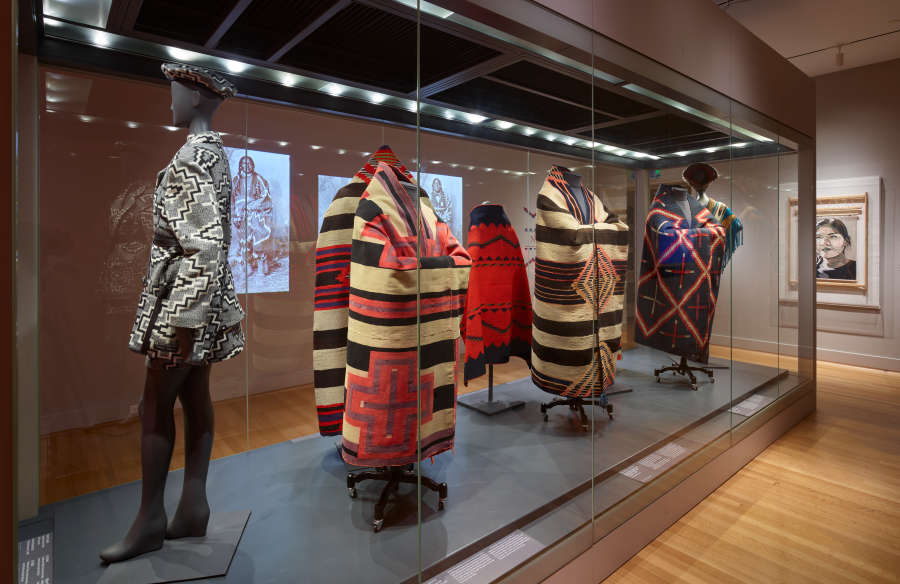
Display is where collectors often accidentally cause damage—mostly from light and gravity.
Light control
- Avoid direct sunlight.
- Keep away from strong window exposure.
- Consider rotating display: show it for a season, then rest it in storage.
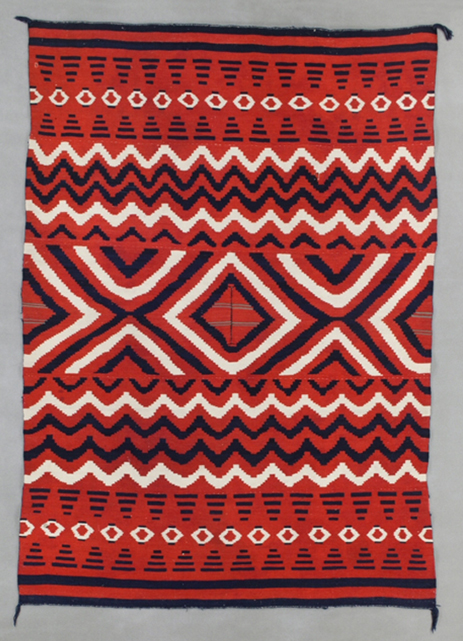
This is especially important for deep reds and other saturated colors that can fade faster.
Hanging: support matters
If you hang a textile, the goal is even support across its width so it doesn’t stretch or tear.
Avoid:
- nails through corners
- clips that pinch and stress fibers
- adhesives
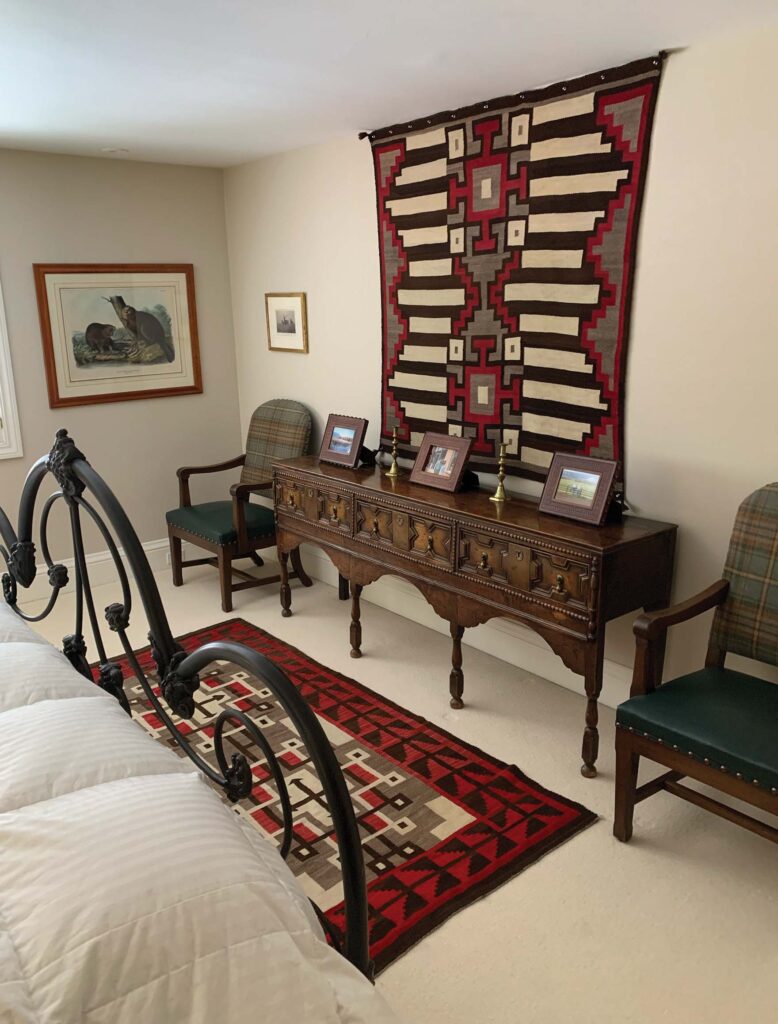
A safer display approach is a well-supported hanging system that spreads weight evenly. If you don’t have a proper textile mount, consider displaying the textile draped over a padded rod or on a bed/sofa back (away from pets and sunlight) for short periods.
Wall art vs. floor use
Even if a piece was made as a rug, many collectors choose not to place it on the floor to protect it. Foot traffic, grit, and vacuuming can be hard on wool. Using it as wall art or draped display can preserve both color and structure.
Documenting Your Textile: Preservation for the “Story,” Too
Documentation is an underrated part of preservation. It protects value, history, and cultural context.
A simple documentation checklist:
- full front photo in good light
- close-ups of corners, borders, and any worn areas
- measurements
- notes on materials (as observed), colors, and any labels/marks
- provenance notes (who/where/when, without guessing)
Store this info digitally and (if possible) print a one-page summary to keep with the textile—not attached to it.
Buying and Selling With Respect: Avoiding Common Mistakes
If you resell or list Diné textiles, ethical description matters.
Do describe:
- what you can see and measure
- condition honestly (wear, stains, repairs, holes, fading)
- provenance facts you actually know
- “Navajo (Diné)” attribution only when you have good reason (provenance, documentation, reputable sourcing)
Don’t:
- claim age, region, or trading post association without support
- assign spiritual meaning to motifs
- use sensational wording (“ceremonial,” “sacred,” “medicine,” etc.) as marketing language
These habits protect buyers, protect you, and protect the integrity of the tradition.
Respect and Preservation Work Together
A well-cared-for Navajo (Diné) textile can outlive us—and that’s part of the responsibility and beauty of collecting in this category. Preservation keeps the fibers stable. Respect keeps the story honest.
If you approach these weavings as art, history, and living tradition all at once, your collection becomes more than a display. It becomes a form of stewardship—and that’s the kind of collecting that truly lasts.
Let’s Make History—one carefully stewarded weaving at a time.