There’s something almost magical about how normal the wristwatch became. Today it’s easy to think of watches as style, collecting, or convenience—but for a long time, wearing time on your wrist wasn’t the default. It was a niche idea, a practical workaround, or even a novelty.
Then the world changed. Modern life demanded faster coordination, tighter schedules, and time you could read instantly—without digging into a pocket. Over the first half of the 20th century, the wristwatch moved from “unusual” to “everyday,” and along the way it became one of the most personal objects people owned. A wristwatch wasn’t just a tool; it was a companion through work, travel, war, celebration, and daily routine.
This post is a collector-friendly tour of how wristwatches rose to dominate everyday timekeeping—what made them catch on, how styles and technology evolved, and what collectors look for today when an old wristwatch shows up in the wild.
Before Wristwatches Were Common: Why Pocket Watches Ruled
Pocket watches were the standard for generations because they fit the clothing and habits of the time. Men’s formalwear and workwear supported watch pockets and chains, and the act of checking time was a deliberate little ritual: open case, glance, close, return to pocket.
Wristwatches existed earlier than many people assume, but they were often seen as:
- jewelry-like pieces (especially in women’s fashion)
- specialty items for niche uses
- or simply unnecessary when pocket watches worked well
The shift wasn’t just about technology. It was about how life was lived—and how quickly people needed time.
Why the Wrist Won: Speed, Convenience, and Changing Daily Life
The wristwatch’s core advantage is simple: it’s always there.
When modern life sped up—factories, offices, transportation schedules, telecommunications, and a culture increasingly obsessed with punctuality—time checks became more frequent. The wristwatch turned time from a small ceremony into a quick glance.
That quick glance mattered in places where time had consequences:
- on the job (shift timing, coordination, deadlines)
- in transportation (departures, connections, timetables)
- in military settings (synchronized actions, navigation, operations)
- in sports and public life (timed events, schedules, broadcasts)
Once people got used to time living on the wrist, it was hard to go back.
The Early Wristwatch Look: Small Faces, Delicate Cases, and Adapted Designs
Many early wristwatches borrowed heavily from pocket-watch styling. Collectors often see this in:
- smaller case sizes
- ornate dials or decorative details
- thin wire lugs (sometimes looking almost like a “conversion” from a pendant watch)
- modest water and shock resistance by modern standards
These early pieces can be charming, but they also show why the wristwatch needed time to mature. Wearing a watch exposes it to bumps, sweat, rain, and everyday knocks in a way pocket watches often avoided. The wristwatch had to become tougher—and clearer to read—before it could truly take over.
The World Wars and the Wristwatch’s Big Turning Point
If you’re looking for the moment wristwatches stop feeling optional and start feeling essential, this is it.
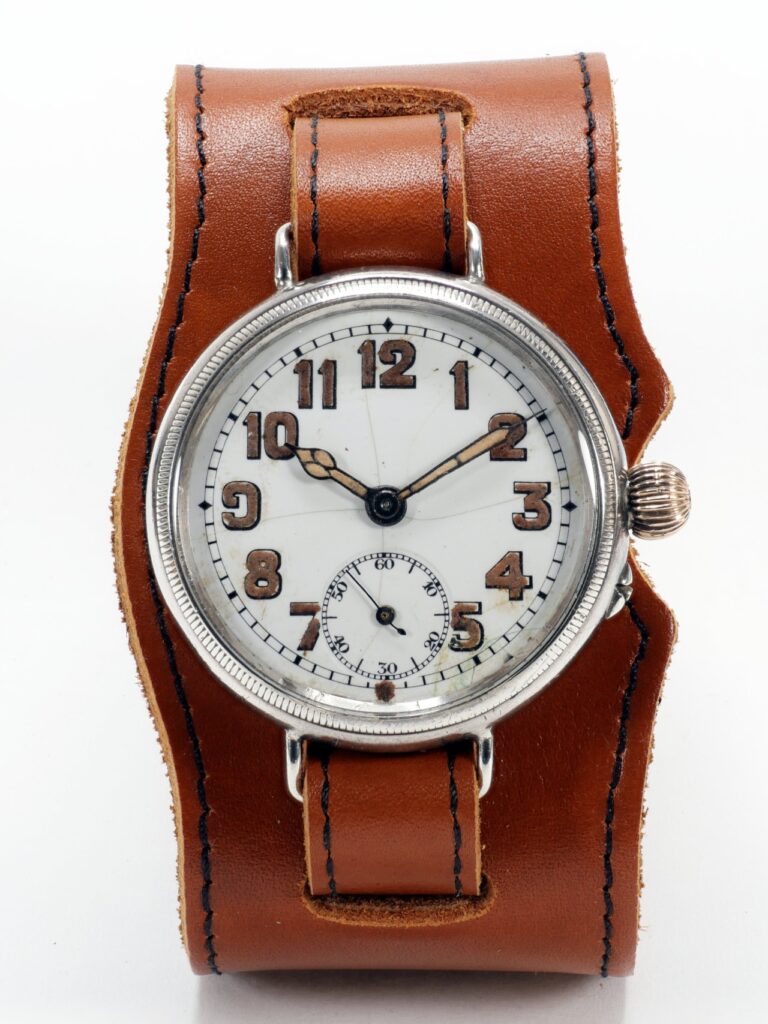
Military needs pushed wristwatches toward:
- faster readability
- ruggedness
- standardized design
- and practical features like luminous hands and numerals
Even beyond military use, the cultural ripple was huge. When large numbers of people returned home already accustomed to wristwatches as functional tools, the habit stuck. The wristwatch wasn’t just fashionable—it had proven itself.
For collectors, this era is especially interesting because it’s where you start seeing wristwatches with a more purposeful, modern identity:
- clearer dials
- more legible numerals
- stronger cases
- and a sense that the watch is built for real work, not just ornament
Everyday Timepieces: When Wristwatches Became “For Everyone”
By the mid-20th century, the wristwatch wasn’t a specialist object. It was a standard part of getting dressed.
This is where “everyday timepieces” really take shape:
- practical watches for work
- durable watches for active people
- simple watches for students and families
- and affordable watches that made timekeeping widely accessible
Wristwatches also became popular gifts for:
- graduations
- retirements
- anniversaries
- military milestones
- and personal achievements
That gift culture matters to collectors because it’s one reason so many vintage watches carry engravings, presentation cases, or family stories.
Style Evolves: From Artful Faces to Clean Modern Design
Wristwatches are tiny design objects, and the design changes over decades are half the fun of collecting.
Early-to-mid-century: legibility and elegance
As wristwatches matured, you see designs that balance practicality with charm:
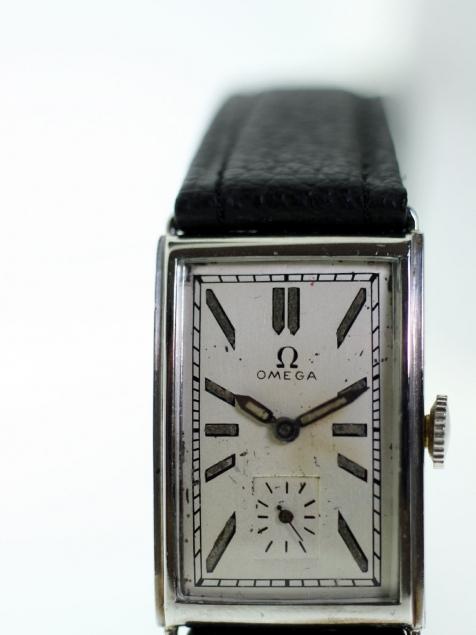
- refined numerals (Arabic or Roman)
- sub-seconds dials and later central seconds
- elegant hands (leaf, sword, baton)
- dial textures and subtle color shifts
- cases that range from delicate to robust
Postwar and mid-century: streamlined confidence
As mid-century design took over, watches often became cleaner and more modern-looking:
- simpler markers
- less ornament
- clearer, bolder shapes
- more standardized sizes
- and a general sense of “this is modern life”
For many collectors, this is where wristwatches become deeply nostalgic. These are the watches people remember seeing on parents, grandparents, teachers, and coworkers—quietly keeping time through ordinary days.
The Technology Inside: Movements, Durability, and Everyday Use
You don’t need to be a watchmaker to appreciate the mechanics, but understanding a few basics helps collectors buy smarter.
Mechanical movements (hand-wind and automatic)
For much of wristwatch history, mechanical movements ruled. Early wristwatches were commonly hand-wound; later, automatic (self-winding) mechanisms became popular for convenience. Both can be wonderful to collect, and both reward good maintenance.
Shock resistance and wear realities
Wristwatches live hard lives. Even if a watch looks fine, decades of bumps, moisture exposure, and old oils can take a toll. Collectors learn to treat vintage watches with respect:
- running doesn’t always mean healthy
- “recently serviced” is meaningful if documented
- water resistance, especially in older watches, should be treated cautiously
What Collectors Look For in Vintage Wristwatches
Wristwatches are one of the most satisfying categories to collect because they can be approachable, wearable, and historically rich. Here’s a practical checklist collectors often use.
1) Dial condition: the face is everything
The dial is what you see most, and it strongly shapes value and appeal.
Look for:
- heavy staining or corrosion
- flaking printing
- hairlines or cracks (especially on older enamel-style dials)
- mismatched hands or markers
- signs of repainting or overly “fresh” dial work
A dial can be perfectly imperfect and still gorgeous—but the goal is to recognize what’s honest age versus what’s been altered.
2) Case condition and originality
Cases tell the “wear story.” Expect some scratches. Watch for:
- deep dents that distort the case
- corrosion around the back or lugs
- overly aggressive polishing that softens edges and removes character
- mismatched case and movement pairings (common in repairs or swaps)
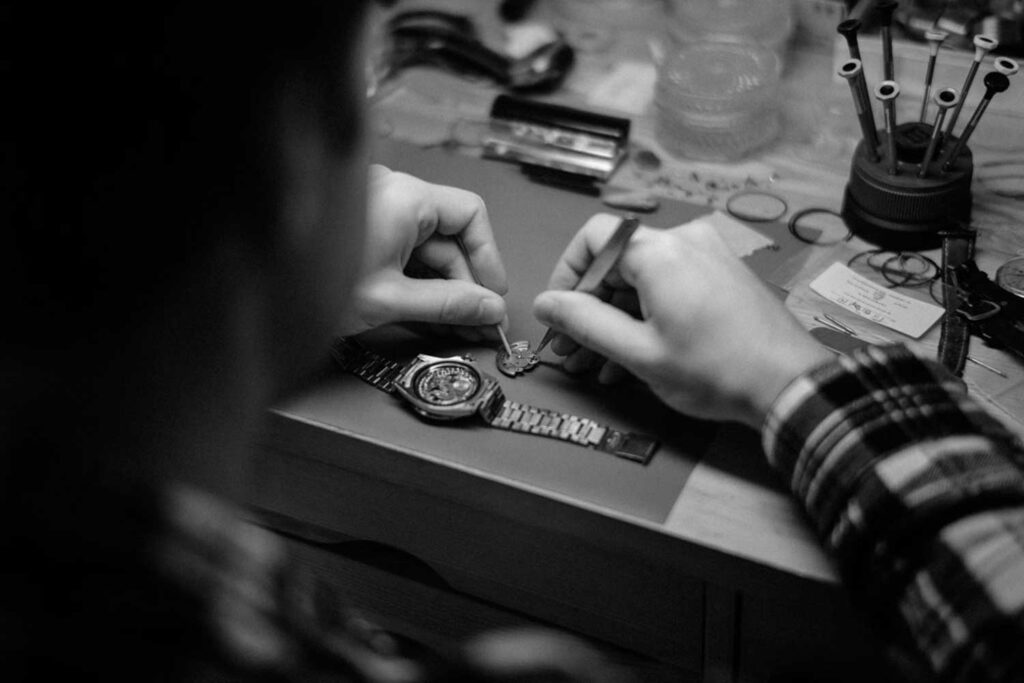
3) Movement health and service needs
Vintage watches often need service if they haven’t been maintained. If you’re buying to wear:
- assume you may need a professional service
- factor that cost into your budget
- avoid forcing crowns, setting mechanisms, or winding resistance
If you’re buying for display, a non-running watch can still be a wonderful collectible—especially if it’s complete and visually strong.
4) Strap/bracelet reality check
Straps are often replacements and that’s normal. What matters more is whether the watch head is right. Period-correct bracelets can add interest, but they’re not required for a meaningful collection.
5) The story factor: engravings and provenance
Wristwatches are personal. Presentation engravings can be a plus, especially if they’re readable and tied to a date, workplace, or milestone. Boxes, receipts, and papers are less common than in modern watches, but when they appear, they add charm and context.
Everyday Collecting: How to Build a Wristwatch Collection That Feels “You”
One of the best things about wristwatch collecting is how flexible it is. You can collect by:
- era (early wristwatches, mid-century classics, postwar everyday pieces)
- use (work watches, dress watches, sportier models)
- design language (Art Deco geometry, mid-century minimalism, bold numerals)
- sentiment (family-linked watches, engraved gifts, personal milestones)
- wearability (pieces you can responsibly wear, not just display)
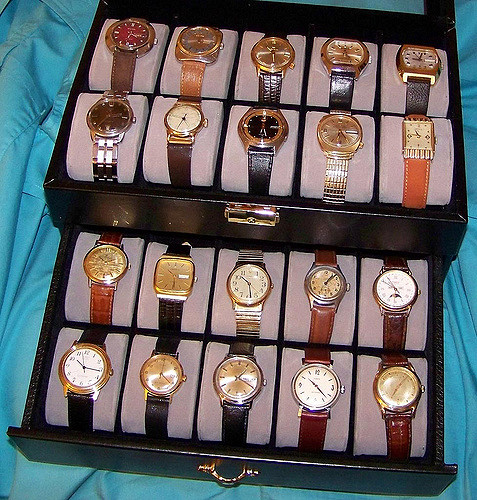
And because wristwatches were made in huge numbers, you can often find approachable entry points—then gradually refine toward rarer, cleaner, or more specialized pieces as your tastes evolve.
Care Tips for Vintage Wristwatches
A few simple habits can protect a collection:
- Keep watches away from moisture unless you truly trust their water resistance
- Store in a dry, stable environment
- Avoid strong magnets and rough impacts
- Wind gently; don’t force resistance
- If wearing regularly, get a realistic service plan (especially for older mechanical watches)
- Don’t over-polish cases; preserve edges and original finish character
For display, wristwatches look great in:
- glass-top display boxes
- shadow boxes with related ephemera (photos, jewelry, calling cards, military pins)
- small stands that keep them visible without stressing straps
Why Wristwatches Became the Everyday Timepiece—and Why We Still Love Them
Wristwatches rose because modern life demanded them: instant readability, constant access, portability without fuss. But they stayed because they became deeply personal. People lived in them. Worked in them. Traveled in them. Loved in them.
And for collectors, that’s the lasting appeal. A wristwatch isn’t just a small machine. It’s a tiny witness to everyday life—one that still looks good on a shelf, in a case, or even on your wrist if you choose wisely.
Let’s Make History—one glance at a time.