
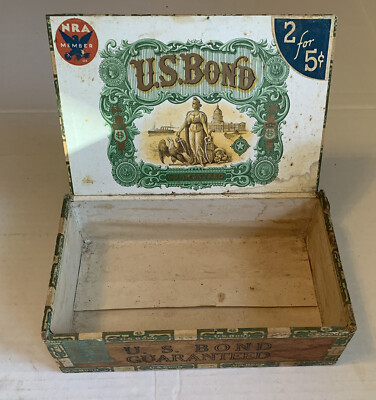
Cigar labels did not vanish overnight. The bright lithographed box labels, gold-trimmed bands, and ornate brand imagery that collectors love remained part of cigar culture for a long time. But the world that created their golden age began to change. Smoking habits shifted. Packaging changed. Advertising became more modern. Some cigar-making centers declined. And the lavish printed label slowly moved from everyday retail object to nostalgic collectible.
That transition is part of what makes cigar bands and labels so interesting today. They are not just pretty scraps of paper. They are survivors from a particular commercial world: tobacconists, cigar factories, wooden boxes, shop counters, masculine leisure culture, and color lithography at full confidence.
This fourth post in our Cigar Bands & Labels series looks at the decline of the classic cigar label era—and how nostalgia turned yesterday’s packaging into today’s collectible art.
When the Golden Age Began to Fade
The most visually celebrated cigar labels are usually associated with the late 19th and early 20th centuries, when chromolithography, brand competition, and ornate advertising design all came together. During that period, cigar boxes were often dressed like luxury goods. The label had to make the brand feel refined, bold, patriotic, tropical, fashionable, or important.
But by the early-to-mid 20th century, the market was changing. Cigarettes became increasingly popular, consumer habits shifted, and some regional cigar industries lost ground. The Great Depression also affected many businesses, including cigar manufacturing and related trades in areas that had once relied heavily on tobacco production.
The result was not an instant end to cigar labels. Instead, it was a gradual change in emphasis. The grand, elaborate, chromolithographed label became less central to everyday advertising than it had been during the earlier boom.
Cigarettes, Convenience, and Changing Habits
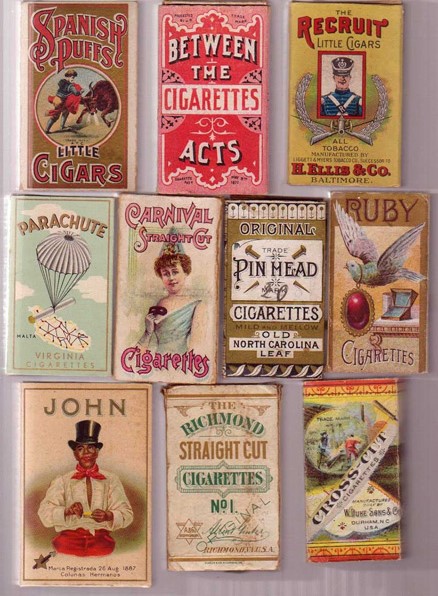
One major factor in the decline of traditional cigar label culture was the rise of cigarettes. Cigarettes were portable, quick to smoke, heavily advertised, and increasingly integrated into 20th-century social life. Cigar smoking did not disappear, but the cigar no longer held the same dominant place it had in many 19th-century settings.
This mattered for labels because packaging follows use. A cigar box with a dramatic inner lid label belongs to one kind of retail and social world: a box opened at a counter, a cigar selected individually, a brand recognized by its box and band. Cigarette packaging followed a different logic: smaller packs, faster turnover, broader mass advertising, and eventually large-scale national campaigns.
For collectors, that shift helps explain why antique cigar labels feel so tied to an earlier world. Their design assumes time, display, and ritual.
Packaging Becomes More Practical
As the 20th century moved forward, packaging trends became more streamlined. This did not mean cigar packaging became plain everywhere, but the old visual language of oversized inner labels, heavy gold, medal imagery, ornate borders, and grand pictorial scenes was no longer the only way to sell tobacco.
Later cigar packaging could be:
- simpler in graphic style
- more brand-name focused
- smaller in format
- shaped around convenience
- less dependent on elaborate box-lid artwork
A useful example is the mid-century move toward smaller, more convenient cigar packaging formats. Some companies experimented with new box styles designed to appeal to younger or more casual buyers. That kind of shift shows how far the market had moved from the big display label as the central sales device.
The label remained important, but the job of the label changed.
What Happened to the Old Labels?
Once the older boxes and labels stopped being current retail tools, they entered a second life. Some were discarded, reused, and some were saved because they were too attractive to throw away.
Old cigar boxes were especially likely to survive because they were useful. A sturdy wooden cigar box could become storage for:
- nails and screws
- buttons and sewing notions
- receipts and letters
- fishing tackle
- postcards and photographs
- small tools
- childhood treasures
That reuse is one reason collectors still find cigar boxes in barns, workshops, attics, garages, and estate cleanouts. The cigars may have been gone for decades, but the box remained useful—and the label remained attached.
Loose labels survived through other routes: printer’s stock, sample books, scrapbook pages, store leftovers, collections, and dealer lots. Some were never attached to boxes at all. Others were removed, traded, albumed, or framed.
Nostalgia Changes the Value
The moment a label stops being current packaging, it can become nostalgia.
At first, people might save a cigar label because it was colorful. Later, someone else might save it because it reminded them of a family business, an old shop, a local brand, a grandfather’s cigar box, a vanished downtown, or the look of another era.
That nostalgia is powerful because cigar labels are so visually specific. They don’t look like modern packaging. They feel rooted in a time when advertising borrowed from certificates, currency, theater posters, political banners, travel imagery, and fine-art portraiture.
For collectors, that is the appeal: cigar labels carry memory even when we do not know the original owner.
Cigar Labels as Tobacciana
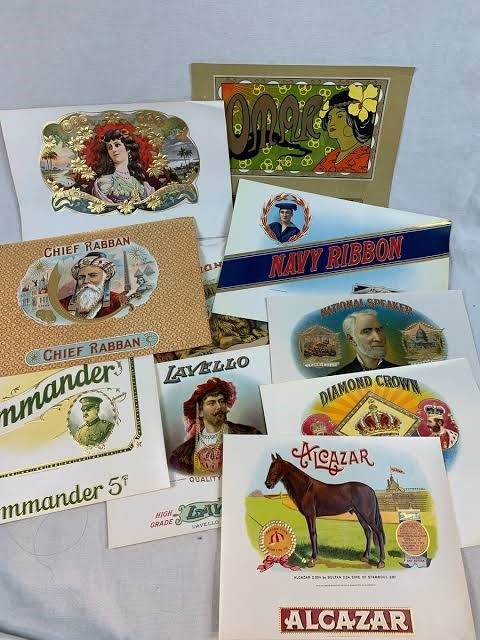
Cigar bands and labels belong to the broader collecting category often called tobacciana—objects related to tobacco history and culture. This can include cigar boxes, labels, bands, cutters, humidors, advertising signs, tobacco tins, pipes, match safes, cigarette cards, lighters, and shop displays.
Within tobacciana, cigar labels have a special advantage: they also appeal to collectors outside tobacco history. A person might collect cigar labels because they love:
- chromolithography
- paper ephemera
- advertising art
- political memorabilia
- local history
- Americana
- women in advertising
- Cuban and tropical imagery
- sports or occupational themes
- old typography and package design
That crossover appeal helps explain why labels remain collectible even among people who have no interest in smoking. The object has moved beyond its original product.
Nostalgia Collecting vs. Product Collecting
There is an important distinction: collecting cigar labels is not the same as promoting cigars. For many collectors, the interest is historical and visual. The label is collected as paper art, not as a recommendation.
That is especially true today, when tobacco advertising has a very different cultural meaning than it did in the 19th century. Modern collectors can appreciate the printing, design, and historical context while still recognizing that the product itself belongs to a complicated public-health history.
A thoughtful collection can hold both truths:
- These labels are beautiful examples of commercial art.
- They were also made to sell tobacco.
That balance makes for better collecting and better display.
What Collectors Look For in the “Decline” Era
Not every collectible cigar label comes from the ornate high point of the 1890–1920 period. Later pieces can be worthwhile too, especially when they show how design changed.
Collectors may look for:
- streamlined Art Deco or mid-century graphics
- labels from brands that survived longer than expected
- smaller-format packaging labels
- regional or local cigar brands
- labels showing shifts in typography and branding
- bands with clean, modernized logos
- boxes that show changing retail formats
Later pieces may not always bring the same visual drama as earlier chromolithographed labels, but they tell an important story: how the industry adapted.
The Nostalgia Collector’s Checklist
When buying cigar labels, bands, or boxes today, ask a few practical questions.
Is it visually strong?
A label should still catch the eye. Color, subject, lettering, and composition matter.
Is it complete?
Trimmed borders, missing corners, and cut-down labels reduce display appeal.
Is it clean enough to enjoy?
Foxing, glue stains, water damage, and paper thinning are common. Decide what you can live with before buying.
Is the label attached to a box?
A box with intact labels may tell a richer story than the label alone. Removing labels can reduce context and risk damage.
Does the subject add crossover appeal?
Political figures, ships, women, animals, sports, Cuban scenes, local names, and unusual brand names can attract different collector audiences.
Is it nostalgia—or just “old”?
Old paper is not automatically desirable. The best pieces have design strength, condition, story, or a collecting angle.
Common Pitfalls
Overpaying for “rare”
The word “rare” appears often in listings. Ask why. Is it a scarce brand? unusual subject? proof label? intact box? short-lived maker? Or is it simply old?
Ignoring back damage
Loose labels can look wonderful from the front but have glue residue, thinning, album paper, or torn areas on the back.
Separating boxes and labels too quickly
Collectors sometimes remove labels to frame them. That may make sense for already-loose or damaged boxes, but intact boxes often deserve to stay intact.
Assuming all nostalgia has equal value
A nostalgic object still needs collector appeal. A faded, torn, common label may have charm, but it should be priced accordingly.
Displaying Labels with Their Second Life in Mind
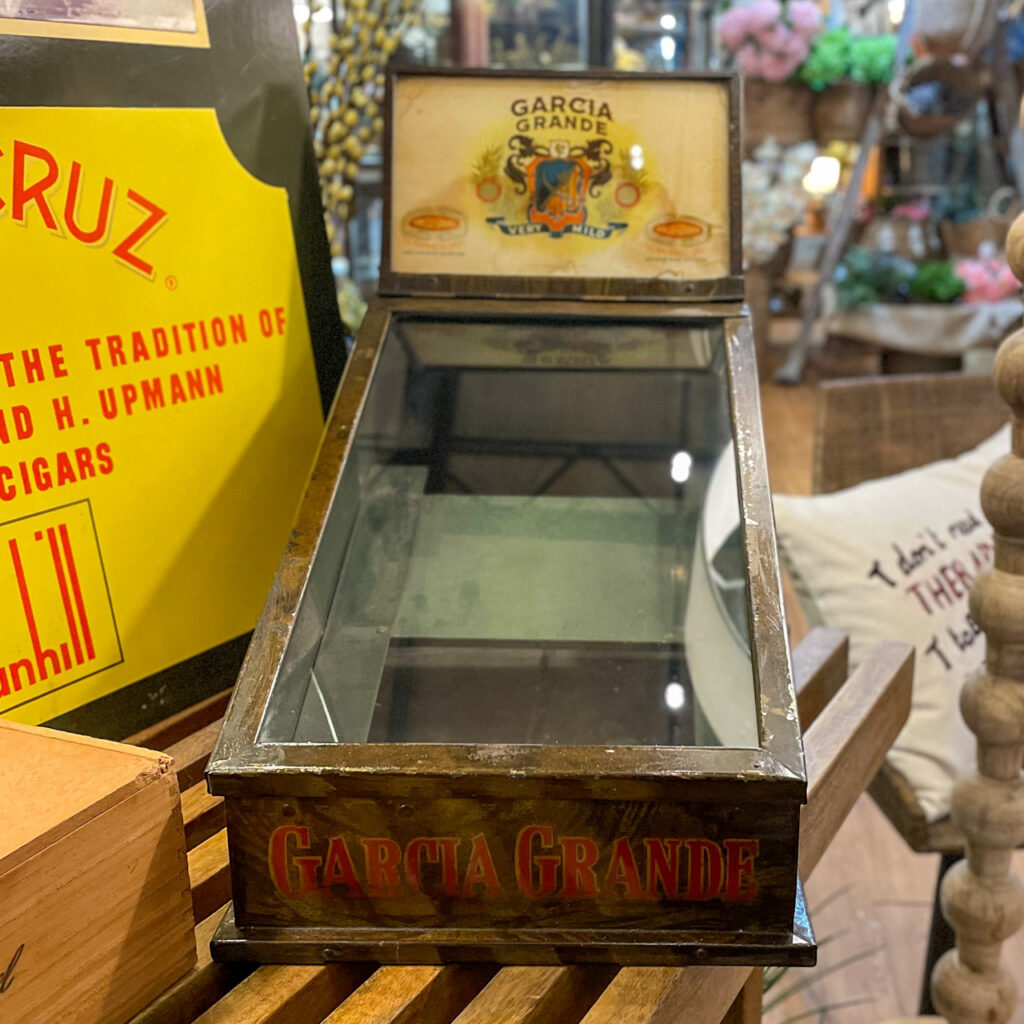
Because decline and nostalgia are part of the story, cigar labels display especially well when grouped with related objects.
Display ideas:
- Frame a colorful label beside a matching or similar cigar band.
- Display an intact cigar box open, showing the inner label.
- Group labels by theme: tropical, patriotic, portraits, local brands, or Art Deco.
- Pair a label with other paper ephemera from the same era.
- Use archival sleeves for loose labels and rotate framed pieces to limit light exposure.
If displaying in a public setting, a small note can help: “Antique cigar label collected as advertising art and printing history.” That frames the object clearly and responsibly.
Why Nostalgia Collecting Keeps Growing
Cigar labels endure because they offer something modern packaging often does not: visual abundance. They’re ornate, confident, and sometimes wonderfully over-the-top. They come from a time when packaging had to perform in color, texture, image, and lettering all at once.
They also connect with the collector’s instinct to rescue. A label removed from an attic box or tucked in an old scrapbook feels like something saved twice: first by the original owner, and again by the modern collector who recognizes its value.
That is the heart of nostalgia collecting. It is not just about wanting the past back. It is about noticing what the past left behind.
The Collector’s Takeaway
The decline of the classic cigar label was not the end of the story. It was the beginning of a new one. As cigar packaging changed and older labels lost their original commercial purpose, collectors began to see them differently: as advertising art, printing history, local history, and nostalgic paper survivors.
Today, cigar labels and bands remain appealing because they bridge two worlds. They were made to sell, but they survived to be studied, displayed, and appreciated. Their commercial moment passed; their collectible life continues.
Next in the series, we’ll close with Tiny Art with Big Stories, a look at how even the smallest cigar band or label can carry design, identity, place, and memory.
Let’s Make History—one nostalgic label at a time.
Looking for something related?
Dear June Collectibles carries thousands of antiques, vintage pieces, collectibles, ephemera, books, housewares, jewelry, memorabilia, and unusual finds. Inventory changes constantly.
Found something like this while clearing a home or collection?
Before assuming it should be thrown away, tell us what you found. Dear June Collectibles helps families, collectors, executors, and homeowners sort household contents, collections, and estates and identify realistic resale possibilities.