Broadway and musical theater memorabilia has a special kind of electricity. A program is not just a program. A ticket stub is not just a scrap of paper. A window card is not just a poster. These objects are reminders of a specific night, a specific seat, a specific cast, and that brief moment when the lights dimmed and a roomful of people leaned forward together.
Unlike many collectibles, theater memorabilia is tied to something that disappears as soon as it happens. A performance lives in memory, but the objects around it—the Playbill, the souvenir brochure, the cast recording, the signed photo, the lobby card—help keep it present.
For collectors, Broadway and musical theater memorabilia offers a rich mix of design, performance history, celebrity culture, music, nostalgia, and personal memory. Whether you collect major Broadway productions, national tours, regional theater, or one beloved musical from your childhood, these pieces help preserve the magic of the stage long after the curtain falls.
Why Theater Memorabilia Matters
Theater is temporary by nature. Even a long-running production changes over time: cast replacements, revised staging, special performances, closing nights, touring versions, anniversary concerts, and revival productions all create their own collectible trail.
Broadway itself is a specific professional theater world; The Broadway League’s Broadway.org lists 41 Broadway theaters currently operating in New York. Musical theater, however, reaches much farther: Broadway, Off-Broadway, West End, touring companies, regional theaters, community productions, school stages, cast recordings, film adaptations, and fan culture all produce collectible material.
That wide reach is part of the fun. A collector might treasure a first-run Broadway Playbill, a local production poster, a signed cast recording, or a handmade scrapbook from someone who saw touring shows for decades. Each object tells a different kind of theater story.
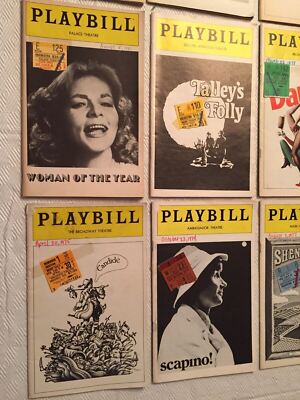
Playbills and Programs: The Classic Keepsake
For many collectors, the program is the heart of theater memorabilia.
A program can document:
- production title
- theater and date
- cast list
- understudies and replacements
- creative team
- songs or scenes
- advertisements
- production notes
- sponsor or venue information
Playbill traces its history to 1884, when Frank Vance Strauss began producing theater programs in New York. The company’s familiar yellow-and-black style became strongly associated with Broadway theatergoing, though programs and souvenir booklets exist in many other formats depending on venue, era, and production.
Programs are especially appealing because they connect the show to a moment. A poster may advertise a production generally, but a program says, “This performance had this cast, in this venue, during this run.”
What collectors look for in programs
When evaluating theater programs, look for:
- complete pages
- clear date or performance information
- cast insert slips or understudy notes
- autographs or inscriptions
- ticket stubs tucked inside
- opening night, closing night, or special performance context
- minimal water damage, mildew, or heavy folding
Condition matters, but theater programs were made to be handled. A little soft wear can feel honest. Missing pages, heavy tape repairs, and trimmed covers are more serious issues.
Souvenir Brochures and Show Books
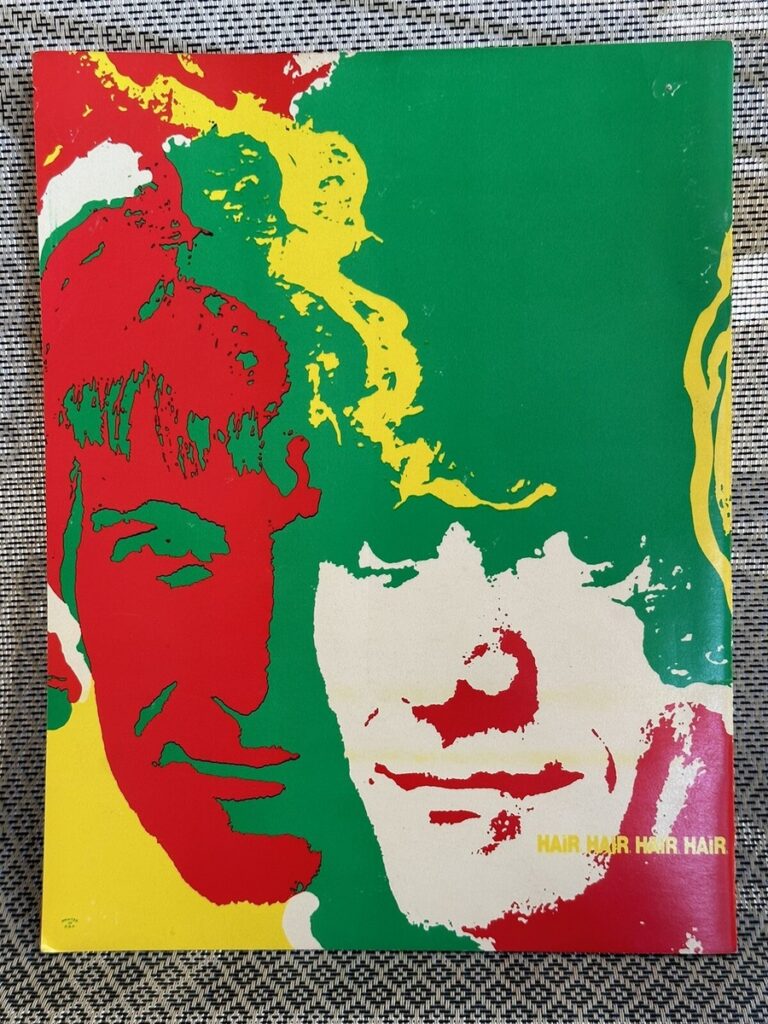
Souvenir brochures are different from standard programs. They were meant to be taken home and kept, often featuring glossy production photos, cast portraits, costume images, song lists, and essays. They are especially common for big musicals, touring productions, and long-running audience favorites.
These pieces often display beautifully because they were designed as keepsakes. They can also be helpful when identifying staging, costume designs, and cast members from a particular production era.
Collectors enjoy souvenir books because they sit at the crossroads of:
- theater history
- photography
- graphic design
- fan culture
- production documentation
A well-kept souvenir book can make a show feel vivid again, especially when paired with a ticket stub or Playbill from the same performance.
Window Cards, Posters, and Lobby Displays
Few theater collectibles have stronger wall appeal than a window card.
Traditionally, window cards and posters were used to advertise productions in theaters, storefronts, lobbies, and public spaces. They are collectible because they combine bold graphic design with instantly recognizable show identity.
Collectors look for:
- strong artwork
- original printing rather than later reproduction
- clean edges and corners
- no heavy fading
- minimal tape residue
- no trimming that changes the original dimensions or credits
- signatures, if authentic and well-documented
A signed window card can be a standout piece, especially when the signatures are from original cast members or a notable revival cast. But signatures also require caution. Autographs should be treated as claims unless supported by provenance, comparison, or reliable authentication.
Tickets, Stubs, and Seat-Specific Memories
Ticket stubs are small, but they can carry enormous emotional weight. They record the where and when of theatergoing: theater name, date, seat location, price, and sometimes performance time.
A ticket stub tucked into a program turns the program from general memorabilia into a personal record. It says someone was there.
Collectors especially like:
- opening night tickets
- closing performance tickets
- notable cast-change dates
- previews
- benefit performances
- first national tours
- historically important revivals
Modern digital ticketing has made physical stubs less common, which may make 20th-century and early 21st-century printed tickets feel even more nostalgic over time.
Cast Recordings, Sheet Music, and the Sound of the Show
Musical theater collecting is not only visual. It is also musical.
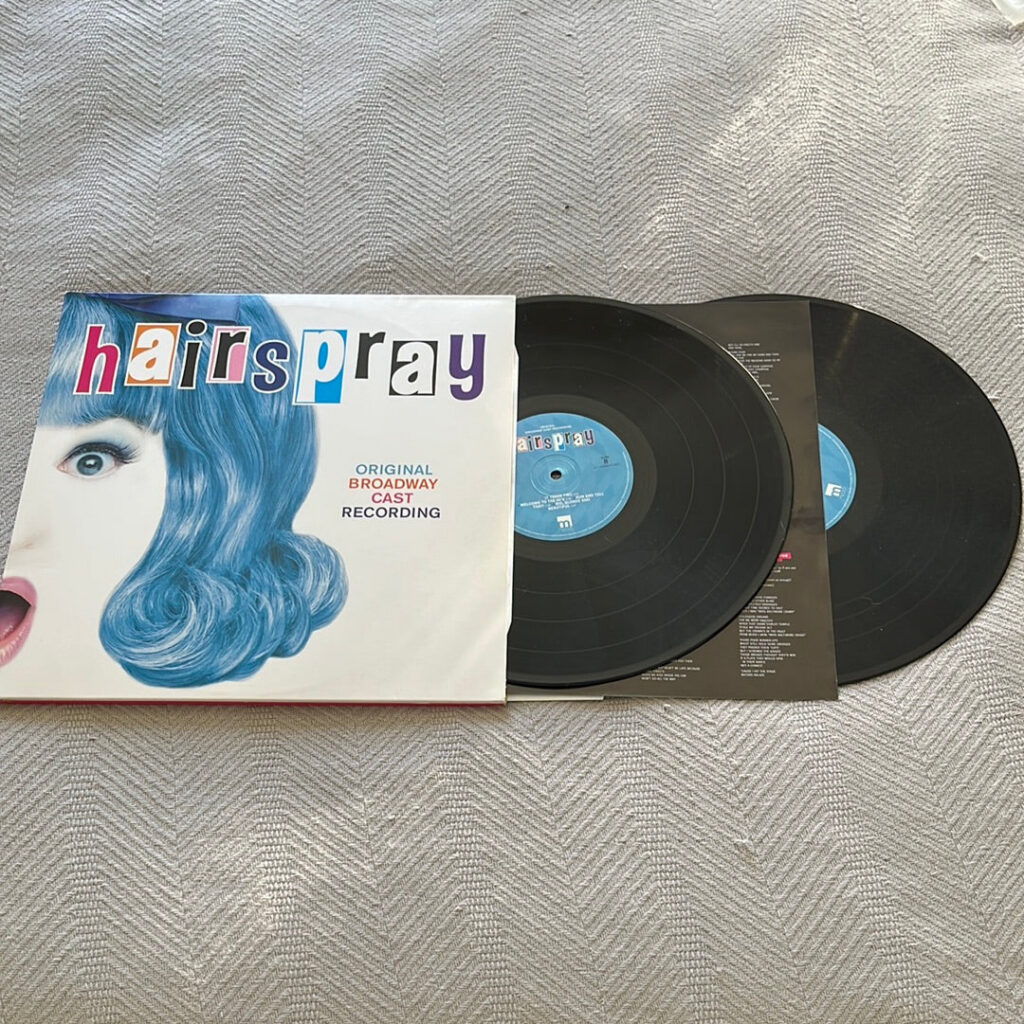
Cast recordings helped bring shows into homes, long after audiences left the theater. Sheet music did something similar in earlier eras, allowing songs from stage productions to circulate through parlors, schools, and amateur performance.
The Library of Congress’s musical theater research materials include resources tied to composers, lyricists, directors, performers, set designers, costume designers, lighting designers, scores, scripts, and related papers—evidence of how broad musical theater history becomes once you follow the creative process behind the finished show.
For collectors, cast recordings and sheet music can be rewarding because they are often more affordable than signed or production-used items, yet still deeply connected to the show’s afterlife.
When collecting records, CDs, or sheet music, check:
- edition and pressing information
- cover condition
- inserts or booklets
- signatures or inscriptions
- whether the recording is original cast, revival cast, studio cast, or film soundtrack
Those distinctions matter. A Broadway original cast recording and a later film soundtrack can both be collectible, but they tell different stories.
Autographs and Stage-Door Culture
Signed theater memorabilia can be wonderful, but it needs a careful eye.
Common signed items include:
- Playbills
- window cards
- cast photos
- souvenir brochures
- scripts
- albums or CDs
- fan photographs
Stage-door autographs are part of theater fan culture. They can make a piece feel personal and immediate. But from a resale or archival perspective, the stronger the attribution, the better.
Helpful documentation might include:
- a photo of the performer signing
- a note from the original collector
- a known event or date
- comparison with verified examples
- certificate from a reputable authenticator for higher-value pieces
Be cautious with “fully signed original cast” claims unless the evidence supports it. Even honest sellers can pass along stories they cannot prove.
Props, Costumes, and Production-Used Items
Props and costumes are among the most exciting—and complicated—theater collectibles.
A production-used item can be highly desirable because it was part of the performance itself. But theater items are often reused, altered, replaced, or replicated. Touring productions may use different costumes or props than Broadway productions. Promotional replicas may look stage-related but were never used onstage.
For production-used claims, provenance is essential.
Look for:
- paperwork from an official auction or charity sale
- wardrobe tags or production labels
- photographs matching the item to a performer or scene
- correspondence from a theater, production company, or estate
- clear chain of ownership
Without documentation, it is safer to describe an item as “theater-style,” “promotional,” “attributed to,” or “said to be from,” depending on what is actually known.
Regional, Touring, and Community Theater Collectibles
Broadway gets the spotlight, but musical theater memorabilia does not begin and end in New York.
Touring programs, regional theater posters, local reviews, school production photos, and community theater scrapbooks can be just as meaningful. They also preserve the story of how theater reaches people outside major theater districts.
These items are often overlooked, which makes them appealing to collectors who love social history. A local production program may include:
- neighborhood businesses in the ads
- local performers and musicians
- venue history
- community sponsors
- ticket prices
- family names and handwritten notes
That context can make a modest program more interesting than a generic mass-market souvenir.
What Makes a Piece Valuable?
Theater memorabilia value depends on several overlapping factors.
Fame and significance
A piece tied to a landmark show, famous performer, original cast, or historically important production generally has stronger collector appeal.
Specificity
Items tied to a known date, cast, performance, or venue usually interest collectors more than undated generic souvenirs.
Condition
Paper condition matters: fading, water damage, brittleness, tape, trimming, and missing pages all affect value.
Provenance
Documentation can raise confidence and value, especially for autographs, props, costumes, and production-used items.
Visual appeal
Some items simply display beautifully. Strong artwork, bold typography, and recognizable imagery can make posters and window cards desirable even beyond theater-specific collectors.
Care and Preservation Tips
Theater memorabilia is often paper-based, and paper is vulnerable.
Programs, Playbills, and paper ephemera
- Store flat in acid-free sleeves or folders.
- Keep away from damp areas.
- Avoid direct sunlight.
- Do not tape tears with household tape.
- Keep ticket stubs with the related program, but avoid gluing them down.
Posters and window cards
- Frame with UV-protective glazing when possible.
- Avoid dry mounting valuable originals.
- Store flat or rolled carefully, depending on size and condition.
- Watch for brittle edges and old tape residue.
Records and CDs
- Store records upright, not stacked flat.
- Keep discs and inserts together.
- Avoid heat and humidity.
- Note whether signatures are on the jacket, booklet, or disc.
Costumes and textiles
- Avoid hanging fragile garments long-term if weight causes stress.
- Use acid-free tissue for support.
- Keep away from light, dust, and moisture.
- Document any tags or labels before display.
Display Ideas for Musical Theater Collections
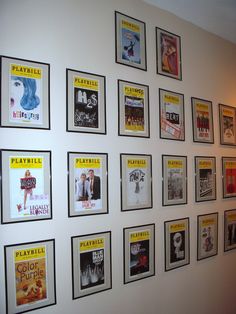
Theater memorabilia is made for display because it already has visual drama.
A few collector-friendly ideas:
- frame a Playbill with the ticket stub and a small cast photo
- create a wall of window cards from favorite shows
- display a cast recording beside the program from the same production
- make a shadow box with stage-door autographs, tickets, and a souvenir pin
- group items by show, performer, theater, or decade
- create a “first show” display for the musical that started your love of theater
Good display tells the viewer what they are looking at quickly: show, date, place, and why it matters.
Why Broadway and Musical Theater Memorabilia Still Shines
Musical theater is built on collaboration—writers, composers, lyricists, actors, dancers, designers, musicians, stagehands, directors, producers, and audiences all creating one live experience. Memorabilia preserves the edges of that collaboration.
A saved program remembers the cast. A poster remembers the image. A ticket remembers the seat. A cast recording remembers the sound. A signed Playbill remembers the human connection between performer and fan.
That is why theater memorabilia remains so collectible. It lets us keep a little piece of a performance that was never meant to last forever.
Let’s Make History—one standing ovation at a time.
Looking for something related?
Dear June Collectibles carries thousands of antiques, vintage pieces, collectibles, ephemera, books, housewares, jewelry, memorabilia, and unusual finds. Inventory changes constantly.
Found something like this while clearing a home or collection?
Before assuming it should be thrown away, tell us what you found. Dear June Collectibles helps families, collectors, executors, and homeowners sort household contents, collections, and estates and identify realistic resale possibilities.