
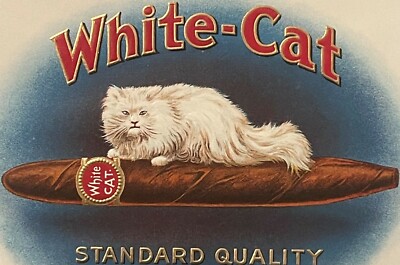
Cigar labels are small pieces of paper, but they rarely feel small. A good antique cigar label has the drama of a poster, the polish of a certificate, and the color impact of a theater program—all compressed into a format meant to sell a box of cigars from a shop shelf.
That visual power came from color lithography, the printing method that helped turn cigar packaging into one of the most collectible forms of advertising ephemera. Before modern digital printing, these labels required careful drawing, multiple color passes, precise registration, metallic effects, embossing, and an artist’s eye for what would catch a customer’s attention quickly.
This second post in our Cigar Bands & Labels series looks at the artistry behind the labels: how color lithography worked, why cigar labels became so visually rich, and what collectors should look for when judging quality.
Continue reading “Color Lithography and Artistry”