In the world of magic collecting, some of the most meaningful artifacts aren’t towering illusion boxes, elaborate stage mechanisms, or cleverly engineered props. Instead, they’re the paper remnants of performances long gone—autographs, photographs, cabinet cards, postcards, and ornate show programs that once introduced audiences to the great conjurers of their day.
Unlike large props, which were often dismantled, rebuilt, or simply worn out from touring, paper ephemera survived in surprising numbers. Many pieces were tucked into family scrapbooks, saved in theater archives, or preserved by fellow performers. Today, these fragile items serve as some of the richest historical records available. They capture what props can’t: facial expressions, personality, costuming, advertising language, touring routes, and even the atmosphere of long-vanished theaters.
For collectors and historians, these materials form a vivid, visual biography of magic’s evolution. They trace the rise of Victorian illusionists, the fast-paced energy of vaudeville, the spectacle of early 20th-century stage magic, and the shift toward modern entertainment. Most importantly, they bring us face-to-face with the performers themselves—the individuals who shaped the art of conjuring.
Below, we explore the major categories of magic ephemera and why they continue to captivate collectors today.
Why Paper Ephemera Matters in Magic History
Before film, radio, or television became widespread, magic was a live, temporary art. Once a performance ended, it existed only in memory—unless preserved through posters, programs, or photographs.
Today, these paper remnants help collectors and researchers:
Reconstruct lost performances-Many early acts were never filmed, so programs and photographs are often the only evidence they existed.
Track touring routes-Programs list theaters, cities, supporting acts, and sometimes the date of a specific engagement.
Document stage personas and costuming-Styles changed over a performer’s career, and ephemera shows these shifts clearly.
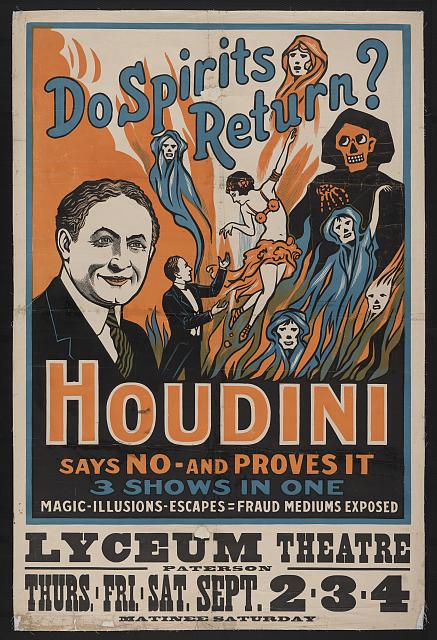
Understand early advertising-Lithography and studio portraiture shaped how magicians presented their brand to the public.
Verify provenance-Autographs and inscriptions can indicate exactly where a performer was at a given moment.
In short: no other artifacts capture the public face of historic magic as clearly as paper ephemera.
Signed Photographs and Cabinet Cards
From the late 1800s into the mid-20th century, cabinet cards, studio portraits, and glossy promotional photographs were essential tools for magicians.
The role of studio photography
Photography studios across Europe and North America produced formal portraits for performers. These often featured:
- traditional evening dress
- stylized “exotic” costumes (reflecting period trends)
- iconic magic props—wands, fans of cards, linking rings, doves
- studio logos or photographer credits
These images were typically used in press kits, advertisements, or promotional mailings to theaters.
Autographs and inscriptions
Signed photographs served multiple purposes:
- souvenirs for audience members
- professional gifts for theater managers or colleagues
- promotional materials mailed to booking agents or newspapers
- personal dedications to friends, students, or assistants
Dates and locations written on the photos help reconstruct a magician’s touring history.
Why collectors seek them
Collectors prize signed photographs because they offer:
- authentic documentation of a performer’s appearance
- historically important materials such as early albumen or silver gelatin prints
- clear provenance when addressed to a known figure
- identifiable handwriting for authentication
For some performers—especially lesser-known ones—a single photograph may be the only surviving record of their career.
Candid Photographs and Backstage Images
If studio portraits show a magician’s curated public image, candid shots reveal the life behind the curtain.
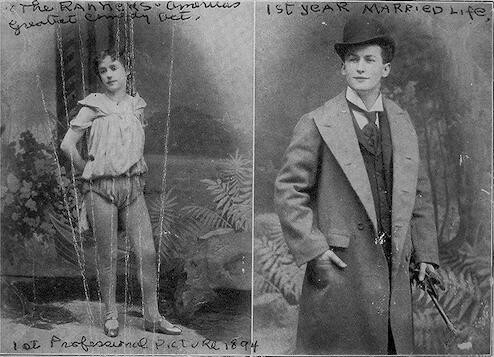
Types of candid ephemera
Collectors often encounter:
- backstage snapshots with assistants or props
- photos taken during travel—at train stations, outside theaters, beside touring wagons
- rehearsal images showing illusions being assembled
- personal photos saved among a performer’s belongings
These images offer rare, unscripted glimpses of historical magic in practice.
What candid images reveal
Candid photographs often document:
- how props were stored, transported, or prepared
- early versions of illusions still in development
- the everyday clothing performers wore offstage
- assistants or troupe members absent from publicity materials
- dressing rooms, workshops, and backstage environments
These details help fill gaps left by formal advertising materials.
Show Programs: A Night at the Theatre in Paper Form
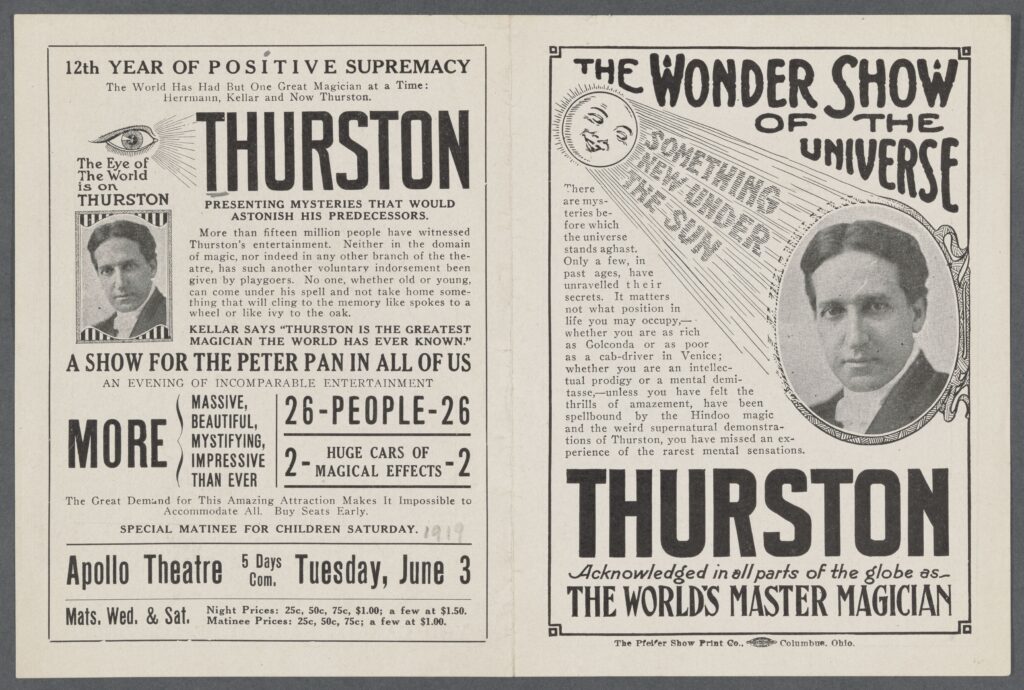
Show programs are among the most informative forms of magic ephemera. They offer a detailed look at how performances were structured and presented to audiences.
Victorian and Edwardian programs
Programs from the late 19th and early 20th centuries often included:
- elaborate typography and layout
- short descriptions of illusions
- engravings or illustrations
- lists of assistants or supporting performers
Programs survive from well-documented magicians including John Nevil Maskelyne, Charles Bertram, and Professor Anderson. These items showcase the printing styles and theatrical tastes of the period.
Vaudeville and early 20th-century programs
As magic acts became staples of variety bills, programs featured:
- multiple acts across genres
- biographical notes
- advertisements for local merchants
- theater announcements and policies
These programs highlight magic’s place within the broader entertainment world.
Mid-century programs
By the mid-1900s, performers like the Blackstone family used programs with:
- glossy photo covers
- lists of featured illusions
- souvenir tie-ins
- occasional handwritten stage cues
These programs document the period when magic transitioned from vaudeville to full-evening shows and eventually television.
Why programs appeal to collectors
Programs offer:
- exact venues and dates
- reliable lists of illusions performed
- advertisements revealing local culture
- identification of troupe members
- insights into historical graphic design
Since audiences rarely saved them, surviving examples are not common—especially from short-running engagements.
Autographs and Signatures: The Human Touch
Autographs—whether found on photographs, letters, books, or programs—are a major collecting category.
Why magicians’ autographs matter
A signature provides:
- confirmation of identity
- personal connection to the performer
- context such as dates or locations
- insight into professional relationships
Some magicians signed frequently; others rarely did, making their autographs far more valuable.
Types of signed items
Collectors may find signatures on:
- photographs
- show programs
- personal correspondence
- published books or lecture notes
- club membership documents
Evaluating signed materials
Collectors look at:
- authenticity (verified through known handwriting samples)
- content (letters with details about touring or methods are prized)
- historical context
- overall condition
In some cases, an autograph is the last trace left of a performer’s life onstage.
The Venues and Tours Behind the Ephemera
Paper ephemera helps map where—and how—magic history unfolded.
Victorian and Edwardian magic venues
London’s Egyptian Hall, closely associated with Maskelyne, is one of the best-documented magic theaters of its era. Programs and photographs from such venues offer a clear picture of the theatrical environment magicians worked in.
Vaudeville circuits
By the early 20th century, magicians regularly toured major circuits such as:
- Orpheum
- Keith-Albee
- Palace Theatre network
- numerous regional houses in the U.S. and U.K.
Programs from these tours confirm performance dates and geographical reach.
International touring
Surviving ephemera documents magic tours across:
- Europe
- North America
- Australia
- parts of Asia
- South America
Programs and autographed photos are often the only available evidence of certain tours.
What These Artifacts Reveal About Magic’s Cultural Impact
Each piece of paper ephemera carries clues about:
- performance fashion
- advertising strategies
- theater architecture
- public taste
- changes in print and photographic technology
- shifting magician personas over time
Together, they provide an unparalleled record of magic as a cultural art form.
Why Collectors Treasure These Items
Collectors value magic ephemera for several reasons:
- Personal connection
These items bring us close to performers who might otherwise be forgotten. - Historical accuracy
Dates, venues, and cast lists are often recorded only here. - Survival against the odds
These were disposable items—yet they endured. - Accessibility
Compared to large props, paper is easier to store and display. - Rich provenance
Inscriptions and context give depth to a collection.
Paper ephemera often feels like a time capsule—preserving a single moment when audiences gathered to watch the impossible unfold.
Conclusion: Paper Treasures That Keep Magic Alive
Stage props and illusions may vanish, but autographs, photographs, and programs preserve the human side of magic. They show how performers presented themselves, where they traveled, what they performed, and how audiences experienced the art.
These fragile paper artifacts ensure that the history of magic isn’t lost. They document magic not only as sleight-of-hand or spectacle, but as culture, community, and artistry.
As collectors safeguard these materials, they help keep magic’s story alive—one signature, one photograph, one program at a time. Let’s Make History- one magical moment at a time.