Magic collectibles captivate because they blend history, mystery, and showmanship. Whether you’re holding an old poster, a worn deck of cards, or a fragment of a stage illusion, each item suggests a story of wonder. Collectors gravitate toward this mix of artistry and secrecy. These objects spark amazement while hiding the mechanics behind it. In a world where entertainment changes rapidly, magic memorabilia helps preserve the feel of a craft built on imagination and skill.
Echoes of Vanished Performances
For much of magic’s history, the art lived onstage and vanished the moment the curtain fell. Before audio and film recording became common, people rarely set up cameras to capture entire shows. Digital platforms did not exist at all. After the performance, audience members usually took home only what fit in a pocket or scrapbook: a folded program, a ticket stub, a handbill announcing a limited engagement.
These pieces may look modest, but they point back to evenings that felt anything but small. A program can list who appeared, in what order, and sometimes how the show described itself to the audience. A ticket tells you that someone, on a specific date in a particular city, chose to spend their time watching mysteries unfold. When you handle these objects today, you’re not just looking at paper. You’re engaging with tangible traces of a live event that unfolded in a specific moment, under specific lights, for a specific crowd.
The Many Faces of Magic Memorabilia
Magic collectibles come in many forms, and each one reveals something slightly different about the art.
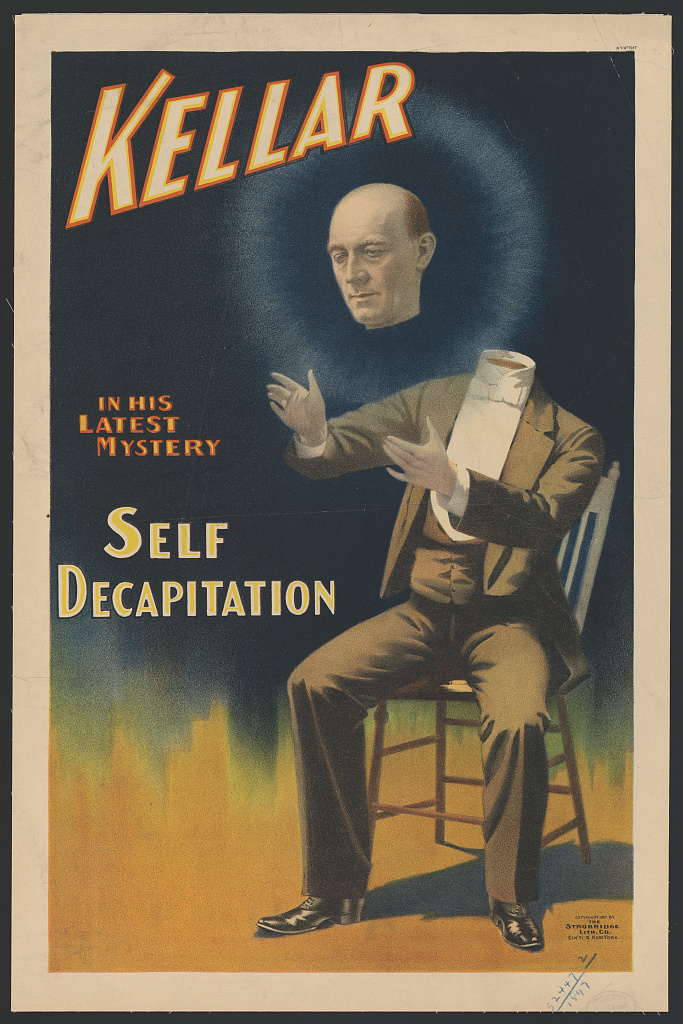
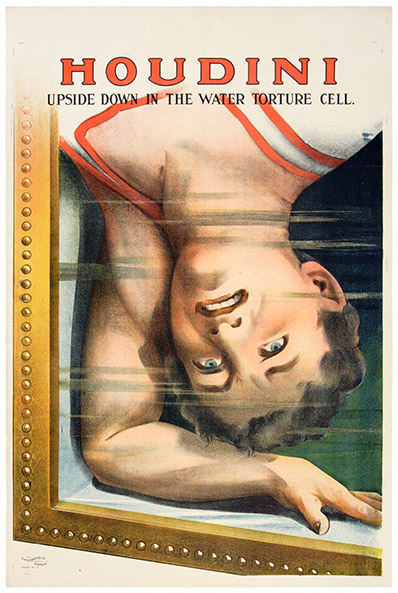
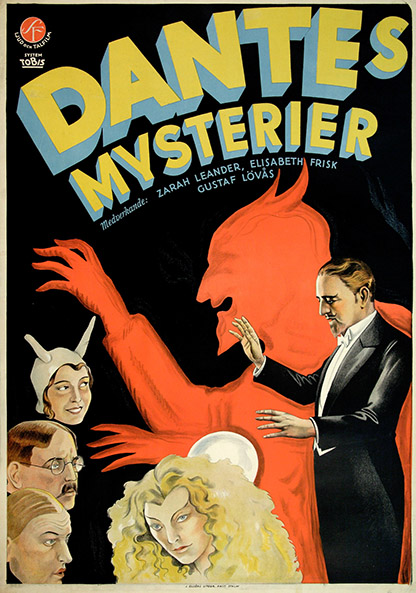
Posters and broadsides show how performers advertised themselves. Bold typography, eye-catching imagery, and carefully chosen titles all aim to grab attention. Even if you don’t know the details of the show, you can often see how magicians wanted the public to see them—mysterious, scientific, exotic, comedic, or some blend of those qualities.
Photographs, cabinet cards, and studio portraits introduce you to the performers themselves. The tilt of a head, the costume, and the props in the frame all shape the impression of a stage persona. Some images clearly function as formal publicity stills. Others look more casual: photographs taken on the road, backstage, or during rehearsal. Each view offers a slightly different angle on the same performer and helps you bridge the gap between the public image and the working life behind it.
The working tools of magic tell another part of the story. Used decks of cards, coin gimmicks, small mechanical devices, and components of larger illusions often show the marks of repeated use. You may notice scuffs on a prop where someone gripped it night after night. You might see handwritten notes in a small booklet explaining timing or staging. Makers often construct these objects so they hide their full purpose at a glance. That quality—inviting examination while withholding explanation—lies at the heart of their appeal.
Books, pamphlets, and lecture notes form another major category. Some writers aim at general readers and promise to reveal “mysteries.” Others clearly address magicians and assume prior knowledge. Marginal notes, underlining, and inserted clippings let you see how an individual performer studied, adapted, and personalized material over time.
Then you have the small, easily overlooked items: membership cards from magic clubs, business cards, envelopes with letterheads, advertising circulars, and newspaper clippings. On their own, they may seem minor. Together, they can outline a career—where a magician traveled, which organizations they joined, who they corresponded with, and how local papers described them.
Why Collectors Feel a Personal Connection
The appeal of these objects goes far beyond their materials or age. Many collectors describe a sense of personal connection when they hold something that once belonged to a performer or passed through that performer’s hands. A signed photograph or a letter on distinctive stationery feels like more than ink on paper. It shows that a real person, pursuing a life in magic, stood behind the name on the poster.
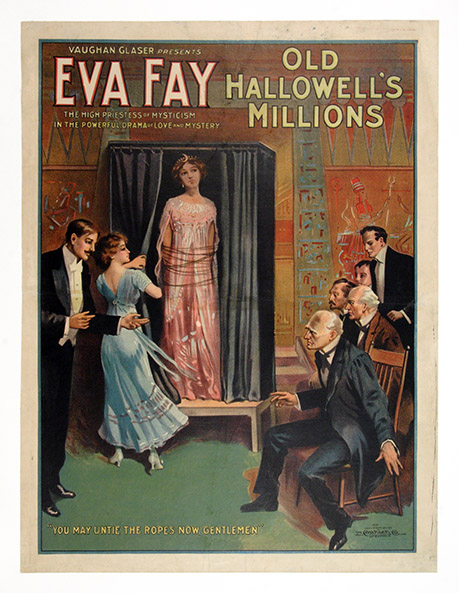
For some people, that connection starts with nostalgia. A poster may call up memories of the first live show they ever attended. A vintage trick might resemble the effect that first sparked their interest in performing. For others, the connection feels more imaginative. As they stand in front of a lithographed poster or examine a worn prop, they picture the atmosphere of a crowded theatre—the sound of the audience, the glow of the stage lights, and the build-up to the main illusion.
Collecting also offers a way to join the story of magic without stepping onstage. Not everyone wants to perform. Many people instead enjoy the research involved in finding, identifying, and contextualizing historical items. They track down a program from a particular tour, compare signatures to confirm authenticity, or piece together the ownership history of a prop. That detective work echoes the same problem-solving mindset that makes magic itself so intellectually satisfying.
History in Your Hands
Because performers often presented stage magic in touring formats, collectibles can reveal a lot about cultural and social history. A single program might list several performers from different regions sharing a bill in a major city. A poster may highlight themes and imagery that reflect the tastes and expectations of its era. Advertisements printed around a show notice can point you toward other local entertainment, popular products, or businesses active at the time.
When collectors compare items from different years, they can see how stage personas evolved. Costumes change, billing titles shift, and supporting acts rotate. Some performers reinvent their public image several times over the course of their careers. Others keep refining a single approach. Photographs and paper ephemera record these shifts in ways that purely written descriptions often cannot match.
In this sense, a collection of magic memorabilia also becomes a collection of broader history. It touches on printing methods, theatre practices, transportation routes, fashion trends, and the economics of live entertainment. Even if a collector focuses on specific tricks or illusions, the objects they gather still reflect the world in which those illusions came to life.
The Artistry of Design and Craft
Another part of the allure comes from the artistry behind many magic collectibles. In the late nineteenth and early twentieth centuries, printers often used lithographic methods—frequently with multiple stones or plates—to produce richly colored posters. Designers and illustrators created elaborate scenes with spirits, animals, stage settings, and fantasy elements around the central figure of the magician. People now value many of these posters as notable examples of commercial art from that period, in addition to their original role as advertisements.
Photographs bring a different visual language to the table. Studio portraits often rely on controlled lighting, painted backdrops, and retouching techniques to create a polished, sometimes theatrical atmosphere. More informal snapshots can feel immediate and intimate. You might see a magician standing beside a train car, assistants gathered around a crate, or a rehearsal in a half-lit theatre. Photographic styles shift over the decades, but the main goal stays the same. Each image aims to present the performer in a way audiences will remember.
Props and apparatus contribute their own visual impact. Even small items may carry thoughtful details in paint, surface design, or custom hardware. Larger illusions can involve intricate woodworking or metalwork hidden inside seemingly simple outer forms. When you study these objects up close, you start to see the craftsmanship required to build something durable enough for repeated use while still creating the impression of effortlessness onstage.
Stewardship and Care
Owning magic collectibles brings a certain responsibility. Many items, especially paper ephemera, did not start out with long-term preservation in mind. Over time, paper can become brittle, inks can fade, and adhesives can break down. Conservation requires specialized training, but widely shared guidelines offer basic steps that help people minimize damage.
Collectors often protect paper items by keeping them out of direct sunlight, avoiding high humidity or extreme temperatures, and using archival-quality sleeves, folders, or storage boxes. They support photographs and posters so they do not sag or curl, which helps prevent creases and tears. They also handle props gently and store them in stable, moderate environments.
When you think of yourself as a steward rather than just an owner, you approach a collection differently. You still enjoy the items now, but you also plan to keep them in good condition for future collectors, researchers, or family members. In that sense, every collection joins a longer continuum of care.
Finding a Focus
Because the world of magic collectibles covers so much ground, many people find it helpful to develop a focus. Some collectors concentrate on material related to a single performer, theatre, or era. Others specialize in a particular type of object, such as early instructional booklets, cabinet photographs, or modern signed decks from contemporary magicians. A clear focus can make research feel more structured, because each new acquisition fits into an existing framework of knowledge and context.
At the same time, collections often grow and change naturally. Someone might start with posters and then become curious about the programs that accompanied those shows. Later, they may look for the books that taught the effects listed on the bill. No two collections look exactly alike, and no single “correct” way to build one exists. What matters most is that the items feel meaningful to the collector and that they can care for them appropriately.
Connections with other enthusiasts—through clubs, organizations, online communities, or local gatherings—can deepen the experience as well. Collectors share information about printers, venues, and lesser-known performers. Together, they identify and contextualize items that might otherwise stay obscure. Over time, this kind of shared research helps clarify dates, touring routes, and authorship for many pieces of magic ephemera.
Keeping the Story of Magic Alive
Ultimately, magic collectibles stay compelling because they help keep stories alive. Each object points back to a moment when someone set out to create wonder—by stepping into a spotlight, designing a striking poster, or crafting a clever piece of apparatus. When people preserve these items, the work behind them remains visible and accessible.
A collection does more than fill shelves or walls. It creates an ongoing conversation between past and present. Performers and printers originally made these materials to reach audiences in their own time. Today’s collectors respond by researching, preserving, and sharing them, and that effort helps keep the achievements and artistry behind the objects in view.
In an era when much entertainment exists in digital form and disappears with a deleted file or a changed link, magic memorabilia offers something tangible. You can unfold a poster, examine a photograph closely, or study a prop from different angles. Those physical encounters remind you that the history of magic isn’t just a list of names and dates. It also lives in real stages, real audiences, and real objects.
Magic as a performance art depends on a balance between what you see and what stays hidden. Magic collectibles capture that balance in lasting form. They reveal enough to fascinate while still hinting at deeper layers of craft and context. For many collectors, that combination of beauty, history, and unresolved mystery keeps them searching for the next piece to explore.
Let’s Make History-one magical collectible at a time.