When we think of magic history, our minds usually jump straight to the stage: the levitation, the dramatic escape, the dove appearing from an empty scarf. But behind every public performance is a much quieter world—one shaped by notebooks, handwritten manuscripts, annotated books, and practice tools worn smooth by repetition.
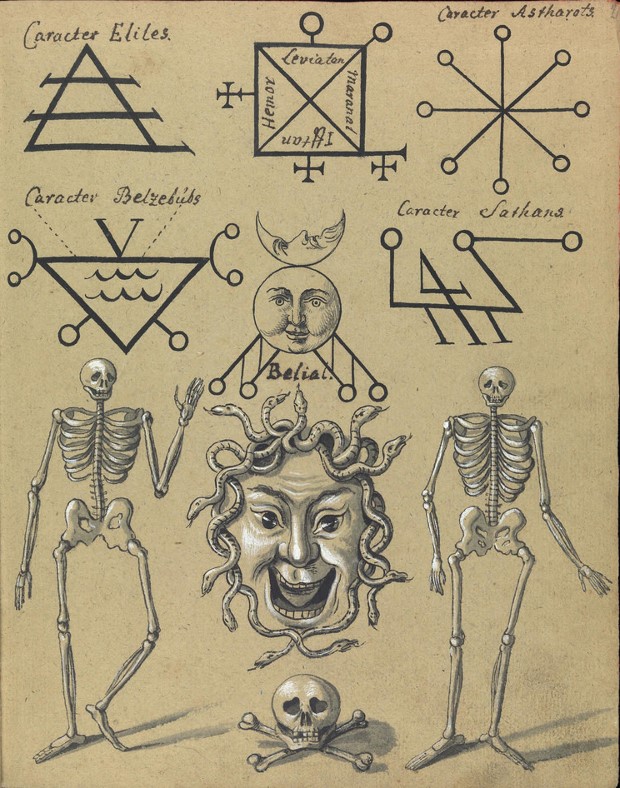
Magicians have always needed these behind-the-scenes materials to develop their craft. Long before video tutorials or widely available magic books, knowledge was shared carefully and selectively. Secrets passed through private notes, letters between colleagues, or handwritten instructions that were never meant for general audiences.
Today, these personal materials are some of the most revealing artifacts in magic history. They show not just what magicians performed, but how they thought, practiced, refined, and protected their methods. In many cases, a single notebook can be more informative than a stage prop.
This post explores that hidden archive: the manuscripts, early instruction manuals, private lesson notes, and the everyday practice tools that shaped generations of conjurors.
Private Manuscripts and Notebooks: The Magician’s Laboratory
For centuries, magic knowledge moved primarily through handwritten documents rather than published books. Magicians recorded their ideas in notebooks, journals, folded manuscripts, or bound volumes they assembled themselves. These documents often included:
- Sleights and handling sequences
- False shuffles, stacks, or force ideas
- Sketches for small apparatus
- Timing and choreography notes
- Variations learned from peers
- Excerpts copied from hard-to-find books or lectures
Some notebooks are messy and full of trial-and-error. Others are carefully structured personal encyclopedias. Surviving examples exist from the 17th century onward, appearing first in Europe and later in North America.
Why these documents survived
Because secrecy was valued, magicians typically kept their notes throughout their lives and passed them on only to trusted individuals:
- apprentices
- colleagues
- or family members
Their survival usually depends on careful preservation by individuals rather than institutions.
What collectors look for
Collectors prize handwritten materials because they offer:
A window into technique.
Notes reveal thought processes—not just the final routine.
Evidence of evolution.
You can see how a trick was reworked over time.
Historical clues.
References to theaters, tours, or specific performers often appear in margins.
Authenticity.
Paper type, ink, and handwriting help verify origin.
Even notebooks with unknown authors are valuable if they document sleights and methods from a specific era.
Early Magic Manuals: From Limited Circulation to Print Culture
Magic books have existed for centuries, though many early works were not intended as instructional guides for magicians. Two well-documented early texts include:
- Reginald Scot’s The Discoverie of Witchcraft (1584) — written as an argument against witchcraft accusations, but accidentally preserved descriptions of contemporary conjuring tricks.
- Hocus Pocus Junior (1634) — one of the earliest printed books that openly explained sleight-of-hand and simple apparatus tricks.
From the 18th century onward, instructional works became more systematic. Printed manuals covered:
- card handling
- coin sleights
- cups and balls
- mechanical tricks
- performance theory
- stage etiquette and presentation
By the 19th century, industrial printing made magic literature more accessible, though many important works still circulated semi-privately through magic dealers or clubs.
Why early manuals matter
Collectors value them for their:
- historical context—a record of what techniques were known
- teaching evolution—how instruction developed over time
- documentation of changing styles, from street magic to large theatrical shows
- illustrations of mechanical innovations used in early apparatus
First editions and privately printed works are especially sought after.
Lesson Notes, Lecture Sheets, and Correspondence
Before magic lectures were widely organized, performers often exchanged ideas by letter. By the late 19th and early 20th centuries—when magic clubs began forming—lecture notes and small-run pamphlets became common.
Correspondence
Letters between magicians sometimes include:
- critiques or refinements of methods
- step-by-step explanations
- diagrams
- commentary on performances, theaters, or audience reactions
These documents provide an unfiltered view into how magicians worked, collaborated, and shared ideas.
Lectures and notes
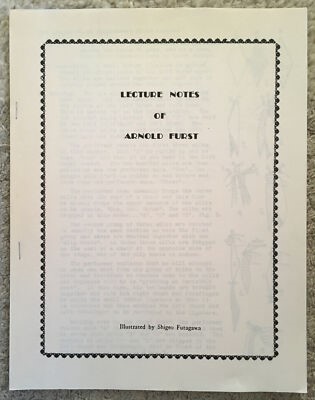
As clubs and conventions grew, performers distributed:
- typed lecture notes
- mimeographed instruction sheets
- diagrams
- limited-run pamphlets
These were printed in small quantities for club members or attendees and are now rare.
Personal Practice Materials: The Tools Behind the Tricks
Some of the most meaningful artifacts in magic collecting are the everyday practice tools performers used behind the scenes.
Practice decks
Card magic became central to Western conjuring by the 19th century. Practice decks often show:
- palming wear
- fanning powder residue
- corner crimps
- handwritten annotations
These marks reveal hours of work perfecting passes, shifts, palms, and false deals.
Coins
Coins used for practice may show:
- natural patina from handling
- softened edges
- slight distortions from grip training
These are common and historically believable signs of frequent practice.
Rope, cups, and other small apparatus
Common small props show repetitive-use markings:
- rope ends frayed from cut-and-restore practice
- scratches inside cups from ball loads
- thumb tips subtly altered from long-term use
These small details are often more revealing than large stage props.
Magic Clubs and Societies
Magic clubs helped formalize knowledge-sharing in the late 19th and early 20th centuries. One well-documented example is The Magic Circle, founded in London in 1905.
Such groups produced:
- journals
- meeting notes
- instructional articles
- small-run publications
These materials are now valuable records of how techniques were discussed and taught among professionals.
How Instructional Materials Reveal Magic’s Evolution
Personal notes and instructional documents provide a clear picture of how magic developed.
Through them, collectors and historians can trace:
1. Refinement of sleights-Notes document adjustments to grip, timing, or presentation.
2. Collaboration-Many manuscripts reference other magicians or build on shared ideas.
3. Cultural influence-For example, 19th-century fascination with spiritualism appears frequently in tricks from that era.
4. Secrecy-Magicians often used abbreviations, coded language, or incomplete explanations to protect methods.
5. Routine construction-Notes may include patter drafts, lighting cues, or staging instructions—details rarely found in published books.
Preservation Challenges
Paper goods are fragile, and many materials have been lost to:
- moisture or mold
- ink fading
- acidic paper deterioration
- heavy handling
- intentional destruction to protect secrets
Collectors and museums today rely on archival storage, controlled environments, and digitization to preserve what survives.
Why Collectors Value These Artifacts
Collectors seek personal effects and instructional materials because they are:
Intimate-They reveal the unseen process behind public illusions.
Rare-Private notes and small-run manuals were never widely printed.
Historically significant-They document the evolution of magic more clearly than stage props often can.
Authentic-Handwriting, paper, and ink are difficult to fake well.
Narrative-rich-A single notebook can capture decades of growth and revision.
A Living Legacy
Studying and collecting these materials preserves more than magic methods—it protects a cultural and creative lineage.
These items document:
- the evolution of magician-to-magician teaching
- the development of sleights and routines
- the hidden labor behind stage miracles
They bridge the gap between the visible performance and the years of practice behind it. They remind us that magic is not only about secrets—it’s about craftsmanship, experimentation, dedication, and the constant refinement of ideas.
And as collectors and historians continue preserving these materials, they ensure that this quiet archive of magic—the notebooks, early manuals, lesson notes, and everyday tools—remains part of our shared cultural memory.
Because every scribbled margin, every worn deck, every annotated page holds a piece of magic’s story. Let’s Make History-one magical collectible at a time.