

As 2025 comes to a close, I want to extend a heartfelt thank you to every reader, collector, and visitor who has been part of DearJuneCollectibles.com this year. Whether you followed our educational blog posts, browsed the category features, or added a vintage treasure from our eBay store to your own collection, thank you for making this journey so rewarding. Your enthusiasm for history’s tangible pieces – from quirky flea-market finds to cherished family heirlooms – is what keeps this community vibrant and fun.
Continue reading “Thank You for a Wonderful 2025”Month: December 2025
Collecting Trivets from Stove to Table
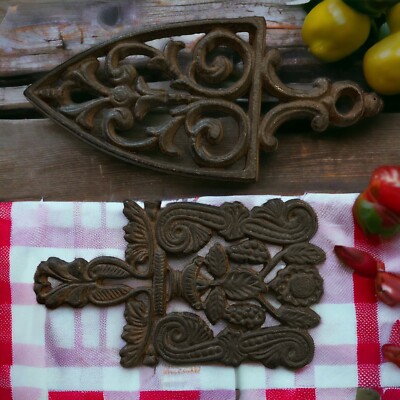
If you collect trivets long enough, you’ll notice something funny: they’re “small” until they aren’t. One turns into a stack. A stack turns into a drawer. A drawer turns into a whole shelf—cast iron next to tile next to brass next to something whimsically shaped like a pineapple that you swear you didn’t need, but somehow couldn’t leave behind.
Trivets are one of the most satisfying kitchen collectibles because they sit right at the crossroads of useful and decorative. They were made to protect tables, sideboards, counters, and linens from heat—yet many were designed with real style: openwork patterns, floral motifs, patriotic themes, animals, advertising, even clever mechanical stands that fold flat.
This post is about building a coherent trivet collection “from stove to table”—not just buying random pieces, but collecting with intention. We’ll cover how to choose a focus, how to pair trivets with related kitchen items, how to store and care for mixed materials, and how to collect on a budget. We’ll finish with a gentle collector’s checklist you can keep in your pocket for your next thrift run.
Continue reading “Collecting Trivets from Stove to Table”
Decorative and Souvenir Trivets
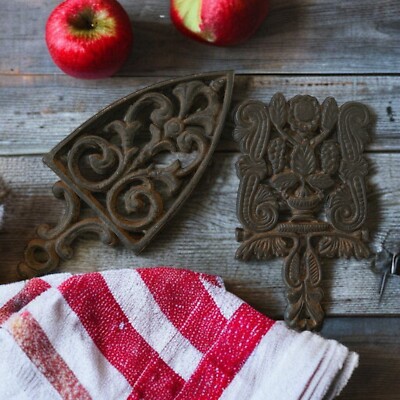
Trivets are the kind of collectible that sneaks up on you. You start with one—maybe a sweet little tile trivet from a favorite trip, or a heavy cast-iron piece that looks like it belonged in your grandmother’s kitchen—and suddenly you’re noticing them everywhere. In antique malls. In estate lots. Hanging on walls as “kitchen art.” Tucked into souvenir boxes like a forgotten postcard.
And that’s the charm: decorative and souvenir trivets sit right at the intersection of usefulness and memory. They’re small enough to display, sturdy enough to survive decades of kitchens, and personal enough to feel like a tiny time capsule.
Let’s talk about what makes these trivets special, how to spot the good ones, and why they’re one of the most satisfying (and display-friendly) categories to collect.
Continue reading “Decorative and Souvenir Trivets”Trivets as Functional Art
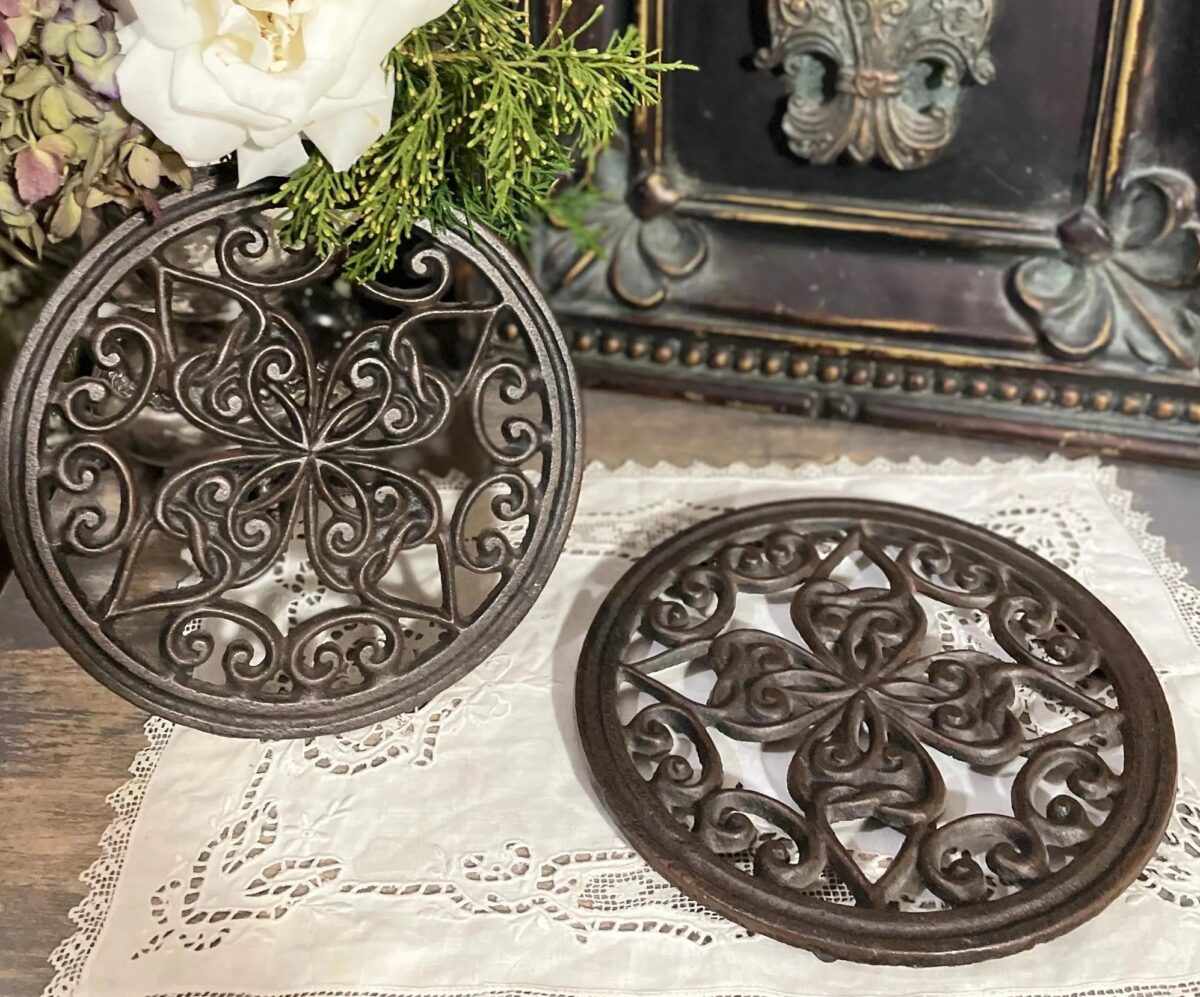
There’s a special kind of collectible that earns its keep. It doesn’t just sit on a shelf looking pretty—it shows up when you’re serving a hot casserole, plating a Dutch oven, or setting a teapot on the table. Trivets live right at that sweet spot where “useful” and “beautiful” overlap, and that’s exactly why so many collectors get hooked.
At first glance, a trivet can seem like a humble household helper—just something that keeps heat off the table. But once you start paying attention, you’ll notice how much design history is hiding in plain sight: scrolling ironwork, geometric Arts & Crafts patterns, playful mid-century motifs, clever advertising, and tilework that looks like it belongs on a gallery wall.
Let’s take a collector’s walk through trivets as functional art—where they came from, why they’re so collectible, and what to look for when you’re hunting.
Continue reading “Trivets as Functional Art”Why We Look Up to Signs
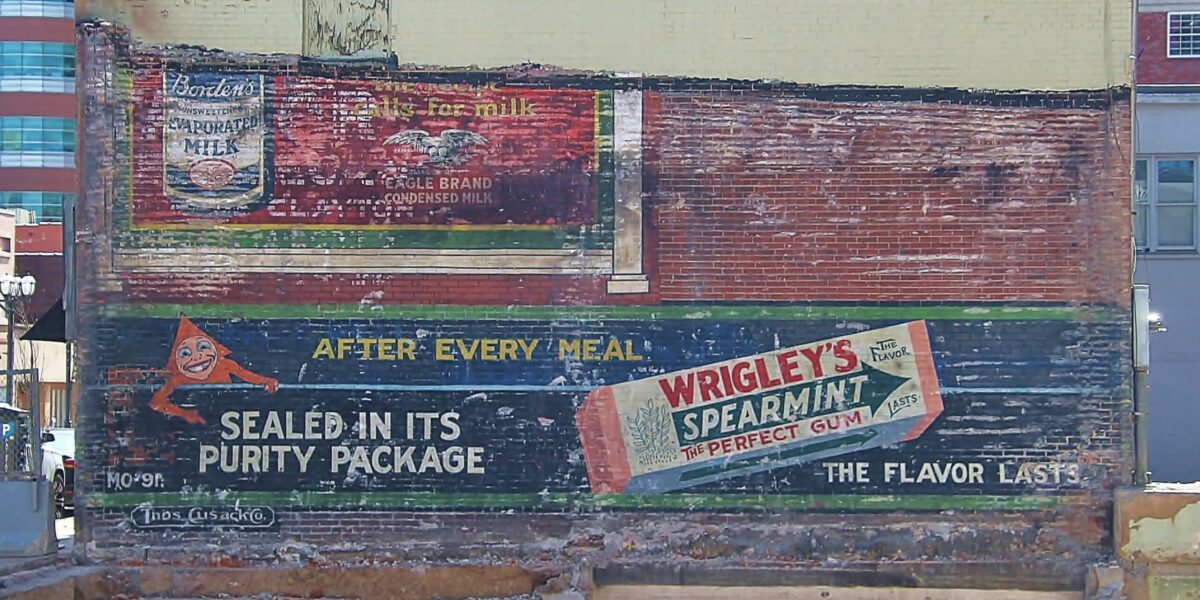
There’s a funny little moment most of us don’t notice until it’s pointed out: when we’re in a new town, we instinctively tilt our heads up.
We look up for the diner name painted on brick. For the old motel blade sign that still hangs on, stubborn as ever. For the glow that says “OPEN” even when the street is quiet. We look up because signs are how places introduce themselves. They’re how businesses speak across decades. And—whether we mean to or not—they’re how we decide what feels familiar, what feels trustworthy, and what feels like it’s worth stopping for.
This post is a wrap-up of our Signs series, but it’s also a love letter to the whole reason collectors chase these pieces in the first place. Not just because signs are cool (they are), or because they photograph well (they do), but because signs sit right at the intersection of art, commerce, technology, and everyday memory. They’re practical objects that somehow became emotional ones.
Continue reading “Why We Look Up to Signs”Political & Social Signs

Walk into any antique mall and you’ll see it: a gorgeous enamel street sign, a bold union poster, or a weathered campaign piece that instantly pulls you into a different moment in time. Political and social signs don’t just advertise a candidate or a cause—they capture what a community cared about right then, in the language, design, and urgency of the day.
For collectors, that’s the thrill. These items are time capsules: handmade protest placards, mass-printed broadsides, crisp lithographed posters, and yes—those ubiquitous yard signs that defined late-20th-century campaigning. Whether you collect for design, history, or the stories behind the slogans, political and social signage is one of the most direct ways to “hold” the past.
Let’s talk about what falls into this category, how these signs evolved, what collectors look for, and how to buy and care for them wisely.
Continue reading “Political & Social Signs”Rustic & Folk Signs – Hand-Painted Americana
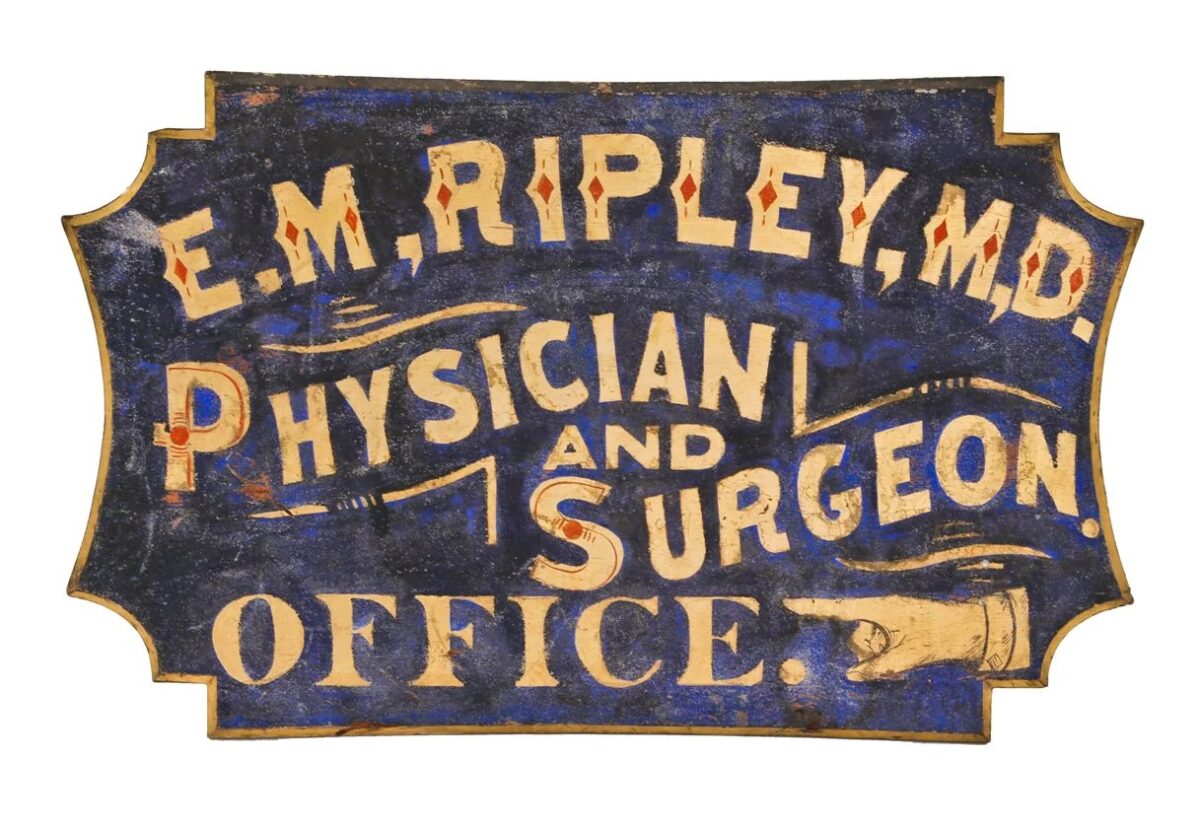
There’s a certain kind of sign that doesn’t just advertise—it introduces you. It tells you where you are, what matters here, and who made a life behind that door, counter, or barn. Rustic and folk signs do this better than almost anything else in the antiques world, because they were often made quickly, locally, and by hand.
Continue reading “Rustic & Folk Signs – Hand-Painted Americana”Neon and Lighted Signs – Art Deco to Vegas Glitz
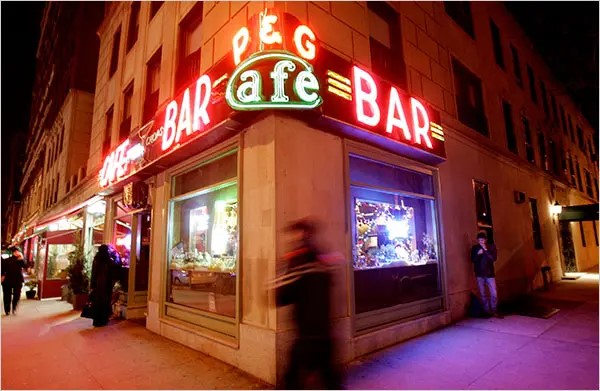
Few objects can shift a room’s mood as fast as a lighted sign. Turn one on and you don’t just see a brand—you feel an era.
Neon and other lighted signs occupy a unique space in the collectibles world. They are design objects, engineering artifacts, and cultural shorthand all at once. They also carry a sense of nighttime drama that flat signage can’t quite match.
Continue reading “Neon and Lighted Signs – Art Deco to Vegas Glitz”Porcelain & Tin Advertising Signs – Icons of the Roadside
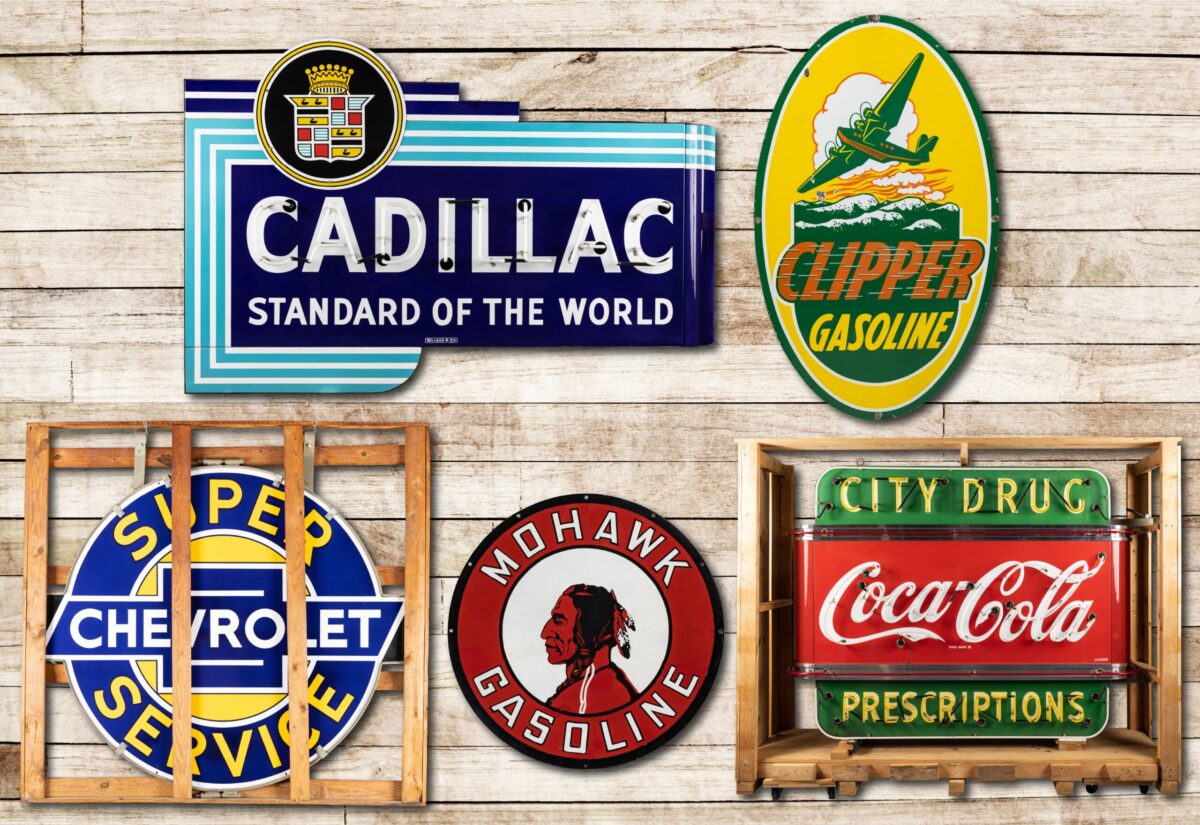
Few collectibles capture everyday American history as clearly as advertising signs—especially the kind that once lived outdoors, braving weather and time while pitching everything from motor oil to soda to farm equipment. Porcelain and tin signs sit at the heart of that story.
These pieces weren’t made to be precious. They were made to be seen—hung on storefronts, barns, service stations, and roadside posts. Their job was to stop you in your tracks and plant a brand in your memory. Decades later, that same visual power is exactly why collectors still chase them.
Continue reading “Porcelain & Tin Advertising Signs – Icons of the Roadside”The Soundtrack of Our Lives
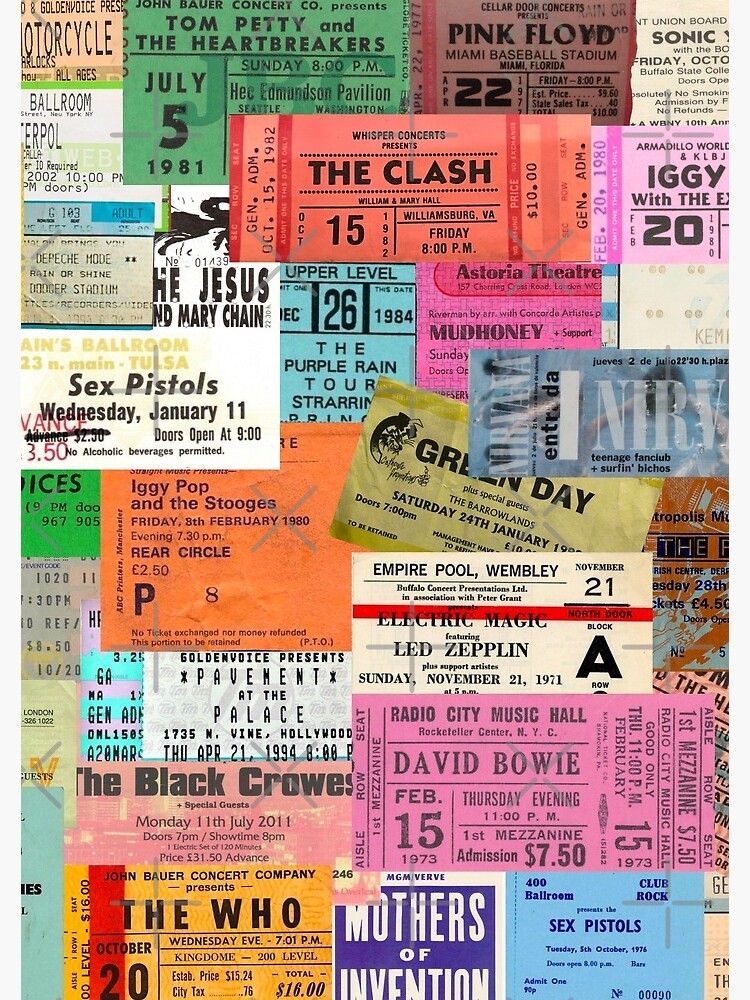
Rock and Roll Memorabilia That Turns Music Into Memory
Rock and roll is easy to love as sound. You hear a riff, a chorus, a drum fill that hits your chest like a second heartbeat. But what keeps that love alive over the years is often something you can hold.
- A record sleeve with worn corners.
- A ticket stub that still smells faintly like a summer night.
- A faded tour shirt that fit better in the era when you stayed out too late on purpose.
That’s the quiet power of rock and roll memorabilia. It doesn’t replace the music. It gives the music a home in real life.
Because for many of us, the soundtrack of our lives isn’t just what we listened to. It’s where we were when we listened, who we were with, and what we were becoming. Memorabilia is how those moments learn to stay.
Continue reading “The Soundtrack of Our Lives”