When we think of theater, it’s easy to picture the dazzling lights, the soaring music, and the moment an actor steps into a role so convincingly that the line between reality and fiction disappears. But behind every memorable performance are the costumes and props — the fabric, feathers, swords, letters, and shoes that bring the story to life. For collectors, these aren’t just set dressing. They’re tangible fragments of the theater’s magic, sometimes carrying their own legends.
The Power of a Costume
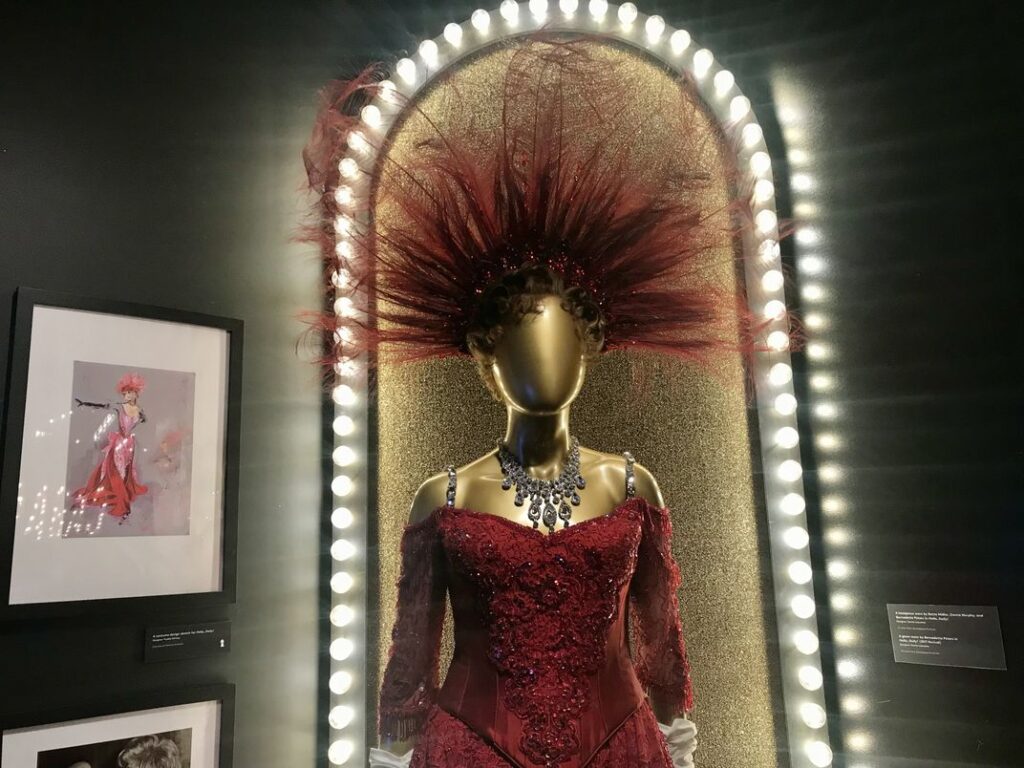
A costume does more than clothe an actor. It helps transform them. When Carol Channing donned her sparkling red gown for Hello, Dolly!, spectators didn’t merely see Channing — they saw Dolly Levi: confident, charming, alive. That costume has become legendary, instantly recognizable even to those who never saw the show.
Collectors are drawn to costumes for exactly that reason: they embody the persona. A signature autograph might mark a souvenir, but a costume can approximate presence. Sweat stains, tear lines, hurried alterations, loose stitching — these traces tell the story of the performance itself.
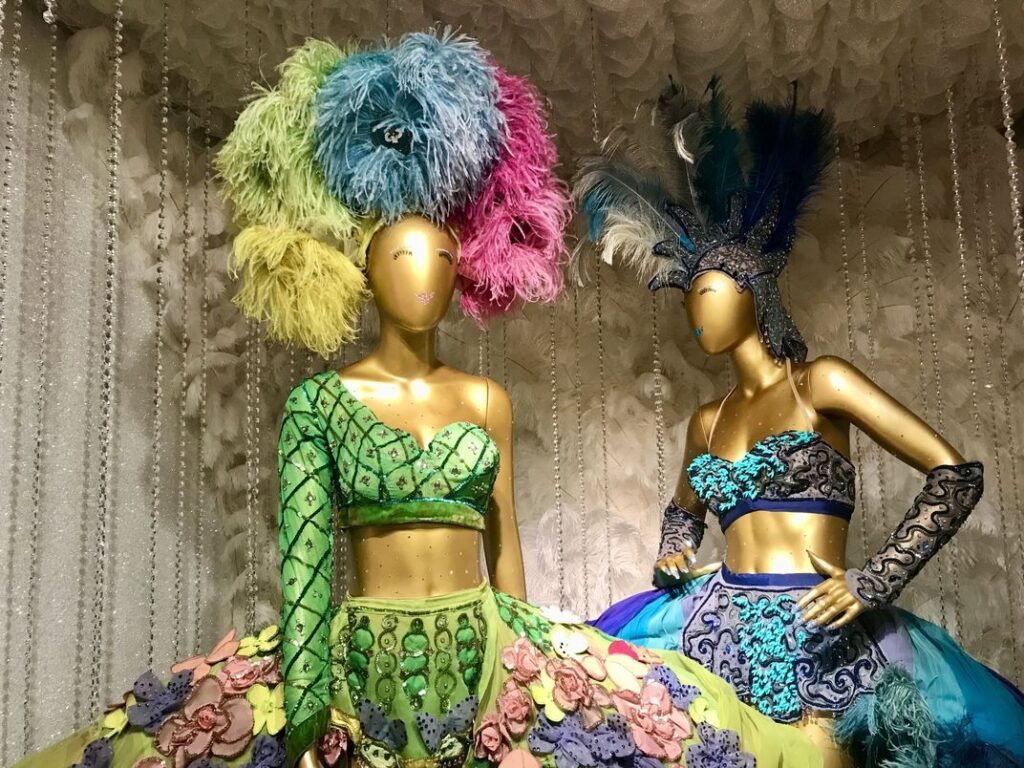
In some cases, entire costume collections are preserved in museums. The Museum of the City of New York, for instance, holds theatrical costume items and related archival material. You can still see elaborate showgirl costumes from Ziegfeld Follies—feathers, sequins, headpieces—that have survived for over a century.
These costumes invite us to imagine the rustle of gates, the snap of lighting cues, the hush just before the first line.
Props That Tell Their Own Stories
Props carry weight — sometimes literally and always metaphorically. A dagger, a locket, a chair, or a letter may be minor in scale, but on stage they carry the dramatic tension, the narrative, the emotion.
Consider iconic props like the candelabra from Phantom of the Opera, or the teacup that Miss Scarlatti gazes at in My Fair Lady. These items may be reconstructed many times, but originals from early productions become collector’s prizes.
Props also highlight how theater’s material history is fragile. Unlike film or television, where props might be archived, theater props are built to be used: moved, dropped, reset, repainted. After a long run, many are discarded or stored in backrooms. That loss makes surviving props all the more precious to collectors.
A Different Icon — Replacing the Ruby Slippers
Some stage props transcend their functional role and become symbols in their own right. Elphaba’s broom — the instrument by which she defies gravity in Wicked — is one of those rare items. In many performances, her broom isn’t just a prop; it becomes an extension of her character’s power, resistance, and transformation.
In 2012, Wicked production elements — including Elphaba’s costume, hat, and broom — were officially donated to the Smithsonian as part of its entertainment collection. Designer Susan Hilferty signed the deed of gift during a ceremony at the museum, and cast members participated in a performance to commemorate the event.
While original stage-used brooms are rarely put up for public sale, replicas and authorized props do appear in auctions and fundraising events. For instance, an Elphaba broom replica was listed in a charity auction with a high bid of approximately USD 20,015. Though that item is a replica rather than the original, it demonstrates the demand and symbolic value collectors place on the broom as an icon of Wicked fandom.
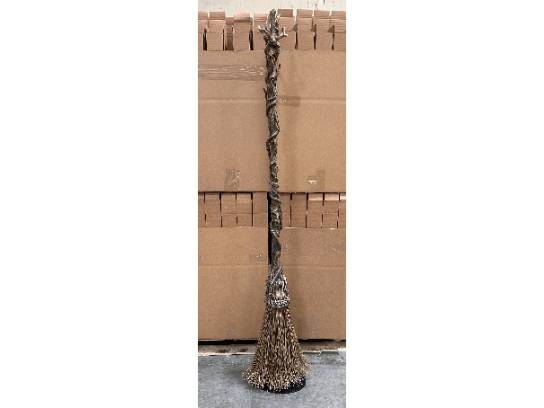
Because Elphaba’s broom is so integral to the story — the means by which she “defies gravity” — it holds an almost mythic resonance. The broom is not ornate, but in the hands of Elphaba, it becomes extraordinary. As a collectible, it carries both narrative weight and theatrical memory: the moments in performance where the audience gasped at its flight, where the stage went dark and then light again.
Personal Connection from Behind the Curtains
When I worked stage crew in high school for Brigadoon and Hello, Dolly!, I never touched costumes, but I saw them lined up in the halls, ready to be worn. Just before curtain, those garments hung there like silent promises that the rehearsal would become performance. I knew when dress rehearsals were underway — when costume racks were wheeled in, lighting cues tested, actors in half costume were hustling backstage — that showtime was very near. That anticipation fills me even now when I see costumes in display windows or behind glass.
That blend of technical tension and artistic aspiration is what draws me to theatrical memorabilia. When my husband is in a production, dress rehearsal carries that same energy — you feel the magic coming, the threads between backstage and audience blurring. Holding a costume or prop tied to a show evokes that very moment.
The Collectible Market
In recent years, the market for theatrical costumes and props has expanded significantly. Broadway archives and private collections push items into the spotlight. Costumes from shows like Wicked, Hamilton, and The Lion King have shown up in auctions or exhibitions. Iconic hats, jackets, puppets — pieces closely linked to major performances — can command high prices.
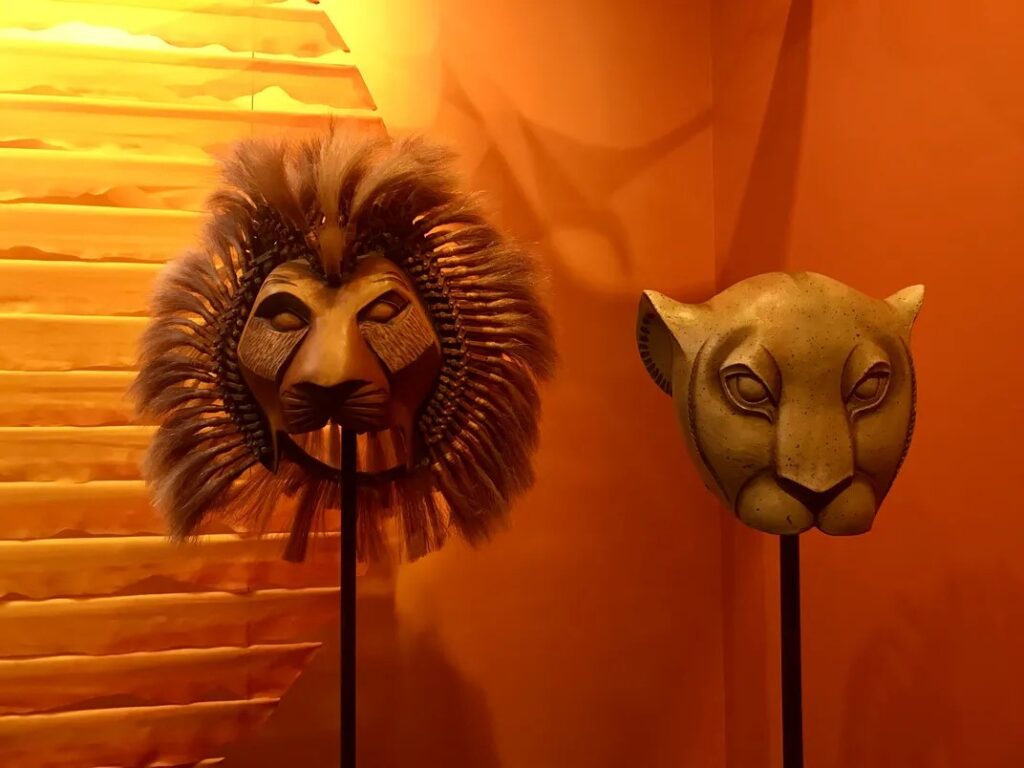
Though film props often steep collector attention (e.g. gowns, swords, props from major movies), theater items occupy a special niche. They carry the intimacy of live performance: the same costume was worn nightly in front of people who felt it hold the character, then packed up into greenrooms, stored in trunks, and flown to new cities.
Often the most beloved collectibles aren’t the grandest. A tattered parasol from a local community production, or a worn script with margin notes, may hold more emotional weight to someone who considers it a piece of their own story.
Why We Keep Collecting
Costumes and props aren’t mere souvenirs. They’re vessels of memory. They tell not only what we watched, but how we felt. Each button, seam, stain, and scratch whispers the labor, the passion, the revised lines, the overlooked cue.
Theater is ephemeral. Once the curtain falls, the performance lives only in memory. Costumes and props are tangible reminders that magic happened. They let us revisit those moments.
As this series on theatrical memorabilia unfolds, it becomes clear: what we collect isn’t just wood, fabric, or metal. It’s the experience, the stories, and the magic.
So next time you see a sequined gown in a case or a worn prop in a display, pause. Imagine the final rehearsal, the quiet backstage, the first note in the overture. Think about the person who wore it, the audience that watched, and the afterglow in the lobby.
Because when we collect, remember, and preserve… we don’t just keep objects.
We keep the curtain from falling, the story alive, and we keep making history.