For many theater lovers, the first tangible connection to a performance isn’t the stage lights or the overture — it’s the folded booklet handed to you as you step into the theater. Whether it’s a simple program with cast listings or a glossy souvenir book filled with photos, these paper treasures have become among the most beloved theatrical memorabilia.
While costumes and props capture the physical essence of a show, programs and Playbills preserve something equally important: memory. They tell us who was on stage, when the performance happened, and often, a little of the culture surrounding the moment.
From Simple Listings to Collectors’ Items
Theater programs have roots stretching back centuries. In Elizabethan and later eras, early handbills and playbills — single sheets announcing plays with cast lists — were common. They were printed to inform, not to preserve, and very few survive today.
In America, the evolution of these printed materials is tied closely to Playbill. In 1884, Frank Vance Strauss founded what became the New York Theatre Program Corporation. They printed programs that included cast information and advertisements. Over time, these evolved from simple leaflets into the full-booklet programs, with artwork and ads, that people saved.
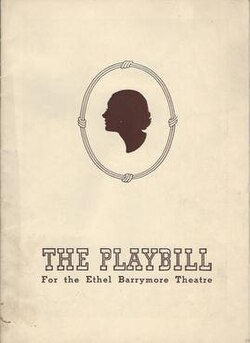
By the early 20th century, consumers expected more: color artwork, themed covers, essays, photos. The design of Playbill covers evolved, officially adopting the title The Playbill around 1934. Thereafter it gradually developed the distinctive banner and layout that many recognize today.
Programs as Historical Records
Programs are invaluable to theater historians. Behind each name listed is a performance that took place, often documented nowhere else. For instance, original Playbills print cast listings, performance dates, sometimes images or articles, preserving who stood in which role. They can also reflect unexpected changes: understudy performances, cancelled shows, and cast replacements.
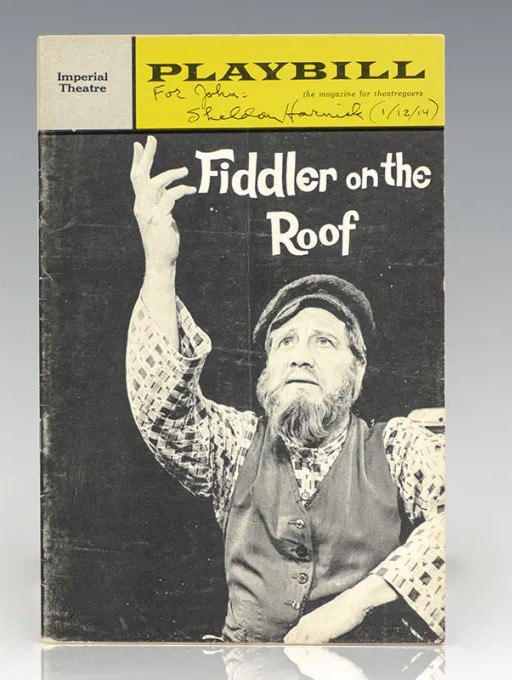
Collectors often prize programs for shows that are culturally significant. A Fiddler on the Roof Playbill signed by Sheldon Harnick being sold boasts the asking price of $600. Such items gain value many ways: condition, association with famous people, or being part of landmark runs.
Souvenir Books: Theater’s Coffee Table Art
Beyond programs and Playbills, many large productions have published souvenir books: glossy, photo-filled editions containing rehearsal photos, costume sketches, essays about the show, and often large movie-style images of stars and sets. These were sold in theater lobbies or through merchandising. Because they were optional purchases, not free programs, they tend to be more thoughtfully designed, and sometimes preserved better.
Vintage souvenir books can command higher prices and collector’s interest show that these books often fetch meaningful prices in collector circles.
Personal Connections: A Collector’s First Treasure
Working backstage in high school, I saw the programs we handed out — simple, with cast lists and a few local ads. Even though they weren’t glossy or famous, I saved mine until I finally lost it over many moves, but I still remember opening night jitters, the smell of paint and sawdust, and the way the house lights dim just before the overture.
I have the Playbills from my husband’s productions at home, whether from Broadway or community theater. They bring back that feeling of anticipation, of belonging to something live and fleeting.
Why We Keep Them
Theater happens in the moment. A performance disappears when the curtain falls. But a program, a Playbill, a souvenir book: these are proof that it happened. They hold names, dates, images, and stories. Less tangible aspects — the excitement, the shared laughter, the quiet hush just before “Act I” — find a companion in these paper artifacts.
Collectors save them not only for their own past but so future audiences, historians, and descendants can feel something of what went before. Programs are diaries of performance, snapshots of cultural time, marking moments when stage and spectators met.
When you leave a theater and tuck a Playbill into your bag, that little booklet may be more than guide — it can be a bridge back to something unforgettable. Making and marking History!