
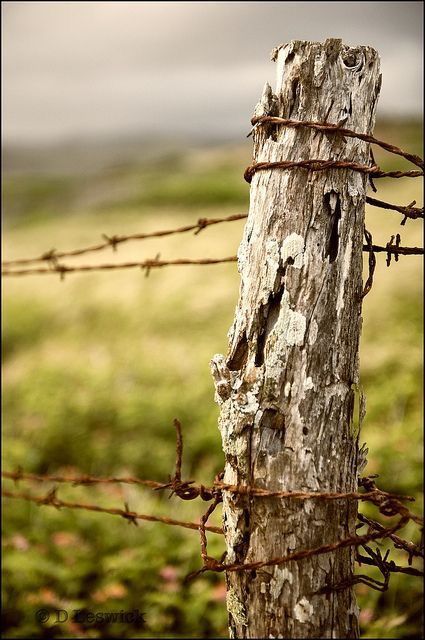
Barbed wire is an odd thing to collect if you say it out loud. It’s sharp. It’s rusty. It’s humble. It’s not the kind of object that was made to be admired.
And yet—once you learn what you’re looking at—it becomes hard to see it as “just wire” again.
A short strand can carry the story of invention and competition, of ranching and farming, of property lines drawn across open land, of conflicts over access and boundaries, and of the way simple technology can change daily life at scale. Barbed wire is one of those artifacts that proves history isn’t always ornate. Sometimes history is practical. Sometimes it’s cheap. Sometimes it spreads because it works.
This wrap-up post ties the series together: what barbed wire changed, why its patterns matter, how to collect it responsibly, and how to preserve both the object and the story that comes with it.
Why Barbed Wire Still Feels So Powerful
Barbed wire does something deceptively simple: it turns space into a decision.
Where before there may have been open movement—of livestock, people, and wildlife—barbed wire introduces a sharp, repeating “no.” It doesn’t have to be an impenetrable wall. It only has to discourage, delay, and redirect. That’s why it became so influential so quickly.
It also explains why it carries emotional weight. Barbed wire isn’t neutral in the way a spoon or a teacup can be. It’s a boundary object. It represents control, ownership, exclusion, and protection—depending on who you are and which side of the fence you’re standing on.
For collectors, that tension is part of the appeal. The object is small, but the story is not.
One Invention, Many Solutions: The “Pattern” Is the History
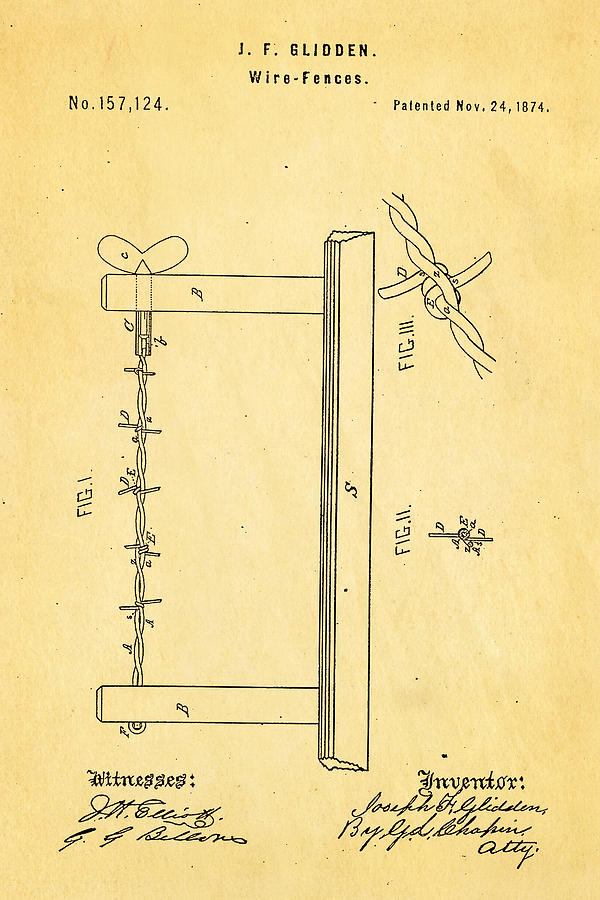
If you take away one big idea from this series, it’s this: barbed wire wasn’t a single invention repeated forever. It was a burst of competing solutions.
The market problem was clear in the late 1800s: the West needed fencing that could be installed quickly, affordably, and across vast distances. But the engineering problem was surprisingly tricky. Sharp points are easy to imagine. Keeping those points in place, producing them consistently, and making a wire that held up in real conditions—that’s where inventors and manufacturers spent their energy.
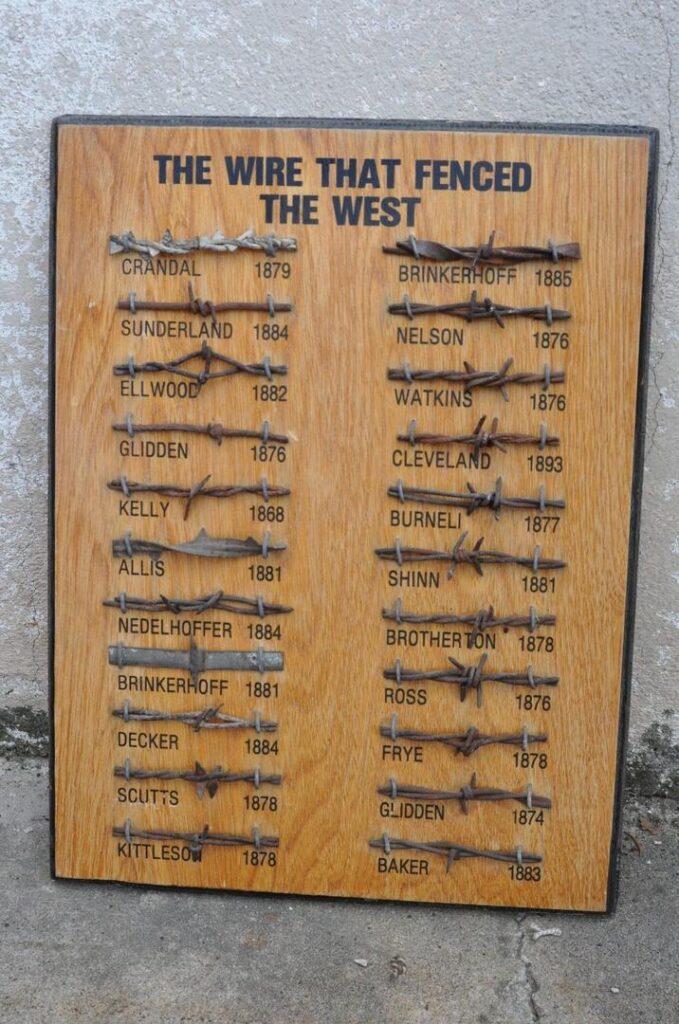
That’s why collectors don’t just see barbs. They see choices:
- How the strands are twisted
- How the barb is shaped
- How the barb grips the wire
- How spacing is maintained
- How manufacturing consistency shows up (or doesn’t)
Patterns are not decoration. They’re fingerprints of the invention race.
Fencing the West: A Small Object That Reshaped a Huge Landscape
Barbed wire didn’t “create” the West’s transformation on its own, but it accelerated and clarified what was already happening: the move toward enclosed land, fixed property lines, and intensified agricultural use.
In practical terms, barbed wire made it feasible to fence where timber was scarce or expensive. It helped farmers protect crops. It helped ranchers manage herds in new ways. It also made fences common enough that boundaries became literal lines across the plains.
That shift changed everything from grazing practices to neighbor relationships. It fueled disputes and “fence cutting” conflicts in some regions. It contributed to the long, messy transition from open-range norms toward more rigid, enforced property control.
If you’re collecting barbed wire as frontier Americana, you’re collecting a piece of that turning point—an invention that scaled fast and left physical traces across the land.
From Prairie to Battlefield: Why Militaries Adopted Wire So Readily
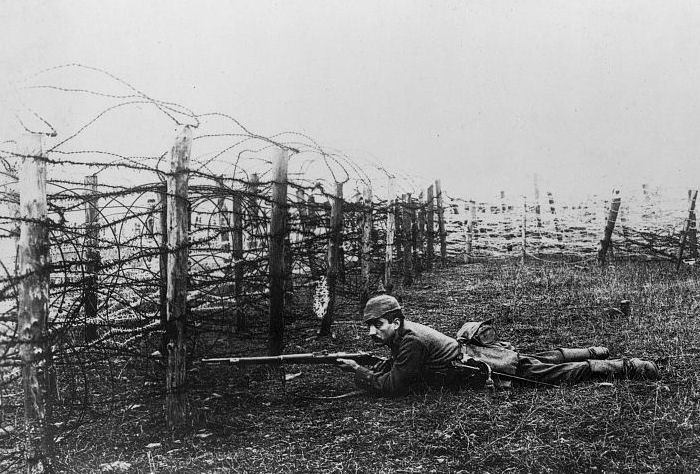
Barbed wire also has a military history because it fits military needs perfectly. It’s relatively cheap. It’s transportable. It can be deployed quickly. And it changes movement.
In military use, wire is often part of a layered plan:
- slow attackers
- break up formations
- force a predictable route
- buy defenders time
That’s why wire shows up so strongly in the visual memory of World War I trench warfare, and why variations of wire obstacles continue to appear in security and defensive contexts today.
For collectors, the key is context. “Military history” claims can be compelling, but they’re also easy to exaggerate. When you can document a source, do it. When you can’t, it’s better to say “believed to be” or “acquired as” rather than turning a story into a certainty.
What Makes Barbed Wire Collecting So Addictive
Barbed wire collecting tends to hook people in one of three ways—and many collectors end up enjoying all three.
1) The design chase
Once you can spot differences, it’s hard not to want “just one more” pattern. The variation is the fun: two-point, four-point, sheet-metal styles, unusual twists, odd spacing, barbs that look almost sculptural.
2) The history chase
A wire sample with provenance—from a specific property, region, or removal project—can be more meaningful than a rarer pattern with no story. Barbed wire is deeply place-linked. Even common patterns become interesting when you know where they lived.
3) The display chase
Barbed wire displays beautifully when handled responsibly. Pattern boards, shadow boxes, deep frames—this category rewards a museum-style approach. When a display is done well, it turns “wire” into “artifact” instantly.
A Responsible Collector’s Mindset
Because barbed wire is hazardous and tied to complicated histories, it benefits from a slightly different collecting mindset than many other antiques.
Prioritize safety
If you collect barbed wire, you’re also collecting a responsibility to store and display it safely. Gloves are not optional when handling. Containment is not optional when displaying in shared spaces. The goal is to protect the artifact and the people around it.
Preserve the story, not just the metal
A strand without context quickly becomes “mystery wire.” Documentation doesn’t need to be fancy. Even a label card helps:
- where it came from (as specifically as you can)
- how and when you acquired it
- any claimed context (clearly labeled as claimed if not verified)
- visible features (twist type, barb style, spacing)
Barbed wire collecting is one of those hobbies where a simple note can add more long-term value than a shiny cleanup ever could.
Avoid sensational claims
The more dramatic the story, the more careful you should be. Barbed wire was used widely across farms, rail corridors, industrial sites, and security perimeters. Without documentation, it’s hard to prove battlefield-specific or event-specific origin. A cautious label is better than an untrue one.
Building a Collection That Feels Cohesive
If your collection is growing and starting to feel scattered, try organizing around a theme. Here are a few approaches that work especially well for barbed wire.
The “timeline” display
Arrange samples to tell a story from early fence wire through later standardized forms. Add brief labels about what each represents (not necessarily exact dates—just the collecting idea).
The “pattern board” approach
Mount multiple samples side-by-side so differences become obvious. This is great for teaching your own eye and for explaining the collection to visitors.
The “place-based” collection
Collect wire connected to a region you care about—your county, your state, family land, a ranching corridor, or a local preservation story. This turns the collection into a geographic narrative.
The “paired artifacts” approach
Pair wire with related objects:
- fence staples and tools
- insulators or post hardware (where appropriate)
- maps or photographs (even reproductions clearly labeled as such)
- agricultural or fencing ephemera
When done well, this creates a display that feels like a small exhibit rather than a pile of dangerous metal.
Preservation Recap: What Actually Helps Barbed Wire Last
Barbed wire doesn’t need complicated conservation to benefit from good habits. The biggest enemies are moisture and careless handling.
- Store and display in a dry environment
- Keep it off damp floors and away from humidity swings
- Clean gently (dry brushing first; minimal moisture only when needed)
- Avoid aggressive abrasives that remove surface history
- Contain it so barbs can’t snag skin, clothing, or curious hands
- Secure it in mounts that don’t create stress points that can snap old wire
If you treat barbed wire like an artifact instead of scrap, it tends to age more gracefully—and it stays safer.
Why This Category Matters Beyond Collecting
Barbed wire is worth collecting because it’s a clear example of how ordinary technology shapes the world. It influenced land use, agriculture, ranching, settlement patterns, conflict over space, and military defenses. It’s a reminder that progress isn’t always pretty—and that practicality can change history faster than elegance ever could.
In a way, barbed wire is the perfect collectible for people who love the “hidden” side of antiques: not the fine silver on the table, but the infrastructure that made modern life possible.
If you’ve followed this series from invention to patterns to military use to preservation, you’ve already seen the truth at its center: barbed wire is tangled in history because history is tangled in barbed wire.
Let’s Make History—one twist at a time.