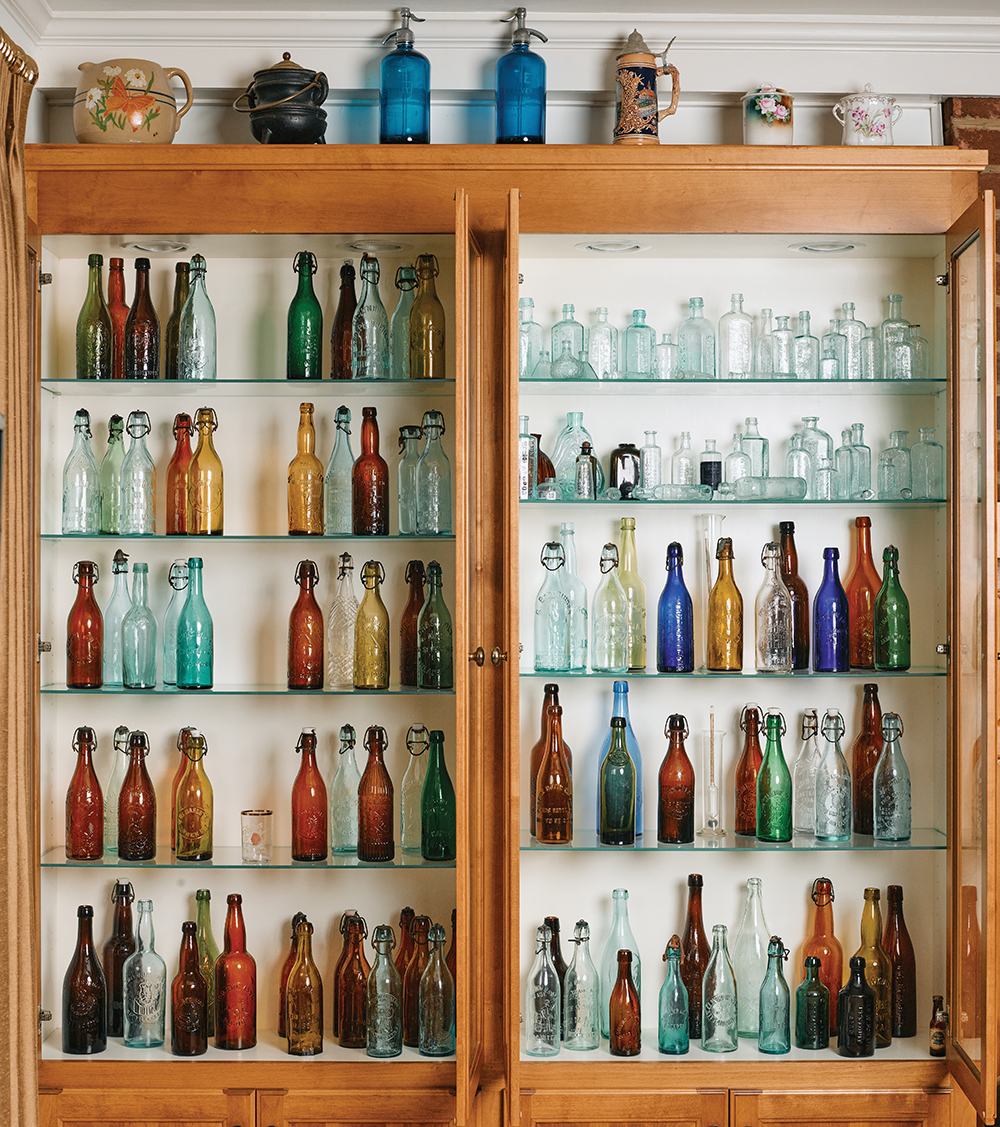
Bottle collecting has a funny way of sneaking up on you. It starts with one “nice old bottle” on a shelf—maybe an amber medicine, a thick soda, a cobalt household bottle—and suddenly you’re noticing seams, finishes, embossing styles, and base wear everywhere you go. The hobby is part history, part design appreciation, and part treasure hunt.
What’s changed in recent years isn’t the appeal. It’s the way collectors find, evaluate, and build collections. Online marketplaces made the hobby more accessible. Collector communities made identification faster. And modern decorating trends gave old glass a whole new stage—cabinets, bar carts, open shelving, and curated displays that treat bottles like sculptural objects.
This post is a collector-friendly snapshot of the modern bottle scene: what people are chasing, how buying habits have shifted, what matters most for value and satisfaction, and a few practical ways to collect smarter without getting swept up in hype.
The Biggest Shift: A Global Bottle Market on Your Phone
Bottle collecting used to be intensely local. You found bottles at antique stores, estate sales, flea markets, and regional shows. Today, you can see dozens of examples of the same bottle shape in minutes—and that has changed the hobby in predictable ways:
- Common bottles are easier to find (and buyers can compare quickly).
- Condition standards have tightened (because there’s more choice).
- “Local” bottles became a specialty lane (because the online market makes the local story stand out).
The upside: it’s easier than ever to learn and to find a piece you genuinely love. The downside: vague listings and fuzzy photos get less patience from modern buyers, because better options are usually a scroll away.
Trend 1: “Display First” Collecting Is Bigger Than Ever
A lot of modern collectors are building smaller, more intentional collections—one cabinet, one shelf wall, one bar display. That has increased demand for bottles that look strong as objects, even before you read the embossing.
Display-forward bottles typically have:
- bold silhouettes (tall, squat, strongly shouldered)
- dramatic colors (cobalt, deep emerald, rich amber, strong aqua)
- crisp embossing or distinctive texture
- visually interesting closures or finishes (when present)
Collector takeaway: modern collecting often rewards bottles that behave like sculpture.
Trend 2: Color Collecting Has Become a Whole Hobby Within the Hobby
Color has always mattered, but modern décor culture and social media have amplified it. Collectors increasingly build “color shelves” where the story is told through glass tones:
- cobalt shelf (high impact, visually striking)
- amber shelf (warm, apothecary vibe)
- aqua and blue-green shelf (classic old-glass look)
- forest green shelf (moody, bar-cart energy)
- clear-with-embossing shelf (pattern and text become the star)
A helpful reminder: color can be influenced by lighting. What looks deep green in a photo may look olive in daylight. If you’re buying online, ask for a natural-light photo whenever possible.
Trend 3: Local History Bottles Are Having a Moment
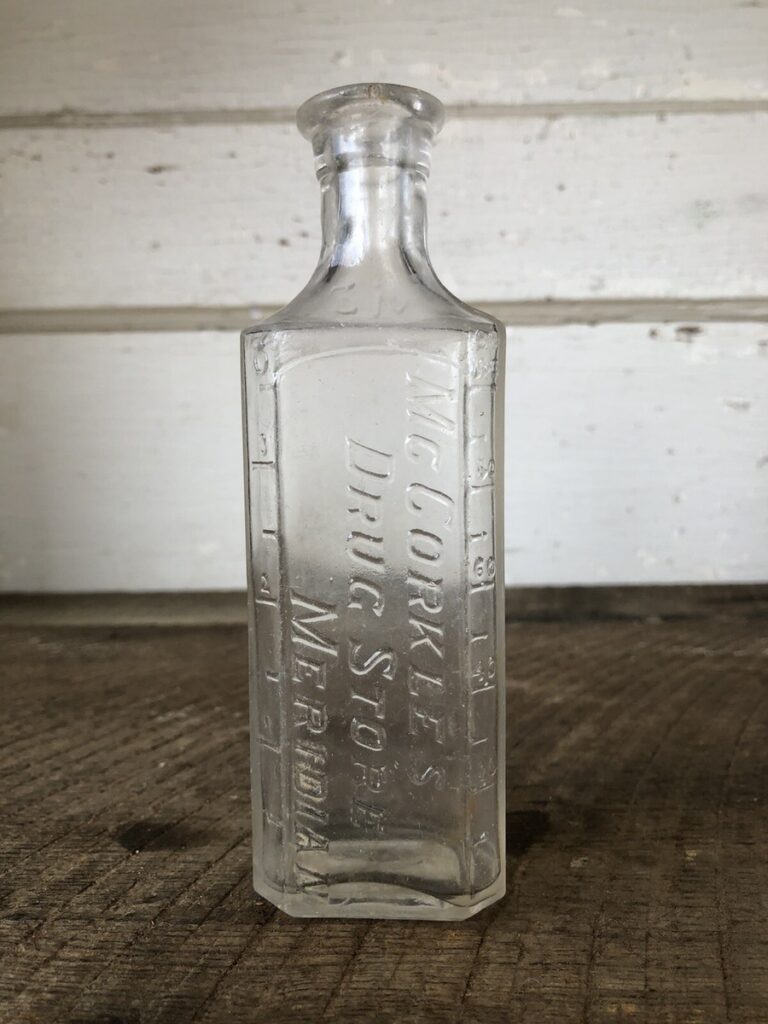
Online shopping made it easier to find common national items—which ironically increased interest in what isn’t easily found everywhere: local bottles.
This includes:
- druggist bottles with city/state embossing
- local dairy bottles
- small-town soda and bottler bottles
- regional household brands and utility bottles
Collectors love local bottles because they’re instantly meaningful. Even if you don’t know the brand, a bottle that names a town makes you want to learn the story behind it. For many collectors, that research is part of the joy.
Trend 4: Condition Matters More (Because Buyers Can Compare)
When there were fewer choices, collectors tolerated more flaws. In the modern market, buyers frequently “upgrade” because they can. That makes condition more important than ever—especially for display pieces.
What buyers look for first
- No cracks (especially stress cracks near the lip/neck)
- Minimal chips on the finish (a tiny flea bite is different than a chunk missing)
- Clean embossing (readable and sharp)
- Stable base (no major bruises; natural shelf wear is normal)
Interior staining: still common, but judged case-by-case
Many old bottles have haze, residue marks, or internal staining. Modern buyers will often accept staining if:
- the bottle is uncommon or highly displayable, and
- the staining doesn’t obscure the overall look.
Collector tip: don’t over-clean. Many “perfectly clean” bottles are actually etched or damaged by harsh cleaning attempts.
Trend 5: “Education-Driven Buying” Has Raised the Baseline
Modern collectors are better informed because learning is easier. A few minutes in a collector group can help someone:
- identify a closure type
- recognize a production clue (seams, finish, base marks)
- learn the difference between decorative reproductions and older production
This has pushed the market toward listings that include:
- rim close-ups
- clear photos of embossing
- underside/base photos
- measurements
- honest condition notes
If you sell bottles, this is the fastest way to earn trust and reduce returns.
Trend 6: Reproductions and “Fantasy” Bottles Are Part of the Modern Landscape
Some bottles are reproduced as décor, and some are made as “fantasy” pieces that borrow antique style without being copies of a specific historic bottle. Many are sold honestly as decorative items—but some are marketed in ways that can confuse new collectors.
A trend-proof buying habit:
- Buy the bottle you can describe confidently: material, seams, finish, wear, and overall manufacturing character.
- Avoid paying “antique money” for a bottle when the listing won’t show the rim, base, and seam details.
If a bottle is expensive or highly sought-after, a reputable seller should be willing to provide clear, detailed photos.
Trend 7: Bottle Digging Remains Popular—But Ethics and Safety Matter More
Bottle digging has always been part of the hobby, and many historic bottles entered collections that way. Modern collectors, however, increasingly talk about:
- landowner permission and legal access
- respect for sites (no trespassing, no damaging historic areas)
- safety (sharp glass, contaminated soil, unknown residues)
- honest description when selling (“dug” bottles often have wear and staining)
If you’re buying dug bottles, treat wear as part of the story and price expectations accordingly. If you’re selling them, being direct builds credibility.
What’s “Hot” Right Now (Without Chasing Hype)
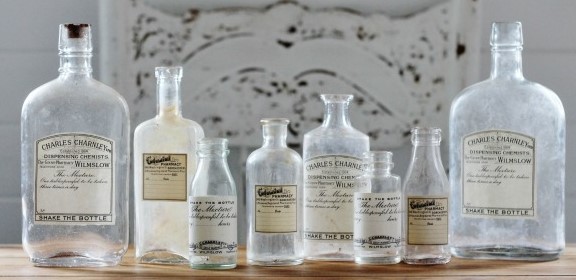
Bottle collecting trends shift, but a few categories consistently perform well because they combine history with strong display appeal:
Apothecary and medicine bottles
Amber glass, label panels, pharmacy embossing, unusual shapes—these remain popular because they fit both historical collecting and modern décor.
Soda and mineral water bottles
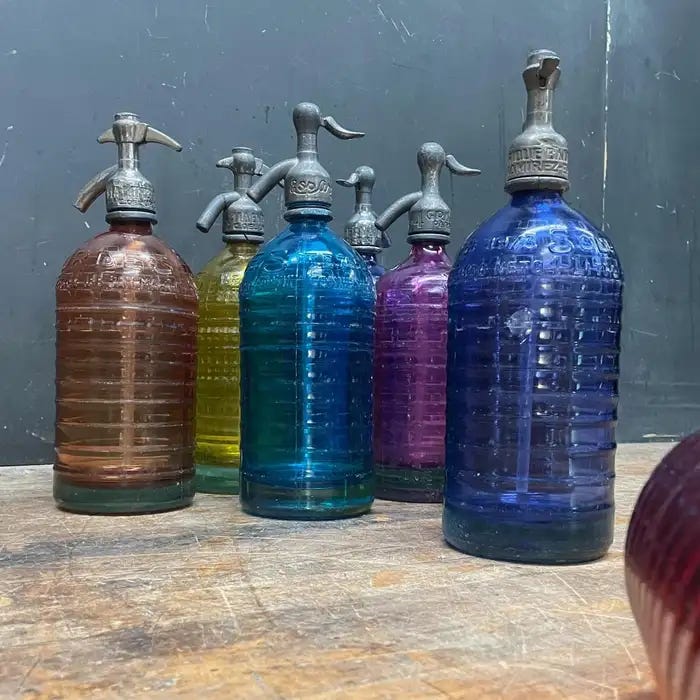
Thick glass, local bottler names, interesting closure history—these stay collectible because they’re mechanically and regionally interesting.
Household and utility bottles
Bluing bottles, ink bottles, extracts, and kitchen bottles are often affordable entry points with great shelf presence.
Patterned and textured bottles
Even without rare claims, bottles with strong texture—ribs, panels, faceting—tend to attract modern buyers because they play beautifully with light.
Practical Advice for Modern Collectors
Build a collection theme early
A theme makes your collection feel intentional:
- one color family
- one bottle type (medicine, soda, household)
- one region (local towns and businesses)
- one era “feel” (hand-finished character vs machine-made uniformity)
Keep a simple documentation habit
A one-minute note is enough:
- where you found it
- any readable embossing
- approximate category
- any story you were told (clearly labeled as “seller history” or “family history”)
This protects the story from disappearing—and it helps if you ever resell.
Don’t let “rare” do your thinking
Modern listings overuse “rare.” A better question is:
- Do I love it enough to keep it even if it isn’t rare?
If yes, it’s a good buy.
Where Bottle Collecting Is Heading
Modern bottle collecting is more visual, more research-driven, and more curated than it used to be. Many collectors are building smaller collections with higher satisfaction: fewer pieces, better display impact, stronger stories, and clearer condition standards. At the same time, the hobby still has room for every style of collector—from the color-shelf decorator to the local-history researcher to the “seams and finishes” manufacturing nerd.
The best trend to follow is the one that lasts: buy what you want to look at, learn to describe it accurately, and let the glass teach you the rest.
Let’s Make History—one shelf of stories at a time.