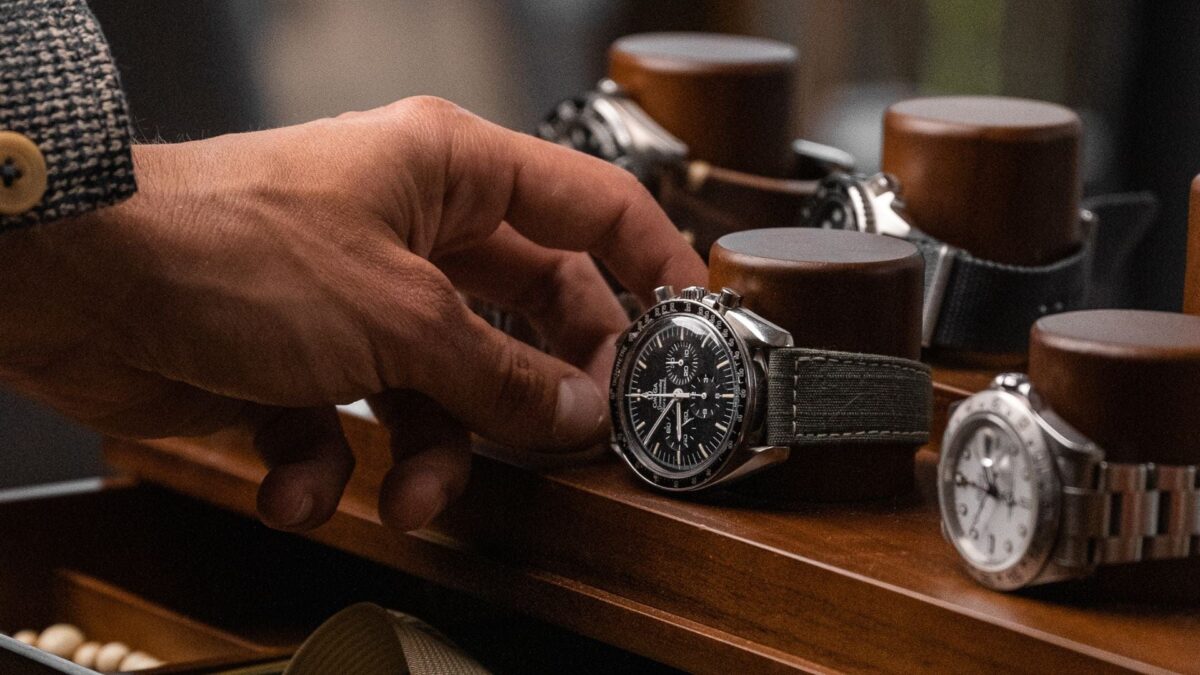
Watch collecting has a funny way of starting. Sometimes it begins with a family piece—something engraved, something kept “in the drawer,” something that makes you wonder who wore it and where it went. Other times it starts with a design you can’t stop thinking about: a clean mid-century dial, a crisp railroad-style minute track, the glow of a vintage digital display, or the satisfying heft of a pocket watch in your hand.
And then it happens: you realize watches aren’t just timekeepers. They’re portable history—a blend of technology, design, social change, and personal memory that you can actually hold.
This wrap-up post is a collector’s guide to the bigger picture: how to collect watches in a way that stays enjoyable, how to buy smarter, how to care for what you own, and how to build a collection that feels cohesive without feeling restricted. Because the best watch collections don’t look like checklists. They look like stories.
What Makes Watches So Collectible?
Most collectible categories fall into a few familiar motivations—beauty, rarity, nostalgia, craftsmanship. Watches manage to hit all of them at once.
They’re tiny machines with big personalities
A good watch is mechanical problem-solving you can see. Even quartz and digital watches—often dismissed as “just electronics”—tell a story about the era that produced them: what people valued, what technology made possible, what style looked like at the time.
They’re design objects you can live with
Watches are miniature graphic design: typography, spacing, dial layout, hands, case proportions, materials, texture. A small change can completely shift the mood of a watch.
They’re deeply personal artifacts
Watches get worn on the body. They pick up scratches and stories. They get gifted, engraved, retired, repaired, and passed down. Even when you buy a watch without provenance, it often carries traces of its life.
They connect to bigger history
Railroads, wars, office culture, sports, luxury branding, digital technology—watches sit at the crossroads of so many modern developments that collecting them can feel like collecting time itself.
Decide What Kind of Collector You Want to Be
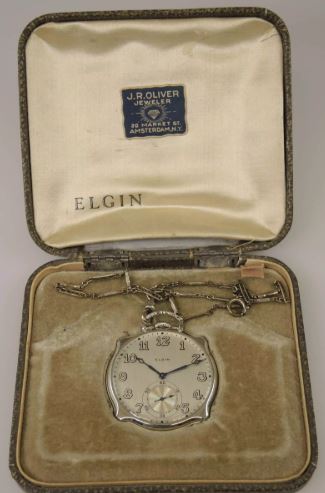
The fastest way to make collecting stressful is to collect “everything” without intention. The fastest way to keep collecting fun is to choose an approach you genuinely enjoy.
Here are a few collector styles that work well:
The Era Collector
You focus on time windows you love:
- early pocket watches
- railroad-era precision
- early everyday wristwatches
- mid-century classics
- the digital boom
- modern classics
The Design Collector
You chase a look rather than a date:
- Art Deco geometry
- minimalist dials
- bold Arabic numerals
- integrated-bracelet aesthetics
- luminous field-watch simplicity
- futuristic digital typography
The Function Collector
You collect by purpose:
- dress watches
- tool watches
- railroad-style timepieces
- military-inspired designs
- everyday “workhorses”
- travel watches
The Story Collector
You collect personal meaning:
- family-linked pieces
- engraved presentation watches
- watches tied to certain jobs, milestones, or places
- watches you remember from childhood
You can mix these approaches, but it helps to know what you’re doing. A clear collecting identity makes buying decisions easier—and keeps you from accumulating “meh” watches that don’t fit your taste.
The Golden Rule: Buy the Best Condition You Can Afford (Within Your Style)
Condition drives both value and satisfaction, but “best condition” doesn’t always mean “shiny.”
The real question is: Do you prefer survivor character or restored crispness?
If you love survivor pieces
You’re probably drawn to:
- honest dial aging
- small scratches that show real use
- softened case edges
- patina that feels earned
In that case, “best condition” means:
- no major damage
- stable surfaces (not actively deteriorating)
- coherent parts that make sense together
- a watch that still presents well
If you prefer clean examples
You’re probably looking for:
- crisp printing
- clean dials
- sharp case geometry
- matching hands and markers
In that case, “best condition” means:
- minimal polishing
- minimal dial alteration
- strong originality with careful service
Both styles are valid. The mistake is thinking you should collect one way when your taste prefers the other.
The Big Three: Dial, Case, Movement
Most smart watch buying comes down to understanding these three parts—and which one matters most for your goals.
1) The dial (usually the most important visually)
The dial is the face, the graphic design, the thing your eye returns to.
Watch for:
- heavy staining or corrosion
- flaking or missing printing
- cracked enamel (on older styles)
- obvious repainting or “too fresh” dial work
- mismatched hands that don’t suit the dial
A perfect movement with a bad dial can still feel disappointing. A lightly worn movement with a beautiful dial can still feel magical.
2) The case (structure + story)
Cases take the wear. Some wear is expected. What matters is whether the case still looks right and protects the movement.
Watch for:
- deep dents that distort shape
- corrosion in seams or around the back
- overly aggressive polishing (soft edges, lost detail)
- poorly fitting backs or bezels
- worn crowns/pushers that don’t operate cleanly
3) The movement (health + service reality)
A watch can run and still need service. Many vintage watches have old oils or hidden wear.
Collector-friendly truth:
- If you plan to wear a vintage watch, assume service may be needed unless documented.
- If you plan to display it, mechanical perfection matters less than integrity and completeness.
Originality vs. “Correctness”: What to Know Without Getting Overwhelmed
Watches get repaired. Parts get swapped. Cases get replaced. Dials get redone. That’s part of their history.
The key is to learn the difference between:
- honest maintenance (period-appropriate repairs, coherent parts)
- incoherent assembly (mismatched dial/movement/case that doesn’t make sense)
- misrepresentation (something being sold as “original” when it clearly isn’t)
A practical rule: coherence is king. Even if every part isn’t original, the watch should still feel like it belongs together.
Quartz and Digital Collecting: Different Rules, Same Joy
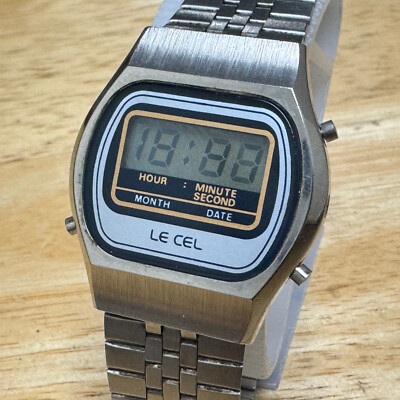
Quartz and digital watches deserve their own collecting mindset.
The basics
Quartz watches can be excellent collectibles—especially for design. But understand:
- a dead quartz watch might be a simple battery issue, or it might be a movement/module problem
- older quartz parts can be harder to source depending on model
- collectors often prioritize condition and design integrity over “serviceable forever”
Digital basics
Digital watches are nostalgia rockets, but they have specific risks:
- missing display segments
- faded displays
- sticky pushers
- battery leakage damage
If you love digital, learn to inspect battery compartments (when possible) and focus on display health as a top priority.
Provenance: When the Story Becomes the Value
A watch with a story can become more collectible than a “better” watch without one.
Provenance can be:
- an engraving with a date and name
- a photo of the original owner wearing it
- a presentation box, papers, receipts, or service notes
- a known connection to a job (railroad, military, factory, office milestone)
Even modest watches can become deeply meaningful when you can place them in a real life.
Caring for a Collection: Simple Habits That Protect Value
Watches are durable, but they’re not indestructible. A few habits keep your collection healthy:
- Store in a dry environment with stable temperatures
- Avoid moisture exposure unless you truly trust water resistance
- Keep magnets away (especially for mechanical watches)
- Don’t force crowns, pushers, or winding resistance
- Avoid aggressive polishing; preserve original edges and finish character
- Use display boxes or stands that don’t stress straps or bracelets
- If wearing vintage regularly, establish a realistic service plan
For pocket watches, add:
- careful hinge handling (hunters)
- safe storage so the crystal and crown aren’t bearing weight
- gentle winding and setting, especially on lever-set pieces
Display Ideas That Make Watches Feel Like a Collection (Not a Drawer)
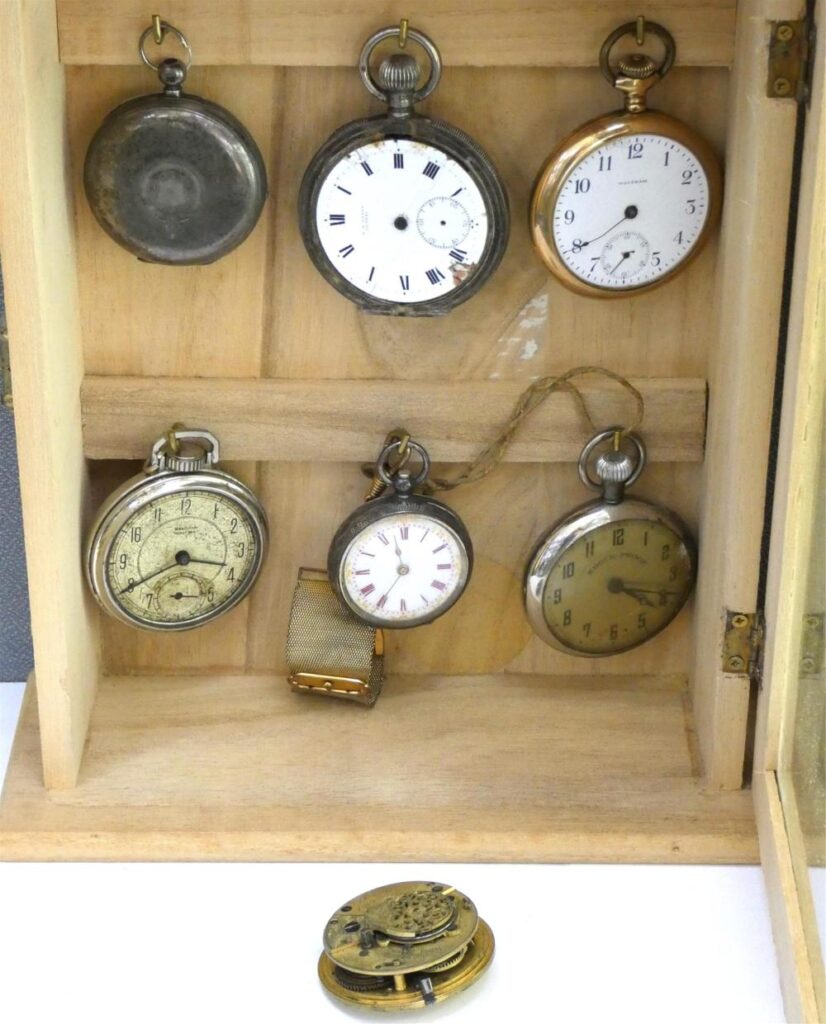
Watches deserve to be seen. Even a small display elevates the hobby.
A few collector-friendly options:
- a glass-top watch box (easy rotation, easy viewing)
- a shadow box with ephemera (ads, photos, chains, keys, service tags)
- grouped display by era (pocket watch section, wristwatch section, digital section)
- a “one from each chapter” display (your personal timeline of timekeeping)
If you’ve collected for a while and it feels scattered, try curating:
- select 8–12 watches you truly love
- display them together
- store the rest
You’ll learn quickly what your collection is actually about.
The Wrap-Up: Why Watch Collecting Stays Timeless
Watches keep being collectible because they sit at the intersection of the practical and the emotional.
They measure time—and they also measure change: in technology, in work, in travel, in fashion, in everyday life. They remind us that “modern” is always moving, and that what feels normal today once felt miraculous.
If this series has done its job, you now have a clearer sense of how timekeeping evolved—and a more confident collector’s eye for what makes a watch worth bringing home.
Because collecting watches isn’t really about owning time. It’s about keeping stories—one small tick at a time.
Let’s Make History—one timepiece at a time.