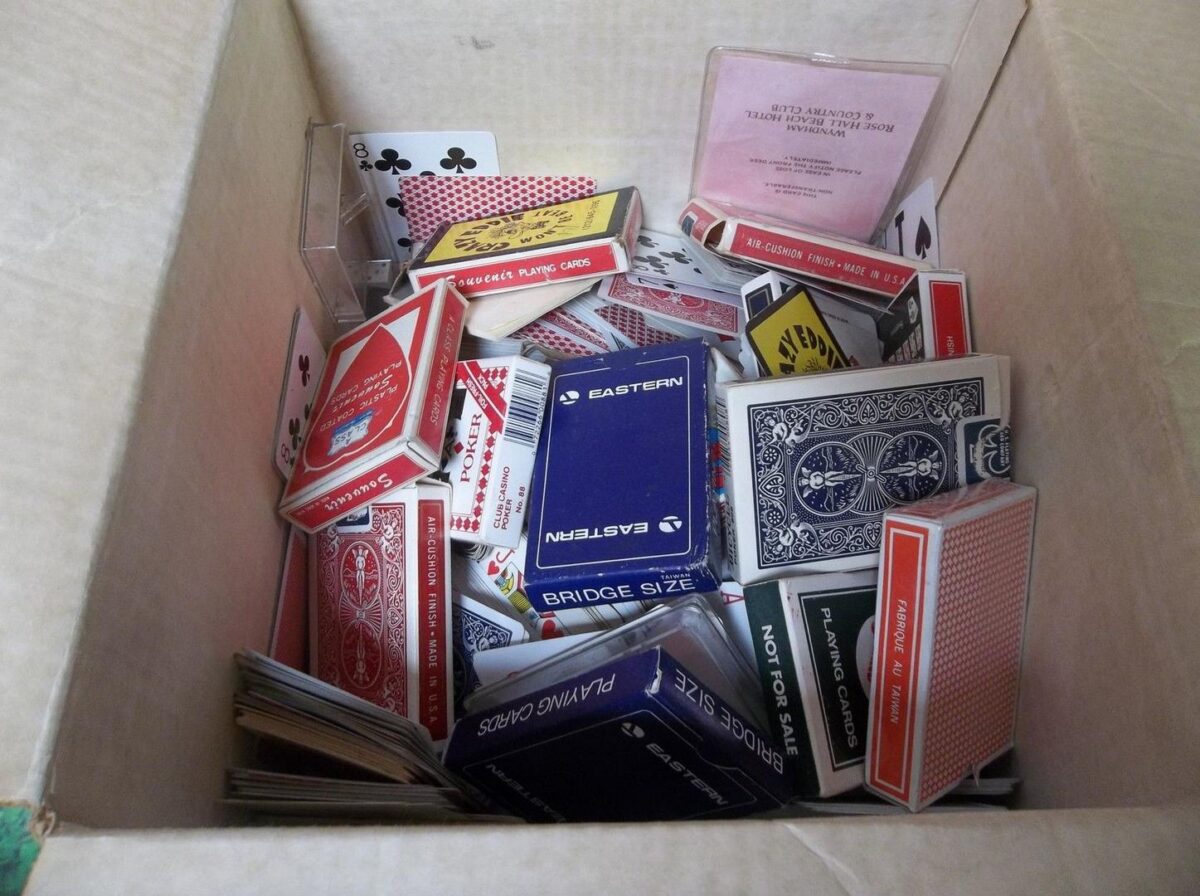
Playing cards are easy to underestimate. A deck is small, familiar, and usually inexpensive enough to toss into a drawer without much thought. Yet once you start looking closely, those 52 little pieces of paper can open the door to centuries of trade, design, gambling, advertising, travel, printing, art, and everyday life.
That is what makes playing cards such satisfying collectibles. They do not need to be large or rare to be meaningful. A souvenir deck from a family vacation, a casino deck with a clipped corner, a transformation deck with clever artwork, or a worn advertising deck from a local business can all tell a story. Each one captures a moment when people gathered, played, passed time, promoted a place, took a chance, or simply enjoyed the ritual of a shuffle.
As we wrap up this playing card series, let’s look at how all these collecting lanes fit together—and how you can build a collection that feels personal, organized, and rich with history.
A Small Object With a Long Journey
The history of playing cards is not a straight line. Cards developed across cultures, traveled through trade routes, and changed as they moved from region to region. Early card traditions are often connected to Asia, while cards entered Europe through contact with the Islamic world. Once they arrived in Europe, local makers adapted them into different suit systems, court figures, and regional formats.
That is why the modern deck is only one chapter of a much larger story. Hearts, diamonds, clubs, and spades feel “standard” today, but earlier and regional decks used different symbols: cups, coins, swords, batons, acorns, leaves, bells, and other variations. Even the court cards varied across regions and games.
For collectors, that long journey is part of the appeal. A deck is never just a deck. It is a snapshot of where card design had traveled by the time it reached someone’s hands.
From Gambling Tables to Kitchen Tables
One of the most interesting things about playing cards is how easily they move between worlds.
They can belong to:
- Gambling halls and casinos
- Saloons, clubs, and military camps
- Family game nights
- Bridge tables and social clubs
- Vacation cottages and hotel rooms
- Magic acts and performance
- Advertising campaigns
- Art collections
That flexibility is why playing cards survived so well as collectibles. They were useful, portable, and familiar. People kept them not because they seemed historically important, but because they were handy.
A deck could sit in a drawer for decades, waiting for the next rainy afternoon. That ordinary survival is exactly what makes card collecting feel so personal.
The Collector’s Main Lanes
Playing card collecting can get broad quickly, so it helps to think in lanes. You do not have to choose only one forever, but choosing a focus makes your collection easier to build and easier to enjoy.
Historic and regional decks
This lane focuses on age, suit systems, makers, printing methods, and the evolution of card design. It may include antique decks, reproduction study decks, or reference examples of regional suits.
Best for collectors who enjoy: history, printing, design evolution, and research.
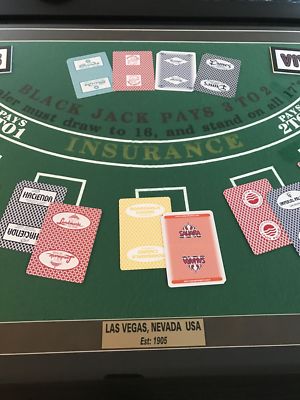
Gambling and casino decks
This lane includes poker decks, faro-inspired material, casino-used decks, canceled decks, and gambling-related ephemera. It can also include chips, score pads, gaming layouts, and saloon or casino advertising.
Best for collectors who enjoy: Americana, risk, gaming history, and place-based collecting.
Souvenir and advertising decks
These decks are practical little time capsules. They preserve hotels, railroads, airlines, banks, local businesses, tourist attractions, and regional pride.
Best for collectors who enjoy: travel, local history, roadside Americana, and advertising graphics.
Art and novelty decks
This is the playful lane: transformation decks, unusual shapes, miniature decks, fantasy themes, museum decks, humor, animals, holidays, and artist-designed cards.
Best for collectors who enjoy: illustration, whimsy, visual design, and unusual formats.
What Makes a Deck Worth Saving?
Not every collectible deck is valuable in the same way. Some are historically important, rare, beautiful, sentimental, or simply great examples of their type.
When evaluating a deck, consider four kinds of value:
Historical value
Does the deck reflect a maker, era, printing method, regional suit system, tax stamp, casino, business, or event?
Visual value
Are the backs, courts, jokers, box, or artwork especially strong? Would the deck display well?
Context value
Does the deck connect to a place, person, trip, business, or story? A local advertising deck may not be expensive, but if it preserves a business from your town, it has real collector interest.
Condition value
Is it complete, stable, clean enough to handle, and stored with its original box or inserts?
The best decks often combine more than one of these. A visually strong advertising deck with original box and local context can be far more satisfying than a generic deck that is technically older but less interesting.
The Details Collectors Learn to Notice
Once you start collecting cards, your eye changes. You stop seeing “a deck” and start seeing clues.
Look closely at:
- The box or case
- Jokers and extra cards
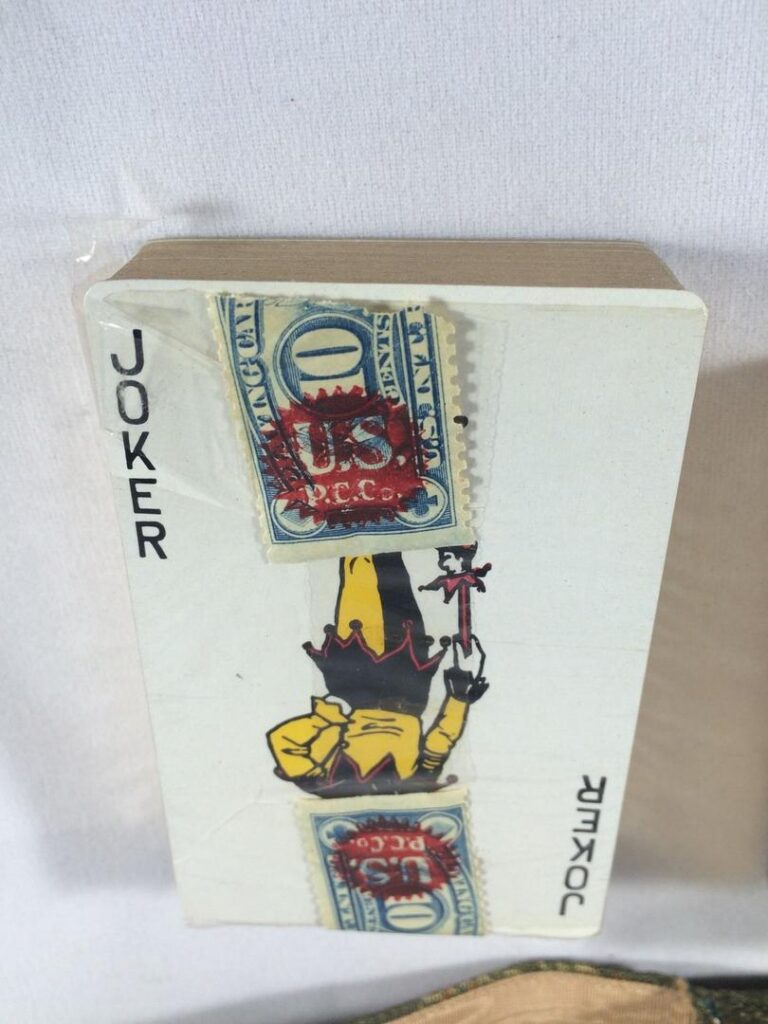
- Tax stamps or seals
- Ace of spades design
- Court card artwork
- Back design
- Card size and shape
- Printing quality
- Inserts, rule cards, or score cards
- Wear patterns and storage odor
These details help you understand what the deck is and how it lived. A box may tell you the advertiser. A tax stamp may help narrow the era. A joker may reveal the maker’s personality. A warped card may tell you it spent too long in a damp drawer.
Collectors are not just buying paper. They are reading evidence.
Completeness Matters—But So Does Purpose
In many cases, a complete deck is preferred. Missing cards can reduce value, especially for playing, display, or art decks where every card contributes to the whole.
But partial decks still have uses. Loose cards can be valuable for:
- Framing or display
- Craft reference
- Research examples
- Replacement cards
- Studying backs, jokers, courts, and printing styles
A partial transformation deck might still be visually wonderful. A single advertising joker might still preserve a business logo. A damaged box might still provide important dating clues.
The key is honesty. Buy and describe partial decks as partial decks. They can still be collectible—just in a different way.
Building a Collection That Feels Like a Story
If your card collection is starting to become a pile, try organizing it by story instead of by size.
Possible story structures:
By place
A drawer or binder for one state, city, region, casino town, travel route, or vacation theme.
By maker or brand
A collection focused on Bicycle, Bee, Tally-Ho, Congress, or other makers and their design changes.
By theme
Animals, holidays, patriotic imagery, Western themes, fantasy art, transportation, hotels, or local businesses.
By use
Gambling decks, bridge sets, advertising decks, travel decks, magic decks, novelty decks.
By display appeal
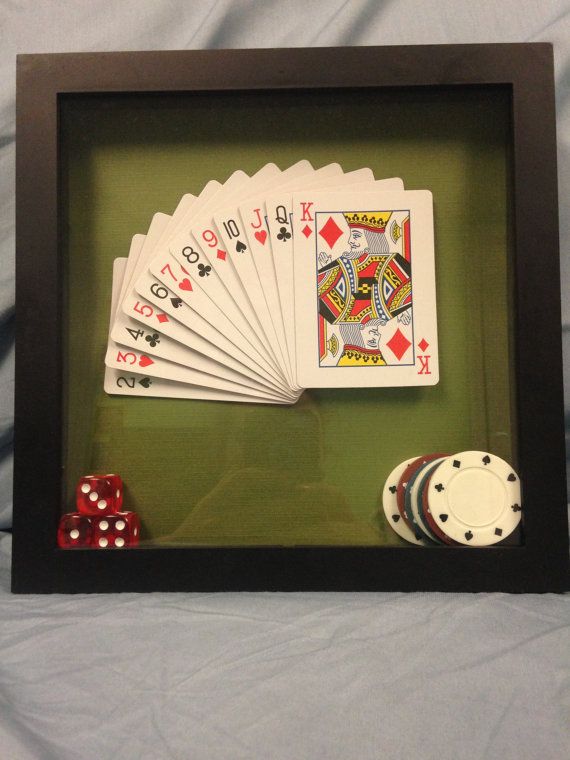
Court cards, jokers, transformation cards, backs, and boxes arranged visually.
A good collection does not need to include everything. In fact, the most memorable collections usually have boundaries. They tell you what they are about.
Pairing Playing Cards With Related Collectibles
One of the best ways to make playing cards more visually interesting is to pair them with related ephemera.
Try displaying a deck with:
- A postcard from the same destination
- A hotel key tag or matchbook
- A railroad timetable
- A casino chip
- A travel brochure
- A local business receipt or advertisement
- A bridge score pad
- A magic booklet
- A vintage game table accessory
These pairings turn a small deck into a full story. A railroad deck becomes travel history. A casino deck becomes gambling history. A souvenir deck becomes a memory of place.
Care and Storage for the Long Game
Playing cards are paper collectibles, and paper rewards careful storage.
Good habits include:
- Keep decks in original boxes when possible.
- Avoid rubber bands; they can dent, stain, and warp cards.
- Store decks away from damp basements and hot attics.
- Keep display cards out of direct sunlight.
- Use archival sleeves or acid-free envelopes for loose cards.
- Support fragile boxes so corners do not collapse.
- Handle glossy or coated cards with clean, dry hands.
- Do not over-clean; wear is part of the story.
If a deck is valuable or fragile, treat it more like ephemera than game-night equipment. If you want cards to play with, keep a separate “playing deck” and let the collectible one rest.
A Gentle Collector’s Checklist
Before you buy a deck, ask:
- Is it complete, and does completeness matter for this deck?
- Does it include the original box, jokers, inserts, or tax stamp?
- What is the main collecting appeal: history, artwork, place, maker, theme, or condition?
- Does it fit one of my collecting lanes?
- Is it stable enough to store safely?
- Can I pair it with related items to tell a fuller story?
- Am I buying it because it is meaningful—or just because it is cheap?
Playing cards remind us that history does not always arrive in large, dramatic objects. Sometimes it arrives in a tuck box, worn at the corners, waiting to be shuffled again.
Let’s Make History—one deck at a time.