Preservation and Cultural Respect

Navajo (Diné) textiles can stop you in your tracks—bold geometry, confident color, and a woven structure that feels both artistic and deeply intentional. But once you own one (or even if you’re simply thinking about collecting), a bigger question comes up quickly:

How do you care for a Diné textile in a way that protects the material and respects the living culture it comes from?

This category is different from many antiques. These weavings are not only historical objects; they’re part of an ongoing artistic tradition. Some pieces were made for trade and sale, some were made for use within community life, and some may carry meanings that aren’t meant to be treated as décor. Collecting responsibly means learning both sides: the practical preservation that keeps fibers stable, and the cultural respect that keeps your collecting grounded and ethical.

This post is a collector-friendly guide to both—so you can steward these textiles thoughtfully, whether you’re keeping a family piece, buying at estate sales, or building a serious collection.

Continue reading “Preservation and Cultural Respect”


Rugs Vs Blankets- A Changing Market

If you’re new to Navajo (Diné) textiles, one of the first confusing things you’ll hear is people using the words “blanket” and “rug” almost interchangeably. Sometimes that’s harmless shorthand. Other times it changes the whole story of a piece—because a textile made to be worn and a textile made to be used on the floor aren’t just different in function. They reflect different markets, different buyer expectations, and in many cases different design decisions.

This post is about that shift. Not to reduce Diné weaving to “what sold,” but to explain how economic change, trading posts, tourism, and outside demand helped reshape what was made—and how we talk about it today. Understanding the difference between rugs and blankets helps collectors describe pieces more accurately, spot clues in structure and proportions, and build collections that honor the textiles as both art and cultural work.

Continue reading “Rugs Vs Blankets- A Changing Market”

Chief’s Blankets and Trading Posts

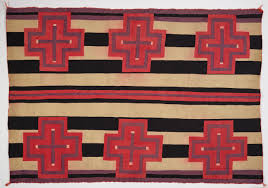
If you spend any time around Navajo (Diné) textiles, you’ll hear the phrase “Chief’s blanket” spoken with a kind of reverence. These are the pieces collectors point to when they want to explain why Diné weaving became one of the most admired textile traditions in North America: dense, even weaving; confident, graphic design; and a history shaped by trade, value, and changing markets.

But the phrase “Chief’s blanket” can also be misleading if it isn’t explained. These textiles weren’t made only for chiefs, and Diné society didn’t function with the same centralized “chief” leadership structure found in some Plains communities. The label is largely a trader/collector term—one that grew out of the blankets’ high status and their popularity in intertribal trade.

In this post, we’ll do two things: first, break down what “Chief’s blankets” are and how collectors typically understand their major style phases; and second, explain how trading posts helped reshape the Navajo textile market—affecting materials, designs, and the shift from wearing blankets toward rugs in the late 19th and early 20th centuries.

Continue reading “Chief’s Blankets and Trading Posts”

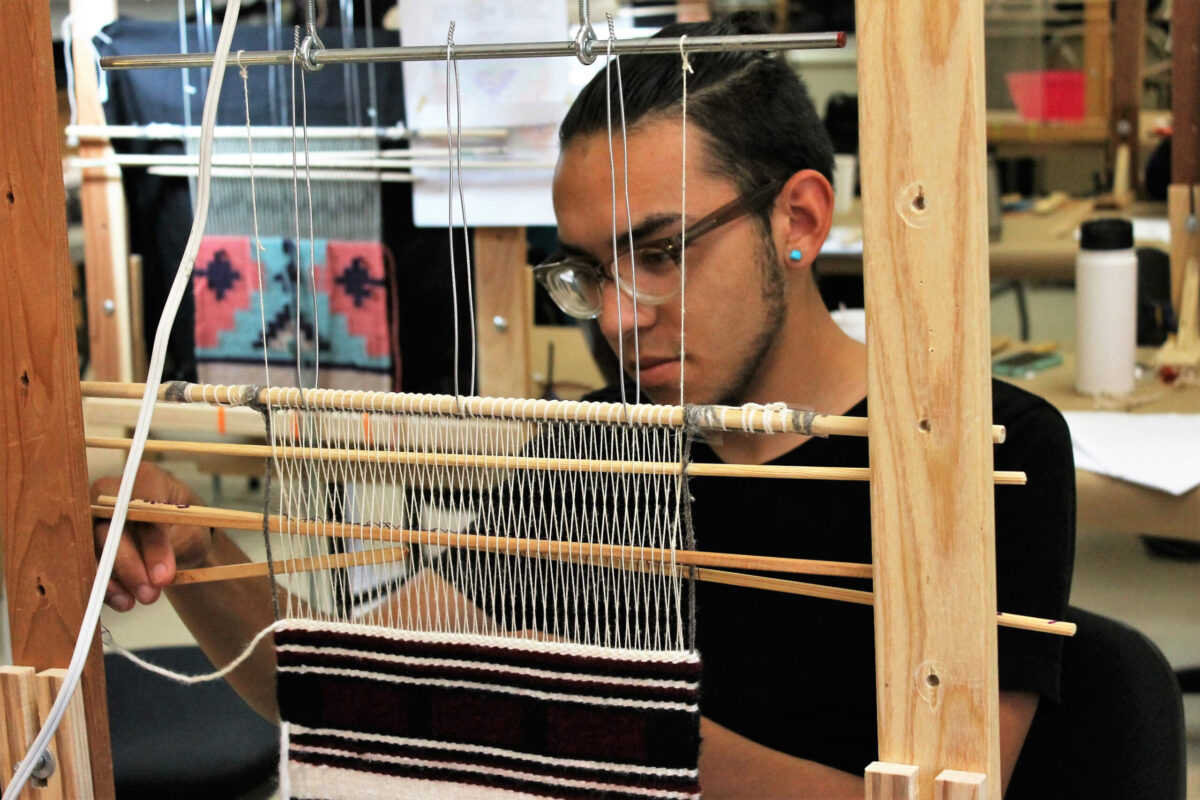
The Art of Navajo Weaving

If you’ve ever seen a Navajo (Diné) textile in person, you know the feeling: the design reads bold from across a room, but the closer you get, the more you notice—tight, even weaving; deliberate color choices; clean edges; and a sense of balance that feels both artistic and intentional. These aren’t just “blankets” in the casual sense. They’re textiles shaped by skill, tradition, adaptation, and a deep visual language that has continued—generation after generation—into the present.

For collectors, Navajo weaving sits in a special place. It can be an heirloom, a work of art, a historical document, and a living tradition all at once. That means the most rewarding way to learn it is not just by chasing patterns or dates, but by understanding the craft itself: what makes these textiles structurally distinct, how they’re made, what materials matter, and why design choices look the way they do.

This post is an introduction to the art of Navajo weaving—how it works, what it’s made from, and how to approach it with the curiosity and respect it deserves.

Continue reading “The Art of Navajo Weaving”

Timeless Elegance

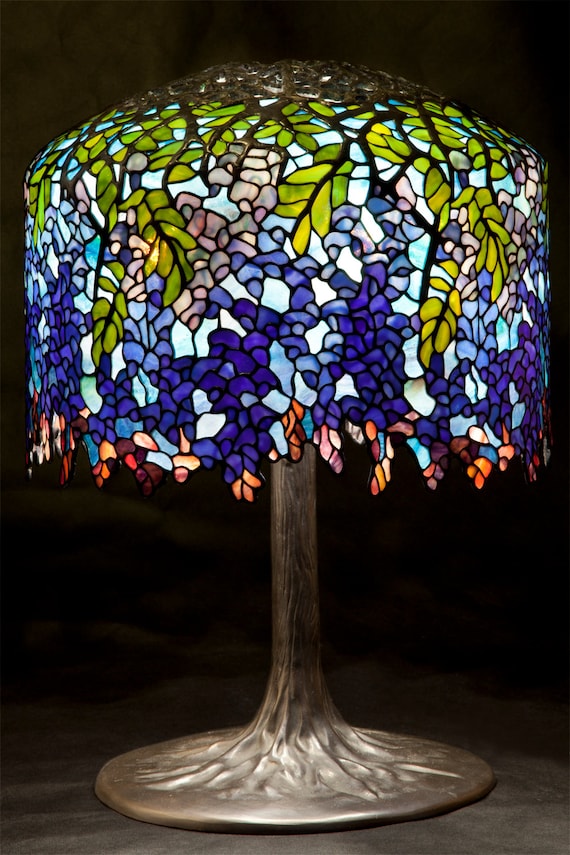
There are certain design languages that never really go out of style—they just change the way they’re appreciated. Tiffany is one of them. Whether you’re looking at a leaded-glass lamp glowing at dusk, a richly colored art glass vase catching morning light, or a bronze base with a finish that feels soft and deep, the effect is the same: the object doesn’t shout. It radiates.

That’s what collectors mean when they talk about “timeless elegance.” Tiffany’s best work doesn’t rely on trends. It relies on fundamentals that stay beautiful across generations: balance, craftsmanship, thoughtful materials, and the way light transforms color and texture. Even if you don’t own an iconic lamp (yet), you can still collect the Tiffany look and spirit in a way that feels coherent, authentic, and genuinely livable.

This post is a collector-friendly wrap-up of the Tiffany aesthetic—why it endures, how to build a collection that looks intentional instead of scattered, what to look for when shopping (including Tiffany-style pieces), and how to care for what you bring home so the elegance lasts.

Continue reading “Timeless Elegance”

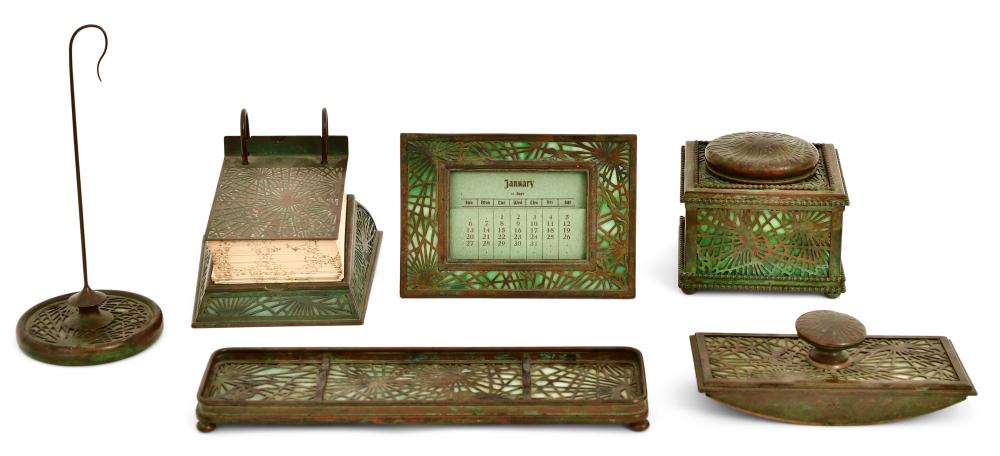
Metalwork and Jewelry

When people think “Tiffany,” they may picture glass—lamps, windows, glowing shades. But Tiffany’s world wasn’t built on glass alone. Metalwork and jewelry are the supporting structure that make the Tiffany aesthetic feel complete: bronze bases that turn a lamp into sculpture, desk pieces that make everyday objects feel elevated, and jewelry that borrows the same nature-inspired language you see in Tiffany glass.

This is also where Tiffany collecting gets especially interesting. Metal and jewelry pieces tend to show how Tiffany design moved through real life—on a writing desk, across a dining table, pinned at a collar, worn at a neckline. These objects were made to be used and enjoyed, and they often carry the traces of that use in the best possible way.

In this post, we’ll look at what “Tiffany metalwork” usually means in collecting, how to think about Louis Comfort Tiffany’s jewelry (and how it differs from Tiffany & Co. fine jewelry), what collectors look for when they’re shopping, and how to care for these pieces so the finish and detail last.

Continue reading “Metalwork and Jewelry”

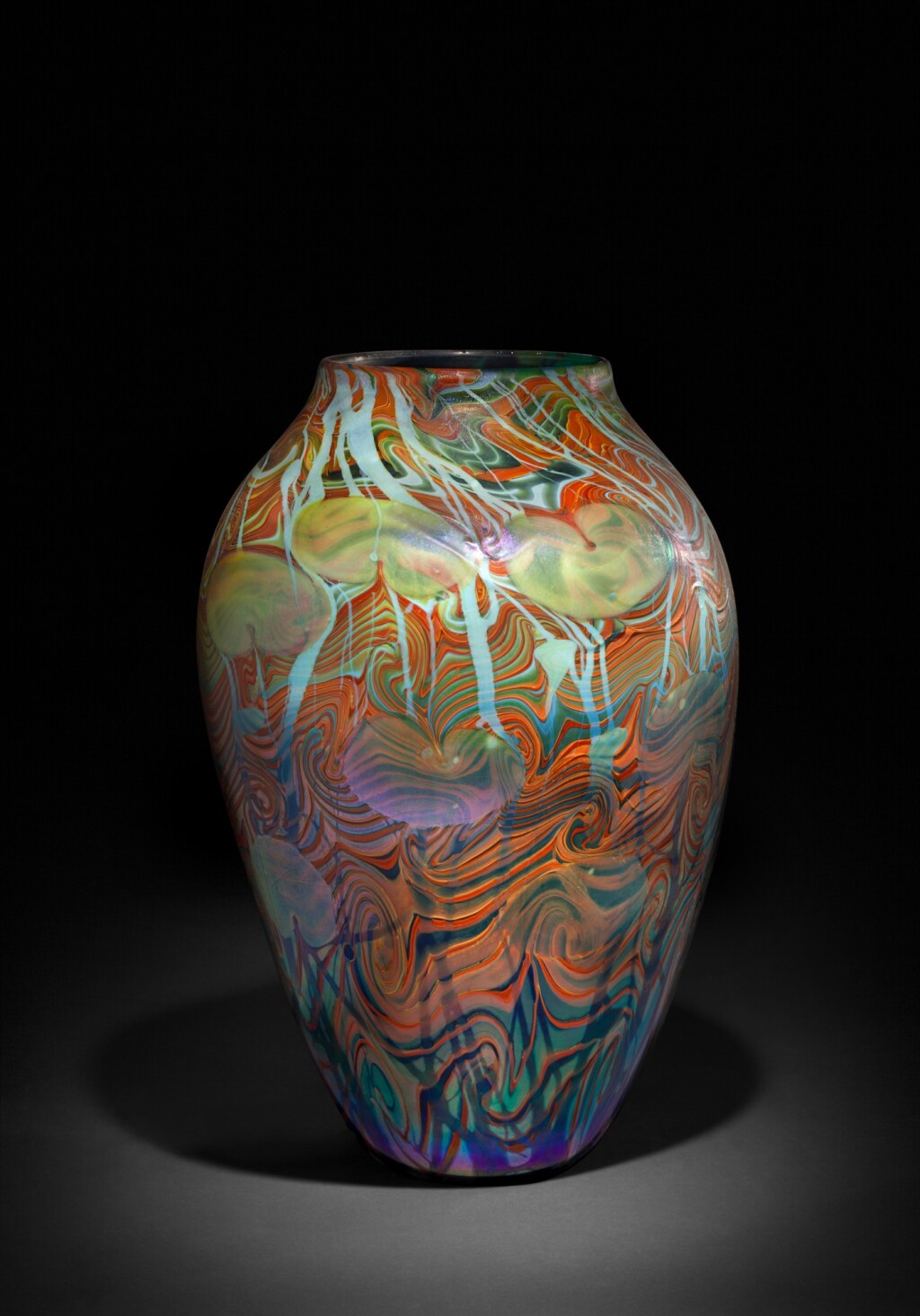
Glass and Pottery

If Tiffany lighting is the headline act, Tiffany glass and pottery are the deep-cut tracks collectors fall in love with once they start looking closer. These are the pieces that bring the “Tiffany glow” into everyday collecting: a vase that turns daylight into color, a bowl that feels like it’s lit from within, a ceramic piece with a glaze that looks almost liquid.

And the best part? You don’t need a monumental stained-glass window (or a dream lamp budget) to collect Tiffany’s design world. Glass and pottery let you build a collection that feels intentional, displayable, and story-rich, whether you’re hunting for true Tiffany Studios examples, Tiffany-era pieces with similar aesthetic DNA, or later Tiffany-style decorative arts you simply love living with.

This post is a collector-friendly guide to Tiffany-adjacent glass and pottery: what to notice, how to shop wisely, how to mix materials without creating visual chaos, and how to care for fragile beauty so it lasts.

Continue reading “Glass and Pottery”

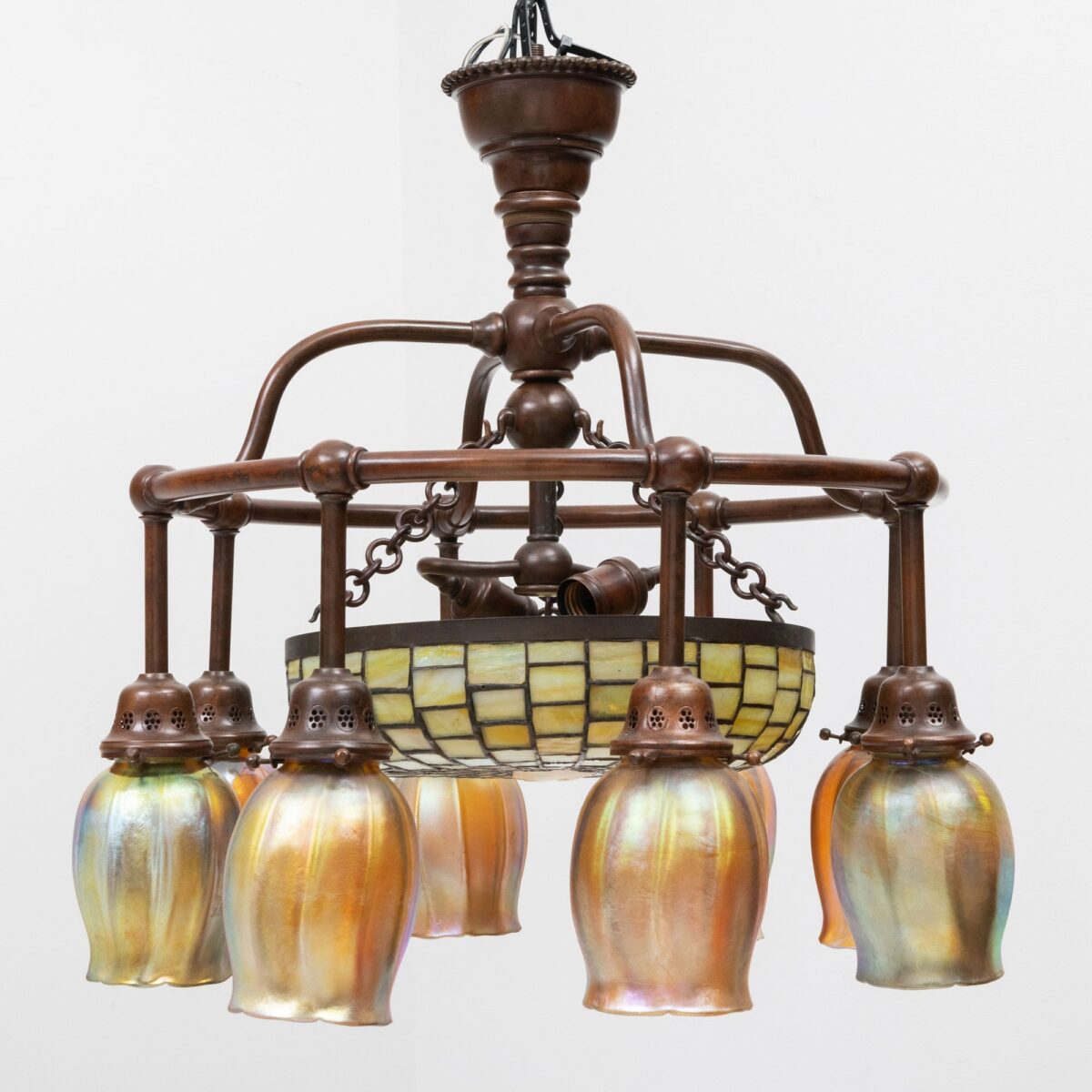
Lamps and Lighting

There’s a reason Tiffany lighting stops people mid-step. It isn’t just pretty glass—it’s the way the glass performs. Turn the lamp off and you have a patterned object. Turn it on and you get a whole atmosphere: color shifts, textures wake up, and the room feels warmer, softer, and somehow more alive.

For collectors, Tiffany lighting sits at a sweet spot where decorative arts meet everyday use. These pieces were made to live in homes—on desks, beside reading chairs, in libraries, and in entryways—yet they were designed with the ambition of fine art. If you’re building a Tiffany-focused collection, lamps and lighting are also where you can learn the most, because they combine glass, metalwork, design history, and practical condition concerns all in one object.

This post is a collector-friendly guide to Tiffany lighting: how it developed, how these pieces were made, what kinds of lighting objects Tiffany Studios produced, and what to look for when you’re buying, caring for, and displaying them.

Continue reading “Lamps and Lighting”

Louis Comfort Tiffany-The Artist Behind the Glass

If you’ve ever paused in front of a glowing Tiffany lamp shade or a richly colored stained-glass panel and thought, How did someone make light look like that?—you’ve already felt the pull of Louis Comfort Tiffany. His name has become shorthand for luminous color, intricate glasswork, and turn-of-the-century design that still feels alive today.

But Tiffany wasn’t “just” a lamp designer. He was a decorative arts visionary who helped reshape what American art glass could be—by pushing color, texture, and technique in ways that made glass feel painterly and atmospheric. His work is also a reminder that collectible objects can be both practical and profound: a lamp that lights a room, a window that transforms a wall, a vase that turns daylight into a display.

In this post, we’ll look at who Louis Comfort Tiffany was, why his glass mattered, what made his studio’s work distinctive, and what collectors can watch for when they’re shopping, learning, and building a Tiffany-focused collection.

Continue reading “Louis Comfort Tiffany-The Artist Behind the Glass”

Wrap-Up-Leap Into Frog Collecting

If the first two posts were about what frog collecting can look like—figurines across cultural styles, and frog-themed ephemera and art—this one is about making it real: how to start, how to focus, and how to build a collection you’ll actually love living with.

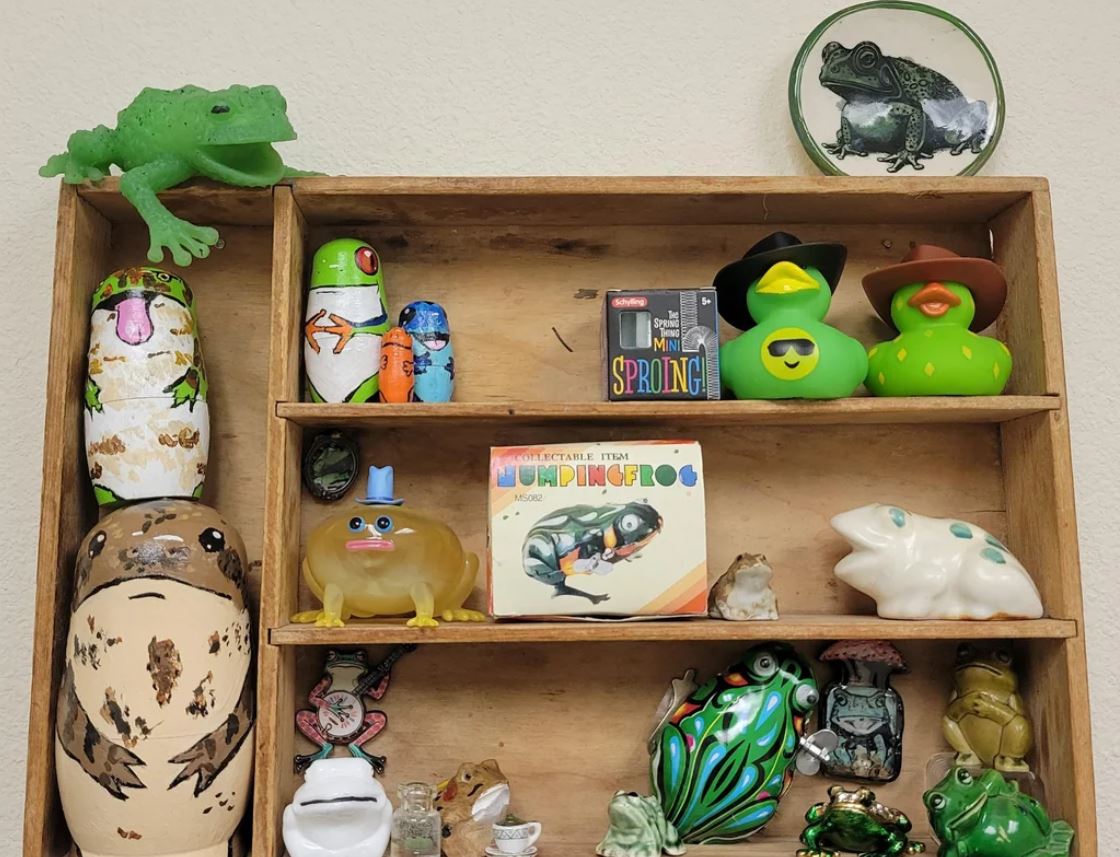
Because frog collecting has a unique superpower: it can be as serious or as playful as you want. You can curate a shelf of elegant ceramics and metalwork, build a wall of illustrated frog postcards, or go full “happy maximalist” with frogs in every room. The key is to collect with a plan—so your frogs feel like a collection, not clutter.

Below is a practical, collector-friendly roadmap to help you leap in with confidence.

Continue reading “Wrap-Up-Leap Into Frog Collecting”

©2025 Dear June Collectibles. All Rights Reserved.