
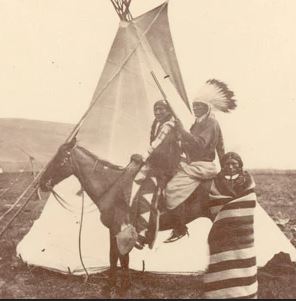
If you spend any time around Navajo (Diné) textiles, you’ll hear the phrase “Chief’s blanket” spoken with a kind of reverence. These are the pieces collectors point to when they want to explain why Diné weaving became one of the most admired textile traditions in North America: dense, even weaving; confident, graphic design; and a history shaped by trade, value, and changing markets.
But the phrase “Chief’s blanket” can also be misleading if it isn’t explained. These textiles weren’t made only for chiefs, and Diné society didn’t function with the same centralized “chief” leadership structure found in some Plains communities. The label is largely a trader/collector term—one that grew out of the blankets’ high status and their popularity in intertribal trade.
In this post, we’ll do two things: first, break down what “Chief’s blankets” are and how collectors typically understand their major style phases; and second, explain how trading posts helped reshape the Navajo textile market—affecting materials, designs, and the shift from wearing blankets toward rugs in the late 19th and early 20th centuries.
Continue reading “Chief’s Blankets and Trading Posts”