Step into a room bathed in the warm glow of an iridescent lamp or a shimmering vase, and you’re experiencing the magic of American art glass. The late 19th and early 20th centuries marked America’s bold entry into this luminous art form, led by visionary makers such as Louis Comfort Tiffany, and soon followed by talented competitors like Steuben and Quezal. These artists didn’t just craft glass—they redefined what glass could be, transforming a simple material into objects of beauty, innovation, and national pride.
Tiffany’s Innovation

Louis Comfort Tiffany (1848–1933), the son of Tiffany & Co. founder Charles Tiffany, was fascinated by color, light, and texture from an early age. His greatest breakthrough came in 1894 with the patenting of Favrile glass, a revolutionary technique that embedded color into molten glass rather than applying it to the surface. The result? Vases and lamps that shimmered with iridescent hues, catching the light in a way that seemed almost magical.
Favrile glass allowed Tiffany to experiment freely with shapes and themes. Dragonflies hovered above pond lilies, wisteria cascaded in delicate arcs, and flowers bloomed in layers of translucent glass. Tiffany’s lamps, especially the Dragonfly and Wisteria designs, became symbols of elegance in American homes, blending artistry with function in a way few pieces ever had.
Competitors Rise: Quezal and Steuben
Success naturally invites competition, and Tiffany’s innovations inspired a wave of American glassmakers to explore their own artistic visions.
Quezal Art Glass & Decorating Company
Founded in the early 20th century by former Tiffany employees, Quezal became known for its iridescent designs with distinctive swirling patterns. While Tiffany focused on floral naturalism, Quezal introduced bolder, more abstract patterns that caught the light in unique ways. Their lamps and vases combined elegance with slightly more modern, geometric designs.
Collectors prize Quezal pieces for their rarity and vibrant colors. Original lamps and vases, especially those with original shades or bases, are highly sought after at auctions and antique shows.
Steuben Glass Works
Founded in 1903 in Corning, New York, Steuben Glass Works took a different approach. Steuben emphasized crystal clarity, precision cutting, and refined shapes, producing objects that celebrated the brilliance of pure crystal rather than iridescence.
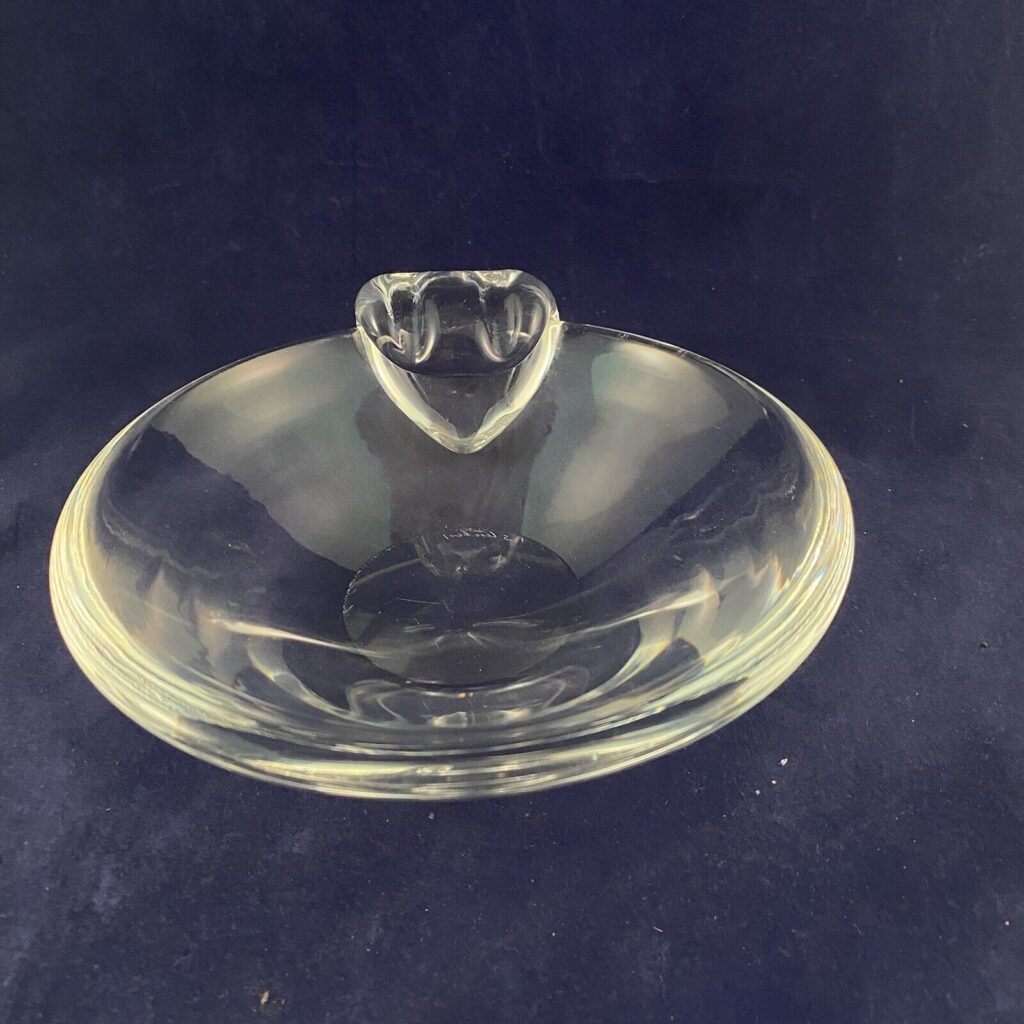
One of Steuben’s most famous contributions was Aurene glass, introduced in 1920. Aurene rivaled Tiffany’s Favrile in brilliance but highlighted metallic sheens and subtle iridescence. Early Aurene pieces often came in gold, blue, or green tones, molded into elegant vases, bowls, and lamps.
American Pride in Design
During this period, American glassmakers sought to define a uniquely American style. Bold colors, asymmetrical shapes, and accessible designs reflected the country’s spirit of innovation and creativity. While European makers inspired them, American artists embraced experimentation, giving rise to pieces that were both artful and practical.
This era coincided with the American Art Nouveau movement, which celebrated natural motifs, flowing lines, and the integration of art into daily life. Glassmakers responded by crafting lamps, vases, and bowls that were functional yet undeniably beautiful—objects that could transform a home into a gallery.
Collecting American Art Glass Today
Early 20th-century American art glass is highly prized by collectors for its combination of beauty, history, and rarity. When considering a purchase, there are several key factors:
- Maker’s Signature – Look for etched or engraved marks from Tiffany, Steuben, or Quezal. Authentic signatures are essential for verifying provenance.
- Design Complexity – Rare colors, intricate motifs, or unusual forms generally increase value.
- Condition – Chips, cracks, or repairs can significantly reduce a piece’s value. Pristine examples are rare and highly prized.
- Provenance – Items with documented ownership, exhibition history, or original sales receipts are more valuable.
- Historical Context – Understanding the era and design trends adds richness to a collection. For example, a lamp reflecting early 20th-century Art Nouveau aesthetics may be particularly valuable.
Did You Know?
The Corning Museum of Glass houses an extensive collection of American art glass, including Tiffany, Quezal, and Steuben pieces. Their archives help preserve the history of these works and inspire collectors and artists alike.
A Lasting Legacy
The innovations of Tiffany, Steuben, and Quezal transformed glass from simple utility into a medium of artistic expression. Their work influenced interior design, architecture, and even lifestyle.
- Architecture: Stained-glass windows in homes, public buildings, and churches brought the beauty of American art glass into everyday life.
- Design Evolution: Elements of Tiffany and Steuben’s work influenced later movements, including Art Deco and Modernism.
- Collector Culture: Today, American art glass remains a vibrant field. Museums, auction houses, and private collectors continue to preserve and celebrate these luminous works.
Every piece tells a story—not just of its maker, but of the era, the techniques, and the imagination that brought it to life.
Share Your Story
Are you enjoying this art glass series? I’d love to hear from you! Do you have a favorite piece—maybe a family heirloom passed down through generations, or a flea market treasure that caught your eye? Share your stories in the comments below.
Want more deep dives into antiques and collectibles? Subscribe for future posts on collecting tips, spotting fakes, and exploring the artistry behind timeless objects. Share this series with friends and fellow collectors—it might spark their own journey into American art glass.
Let’s make history—one collectible at a time.