In an age dominated by social media and 24-hour news cycles, fascination with royalty not only endures—it often deepens. From coronations to weddings, jubilees to state visits, people around the world still pause to watch, commemorate, and—most enduringly—collect keepsakes that mark those moments.
Royal memorabilia is more than decoration. It captures feeling, artistry, and identity all at once. Cups, plates, flags, and portraits provide continuity in a rapidly changing world, serving as both personal mementos and fragments of shared history.
A Legacy of Commemoration
Collecting royal souvenirs stretches back centuries. Portraits of monarchs appeared on medals and coins for generations, and commemorative pottery and printed tokens have long recorded public events.
During Queen Victoria’s reign, industrial advances in printing and transferware made royal imagery widely available. Coronations, marriages, and jubilees inspired a flood of affordable keepsakes that brought the monarchy into ordinary homes.
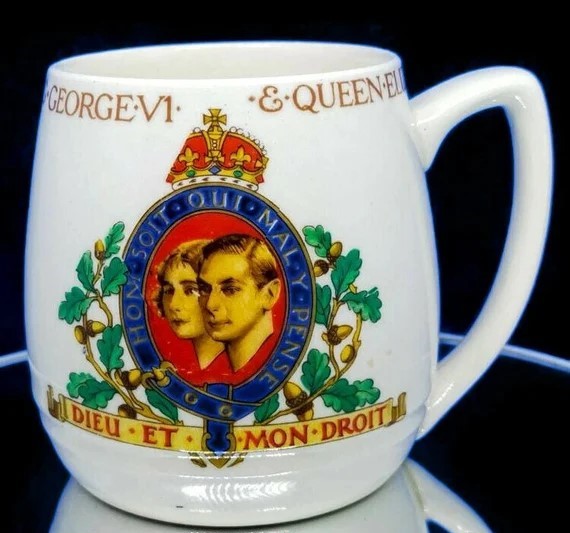
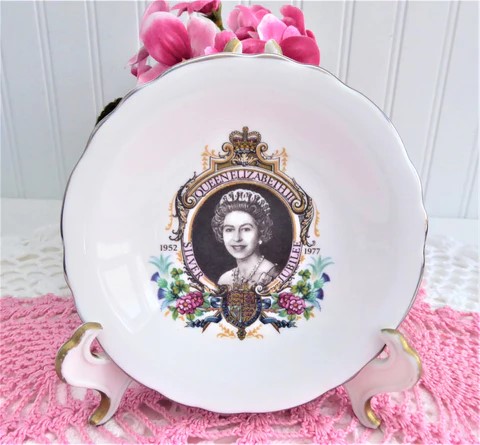
Each generation continued the tradition. Edward VII’s coronation in 1902, George V’s Silver Jubilee in 1935, and the long reign of Elizabeth II all inspired waves of commemoratives—each reflecting both the event itself and the design trends of its time.
Symbols of Continuity and Change
Part of the appeal lies in what monarchy represents: a public rhythm that marks time. Royal events punctuate national calendars with moments of shared emotion.
For collectors, owning a souvenir from such an occasion is less about celebrity than about belonging to a collective experience. In uncertain times, the monarchy can feel like a steady thread. A coronation mug or jubilee plate becomes more than an object—it becomes a symbol of continuity.
Many collectors describe their shelves not as displays of wealth, but as timelines—tangible reminders of moments that connected people across generations.
Craftsmanship Meets Memory
Beyond sentiment lies craftsmanship. Royal souvenirs have long showcased the artistry of their era. Early commemoratives were hand-painted or transfer-printed with ornate borders, heraldic motifs, and detailed portraits.
By the mid-20th century, advances in printing and ceramics allowed manufacturers such as Royal Doulton, Spode, and Wedgwood to produce pieces that combined fine detail with mass appeal.
Today, official ranges—including those issued through the Royal Collection—and limited-edition artisan pieces blend traditional techniques with modern design. Whether mass-produced or bespoke, each item represents a blend of history, craftsmanship, and personal connection.
The Human Desire to Remember
Collecting royal memorabilia reflects a universal impulse to commemorate. Across cultures and eras, people have marked important events through coins, medals, or keepsakes—and royal souvenirs are a continuation of that tradition.
When someone buys a coronation cup or a wedding plate, they aren’t just acquiring an object—they’re preserving a memory. These items often become family heirlooms: a Silver Jubilee mug in a grandmother’s cabinet, rediscovered by a grandchild decades later, can bridge private memory and national history.
Nostalgia, Identity, and Global Reach
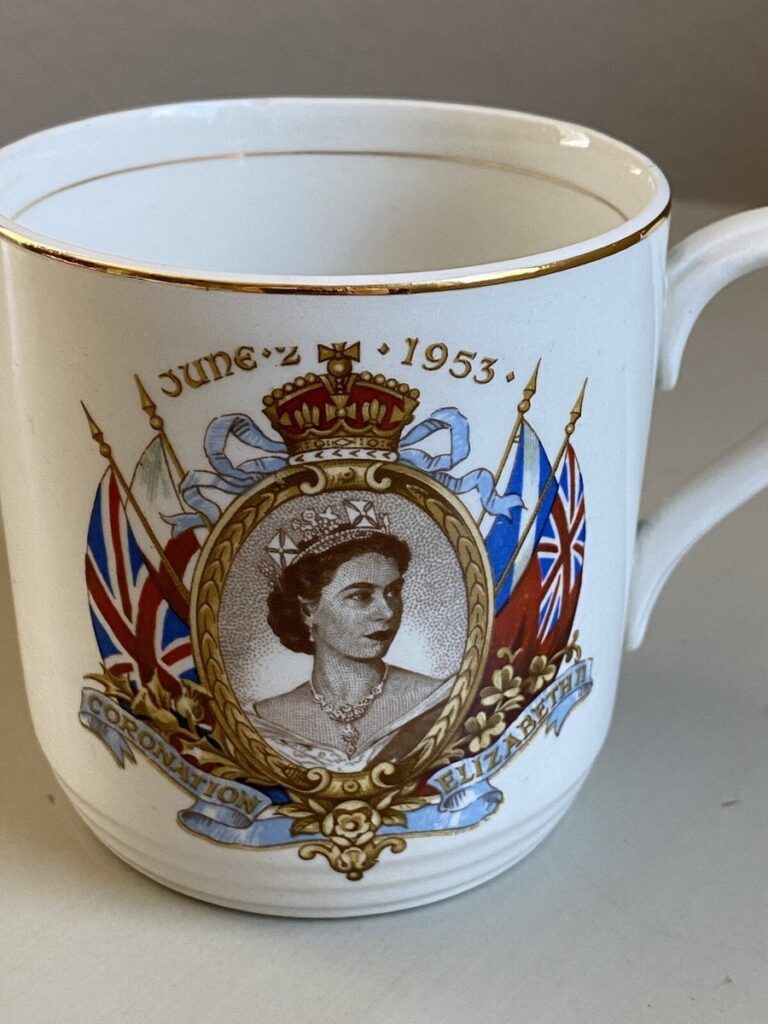
Royal memorabilia also satisfies nostalgia. A 1937 coronation tin evokes interwar optimism; a 1953 cup recalls post-war renewal. Each piece provides a glimpse into its era—its colors, typography, and style.
This fascination extends far beyond Britain. Royal imagery has circulated across the Commonwealth and beyond for centuries. Official and unofficial commemoratives have been produced and collected in Canada, Australia, parts of Africa, the Caribbean, and elsewhere, underscoring the global reach of royal symbolism.
Modern Collecting in a Digital Age
The way collectors find and share royal memorabilia has changed dramatically. Online marketplaces, auction sites, and social media groups have created active communities where enthusiasts trade, identify, and discuss their finds.
Digital catalogues now help preserve provenance and maker information that earlier collectors might have lost. Yet even in this digital age, the physical object remains central. Holding a piece of glazed china or stamped metal still offers a direct, tactile link to the moment it commemorates.
A Tradition That Endures
Royal memorabilia endures because it is both personal and collective. These objects belong to individual homes but carry broader historical meaning. Each coronation, wedding, and jubilee adds to a living tradition of celebration, and with every new reign, a new generation collects the pieces that mark its own place in royal history.
Royal souvenirs remind us that history isn’t only written in books—it’s held in porcelain, printed on tin, and stamped in metal. Whether proudly displayed or carefully stored in a keepsake box, these objects endure because they express something timeless: our wish to connect with history, celebrate continuity, and remember shared joy.
As long as coronations, jubilees, and royal milestones continue, there will be collectors ready to preserve them—each cup, plate, and medal a quiet act of remembrance. Let’s Make History-one royal collectible at a time.