Not all royal souvenirs are stately or serious. Some are downright whimsical—and that’s exactly what makes them irresistible. Beyond the fine bone china, sterling-silver spoons, and commemorative plates lies a curious world of kitsch, humour, and pop culture. These light-hearted creations reveal how ordinary people have celebrated, gently satirised, and personalised their relationship with the monarchy for more than a century.
A Tradition of Wit and Whimsy
The royal household has long inspired artistry—but it has also inspired laughter. Even in the Victorian era, souvenir makers found ways to blend reverence with amusement. Queen Victoria’s image appeared on everything from chocolate tins to decorative jugs, and some manufacturers experimented boldly. Figurines portrayed the monarch in exaggerated poses, while novelty teapots—occasionally shaped like the Queen herself—turned household utility into royal commentary.
These early oddities served a dual purpose: they celebrated national pride while making the monarchy feel more accessible. The grandeur of royal ritual was softened by a touch of humour, creating collectibles that were not only decorative but also conversational.
The 20th Century: When Kitsch Went Mainstream
Advances in printing, ceramics, and mass manufacturing in the early 20th century brought souvenir production to a much wider audience. Events like King Edward VII’s coronation in 1902 and King George V’s Silver Jubilee in 1935 prompted waves of new products—some tasteful, others deliberately playful. Postcards, novelty thimbles, and small figurines became common keepsakes, often sold in corner shops or distributed as promotional items.
The mid-20th century, however, marked the golden age of royal kitsch. The 1953 coronation of Queen Elizabeth II coincided with the rise of television, advertising, and consumer culture. Manufacturers across Britain and the Commonwealth seized the moment, producing a dizzying variety of souvenirs—from elegant commemoratives to near-absurd novelties.
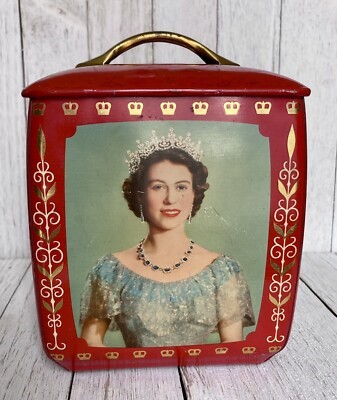
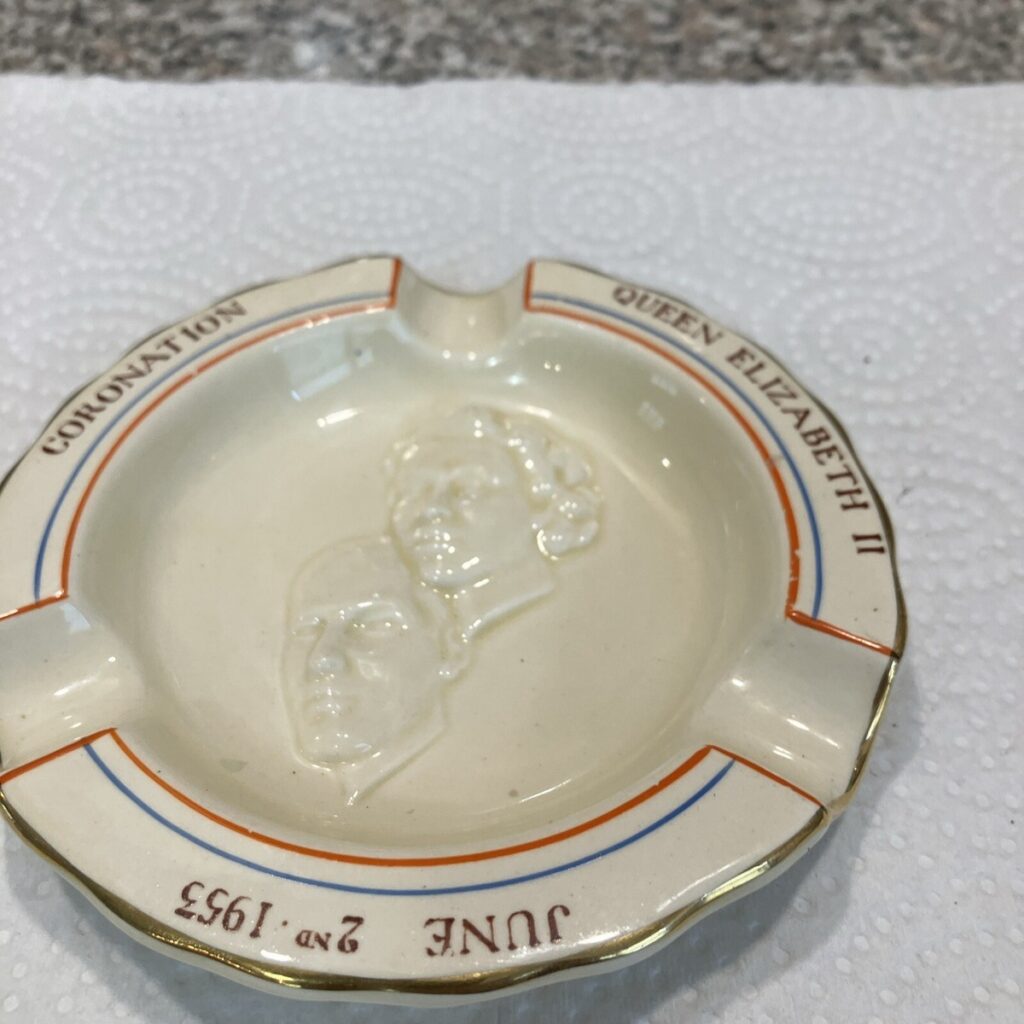
There were coronation ashtrays, biscuit tins, playing cards, and jigsaw puzzles, alongside more unusual items like printed wallpaper and themed party goods. These were not made for display cabinets—they were meant to be used, enjoyed, and sometimes laughed at.
Humour and Heart in Everyday Objects
The appeal of novelty royal memorabilia lies in its personality. A hand-painted mug with a slightly crooked portrait or a biscuit tin showing the smiling royal family feels more relatable than pristine porcelain. These quirky items show how the public connects to monarchy—not through formality, but through affection and playful humour.
By the 1960s and 1970s, as pop culture and satire gained influence, royal kitsch evolved again. Advertisers and artists began blending royal imagery with everyday objects in witty ways. Even outside official occasions, the royal family became a source of parody and pop reference. The 1981 wedding of Prince Charles and Lady Diana Spencer produced everything from heart-shaped plates to cartoon mugs—some elegant, others gloriously camp. Both types now hold a cherished place in collectors’ hearts and cabinets.
The Collectors’ Perspective
Today’s collectors often find these humorous souvenirs more intriguing than their refined counterparts. They tell a broader story—one that includes not just the royal household, but also the shifting tastes, design styles, and social attitudes of the people who bought them.
A bobblehead of Prince Philip or a rubber duck dressed as the Queen might seem frivolous, yet each captures a specific moment in time: the manufacturing style of its era, the public’s sense of humour, and the evolving relationship between monarchy and popular culture. Some collectors specialise exclusively in novelty memorabilia, curating shelves filled with items that spark both laughter and conversation.
These collections also challenge the idea that value must depend on rarity or refinement. Most novelty items were mass-produced and hold little market value, yet their cultural and emotional worth can be immense. A corgi-shaped teapot or a vintage coronation biscuit tin may not fetch thousands at auction, but each carries stories—of street parties, television broadcasts, and shared national excitement.
Pop Culture and Modern Kitsch
In the 21st century, royal kitsch continues to thrive—balancing nostalgia with a knowing wink. The 2011 wedding of Prince William and Catherine Middleton, for instance, inspired novelty tea towels, mugs printed with inside jokes, and a flood of unofficial keepsakes.
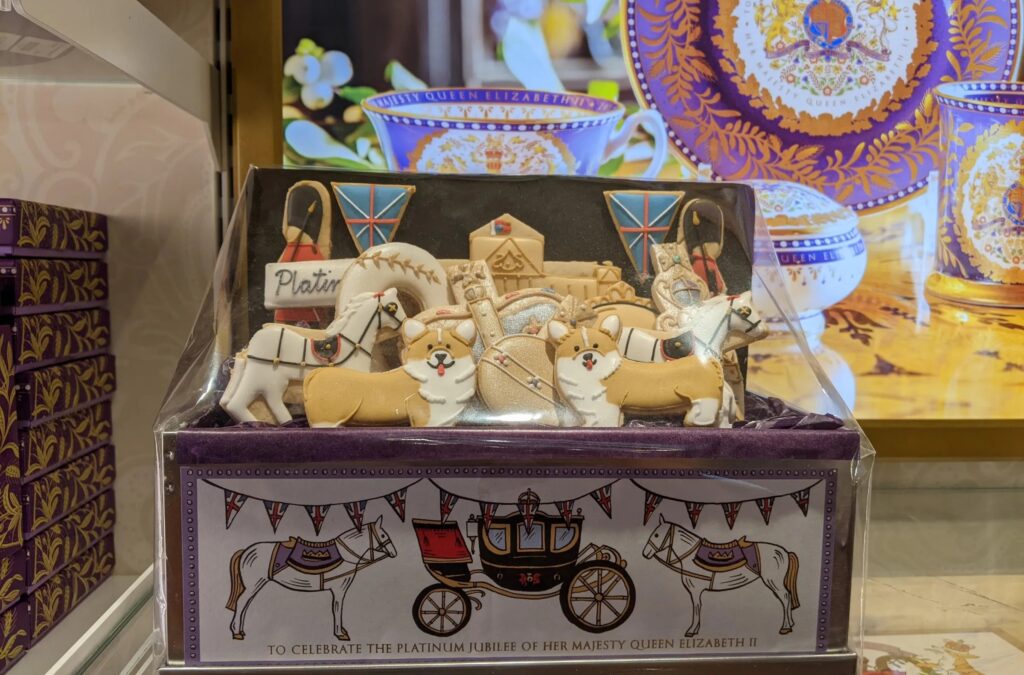
With the rise of the internet and social media, the tradition found fresh expression. Independent artists and small makers began creating tongue-in-cheek tributes: embroidered cushions featuring corgis in crowns, candles labelled Royal Essence, and enamel pins inspired by the Queen’s iconic hats. Even major brands joined in. For the Platinum Jubilee of 2022, alongside elegant commemorative china, shops offered playful designs like biscuit tins shaped as royal carriages and rubber ducks in purple robes.
These modern pieces deliberately combine respect and whimsy—a hallmark of British design sensibility that has endured for more than a century.
Why We Love the Whimsical
At its heart, royal kitsch celebrates the human side of history. The monarchy may symbolise continuity and ceremony, but kitsch reminds us that people experience it through joy, humour, and creativity. These souvenirs blur the line between reverence and play—between collective tradition and personal expression.
Collectors often say the best novelty pieces are the ones that make them smile. They’re not just buying objects; they’re preserving a shared sense of amusement that has accompanied royal occasions for generations. In that sense, a novelty mug or rubber figurine may do as much to preserve cultural memory as the finest limited-edition plate.
Collecting, Displaying, and Enjoying
When building a novelty-royal collection, variety is key. Some collectors specialise in a single event—such as the 1953 coronation or the 1981 royal wedding—while others seek humorous reinterpretations across decades. With novelty items, condition matters less than character: a slightly worn biscuit tin or faded tea towel often has more personality than a pristine piece.
Displaying these items can be as enjoyable as finding them. Combining whimsical objects with more traditional commemoratives creates an engaging visual story—one that reminds us royal enthusiasm is as much about personality as it is about pomp.
A Smile in Every Souvenir
Royal kitsch proves that collecting doesn’t have to be solemn. It can be light-hearted, inclusive, and full of charm. Whether it’s a bobblehead, a novelty teapot, or a commemorative biscuit tin, these pieces tell stories not only of monarchs but also of the people who celebrated them—with humour, warmth, and creativity.
Sometimes the most delightful royal souvenirs aren’t the ones gilded in gold or marked “limited edition.” They’re the ones that make us smile, remember, and laugh together.
Let’s make history—one quirky collectible at a time.