Rock and roll lives on in studio albums, live recordings, and documentaries. Ask many collectors where the music still feels alive, though, and they often point to two simple things: concert posters and tickets. Posters announced the show. Tickets got you through the door. Now both also serve as art, evidence, and little paper time machines.
From Street Poles to Museum Walls
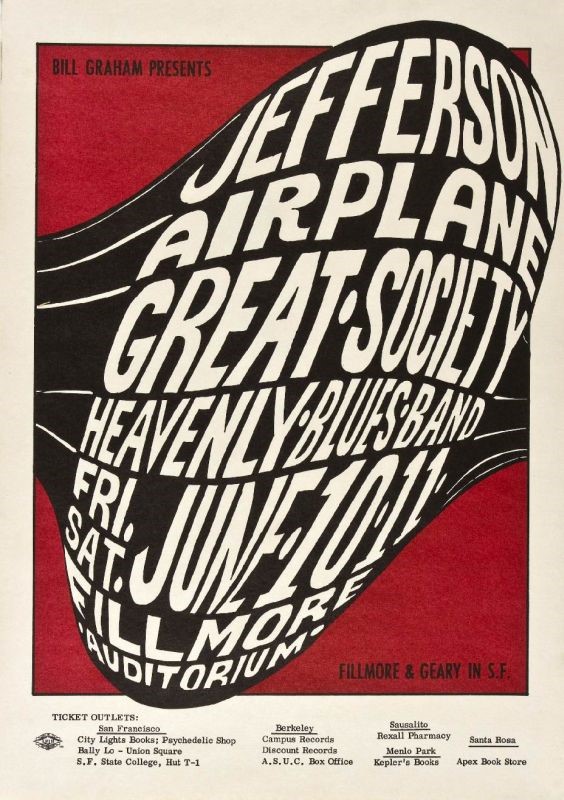
Concert posters existed long before rock and roll. Vaudeville, jazz, and dance halls all used printed bills to sell tickets, but rock changed the look and the energy. In the mid-1960s, San Francisco became a hotspot for a new kind of concert poster. Venues like the Fillmore Auditorium and the Avalon Ballroom promoted rock shows with bold, psychedelic designs that matched the music and the scene.
One of the key artists behind that new look, Wes Wilson, helped define the classic psychedelic style and created dozens of Fillmore posters in 1966. Wilson and fellow artists—Stanley “Mouse” Miller, Alton Kelley, Rick Griffin, and Victor Moscoso—pulled from Art Nouveau, Victorian ornament, and other historic styles. They twisted those influences into warped lettering, intense color, and surreal imagery that became a visual soundtrack for the late-1960s rock scene.
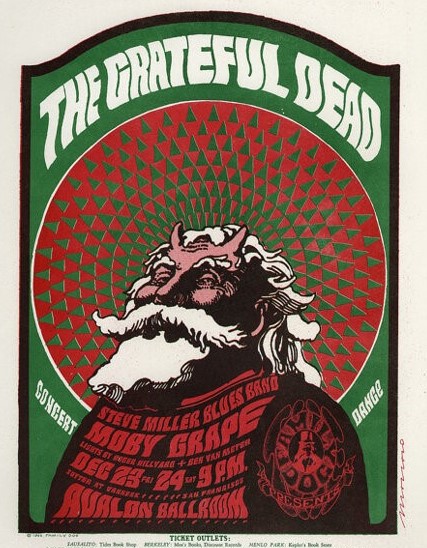
At the same time, Family Dog, led by Chet Helms, promoted shows at the Avalon Ballroom and other venues. Their famous Numbered Series, FD-1 through FD-147, covered a run of concerts mainly between 1966 and 1968. Those posters featured bands like the Grateful Dead and Big Brother and the Holding Company, and that sequence now stands as one of the best-known runs in rock poster history.
Back then, crews stapled these posters to poles, club walls, record shop windows, and any open space they could find. Today, many of the same designs hang in galleries and museums. Not a bad journey for something that once fought for a patch of wood on a street corner.
How Printers and Artists Brought Posters to Life
Rock posters didn’t appear by magic. Printers and artists used specific tools and methods, and those choices still matter to collectors. Many posters used offset lithography, a process where a plate lays ink onto a rubber blanket and then onto paper. That method became a commercial standard and handled bright colors and fine detail especially well, which suited rock poster art perfectly.
Other posters used screen printing, especially for shorter runs and designs that needed heavy, flat color. In screen printing, ink passes through a mesh stencil onto the paper, layer by layer. You might also see letterpress in smaller handbills and tickets, where raised, inked type presses directly into the sheet and sometimes leaves a light impression.
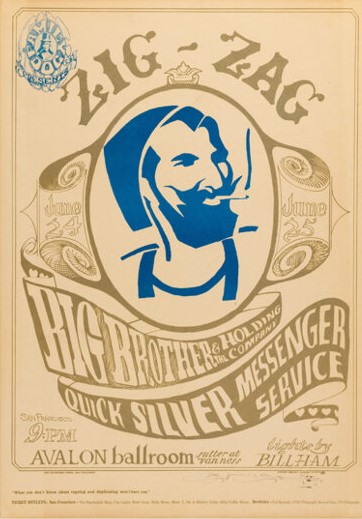
Designers drew from a wide mix of influences. Psychedelic posters often echoed Art Nouveau curves and decorative borders, then blended them with Pop Art, underground comics, and surreal imagery. Sometimes artists reused familiar commercial icons. A famous example is the “Zig-Zag Man” poster by Stanley Mouse and Alton Kelley, which riffs on the Zig-Zag rolling paper logo and adds a playful line about copying at the bottom.
For collectors, every small detail matters. Paper type, ink color, size, and printer’s marks can separate an original first printing from a later reprint. Reference sites and dealers document these differences so buyers can compare a poster to known examples before they commit. If two “identical” posters don’t quite match, those paper and printing details usually explain why.
Tickets: Small Paper, Big Memories
Posters shout, “Come to the show!” Tickets quietly prove that the show actually happened. A typical concert ticket lists the artist, venue, date, and often a promoter or tour name. Collecting guides describe vintage tickets as small historical artifacts that gather all those details onto a single piece of card stock.
Those guides tend to hit the same main points:
- History matters: tickets from famous concerts or early gigs by later-famous artists often draw extra interest.
- Condition counts: heavy creases, stains, and tears usually lower collector value compared with clean, complete stubs.
- Artist and genre drive demand: tickets tied to well-known acts or key tours attract more attention than those from very obscure shows.
Display potential helps, too, so many collectors frame stubs, build collages, or mount them with photos and set lists instead of leaving everything in a shoebox.
Writers who cover the hobby often describe concert tickets as “tangible reminders” or “fragments of history,” and that language matches what many fans already feel when they hold a stub from a big night. Today, lots of venues use digital tickets that live in apps and email accounts. Because of that shift, physical tickets from past decades feel even more special to many collectors. They recall an era when almost every show left behind a little rectangle of paper with a seat, a date, and a story.
Why Posters and Tickets Hit So Hard
So why do these bits of paper land so deeply with rock fans?
First, they pin the music to time and place. Recordings tell you how a band sounded. Posters and tickets tell you where and when that sound shook the walls. Concert archives and memorabilia sites use posters, handbills, and ticket scans to reconstruct show lists, venues, and dates. Look at one piece and you see more than a band name. You see the city, the hall, the price, maybe even the promoter’s logo. Those details drop the music into a very specific moment. Maybe the venue no longer exists, but the paper remembers.
Second, they show how rock looked, not just how it sounded. Psychedelic posters from the late 1960s advertised more than a set list. They signaled a scene, a style, and a worldview. Later eras built new looks. Punk and new wave posters leaned on rough graphics, collage, and stripped-down type. Arena rock and metal favored big logos, heroic photography, and high-impact branding.
Whatever the style, the poster had one job: grab your eye and promise something unforgettable. Tickets tell quieter visual stories, but they still matter. Early rock tickets often used simple type and basic logos. Later designs adopted full-color printing, foil, or holograms to match tour branding. Even the plainest ticket carries design choices that echo the feel of the tour and venue.
Third, they connect fans directly to the experience. Collectors and hobby writers often mention personal memory as a key reason people save stubs. If you saw a legendary show, that little rectangle can feel priceless. For fans who never had the chance to see certain artists live, posters and tickets act as bridges. They turn stories, albums, and bootlegs into something you can actually hold.
Collecting Smart Without Killing the Magic
Because interest in rock posters and tickets keeps growing, collectors pay close attention to authenticity, condition, and context. Posters from major venues often exist in several printings. Printers produced original “first printings” for the actual shows, then later did reprints for the collector market. Reference guides record differences in paper stock, size, ink color, and small bits of text. Tickets also come in variations: full unused tickets, torn stubs, and promotional issues. Fonts, logos, and security features help confirm that a ticket matches others from the same tour.
Condition affects both value and how much you enjoy the piece on your wall. For posters, folds, pinholes, tape marks, edge wear, and fading all matter. Tickets face similar issues: heavy creases, stains, or missing corners can hurt the market price, even if the memory still feels perfect to you. Context can turn a nice item into a centerpiece. A poster or ticket becomes more interesting when it links to a famous tour, a breakthrough moment, or a historic venue. A small ticket from a pivotal show can carry far more weight than its size suggests.
Why These Pieces Still Matter
Concert posters and tickets sit at the crossroads of music, design, and memory. They document who played where and when. It shows how artists and promoters wanted crowds to see them. They give fans something real to hold long after the last encore fades. In a world where so much media lives as files and streams, these artifacts offer texture and weight. You can feel the paper, see the ink, and read the tiny line that names the printer, the promoter, or the ticket price.
For rock fans and collectors, that mix of verifiable history and felt memory explains why concert posters and tickets stay at the heart of rock and roll memorabilia. And if you’re building your own collection—one poster, one stub at a time—you’re not just decorating a wall. You’re preserving stories, shows, and scenes for the next set of eyes. So frame that ticket, hang that poster, turn up the volume, and together… Let’s Make History.