Few moments capture both personal joy and public celebration quite like a royal wedding. For nearly two centuries, these grand occasions have inspired a cherished tradition — the creation of commemorative china and keepsakes that let people feel part of history. From early pottery medallions to today’s fine bone china, each piece tells a story not just of love, but of craftsmanship and collective memory.
The Birth of a Souvenir Tradition
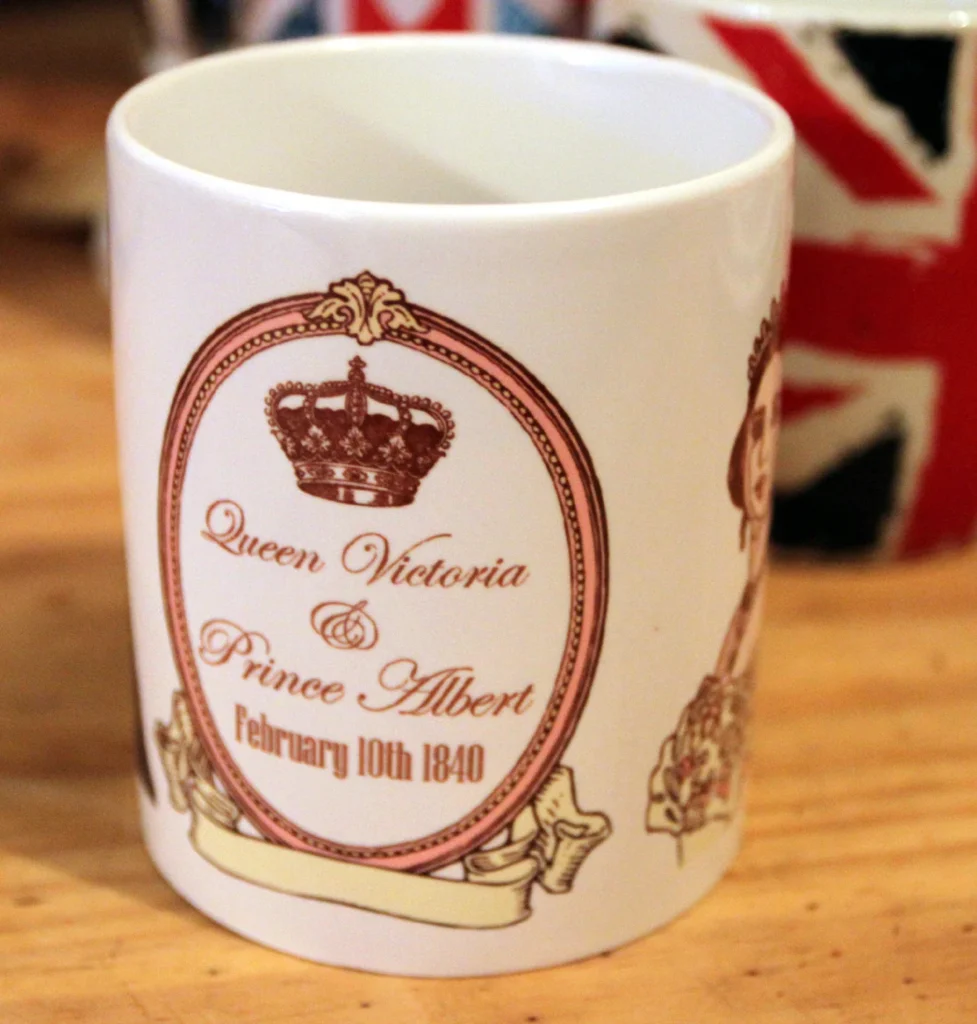
Royal souvenirs existed long before the 19th century, but Queen Victoria’s marriage to Prince Albert on February 10, 1840, truly set the tone for a national passion. Advances in industrial printing and pottery transfer techniques made it possible for everyday people to purchase affordable mementos of royal events.
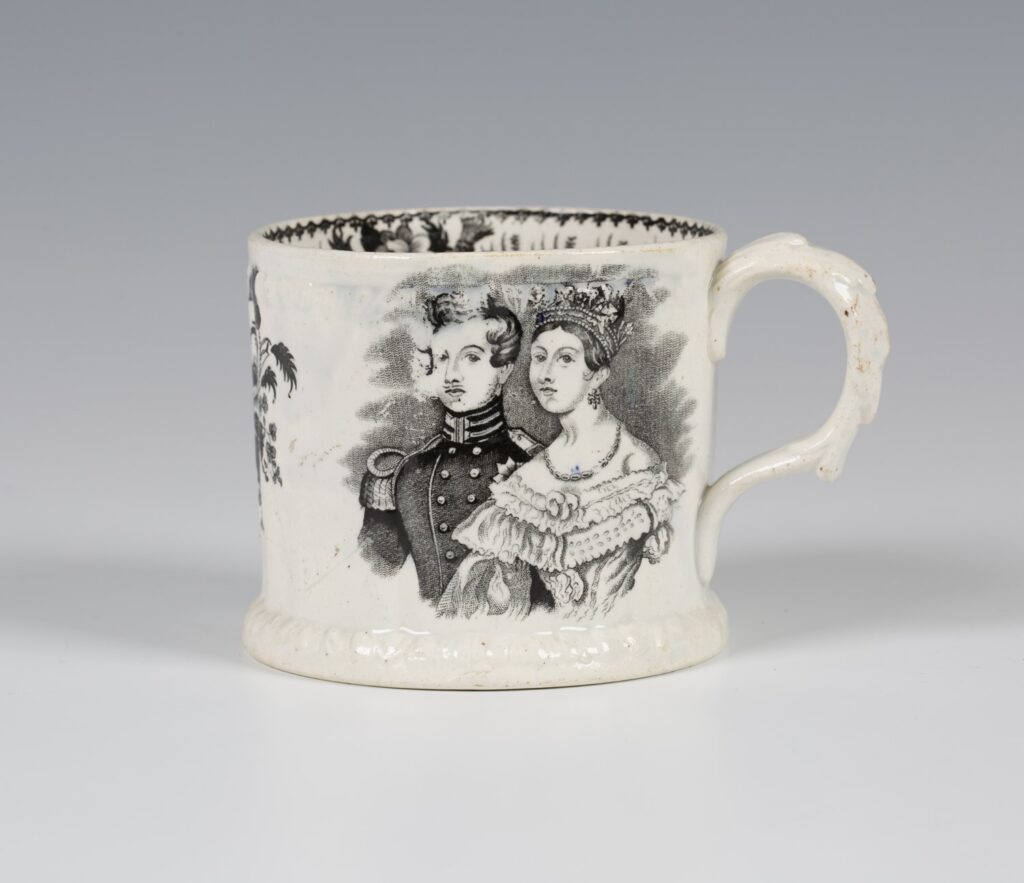
Shop windows filled with souvenir medallions, handkerchiefs, and Staffordshire figurines of the young couple. Street vendors sold mugs and plates to crowds eager to celebrate the union of their beloved queen and her consort. These items not only marked a personal milestone for Victoria and Albert but also helped forge a sense of shared identity among their subjects.
By the mid-Victorian era, commemorative pottery had become part of British domestic life. Births, jubilees, and coronations all found expression in ceramics — tangible markers of loyalty, optimism, and the changing times. Major potteries such as Spode, Wedgwood, and Minton joined smaller Staffordshire firms in producing both fine and popular commemoratives, establishing a tradition that still endures.
Post-War Glamour and National Renewal
The next great surge of royal memorabilia came with the wedding of Princess Elizabeth to Lieutenant Philip Mountbatten on November 20, 1947. Britain was still recovering from the hardships of World War II, and the ceremony offered a much-needed sense of hope and continuity.
Commemorative china from this period reflects the mood of renewal. Delicate floral patterns, patriotic motifs, and gilt edges symbolized grace amid austerity. Paragon, Royal Worcester, and other leading manufacturers produced limited runs that sold briskly across the Commonwealth. For many, these souvenirs represented both the dawn of a new reign and the resilience of a nation rebuilding itself.
The Fairytale of 1981
When Prince Charles married Lady Diana Spencer on July 29, 1981, the world stopped to watch. Broadcast live to an estimated 750 million viewers, the event combined age-old pageantry with modern celebrity appeal.
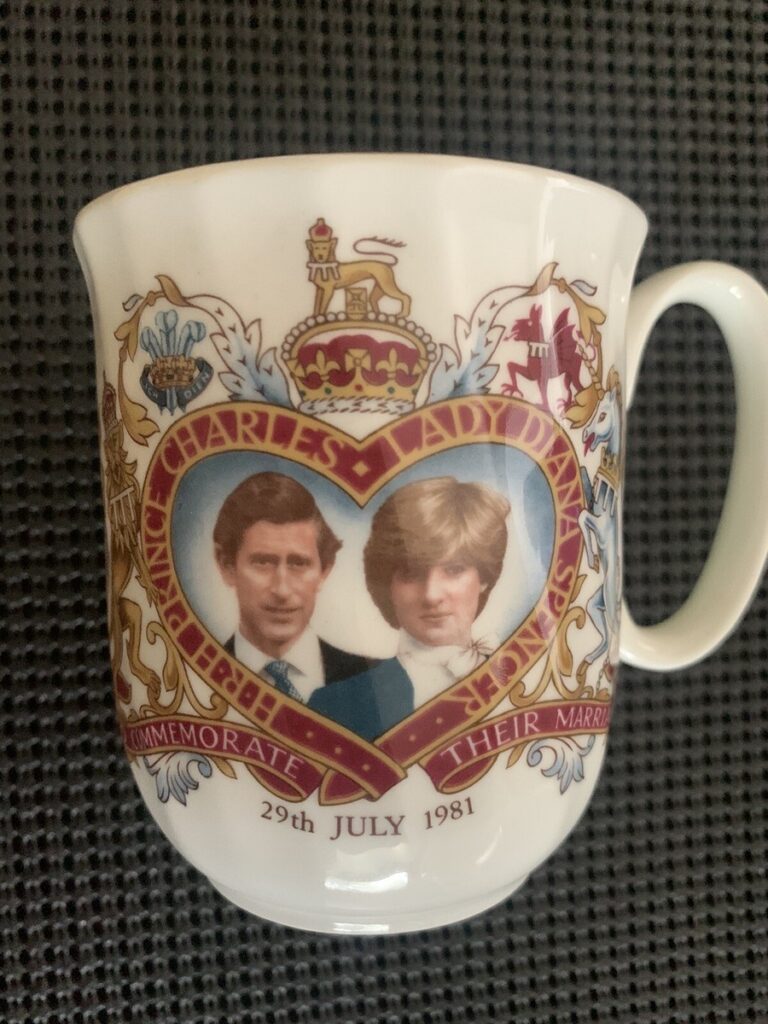
Souvenir makers responded with unprecedented enthusiasm. Everything from bone-china cups to inexpensive tin trays and tea towels filled shop shelves across Britain and beyond. Designs ranged from romantic portraits framed in laurel wreaths to bold, contemporary interpretations. For collectors, these pieces capture not only the wedding itself but also the cultural mood of the early 1980s — a mix of optimism, nostalgia, and fascination with the royal image.
Modern Elegance: William and Catherine
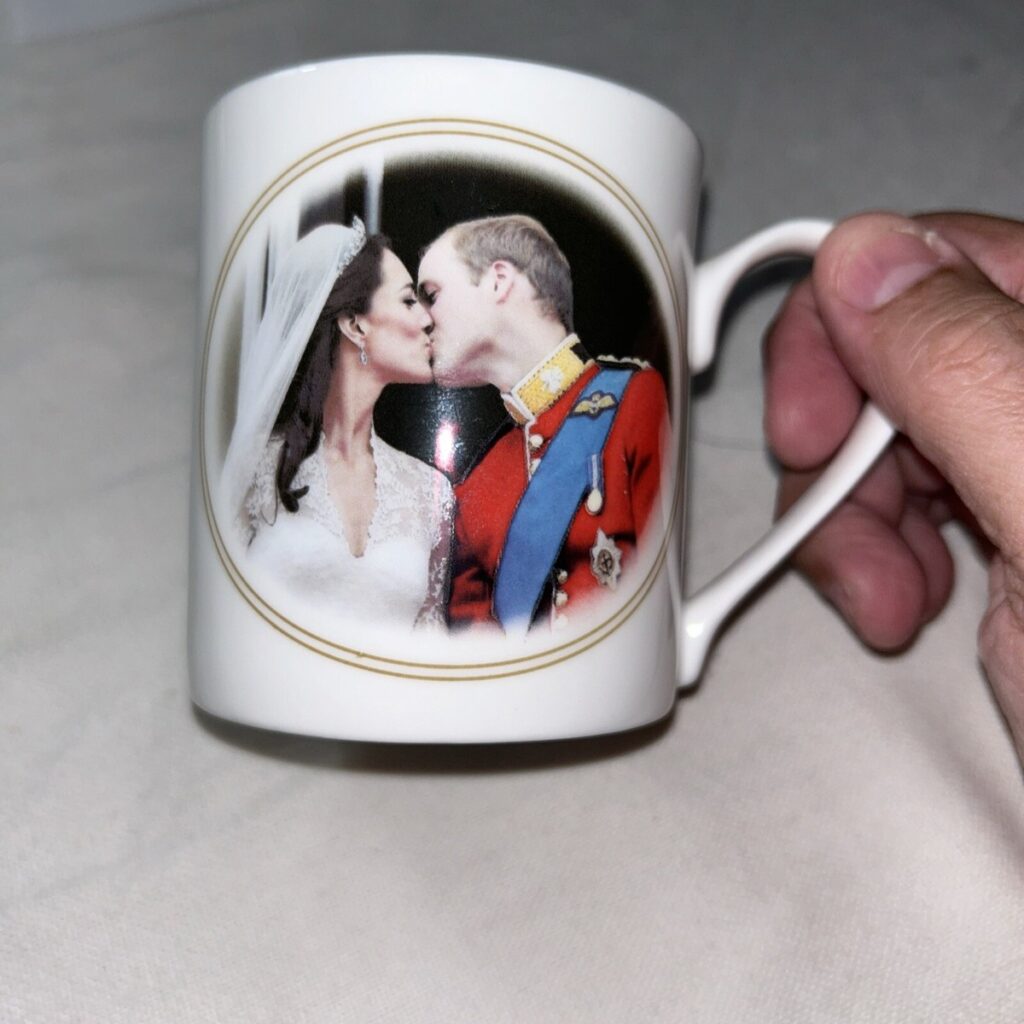
By the time Prince William married Catherine Middleton on April 29, 2011, commemorative china had evolved from mass-market novelty to refined collectible art. The official range, commissioned by The Royal Collection Trust and made in Stoke-on-Trent, featured intertwined initials beneath a coronet and delicate scrollwork in gold and grey — a modern, elegant nod to tradition.
Independent makers also joined in, producing small-batch designs that celebrated the couple with creativity and charm. Today, these pieces are sought not only by royal enthusiasts but also by collectors who appreciate the enduring appeal of fine British craftsmanship.
Collecting the Past, Preserving Emotion
Royal wedding china holds a unique place in the world of collectibles because it bridges the personal and the historical. Each cup, plate, or figurine serves as a time capsule — a snapshot of a shared emotional experience.
For some, the draw is purely aesthetic: fine detailing, gilt accents, and the evolution of design over decades. For others, these keepsakes are family heirlooms that recall where loved ones were when the nation celebrated.
What makes commemorative ware so charming is its accessibility. Whether it’s a hand-painted limited edition from Royal Doulton or a humble mug sold at a market stall, each piece carries the same spark of participation — a way for ordinary people to be part of a royal story.
The Art of Continuity
Today’s commemorative china continues to blend nostalgia with artistry. While renowned producers like Spode, Royal Worcester, and Aynsley maintain their legacy of quality, smaller studios explore more personal interpretations — minimalist silhouettes, subtle motifs, even eco-conscious materials. Collectors now curate their finds with an eye for both history and design, pairing Victorian medallions with modern bone-china cups to tell an ongoing story of love and legacy.
In a world where moments often vanish into digital memory, royal wedding china remains reassuringly tangible. It embodies romance, craftsmanship, and the quiet pleasure of holding a piece of history — proof that, for at least one moment, love truly was shared by the world.
Let’s make history one royal memory at a time.