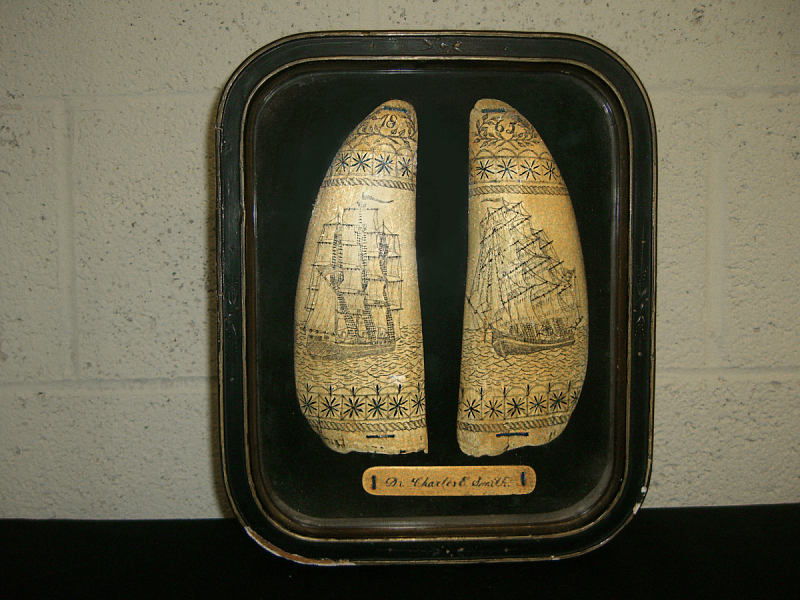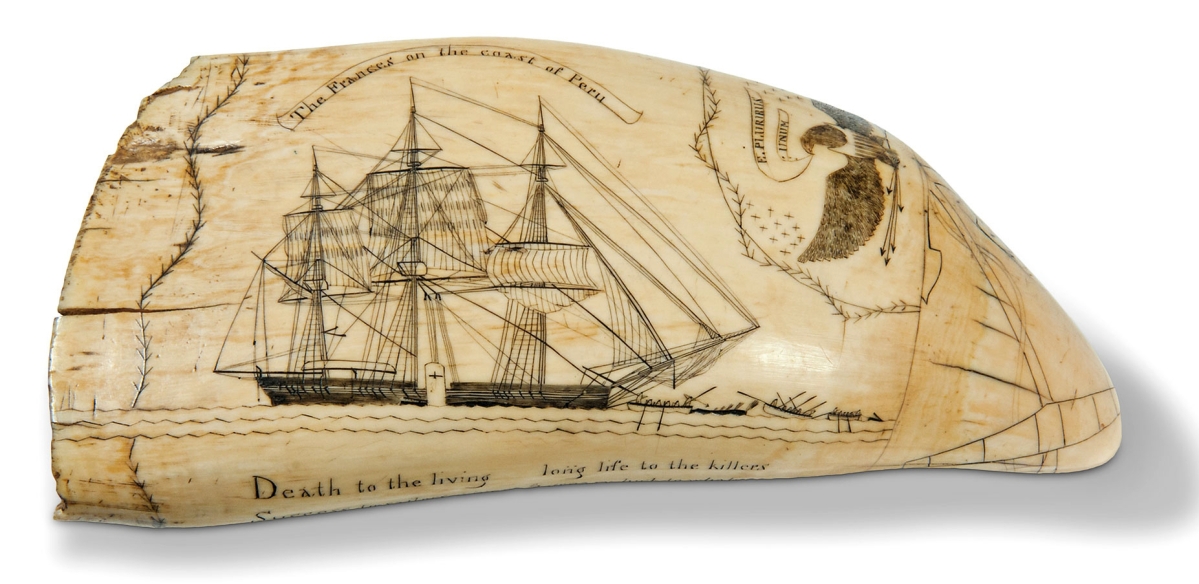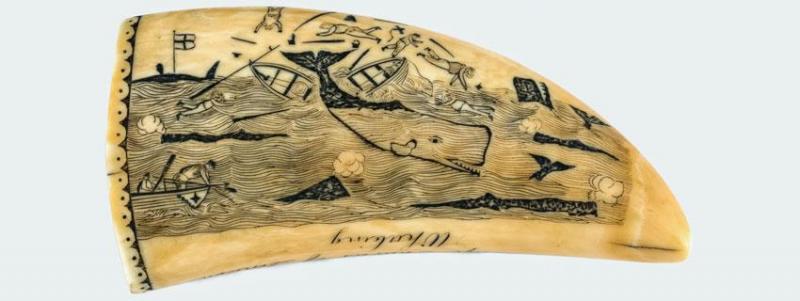
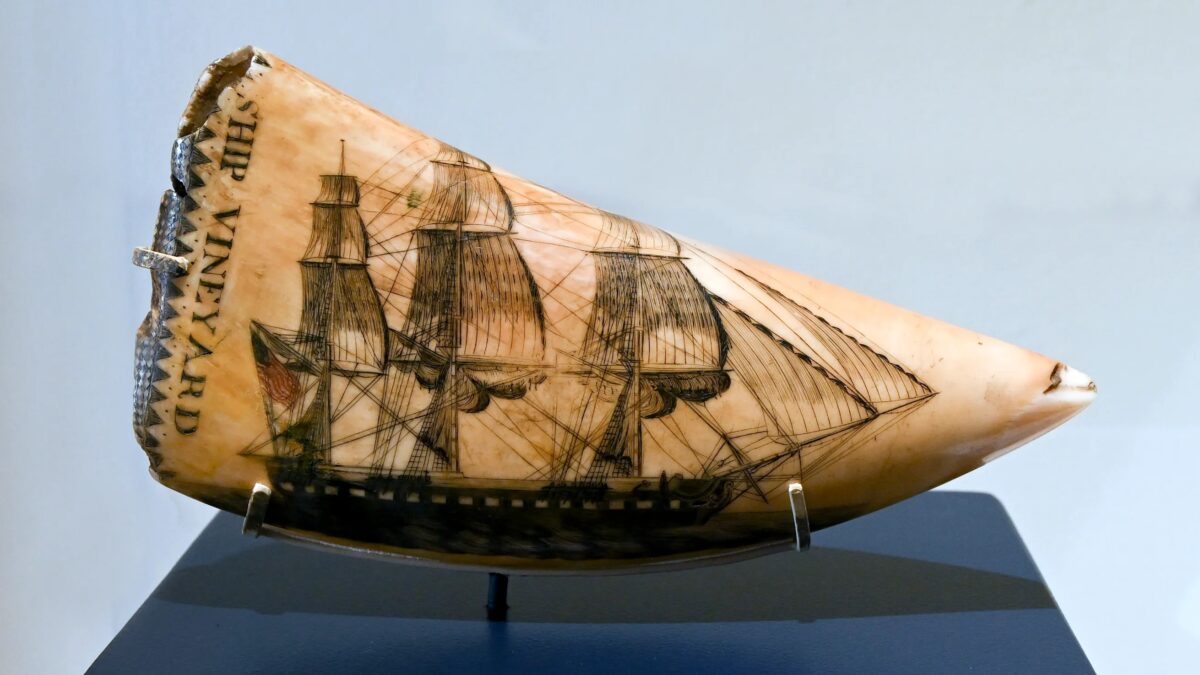
Scrimshaw is often introduced as “whalers’ folk art,” but that phrase can be almost too neat. These pieces weren’t made in calm studios with clean tools and steady light. They were made on working ships—on voyages that could last years—by people who lived in cramped quarters, ate what the ship could carry, and learned to measure time by watches, weather, and the next sighting.
That’s why scrimshaw has such pull for collectors. Yes, it’s beautiful. Yes, it’s skilled. But more than that, it’s intimate. The best scrimshaw pieces feel like small, portable diaries: ships and whales, distant ports, sweethearts, jokes, prayers, flags, flowers, and symbols that meant something to the person who cut them into ivory or bone.
This post looks at scrimshaw as a kind of primary-source snapshot—what it can tell us about shipboard work, emotion, travel, identity, and the everyday texture of maritime life.
Continue reading “Scrimshaws: A Window into Maritime Life”